Physical Address
304 North Cardinal St.
Dorchester Center, MA 02124
Physical Address
304 North Cardinal St.
Dorchester Center, MA 02124
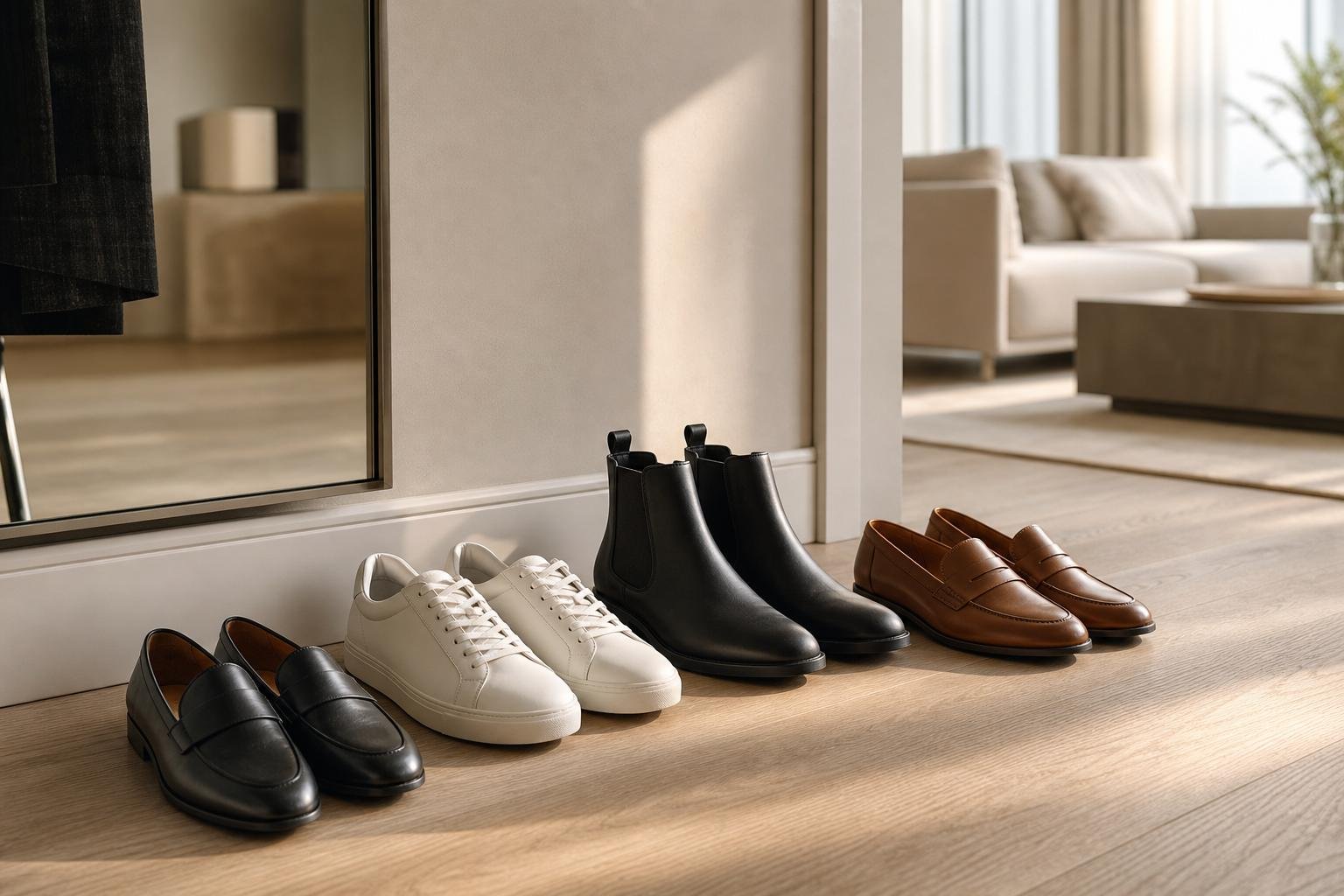
Shopping locally for footwear can make fit, comfort, and return decisions much easier. Use this guide to narrow your options and leave with shoes you will actually wear.
Finding a pair that looks good is easy; finding one that fits your feet, routine, and wardrobe is the real goal. Searching for shoes near me is a useful first step when you need to compare sizing, walk on different surfaces, and make a confident choice without waiting for delivery.
Local shopping also gives you information that product photos cannot: how firm a sole feels, whether a heel slips, how much room your toes have, and whether a material feels breathable. A little preparation can turn an ordinary shopping trip into a smarter long-term purchase.
Start by defining the job your new shoes need to do. “Everyday” can mean a lot of things: commuting on foot, standing through a shift, attending events, traveling, exercising, or simply building a more polished casual wardrobe. The best pair for one setting may be the wrong choice for another.
Before leaving home, consider what you will wear most often. Bring or wear the sock thickness you expect to use with the shoes. If you are shopping for dress shoes, bring the socks or hosiery that go with your usual work or event outfits. For boots, consider whether you will wear heavier socks or tuck pants into the shaft.
It also helps to set a short list of non-negotiables. You may need a wide toe box, a removable insole, a low heel, a weather-ready upper, or a sole with more grip. Knowing these priorities helps you compare options instead of being swayed by appearance alone.
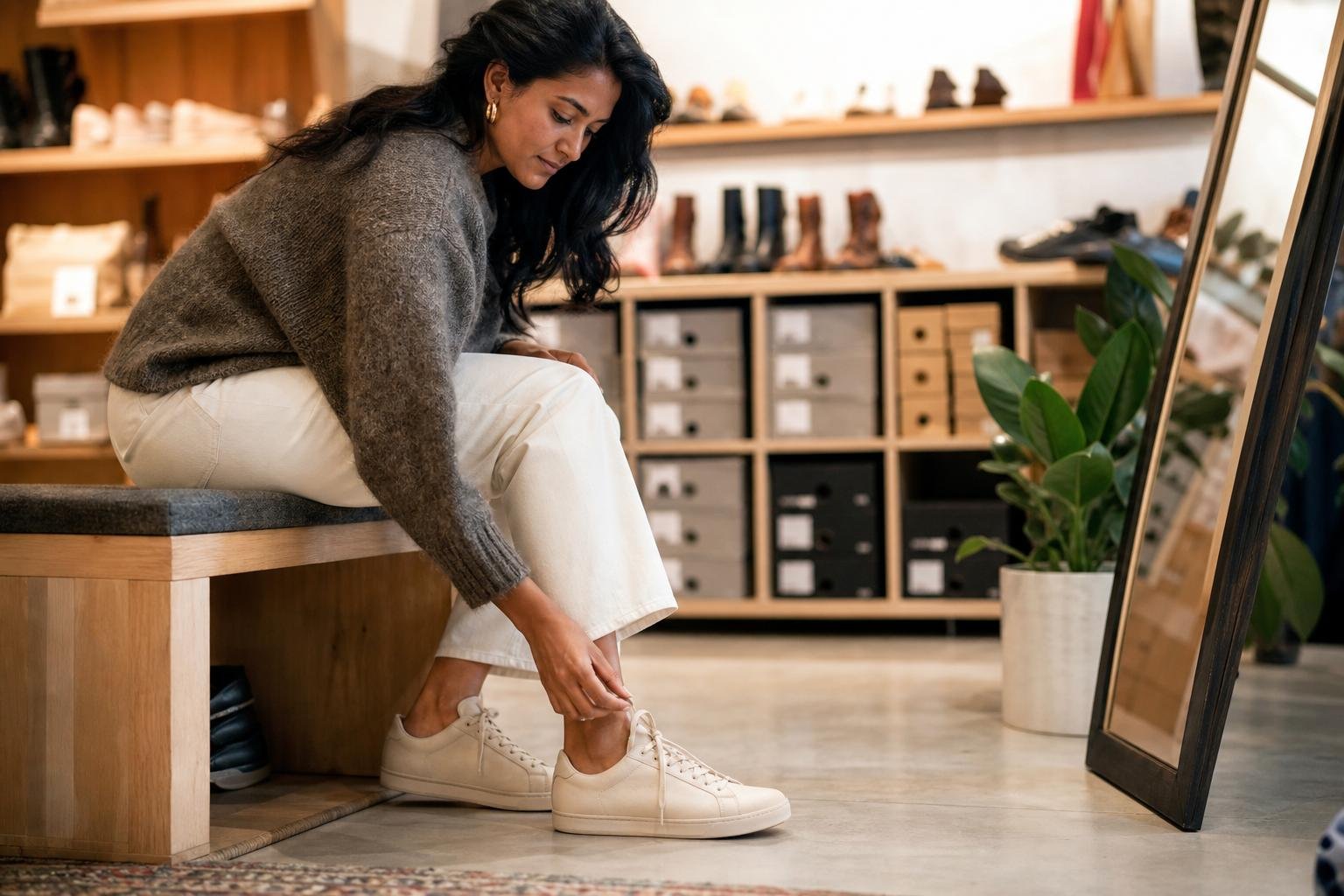
Different local retailers tend to serve different needs. A department store may make it easier to compare styles across categories, while a running or comfort-focused shop may offer more detailed guidance on fit and support. A boutique can be useful for fashion-forward styles, and a repair shop may be helpful when you need advice on maintaining or adjusting shoes you already own.
Call ahead when you are looking for a specific size, width, or category. This is especially helpful if you need narrow, wide, extended, or hard-to-find sizing. Ask whether the store carries the style of footwear you need and whether it has a fitting area where you can walk comfortably.
Use this quick guide to match the store experience to your shopping goal:
| Shopping need | Helpful store focus | What to check |
|---|---|---|
| Daily walking | Comfort or athletic footwear | Cushioning, toe room, traction |
| Workwear | Department store or shoe retailer | Dress-code fit, heel stability |
| Special occasion | Boutique or department store | Comfort after standing, outfit compatibility |
| Exercise | Specialty athletic retailer | Activity-specific fit and support |
A wider selection is useful, but service matters too. Look for a store where you can try both shoes, walk for several minutes, and ask practical questions without pressure to make a quick decision.
Shoe sizes are a starting point, not a guarantee. Sizing can vary by shape, material, construction, and brand. Try on both shoes, because feet are often slightly different in length or width. Fit the larger foot rather than assuming both sides need the same amount of room.
Shop later in the day when possible. Feet commonly feel fuller after walking and standing, which can give you a more realistic sense of how a pair will feel during normal use. Stand up while trying shoes on, then walk on a firm surface if the store allows it.
Pay attention to these fit signals:
For heels, test balance as well as length. Take a few natural steps, turn, and pause. If you feel unstable in the fitting area, the shoe is unlikely to become easier to wear on stairs, pavement, or a long evening out.
The upper material affects both comfort and upkeep. Leather can gradually conform to the foot, while suede has a softer appearance but may need more protection from moisture. Canvas and mesh can feel lighter and more breathable, though they may offer less structure. Synthetic materials vary widely, so assess softness, flexibility, and lining rather than relying on the material category alone.
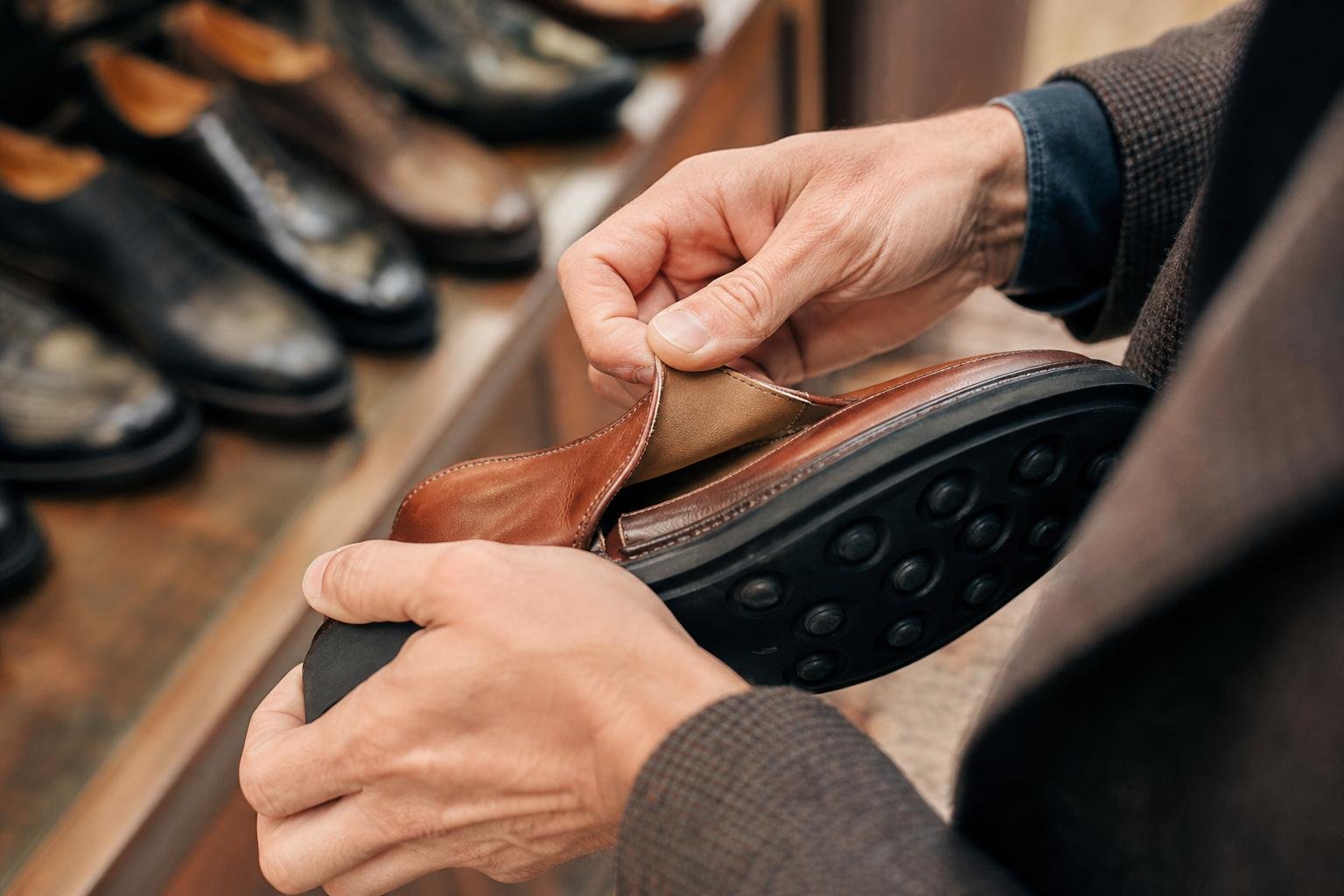
Turn the shoe over before buying. A smooth leather sole can look refined but may be less practical on wet or slick surfaces. Rubber soles generally add grip and can be a dependable choice for commuting. For casual sneakers, check whether the sole flexes near the ball of the foot rather than bending only in the middle.
Also inspect the interior. Run your hand inside to check for rough seams, stiff edges, or loose material. These details can cause irritation even when the shoe initially feels comfortable. If you use orthotics or inserts, remove the existing insole if possible and make sure your preferred support fits without crowding the shoe.
A fitting-room mirror can help you assess proportion, but movement is more important than a static pose. Wear the shoes with the kind of pants, skirt, or dress you expect to pair with them. This reveals whether the shaft height works with cropped trousers, whether an ankle strap cuts across the leg in an awkward place, or whether the toe shape complements the outfit.
When comparing shoes near me, avoid judging a pair only by the first few steps. Walk, pause, change direction, and stand still. Notice where your weight lands and whether the shoe feels different on your left and right foot. If the store has a small incline or varied flooring, use it carefully to test grip and stability.
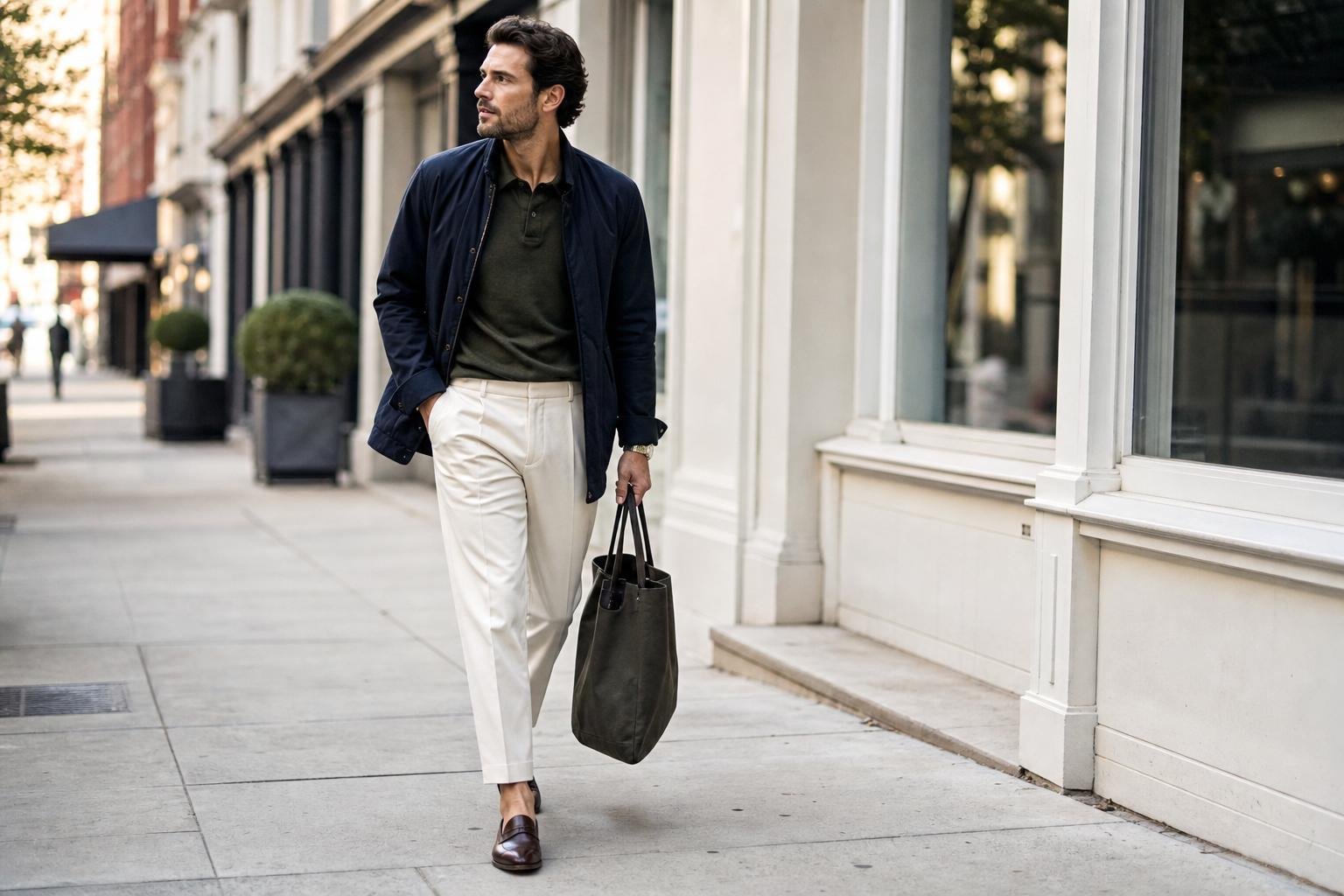
Think about cost per wear rather than only the price at checkout. A versatile loafer, plain sneaker, ankle boot, or low-heeled pump may earn its place in a wardrobe because it works across many outfits. A highly specific style can still be worthwhile, but it should suit a genuine gap in your closet rather than duplicate a pair you rarely reach for.
Before committing, ask about the store’s return or exchange policy. Confirm whether shoes must remain unworn outdoors, whether the original box is required, and whether sale items follow different rules. Keep receipts and packaging until you have tested the fit indoors on a clean surface.
Ask about basic care if you are investing in leather, suede, or delicate fabric. The right cleaner, brush, protector, or storage method can help preserve the finish and shape. Cedar shoe trees can be useful for many leather shoes, while structured boots may benefit from being stored upright or supported to prevent deep creasing.
If a pair is nearly right but needs a minor adjustment, a qualified shoe repair professional may be able to add a protective sole, replace a heel tip, stretch a tight spot in suitable materials, or improve the fit with an insert. Not every shoe can or should be altered, but it is worth asking before giving up on an otherwise strong option.
No. Some materials may soften slightly with wear, but shoes should not pinch your toes, numb your feet, or create painful pressure. Choose a pair that feels comfortable from the start, with only normal snugness around areas designed to hold the foot in place.
You may benefit from a wider fit if the sides of your feet feel compressed, your little toe rubs against the upper, or the shoe bulges noticeably at the widest point. Trying the same style in multiple widths can make the difference easier to recognize.
In-store shopping is especially useful when you are unsure of your size, need a particular width, are trying a new shoe category, or want to assess comfort immediately. Online shopping can still work well when you already know how a specific style fits and understand the return policy.
The right footwear should support the way you actually move through the day while fitting naturally into your personal style. When you search for shoes near me, arrive with a clear purpose, test each pair in motion, and give fit more weight than a persuasive display. A thoughtful try-on process makes it easier to choose shoes that feel as good at the end of the day as they did in the store.