Physical Address
304 North Cardinal St.
Dorchester Center, MA 02124
Physical Address
304 North Cardinal St.
Dorchester Center, MA 02124
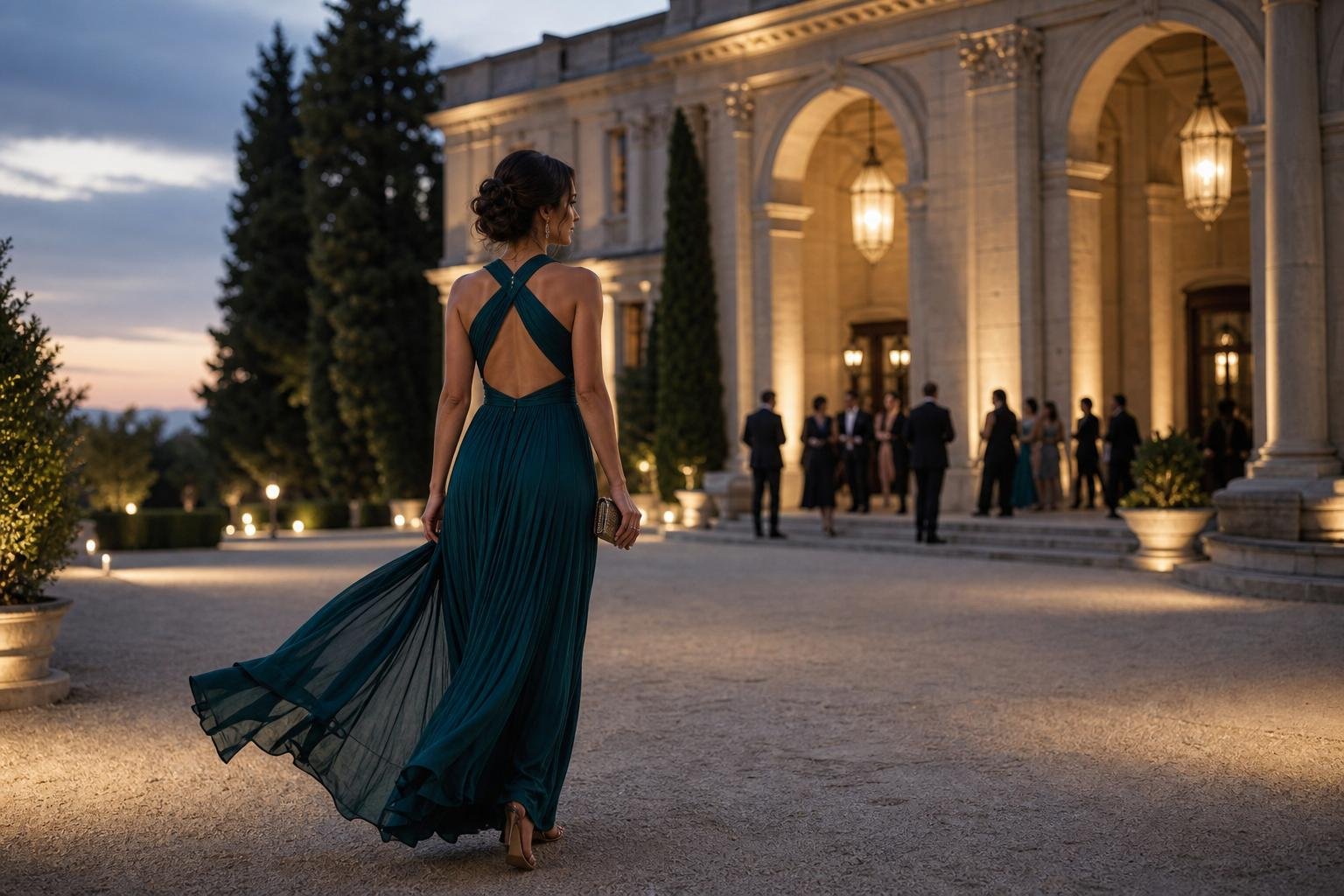
A red-carpet-worthy look is less about excess and more about intention. Learn how to choose a statement-making outfit, refine the fit, and finish it with confident details.
A memorable formal look should feel elevated, not overworked. Whether you are attending a gala, wedding, premiere, awards dinner, or milestone celebration, getting red carpet ready starts with a clear point of view: choose one standout element, then let every other decision support it.
The goal is not to copy a celebrity entrance or wear the most elaborate piece in the room. It is to create a polished outfit that suits the occasion, photographs well, moves comfortably, and still feels like you.
Before considering color or silhouette, identify the level of formality. A black-tie gala calls for a different approach than a cocktail reception, and an outdoor evening wedding has different practical needs than an indoor theater event.
When the invitation is vague, use the venue, start time, and host’s usual style as clues. Evening events generally support deeper colors, richer textures, more dramatic jewelry, and dressier footwear. Daytime celebrations often feel best with lighter tones, softer fabrics, or a less formal hemline.
For a black-tie setting, a floor-length gown, a refined jumpsuit, or a tailored tuxedo-inspired suit can all work beautifully. Cocktail attire leaves more room for a midi dress, a polished mini with covered-up proportions, or separates that feel intentionally coordinated. The key is choosing pieces that look considered rather than merely dressed up.
A strong occasion outfit begins with proportion. Choose a silhouette that gives you shape, ease, and visual balance. A fitted column dress creates clean vertical lines; an A-line skirt adds movement and definition at the waist; wide-leg evening trousers can look especially striking with a close-fitting top or sculpted jacket.
Looking red carpet ready does not require an ultra-tight fit. In fact, clothing that pulls across the hips, strains at buttons, or needs constant adjusting will diminish the effect of even the most beautiful garment. A smooth fit through the shoulders, bust, waist, and seat is what makes a look appear expensive and intentional.
Pay close attention to length. A full-length hem should hover just above the floor when you are wearing your event shoes. A cropped trouser should reveal the ankle cleanly rather than landing at an awkward mid-calf point. For dresses with a slit, sit down and walk a few steps before committing; the opening should feel elegant in motion, not restrictive or precarious.
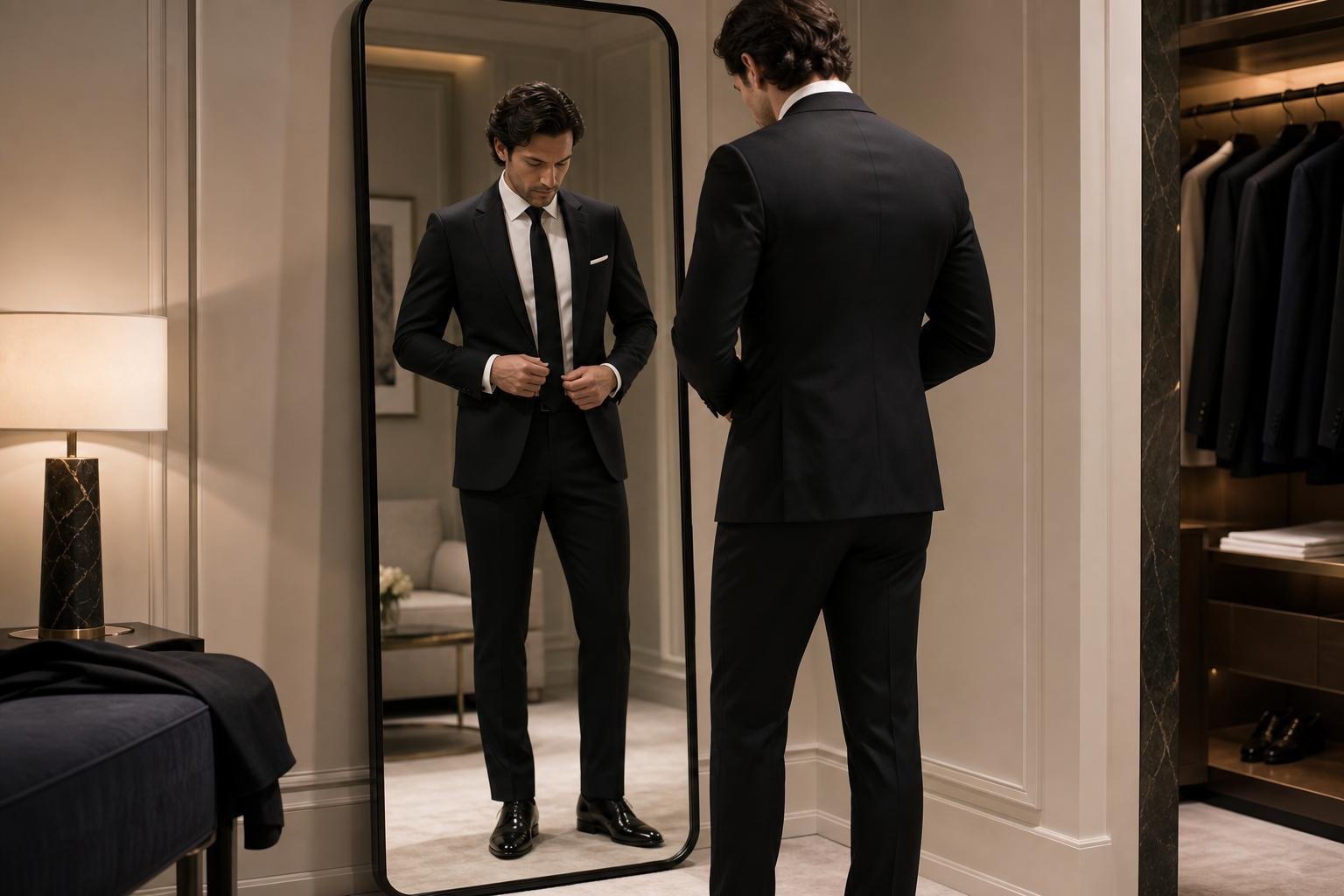
The most cohesive formal looks usually have one clear focal point. It may be a jewel-toned satin dress, dramatic earrings, a sharply tailored white suit, an architectural neckline, or a sculptural bag. Once you have chosen that lead element, keep the rest of the outfit disciplined.
If your dress has volume, embellishment, or a bold print, select quieter shoes and jewelry. If your outfit is minimal, use accessories or a distinctive fabric to create interest. This approach keeps the eye moving through the look without competing details.
Fabric can transform a simple cut into a special-occasion piece. Satin, silk, velvet, crepe, chiffon, sequins, metallic knits, and structured suiting all bring different kinds of presence. The right choice depends on your preferred level of drama and the season.
Satin offers fluid shine and works well in gowns, slip dresses, and draped tops, though it benefits from careful undergarments because it can reveal lines. Velvet has depth and looks especially rich in darker shades. Crepe is a useful option when you want a cleaner, more matte finish with enough weight to skim rather than cling.
Sequins and beading can be stunning, but balance is important. A fully embellished dress often needs minimal styling elsewhere, while a sequin skirt or metallic top can pair well with sleek, unadorned separates. Consider comfort, too: heavily decorated fabrics can feel weighty, scratchy, or stiff during a long event.
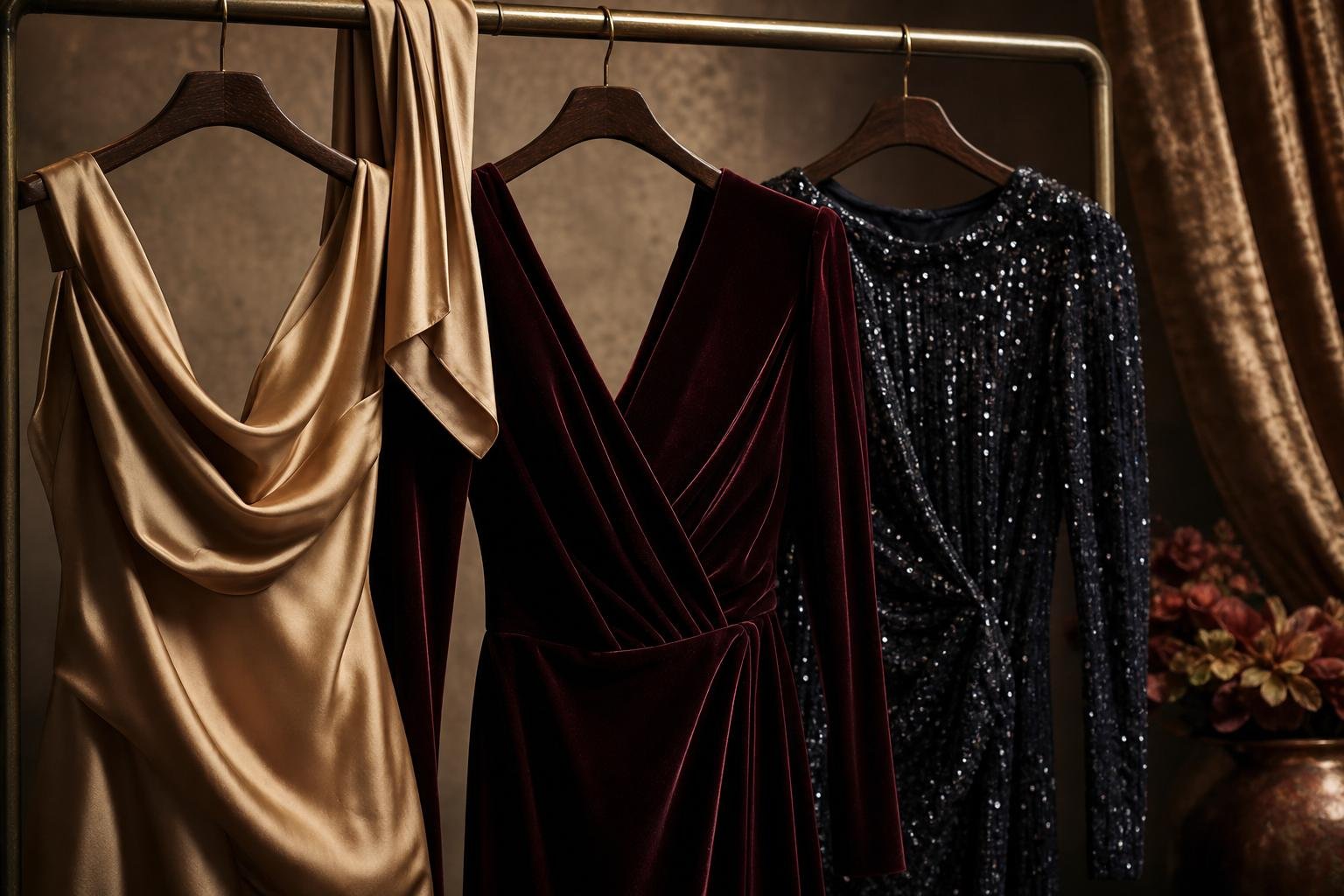
Color should complement both the event and the mood you want to project. Black remains timeless because it creates a long, uninterrupted line and lets texture stand out. Deep burgundy, emerald, navy, chocolate brown, plum, and charcoal offer equally sophisticated alternatives.
Brighter shades can make a confident statement, especially in streamlined shapes. Red, cobalt, fuchsia, marigold, and icy pastels can all feel formal when the fabric and fit are elevated. If you are unsure, hold the garment near your face in natural light. The most flattering color usually makes your skin look clearer and your features more defined.
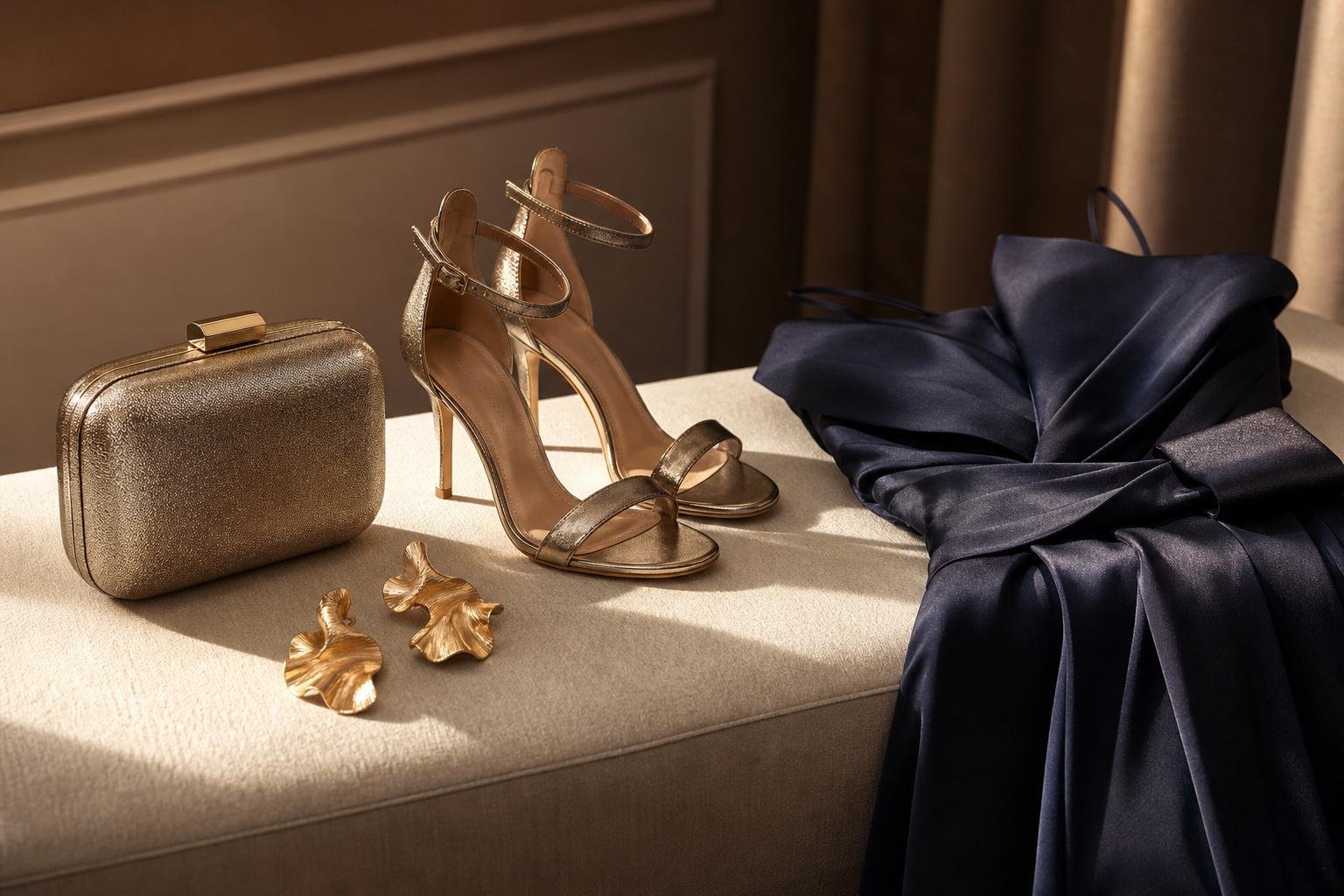
Accessories should enhance your outfit’s scale and mood. Delicate jewelry can soften a structured suit, while substantial metal earrings can bring energy to a minimalist gown. Consider the neckline before choosing jewelry: strapless and off-the-shoulder silhouettes often suit earrings or a cuff, while a high neck may need little more than a statement ring.
A red carpet ready bag should be small enough to feel evening-appropriate but practical enough to carry essentials. Look for a compact clutch, minaudière, or structured mini bag that holds your phone, cards, lip color, and any necessary medication. A detachable strap can be helpful for travel to and from the event.
Shoes need to do more than look good in a mirror. Choose a heel height you can walk in with an even stride. A pointed-toe pump lengthens the leg, a refined sandal feels lighter with a fluid dress, and a closed-toe option can ground a winter look. If your shoes are new, break them in at home on a clean surface and pack blister protection.
Hair and makeup are most effective when they support the clothes rather than compete with them. With ornate eveningwear, a sleek ponytail, soft waves, or a neat updo can create welcome balance. With a minimalist outfit, a bolder lip, luminous skin, or a polished hairstyle may become the finishing touch.
Aim for a beauty look that will last through photos, dinner, and dancing. Use products you already know work for you when possible, and avoid making a dramatic hair or skincare change immediately before a major event. A small touch-up kit with blotting papers, lip color, bobby pins, and fashion tape can be more useful than bringing an entire makeup bag.
Grooming details matter because they affect how settled you feel. Steam wrinkles, remove loose threads, check the hem, and inspect shoes for scuffs. If your outfit needs specialized undergarments, try on the entire look together before the event rather than making assumptions on the day.
The most polished outfits are tested, not just styled. Spend a few minutes walking, sitting, reaching, turning, and using the restroom in your complete look. This is the easiest way to catch a slipping strap, a hem that tangles, a jacket that rides up, or jewelry that catches on fabric.
Take a few photos in different lighting, including from the side and back. You are not looking for perfection; you are checking whether proportions, underlayers, and accessory placement feel balanced. If something distracts you in a quick photo, it will probably distract you at the event.
Being red carpet ready is ultimately about wearing an outfit with ease. Choose a silhouette that lets you move, a fabric that feels special, and accessories that serve the overall look. Once the practical details are handled, you can focus on the part that makes any formal entrance memorable: showing up with confidence.