Physical Address
304 North Cardinal St.
Dorchester Center, MA 02124
Physical Address
304 North Cardinal St.
Dorchester Center, MA 02124
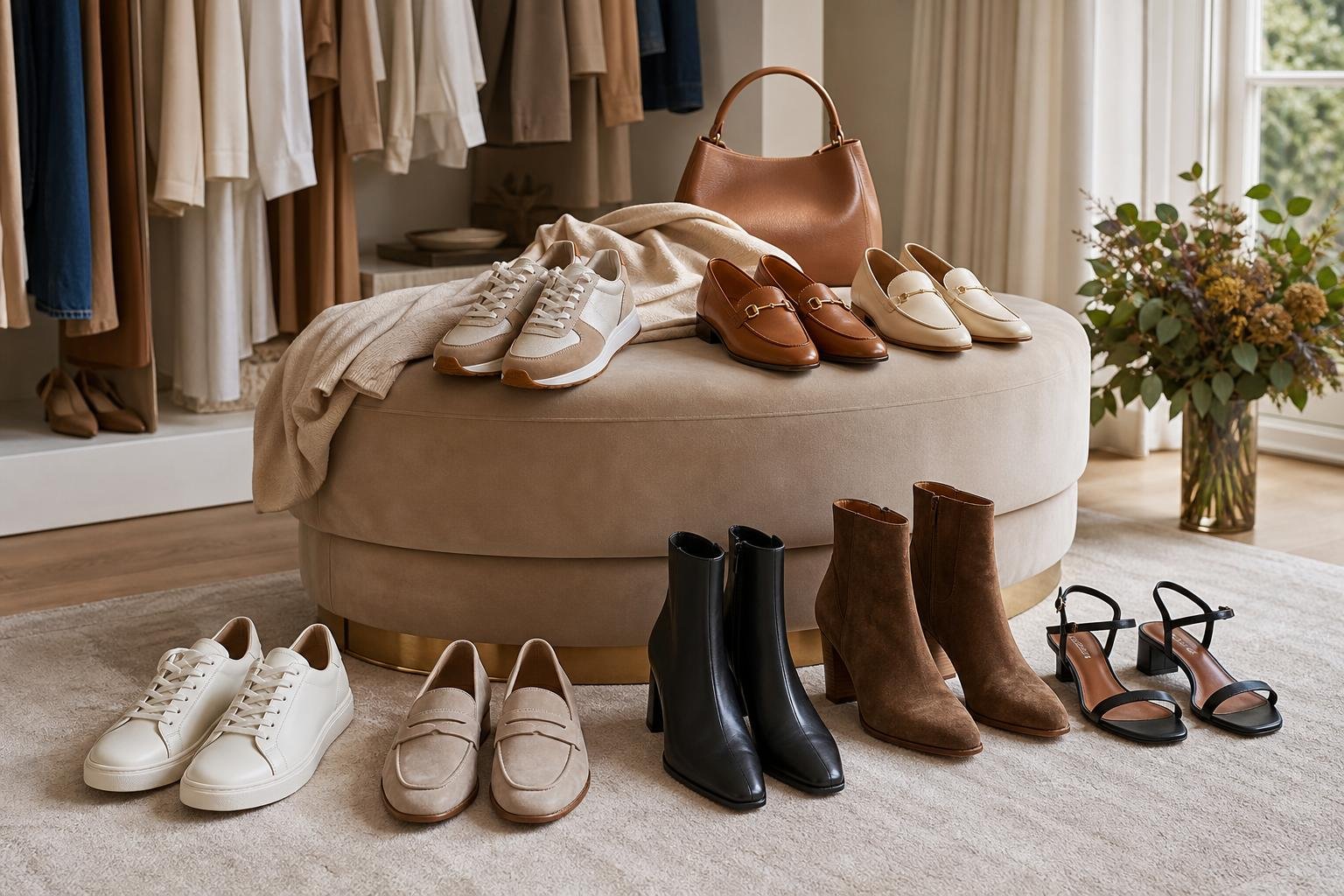
The right footwear balances comfort, function, and personal style. Use this guide to build a versatile shoe wardrobe and shop with more confidence.
The best shoes for women are not necessarily the most formal, trend-driven, or expensive pair in a closet. They are the pairs that work with your routine, feel stable after several hours, and make getting dressed easier. A smart footwear wardrobe starts with fit and function, then adds personality through color, texture, and silhouette.
Whether you are replacing daily basics or choosing a pair for a specific occasion, focus on where and how you will wear them. That simple question narrows the options quickly.
Before comparing styles, consider your typical day. Someone who walks, commutes, stands at work, or navigates uneven sidewalks needs different support than someone shopping primarily for occasional events. Your closet should reflect your actual schedule rather than an idealized version of it.
Start by identifying the role a new pair needs to fill:
A shoe can be versatile, but it does not have to do everything. It is often more practical to own a few well-chosen categories than to rely on one pair that is uncomfortable or unsuitable for half your plans.
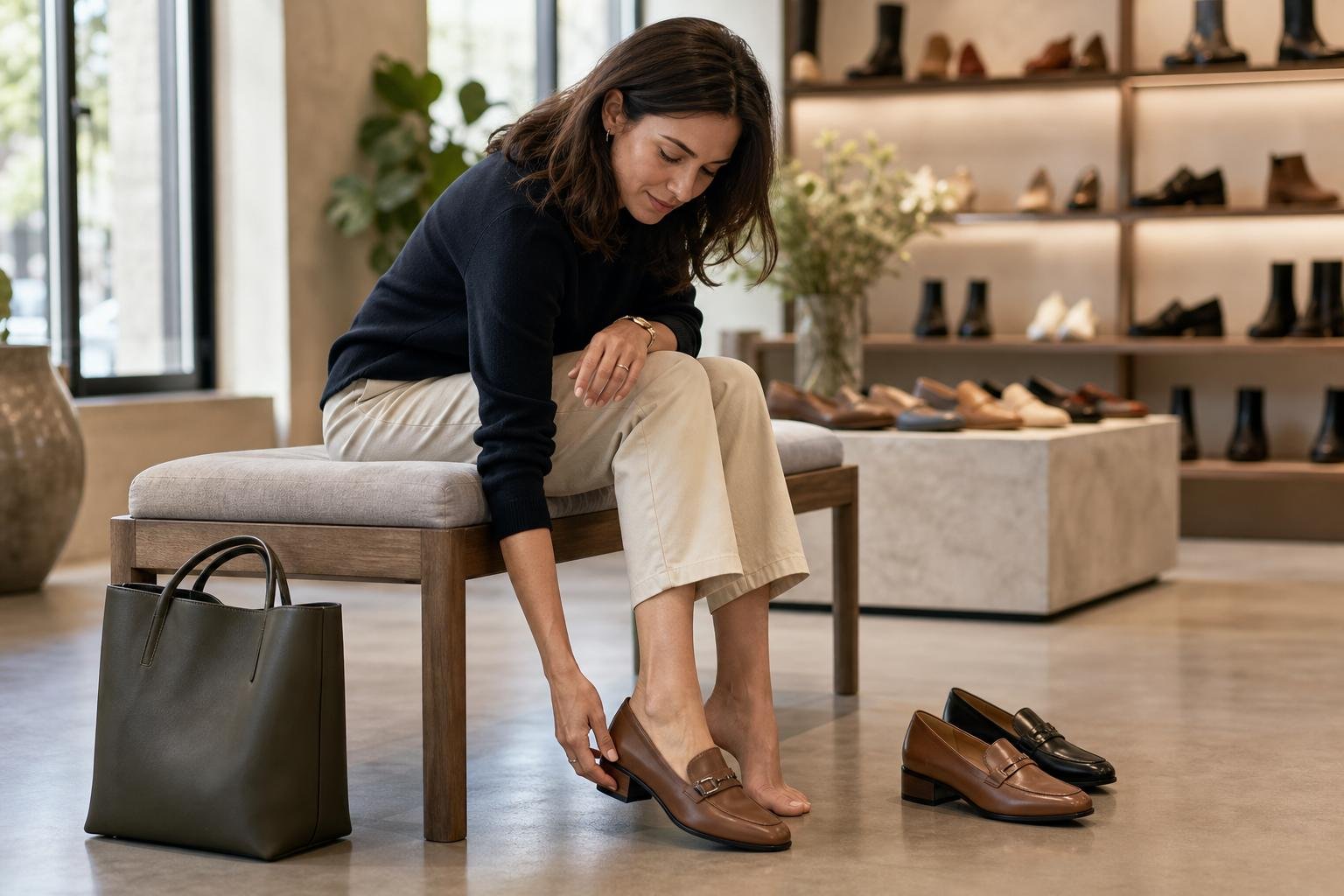
Shoe sizes are a useful starting point, but they are not perfectly consistent between brands or even between different styles from the same brand. Pay attention to the fit across the entire foot: heel, instep, arch, ball of foot, and toe box.
Try shoes on later in the day when feet may be slightly fuller from normal activity. Wear the sock or hosiery you expect to use with the pair. When standing, there should be roughly a thumb’s width—about 3/8 to 1/2 inch (1 to 1.3 centimeters)—between your longest toe and the end of the shoe.
Look for these fit signals:
| Area | What to check | Potential issue |
|---|---|---|
| Toe box | Toes can lie flat and move slightly | Pinching, numbness, rubbing |
| Heel | Heel stays secure while walking | Slipping or friction |
| Width | Upper feels smooth, not stretched | Bulging or pressure points |
| Arch | Support meets your foot naturally | Fatigue or pain through the arch |
A little stiffness in a leather upper may ease with wear, but a shoe should not require you to tolerate pain while it “breaks in.” If the length, width, or heel fit is wrong at the start, it is unlikely to become a reliable favorite.
A functional collection does not require every footwear trend. Instead, choose silhouettes that coordinate with the bottoms and occasions already common in your wardrobe.
A low-profile sneaker is one of the most flexible casual options. It works with straight-leg jeans, relaxed trousers, casual dresses, and skirts. Leather or leather-look uppers often appear more polished than athletic mesh, while canvas can feel lighter and more laid-back.
For frequent walking, look beyond appearance. A cushioned footbed, flexible forefoot, supportive heel counter, and grippy outsole matter more than a minimalist profile alone.
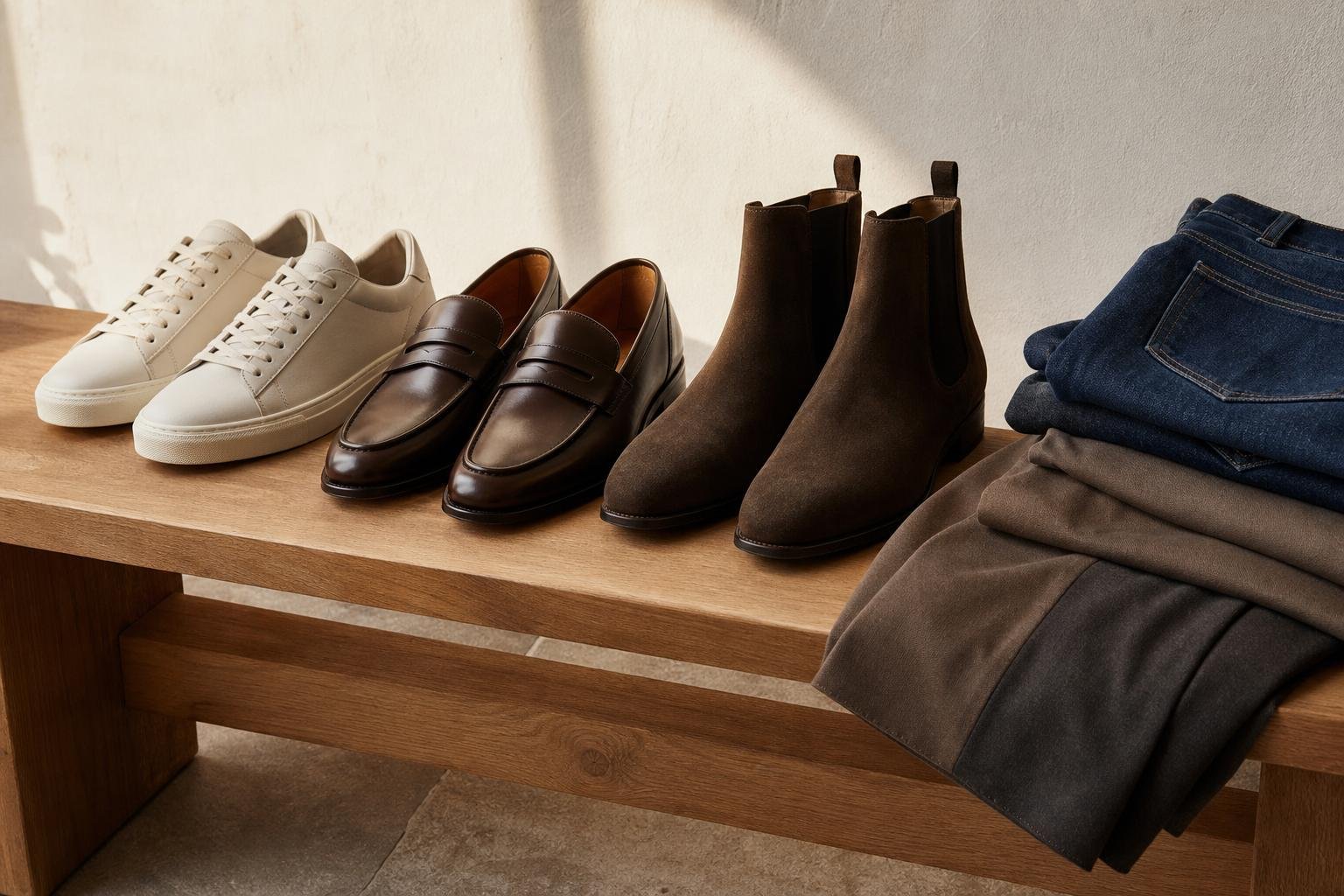
Flats are useful when you want more coverage than sandals without the height of a heel. A pointed toe can create a lengthened look, but it should still leave adequate room for your toes. Almond and rounded toes are often easier to wear for extended periods.
Loafers add structure to casual denim and tailored outfits alike. Choose a pair with a secure heel and a sole substantial enough for your usual walking surface. Soft unlined styles can feel relaxed; more structured loafers often offer a sharper finish for workwear.
Ankle boots are among the most adaptable cold-weather options. A shaft that ends just above the ankle pairs easily with cropped jeans, trousers, midi skirts, and dresses. Knee-high boots can be particularly useful with skirts, dresses, and slim-fitting pants.
Consider heel shape as carefully as heel height. A wider block heel generally offers more stability than a narrow heel, and a lug or rubber sole may provide better grip in damp conditions. For boots, leave room for the socks you realistically plan to wear.
A sandal should hold your foot securely, especially if you plan to walk more than a short distance. Adjustable straps can help refine the fit across the instep and ankle. Flat sandals are easy for casual wear, while a low heeled sandal can dress up wide-leg pants, summer dresses, and tailored separates.
For dress shoes, prioritize a manageable heel height and stable construction. A low block heel, platform, wedge, or elegant flat may be more wearable than a very high stiletto, particularly for events involving standing or walking.
Materials affect how a shoe feels, wears, and responds to weather. Leather can gradually conform to the foot and is often repairable, but it needs regular conditioning and should be protected from heavy moisture. Suede has a soft, rich finish but benefits from water-repellent treatment and a dedicated brush.
Canvas and textile shoes are usually lightweight and casual, though they may offer less weather protection. Synthetic materials vary widely: some are easy to clean and budget-friendly, while others may feel less breathable than natural materials.
Also inspect the sole. Thin soles can look refined but may transmit more impact from hard pavement. Thicker rubber soles commonly provide more cushioning and traction. For shoes for women meant for regular city walking, a durable outsole and stable base are practical features worth prioritizing.
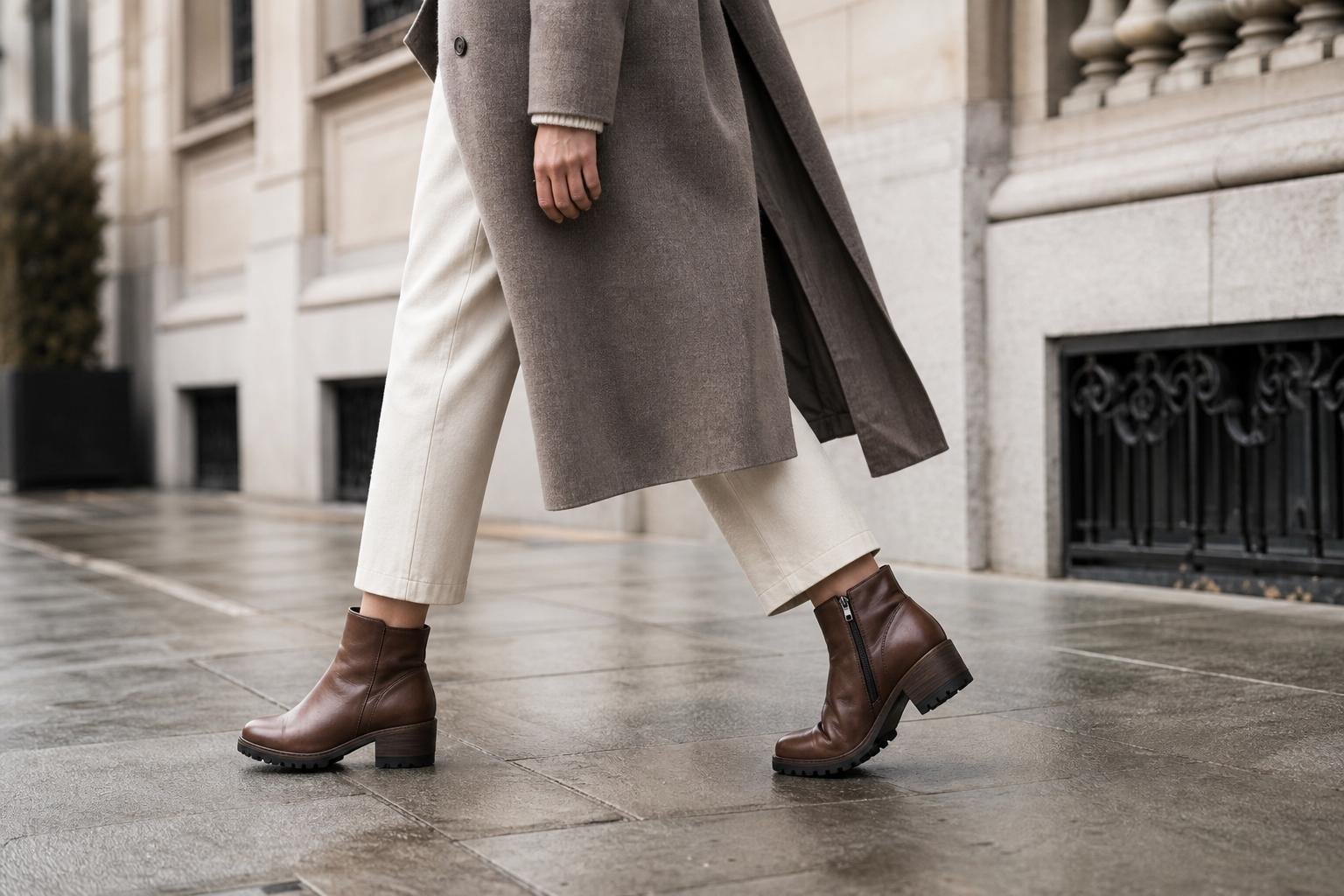
Neutral footwear creates the foundation of a flexible wardrobe, but “neutral” does not only mean black. Consider the colors you already wear most often.
A statement color or print can be worthwhile when it complements several outfits you already own. Before buying, picture at least three looks you can wear with it. If you cannot, it may be better as an occasional accent than a wardrobe foundation.
When comparing options, take a moment to assess more than the initial look. A well-considered pair should suit its intended setting and feel credible for the amount of wear you expect to get from it.
Ask yourself:
It can help to walk on a hard surface in the store, if possible, rather than judging only on carpet. When shopping online, review the size chart, note width options, and understand the return policy before wearing the shoes outdoors.
Rotate frequently worn pairs instead of using the same shoes every day. This gives interiors time to dry and can reduce odor and premature wear. Use shoe trees or gently stuff structured shoes with plain paper to help them retain their shape.
Wipe smooth leather after wear, remove surface dirt from suede with an appropriate brush, and clean canvas or fabric according to its care instructions. Replace worn heel caps and address sole separation early; small repairs can help preserve pairs that still fit well.
The most useful shoes for women combine a good fit with a clear purpose. Build from dependable everyday pairs, add footwear that supports your work and social life, and choose special styles with realistic wear in mind. When comfort, construction, and wardrobe compatibility all align, a pair is far more likely to become a lasting part of your rotation.