Physical Address
304 North Cardinal St.
Dorchester Center, MA 02124
Physical Address
304 North Cardinal St.
Dorchester Center, MA 02124
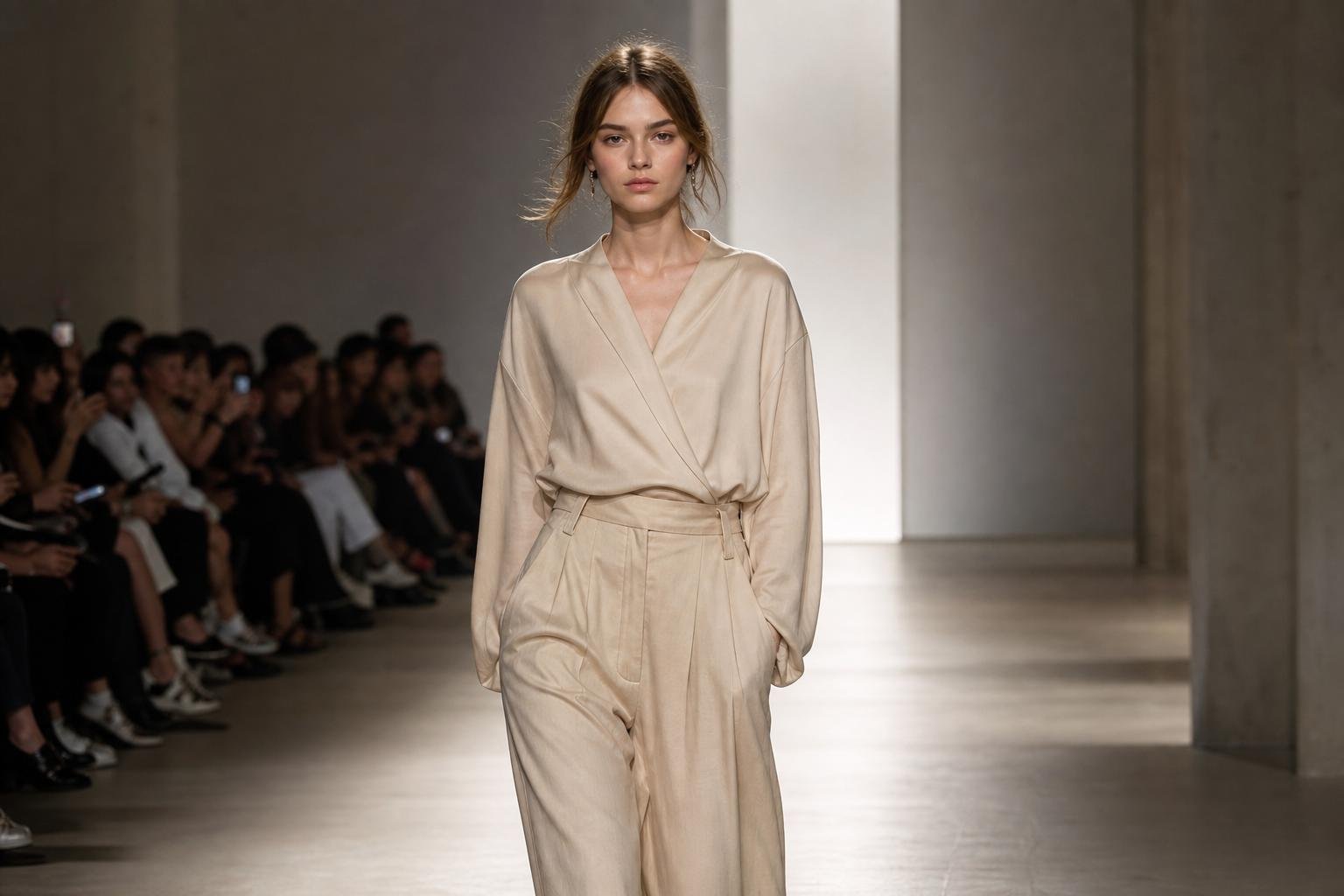
A practical guide to pursuing runway work, including portfolio basics, agency research, casting preparation, and professional habits that support a sustainable career.
A career on the catwalk is built through preparation, consistency, and professional judgment—not simply a striking walk. A runway model needs to present clothing clearly, respond quickly to direction, and develop relationships with reputable industry professionals. While the path looks different for every person, understanding the standards, process, and practical demands can help you approach it with clear expectations.
A runway model presents designer collections at fashion shows, showroom appointments, presentations, and occasional retail or editorial events. The job is less about performing for the audience than it is about displaying garments as intended. Designers and stylists need someone who can move cleanly, hold posture, change quickly, and bring a consistent presence to every look.
Runway work can range from local designer showcases to established fashion calendars in major markets. Assignments may involve fittings before the show, rehearsal walks, hair and makeup preparation, multiple outfit changes, and long stretches of waiting backstage. Reliability matters as much as appearance: late arrivals or a missed fitting can disrupt an entire production.
The industry does not have one universal standard for height, size, age, or appearance. Some traditional runway markets have specific sample-size expectations, while commercial shows and independent designers may cast a broader range of models. Read each opportunity carefully and focus on work aligned with your measurements, personal style, and career goals.
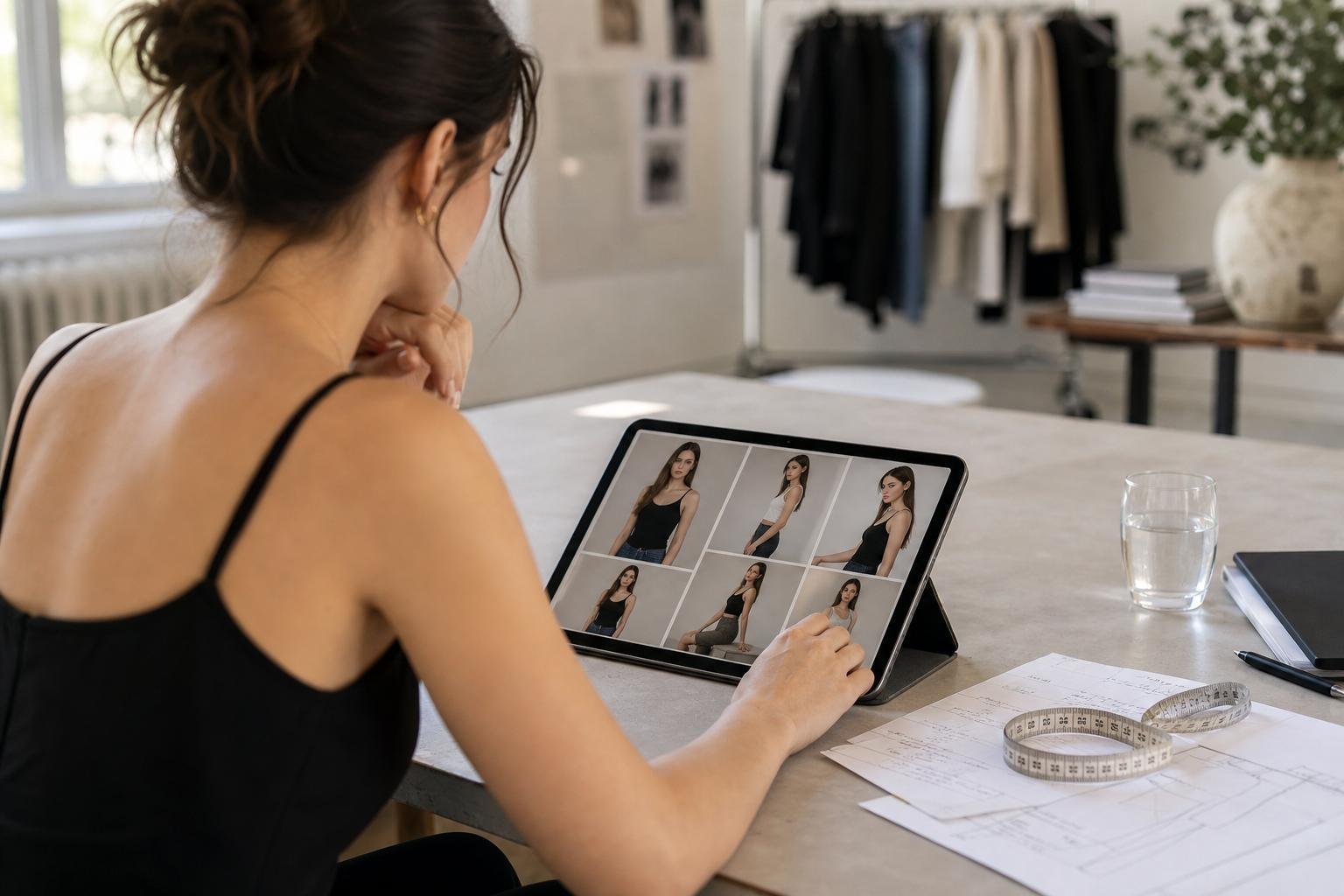
Start with honest, simple materials. In modeling, these are often called digitals or “polaroids,” though they do not need to be taken on instant film. They are straightforward, minimally retouched photos that show your face, proportions, and current appearance.
A useful starter set generally includes:
Wear fitted, neutral clothing that lets your proportions show without distracting styling. A plain tank or T-shirt with jeans, leggings, or simple fitted bottoms is usually sufficient. Avoid heavy filters, extreme posing, dramatic makeup, or images that no longer reflect your current look.
Once you have gained experience, add a compact fashion model portfolio with professional images that demonstrate range. For runway, prioritize photographs that show strong body awareness, clean lines, and your ability to wear different silhouettes. A large book filled with similar images is less useful than a concise selection of varied, polished work.
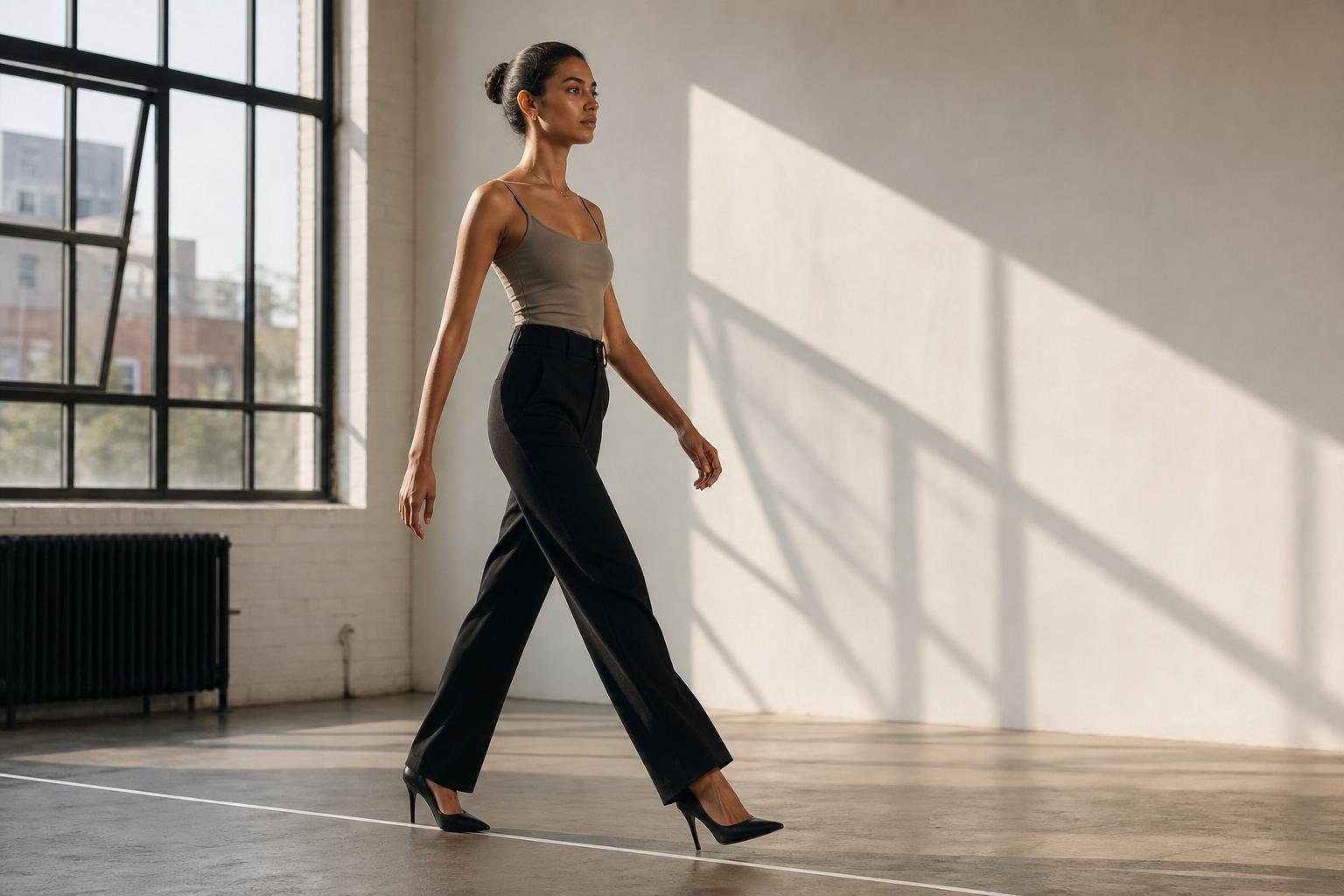
The runway walk should support the clothes rather than compete with them. It is controlled, rhythmic, and adaptable. Different clients may want a measured, minimalist stride, while others may ask for more energy or a distinct attitude. Your job is to take direction without losing balance or composure.
Practice on a clear, safe surface in shoes similar to those commonly used for castings. Begin with posture: shoulders relaxed, core engaged, chin level, and eyes directed ahead. Let your arms move naturally rather than holding them rigidly at your sides. Take even strides that suit your natural gait instead of forcing overly long steps.
Film yourself from the front and side. Look for uneven shoulders, a downward gaze, exaggerated hip movement, or arms that feel disconnected from the stride. Review the footage with a practical eye and repeat short drills regularly. The goal is not to copy another model’s signature walk; it is to develop a dependable baseline you can adjust when a creative team gives notes.
A clean end-of-runway moment is usually brief. Practice stopping with your weight balanced, taking a composed pause, making a controlled turn, and returning at the same pace. Learn both pivot turns and simple turns around the outside foot, since show producers may request either.
Keep your expression relaxed and intentional. A neutral face is not blank; it should still communicate attention and confidence. Rehearsing these details in advance allows you to remain calm when a casting director asks you to walk with little notice.
For many people, agency representation is a useful route into consistent runway opportunities. A reputable modeling agency submits talent for suitable castings, negotiates certain work arrangements, and provides career guidance. Agencies vary by market, so research their roster, submission instructions, and business reputation before applying.
Most agencies provide an online submission process. Follow the requested format exactly. If they ask for digitals, do not substitute a heavily styled campaign shoot. If they list open-call procedures, arrive prepared and within the stated window. A concise submission demonstrates that you can follow production directions.
Be cautious with anyone who guarantees paid work, demands large upfront fees, pressures you to sign immediately, or refuses to explain a contract. Legitimate businesses should be willing to clarify their role, payment process, commission structure, and the terms of any agreement. Consider having a qualified professional review contracts if you are unsure about legal language.
Independent castings can also provide early experience, particularly with local designers, fashion schools, and production teams. Confirm the organizer, location, schedule, compensation or trade terms, and expected wardrobe before committing. Keep a written record of communication and bring a trusted person when appropriate, especially to an unfamiliar location.
Casting teams often make decisions quickly. Arrive early, dressed simply, and ready to walk. Bring clean heels if requested, a compact portfolio or tablet if appropriate, and accurate measurements. Keep your hair and makeup natural unless the instructions say otherwise; casting directors need to see how you look before the show’s beauty team creates a specific concept.
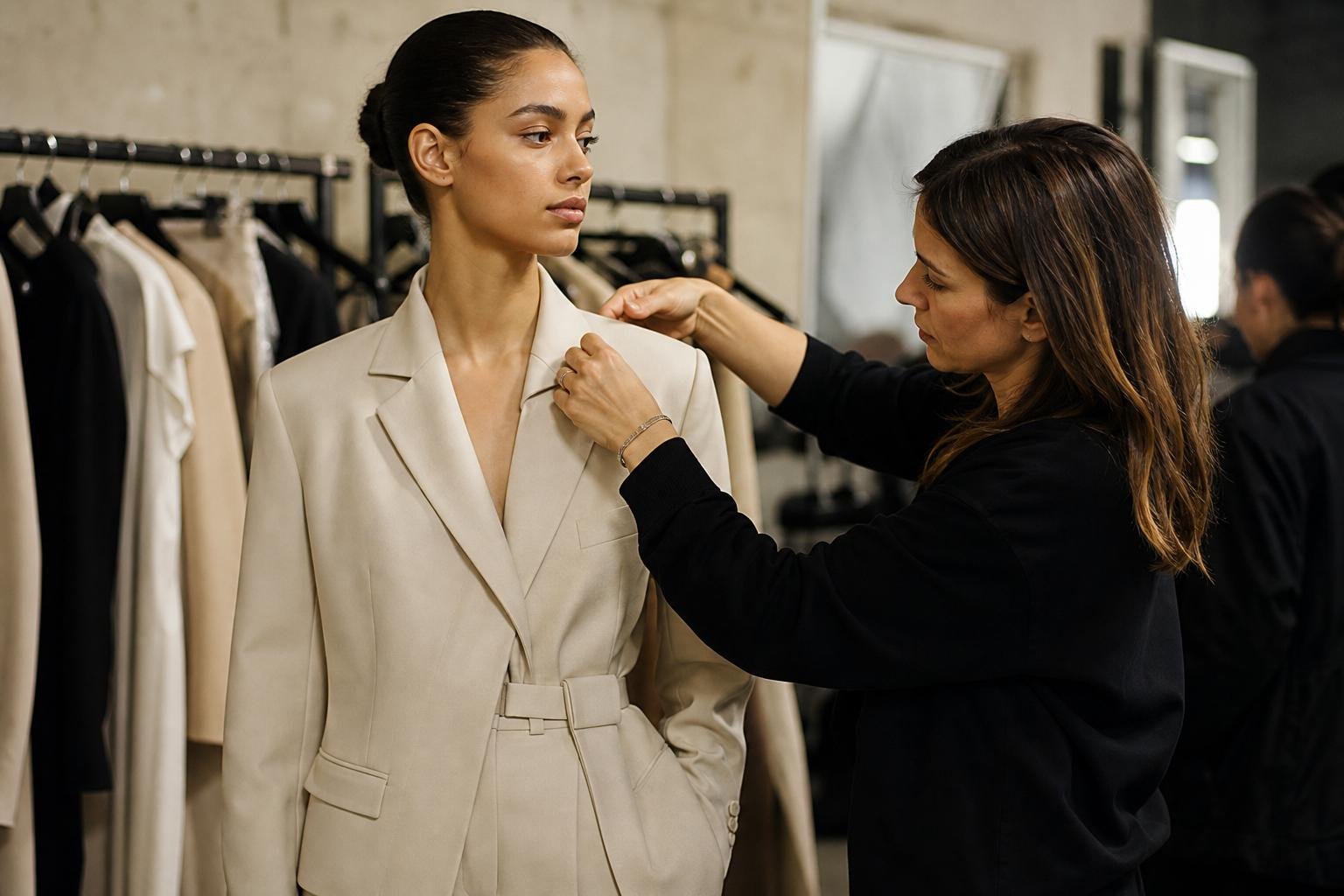
At a fitting, listen closely to the dresser, stylist, and tailor. Clothing samples can be delicate and may require careful handling. Stand still while garments are pinned, mention fit concerns respectfully, and avoid eating or drinking near the clothes. Your ability to stay organized and cooperative is part of your professional reputation.
Show days can involve significant downtime followed by fast changes. Pack water, a quiet snack if permitted, a phone charger, skincare basics, and comfortable layers for waiting between calls. Keep your belongings compact and your workspace tidy. Backstage conditions are shared, often crowded, and dependent on everyone doing their part.
Working as a runway model requires physical stamina, but sustainable preparation is more valuable than extreme measures. Maintain routines that help you feel strong, rested, and ready to move comfortably. If a client’s sample sizing does not fit, that is a production issue to address professionally—not a reason to pursue unsafe practices.
Treat every job as an opportunity to build trust. Reply promptly, update your measurements and availability, show up prepared, and be respectful to every member of the team. Assistants, dressers, makeup artists, producers, and photographers often work across many projects, and a calm professional reputation travels.
Keep records of your bookings, usage terms when applicable, agency communications, invoices, and expenses. This organization becomes especially important as work increases. It also helps you understand which jobs support your financial and creative priorities.
No, but an agency can provide access to castings and industry guidance that may be difficult to find independently. New models can also build experience through reputable local opportunities, provided they verify organizers and understand the job terms.
Follow the casting instructions first. When no dress code is given, choose fitted, simple clothing in neutral colors and clean shoes suitable for walking. Avoid elaborate accessories, visible logos, and styling that obscures your proportions.
Rejection is common and rarely provides a complete assessment of your potential. A casting may be based on a designer’s specific sample size, concept, or lineup needs. Continue practicing, keep your materials current, and seek opportunities that suit your look and skills.
A runway career starts with clear materials, a practiced walk, and thoughtful choices about who you work with. Build skills before chasing visibility, research agencies and castings carefully, and bring steady professionalism to every fitting and show. Those habits create a stronger foundation than any single booking.