Physical Address
304 North Cardinal St.
Dorchester Center, MA 02124
Physical Address
304 North Cardinal St.
Dorchester Center, MA 02124
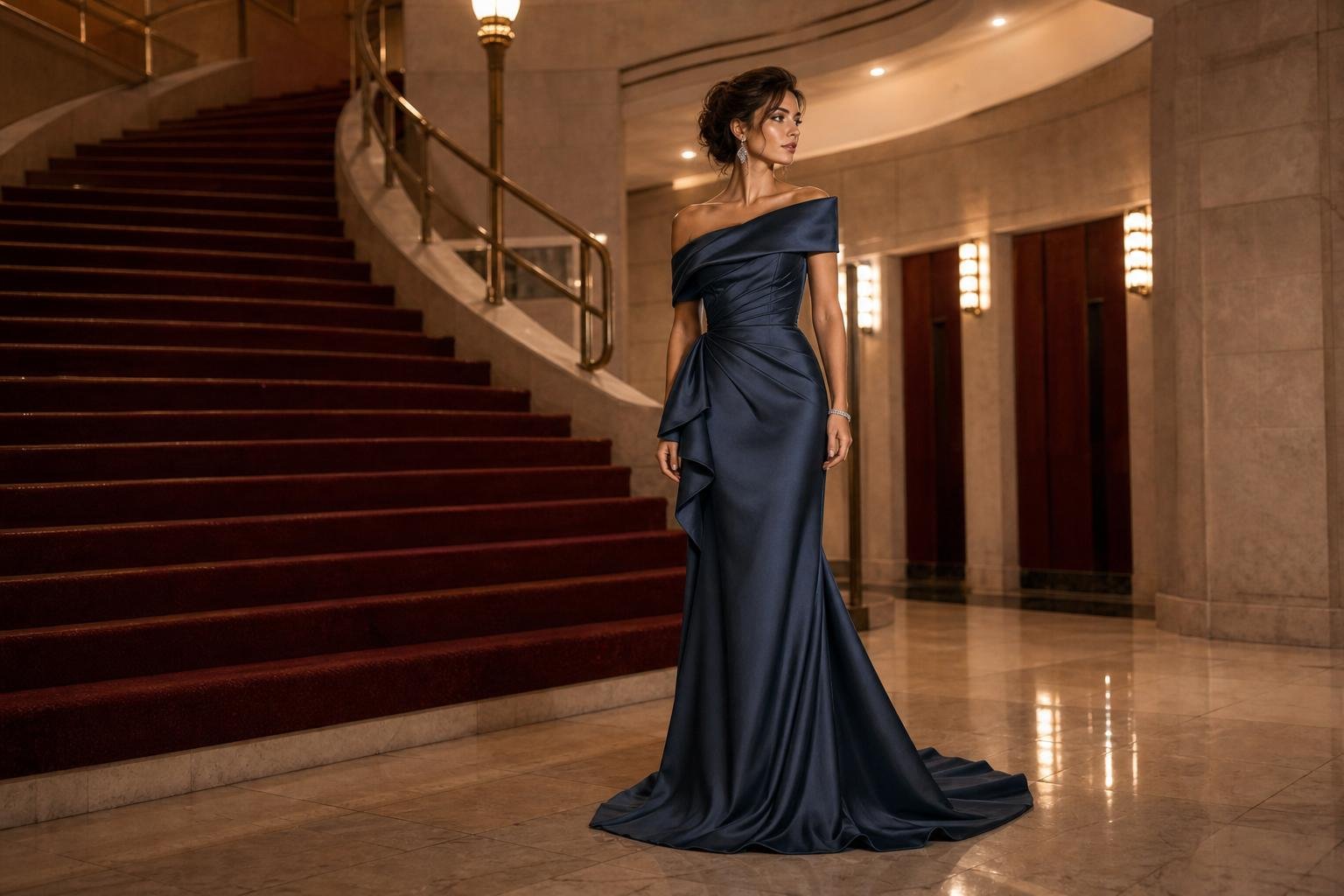
A memorable formal look begins with the right silhouette, fit, and finishing details. Use this guide to create an event-ready outfit that photographs beautifully and feels authentically yours.
A red carpet outfit is about more than choosing the dressiest piece in your closet. It is a considered balance of occasion, proportion, polish, and personality. Whether you are dressing for a gala, premiere, awards dinner, charity event, or a wedding with formal expectations, the goal is to look intentional from every angle while still being able to move, sit, and enjoy the evening.
The most successful looks do not rely on excess. They use a strong silhouette, thoughtful fabric, precise fit, and a few well-chosen finishing details to create impact. Start with the event’s dress code, then build a look that makes sense for the venue, season, and your own style.
Before considering color or accessories, read the invitation closely. “Black tie,” “creative black tie,” “formal,” and “cocktail” all leave room for interpretation, but they do not mean the same thing. A floor-length gown is a natural choice for black tie, while a refined midi dress, tailored tuxedo, or sleek jumpsuit may be better suited to cocktail or creative formal occasions.
The venue is equally informative. A theater premiere may invite high-shine fabric and directional tailoring. A ballroom gala often favors elegant, sweeping proportions. For an outdoor evening event, choose a silhouette that will not drag across grass or gravel and bring an appropriate layer for changing temperatures.
A red carpet outfit should feel slightly more elevated than standard party dressing. That can mean a dramatic hemline, an exceptional fabric, sharp suiting, or a sculptural accessory—not necessarily all of them at once.
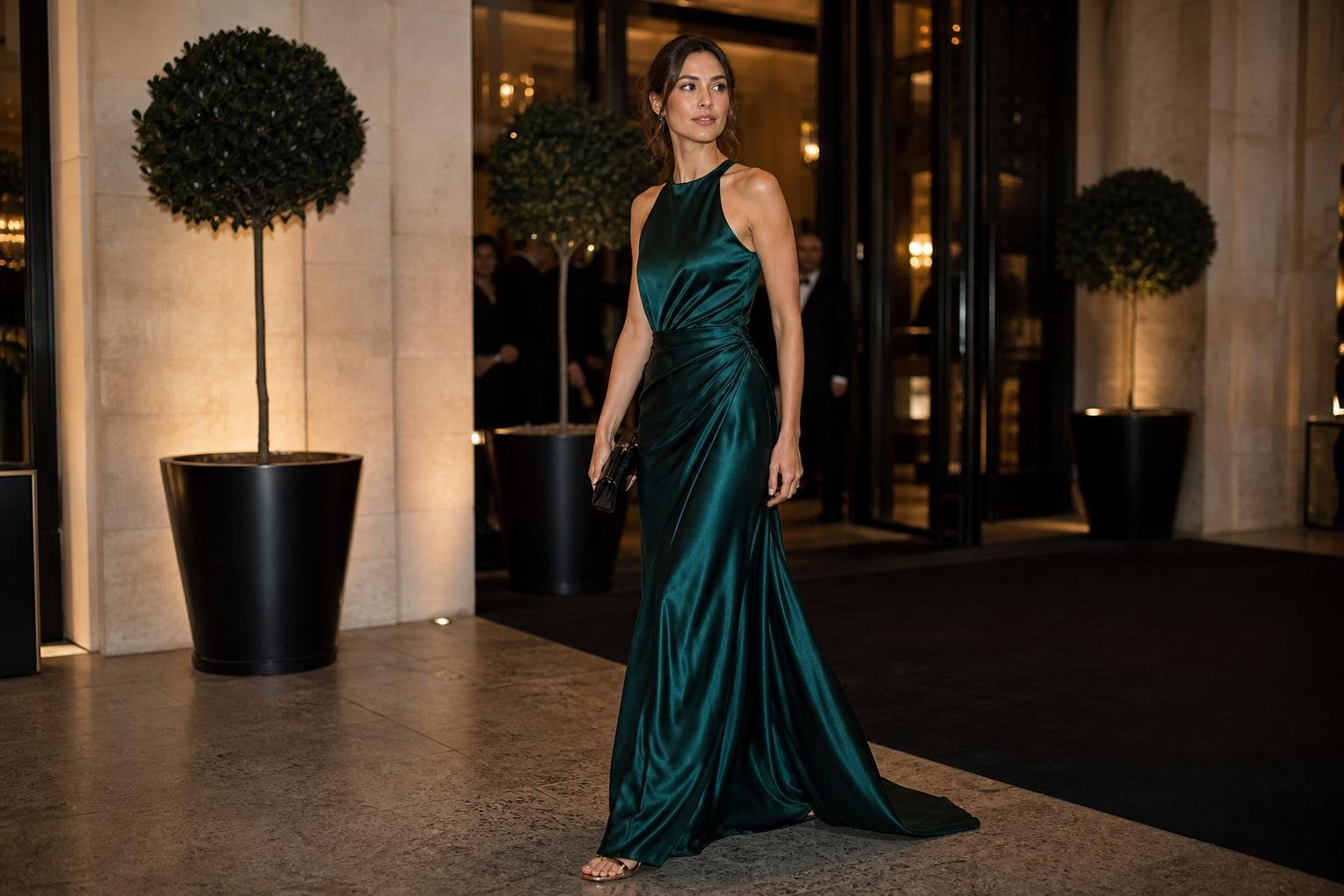
Silhouette is the visual foundation of formal dressing. The right shape should complement your proportions while giving you enough ease to stand comfortably, walk steadily, and sit without constant adjustment. Try on options with the shoes and undergarments you expect to wear, since both can change the line of a garment.
A column gown creates a long, clean effect and works particularly well in substantial jersey, crepe, satin, or velvet. An A-line gown offers movement and definition at the waist without the restriction of a close-fitting skirt. A bias-cut dress softly follows the body, while a tailored suit can feel just as event-ready when it has a precise shoulder, fluid trouser, and confident finish.
If your outfit has a dramatic feature—such as a cape sleeve, full skirt, bold shoulder, or high slit—keep the rest of the look controlled. A clear focal point makes an ensemble memorable; competing focal points can make it feel overworked.
For a full-length dress, aim for a hem that grazes the top of your shoes rather than pooling on the ground. As a general fitting reference, the hem should sit roughly 1/2 inch to 1 inch (1 to 2.5 centimeters) from the floor when you are standing in your event shoes. This helps preserve the gown’s line and reduces the risk of stepping on it.
For trousers, a slight break or clean skim over the shoe usually looks more polished than fabric bunching at the ankle. Wide-leg trousers should be hemmed with the heel height firmly decided in advance.
Formal fabrics have built-in presence. Silk-like satins catch light, velvet adds depth, crepe offers a matte and sculpted finish, and beading or sequins create texture for evening. The key is choosing a material that supports the shape you want rather than fighting it.
A simple dress in a rich fabric often has more impact than an intricate design made in a thin or overly casual material. Conversely, heavily embellished pieces benefit from an uncomplicated cut. Think of texture as part of the styling: a velvet suit paired with glossy pumps already has contrast, while a sequined gown may need little more than a clean clutch and subtle earrings.
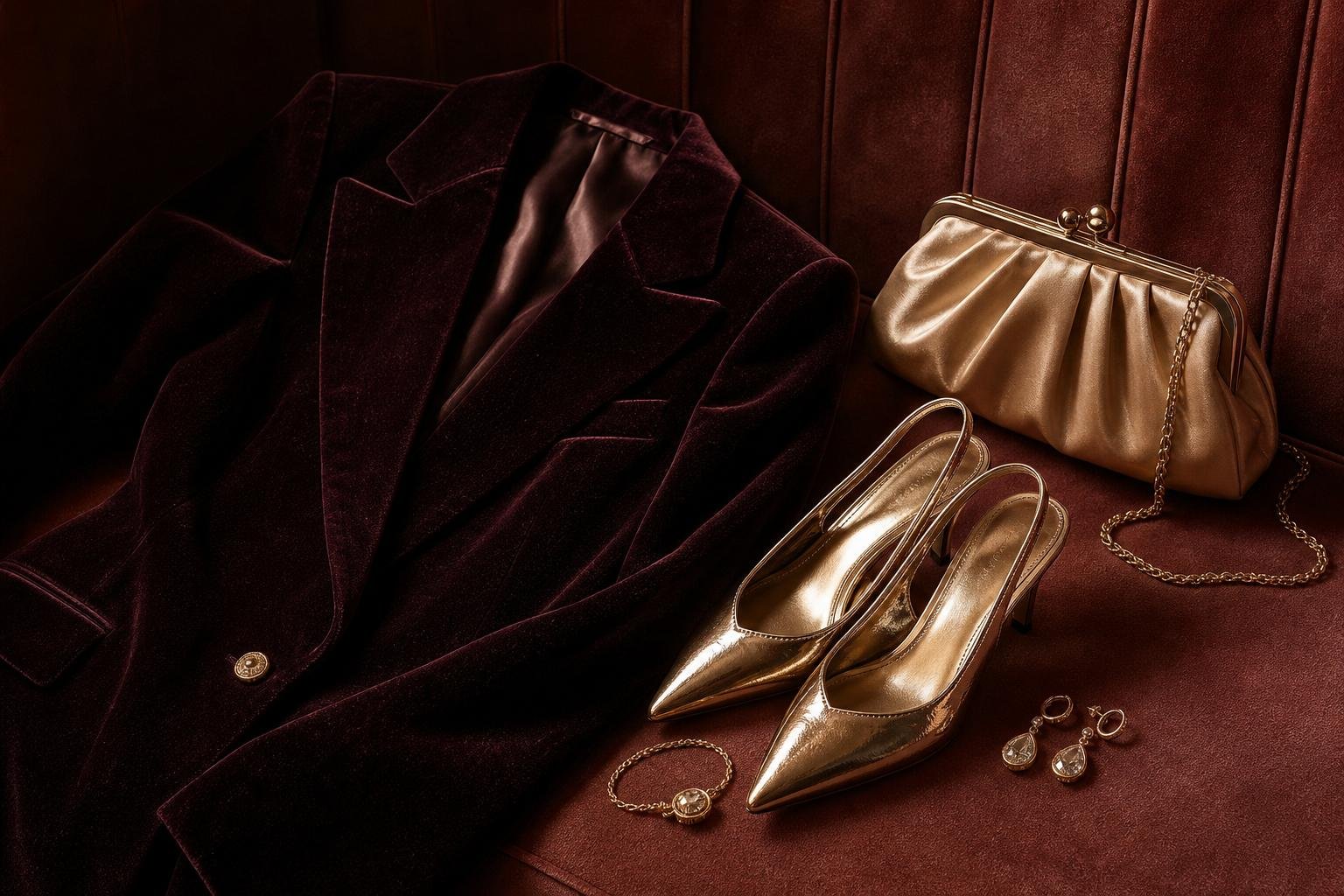
Color also affects how a look reads in evening light. Black, navy, deep green, burgundy, chocolate, and metallic tones are enduring choices, but there is no rule against brighter color. Saturated jewel tones and clear, vivid shades can look striking when the cut is elegant and the accessories do not compete. If you choose a pale or light-reflective shade, pay extra attention to fit and underlayers so the garment maintains a smooth line.
Even the most beautiful formal piece can lose its effect if it does not fit correctly. Tailoring is often the difference between looking dressed up and looking finished. Focus on shoulder placement, bust support, waist definition, sleeve length, trouser hem, and whether a neckline stays in place as you move.
Your undergarments should support the garment rather than become part of the visual story. Test them under bright indoor lighting, especially with light-colored, fitted, or satin fabrics. Seamless options, well-placed shapewear, a supportive bra solution, or a structured bodice can all help, but comfort matters. If you cannot breathe, raise your arms, or sit comfortably, the look will be harder to wear with confidence.
Practice the movements your evening will require. Walk across a room, climb a few stairs, sit down, reach for a bag, and turn from side to side. A red carpet outfit should look composed in photographs, but it also needs to work in real life.
Accessories should sharpen the outfit’s point of view. Start with shoes: they need to suit the garment’s hem, formality, and color story, but they also need to be manageable for the length of the event. A delicate strappy sandal complements a fluid gown, while a pointed pump can bring structure to a suit or midi dress. A refined closed-toe shoe may feel more appropriate in cooler weather or more traditional venues.
Choose a small evening bag that holds only the essentials: phone, cards, keys, lipstick or balm, and any necessary touch-up item. A clutch, minaudière, or compact shoulder bag is usually more elegant than an oversized tote.
For jewelry, use the neckline as your guide. A strapless, off-the-shoulder, or open neckline can carry a necklace or bold earrings. A high neck, embellished bodice, or dramatic sleeve often looks stronger with simple ear jewelry and bare wrists. If one piece is clearly the statement, let it lead.
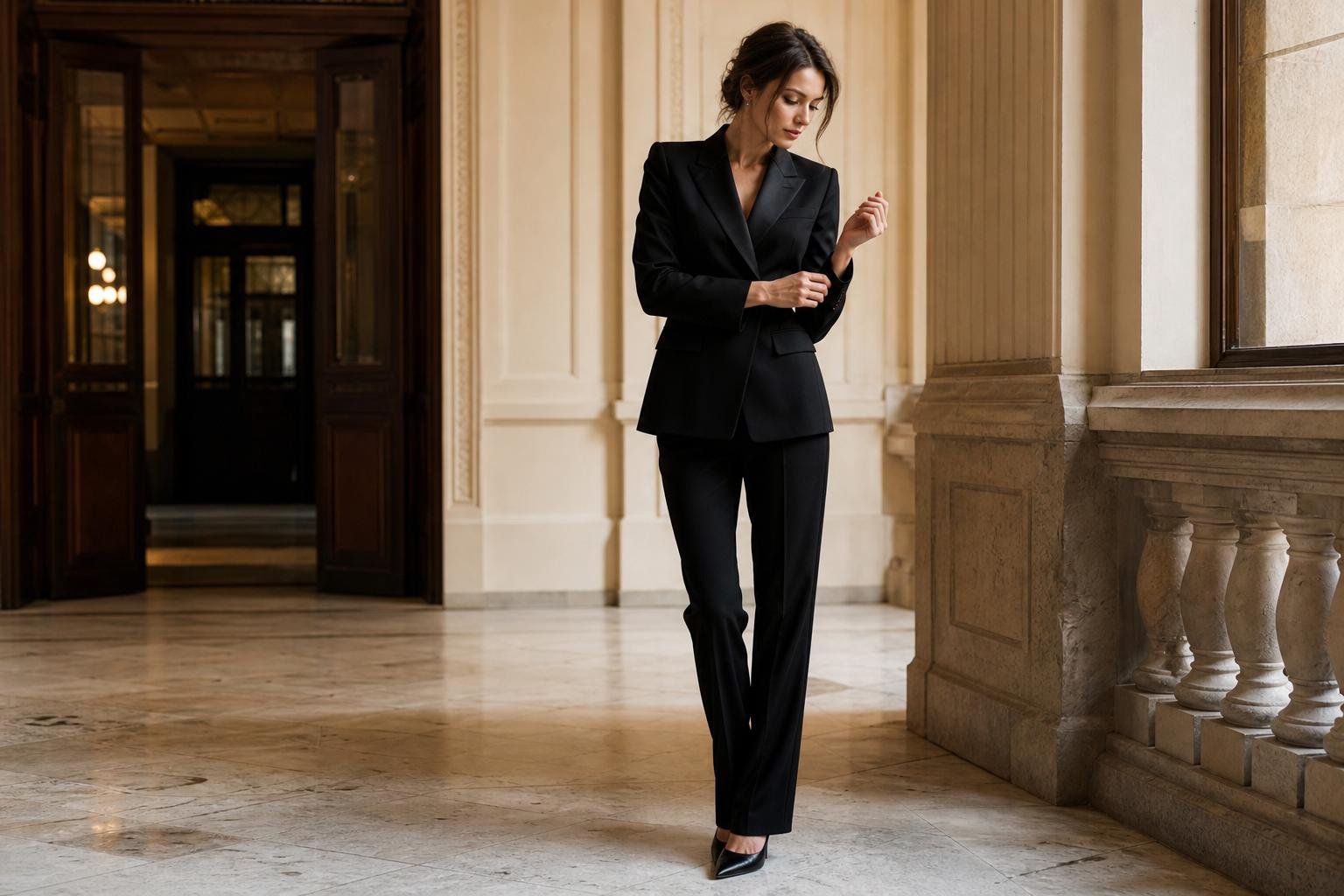
Hair and makeup should echo the outfit rather than duplicate every detail. A sleek updo can highlight a beautiful neckline or shoulder line; soft texture can balance strict tailoring. Similarly, a bold lip, defined eye, or luminous skin can each be effective, but consider choosing one makeup emphasis so the final effect remains clear.
A polished event look benefits from a last five-minute review. Check the garment in a full-length mirror from the front, side, and back. Look for visible tags, loose threads, static, wrinkling, gaps at closures, and straps that need adjustment. Photograph the look in ordinary indoor light if possible, since this can reveal issues that a mirror misses.
Bring a compact backup plan: fashion tape if appropriate for your garment, a few safety pins, blister protection, and a small stain-removal wipe. These are not glamorous details, but they can keep a formal look intact through a long evening.
Most importantly, edit before adding. If you are debating an extra necklace, belt, hair accessory, or embellished layer, take a moment to see whether it improves the outfit’s silhouette. Often, the final element of great occasion styling is restraint.
The strongest formal looks have a point of view without feeling like a costume. Build your outfit around the dress code, choose a silhouette that lets you move with ease, invest attention in tailoring, and let accessories enhance rather than overwhelm. When every piece works together, you can arrive looking polished, comfortable, and fully yourself.