Physical Address
304 North Cardinal St.
Dorchester Center, MA 02124
Physical Address
304 North Cardinal St.
Dorchester Center, MA 02124
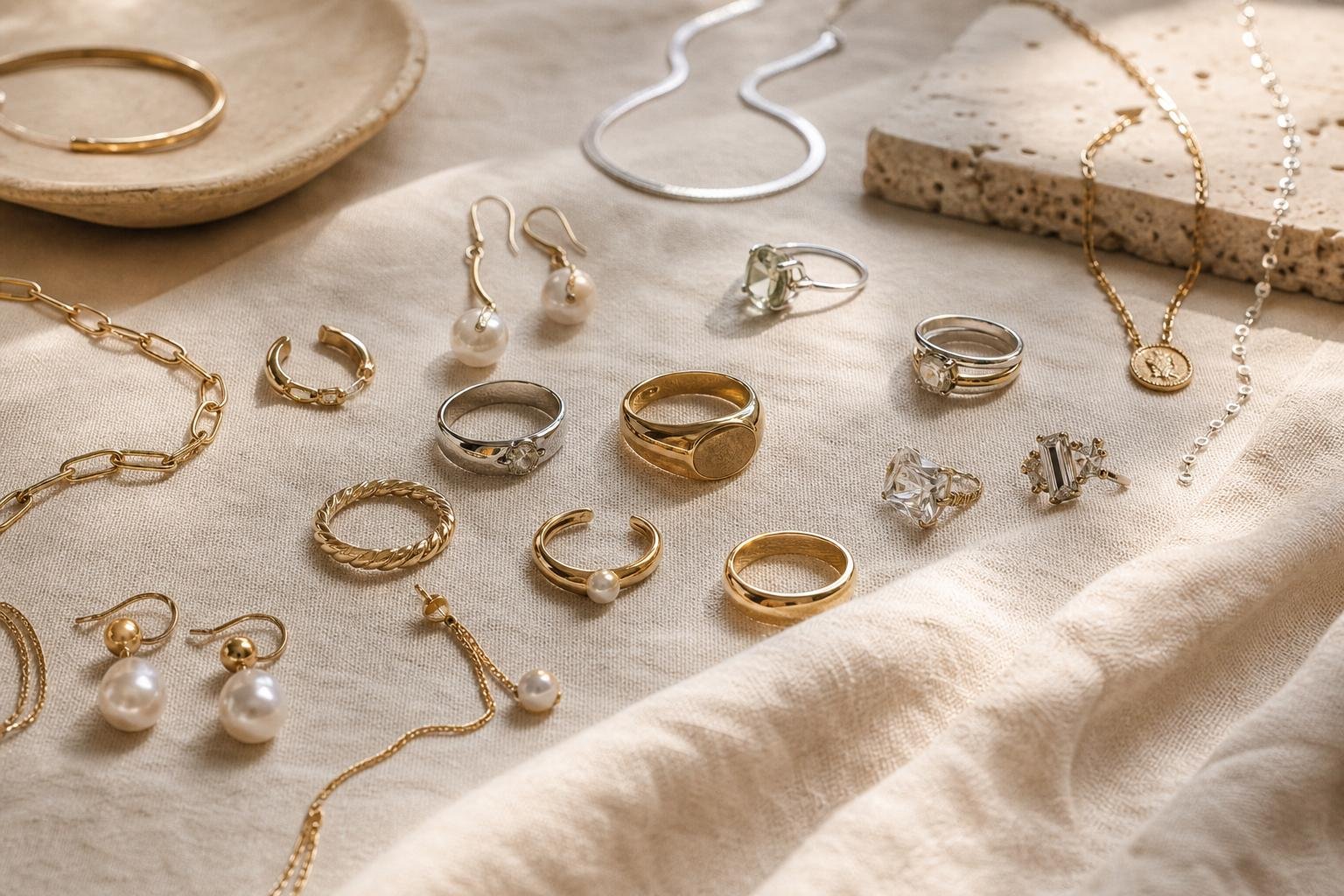
Proper care helps favorite pieces retain their shine, structure, and finish. Learn material-specific cleaning, storage, and wear habits that protect jewelry over time.
Jewelry is often the finishing touch that makes an everyday outfit feel intentional, but it is also exposed to the things that can dull, scratch, loosen, or discolor it. Whether you say jewelry or jewellery, the fundamentals are the same: identify the material, clean it gently, and store it in a way that prevents unnecessary contact and moisture.
A consistent routine matters more than complicated products. Most pieces need little more than careful handling, a soft cloth, and occasional material-appropriate cleaning. The goal is not to make every item look brand-new; it is to preserve its finish and catch problems before they become permanent damage.
Before cleaning a piece, determine what it is made of. Solid gold, sterling silver, gold vermeil, plated metal, pearls, costume jewelry, and gemstones all respond differently to water, friction, and cleaning solutions. A method that is safe for a sturdy gold chain may harm a pearl strand or wear through a plated finish.
Look for hallmarks, purchase documentation, or care instructions when available. If you cannot identify a material, treat the item as delicate. Avoid soaking it, using chemical cleaners, or scrubbing around stones and settings. A soft, dry microfiber cloth is the safest starting point for most unknown pieces.
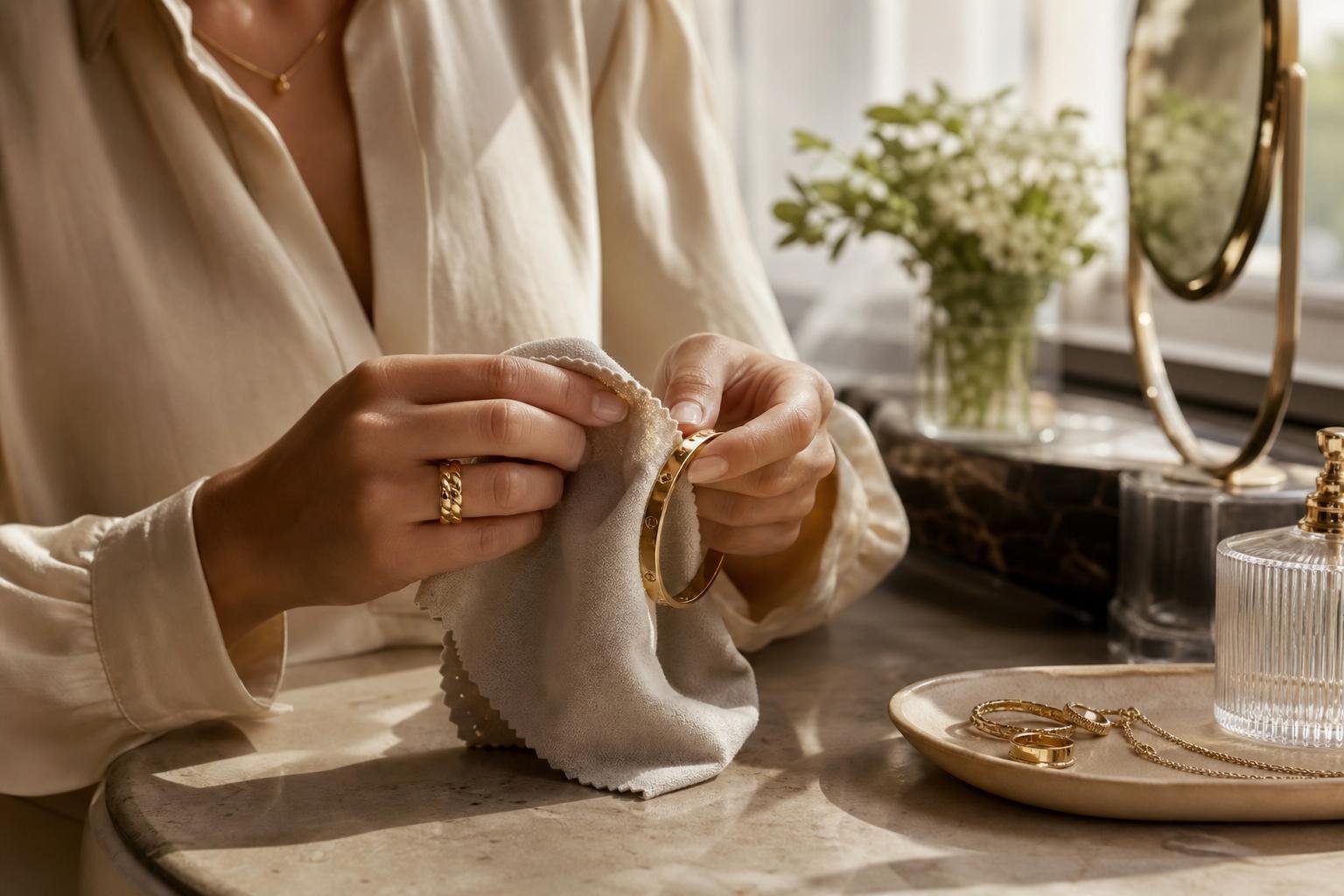
Everyday substances cause much of the wear people attribute to age. Lotion, sunscreen, hairspray, perfume, body oil, sweat, and household cleaners can leave residue on metal and stones. Put accessories on after applying fragrance and beauty products, and remove them before exercise, swimming, showering, washing dishes, or using cleaning products.
For rings, bracelets, and watches worn daily, a quick wipe with a clean, soft cloth after removal helps clear away surface oils. This small habit is especially helpful in warmer weather and for pieces with textured links, engraved details, or stone settings where residue can collect.
Gentle cleaning is usually the right approach. Harsh abrasives, toothpaste, rough paper towels, and aggressive polishing can scratch metal, weaken finishes, and affect delicate stones. When in doubt, use the least intensive method first.
| Material | Best routine | Avoid |
|---|---|---|
| Solid gold | Soft cloth; mild soap and water when needed | Abrasive polishing and chlorine |
| Sterling silver | Silver polishing cloth; dry storage | Rubber, moisture, and harsh scrubbing |
| Gold-plated or vermeil | Dry, soft cloth only | Soaking, ultrasonic cleaners, abrasives |
| Pearls and porous stones | Wipe with a barely damp cloth | Chemicals, soaking, and steam |
| Costume jewelry | Dry cloth and careful spot cleaning | Immersion and alcohol-based cleaners |
Solid gold is durable, but it can still scratch. For occasional deeper cleaning, use a small bowl of lukewarm water with a drop of mild dish soap. Briefly clean smooth pieces with a soft cloth or very soft brush, rinse carefully, and dry completely. Do not use this method if a piece has glued-in stones, pearls, or materials that should not get wet.
Sterling silver naturally tarnishes when it reacts with air and moisture. A silver polishing cloth can restore brightness on plain or lightly detailed pieces. Rub gently and stop once the surface looks refreshed; excessive polishing can gradually remove small amounts of metal. For heavily tarnished, intricate, or antique items, professional assessment is the safer option.
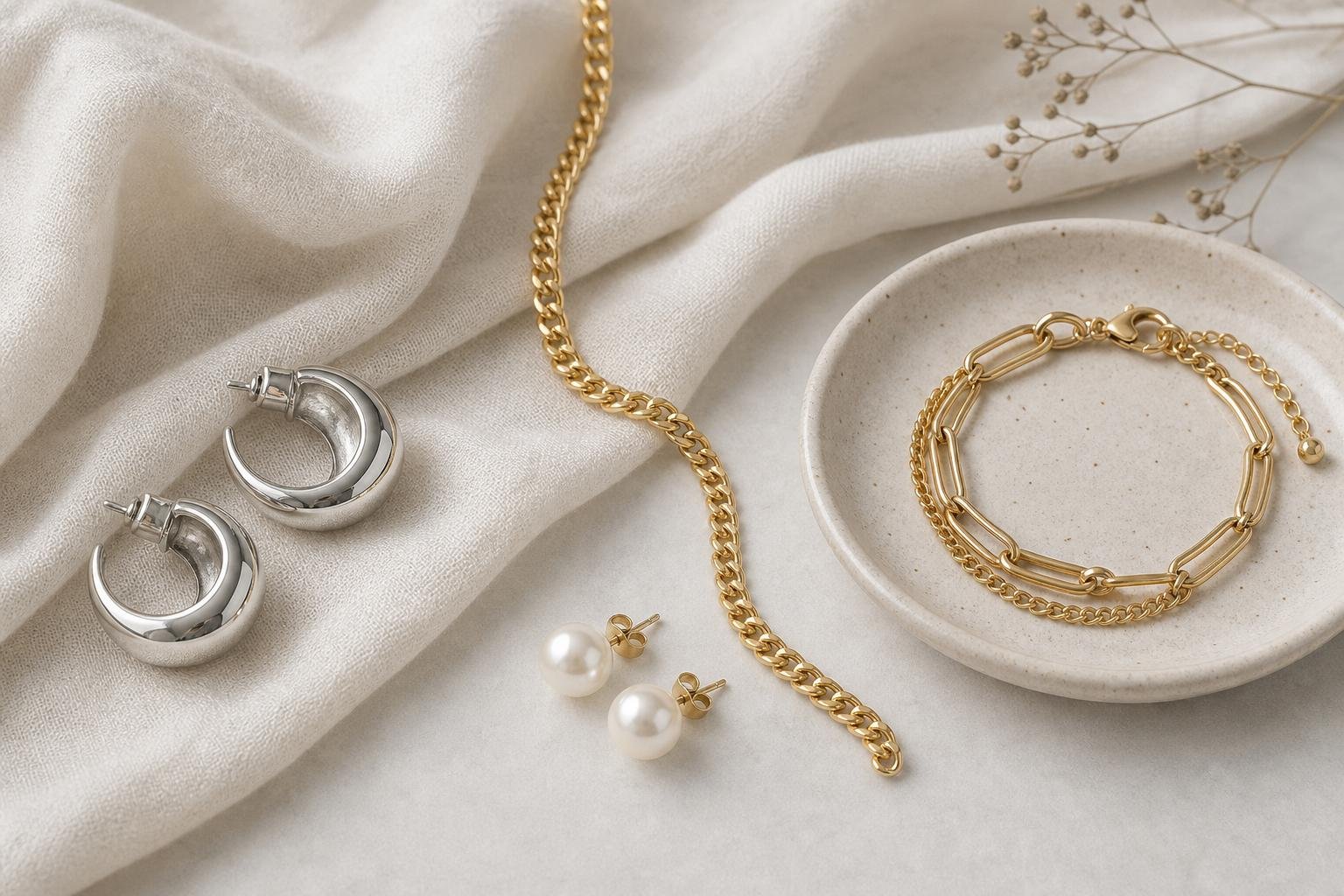
Plated jewelry and vermeil deserve extra restraint. Their exterior layer can wear down through friction and repeated cleaning, revealing the base metal underneath. Wipe these pieces after wear, keep them dry, and avoid polishing compounds unless the maker specifically recommends them. The same caution applies to fashion jewelry, where adhesives, coatings, and mixed materials may not withstand water.
Pearls, opals, coral, turquoise, amber, and other porous or organic materials need especially gentle treatment. Wipe them with a soft cloth after wearing, since perfume and skin oils can affect their surface over time. Never use ultrasonic cleaners, steam cleaners, or strong commercial dips on these materials.
Good storage protects pieces between wears. The main concerns are friction, moisture, sunlight, and tangling. Separate jewelry by type and material whenever possible: chains need room to lie flat or hang individually, while rings and earrings benefit from padded compartments that keep hard surfaces from rubbing together.
A lined jewelry box, compartment tray, or soft pouch works well for most collections. Keep sterling silver in an airtight pouch or container with an anti-tarnish strip when practical. Store jewelry away from the bathroom, where frequent humidity can accelerate tarnish and affect delicate materials.
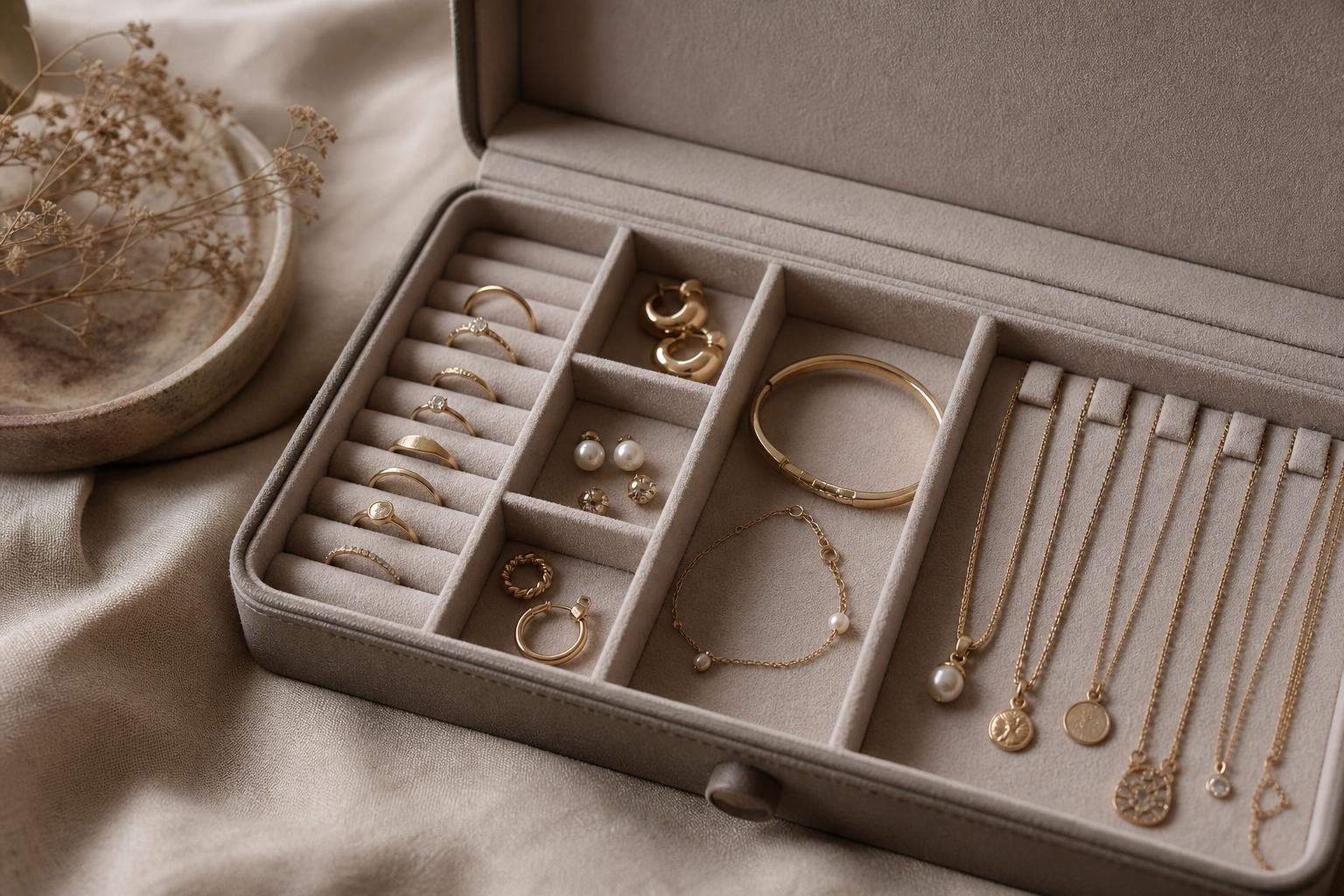
For travel, use a compact case with dedicated sections rather than placing pieces loose in a cosmetic bag. Fasten necklace clasps before packing, thread a delicate chain through a soft fabric loop if needed, and place earrings in paired slots. These steps reduce knots, bent posts, and missing backs.
Never store pieces directly against one another just because they are made of the same metal. Gemstones can scratch metal, and harder stones can damage softer stones. A diamond, for example, can scratch many materials, so it should have its own compartment or pouch.
Regular inspection is part of responsible jewelry care. Hold pieces near a light source and look for loose stones, bent prongs, thinning chain links, rough edges, broken clasps, or missing earring backs. A stone that shifts in its setting, catches on fabric, or makes a faint rattling sound should be inspected by a jeweler before it is worn again.
Do not attempt to tighten prongs or repair a clasp with household tools. Improvised repairs can scratch the piece or put pressure on a stone in the wrong place. Professional cleaning and inspection can be useful for fine jewelry, heirlooms, and pieces worn frequently, particularly rings with pavé details or delicate settings.
The simplest way to protect jewelry or jewellery is to make care part of getting dressed and undressed. Put pieces on last, take them off first, and give them a quick wipe before storage. Reserve delicate accessories for lower-impact occasions, rather than wearing them for workouts, beach days, or household chores.
It also helps to rotate frequently worn items. Giving a chain, ring, or pair of earrings a day off limits constant exposure to skin oils and friction. Rotation can be particularly useful for plated pieces, whose finish generally benefits from less daily contact.
Caring for jewelry or jewellery does not require an elaborate system. Match the cleaning method to the material, keep pieces away from chemicals and excess moisture, store them separately, and address loose settings promptly. Those habits help preserve the details that make an accessory worth wearing again and again.