Physical Address
304 North Cardinal St.
Dorchester Center, MA 02124
Physical Address
304 North Cardinal St.
Dorchester Center, MA 02124
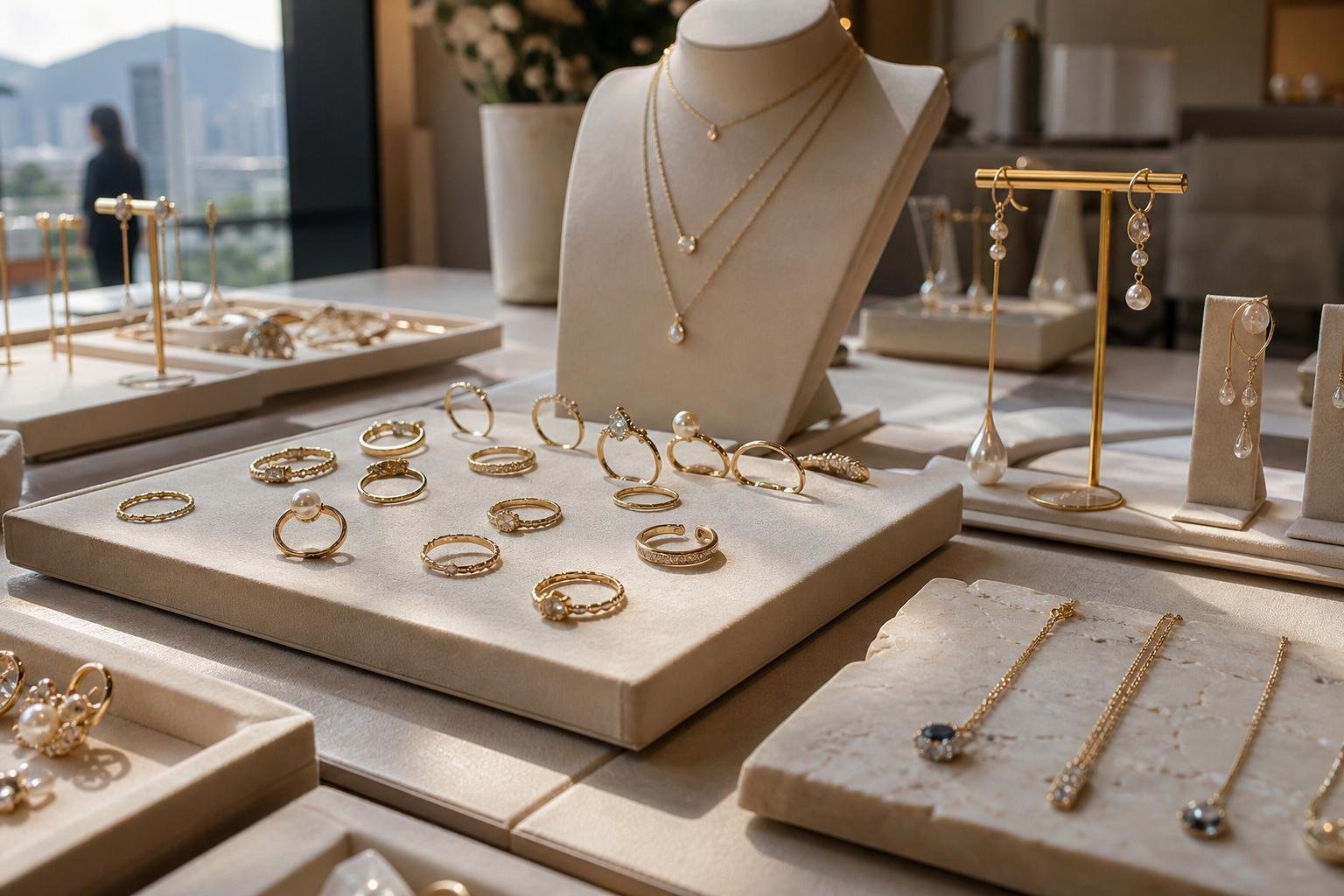
Seoul’s jewelry-shopping streets reward a thoughtful approach. Learn how to navigate the Jongno area, compare pieces, ask smart questions, and shop with confidence.
Seoul is a city where jewelry can feel both deeply traditional and sharply modern: gold chains and gemstone rings sit near sleek silver pieces, minimalist wedding bands, and custom-made designs. The jewelry district seoul shoppers commonly seek is centered around Jongno, an area long associated with jewelry workshops, storefronts, and trade. It is an excellent place to browse, compare, and learn—but it is not a destination for rushed decisions.
Whether you are considering a meaningful souvenir, a fine-jewelry investment, or simply want to see a distinctive side of Seoul retail culture, preparation matters. A little product knowledge and a clear budget will help you distinguish a beautiful piece from one that is merely a persuasive display-window purchase.
Jongno, particularly the streets around Jongno 3-ga, is widely known for its concentration of jewelry businesses. The area is sometimes called Jongno Jewelry Town, though it is better understood as a dense network of individual retailers, makers, repair shops, and businesses serving both retail and trade customers.
The inventory can vary widely by storefront. Some shops focus on gold jewelry and wedding bands, while others specialize in diamonds, colored stones, silver, watch repair, or custom orders. That variety is the main advantage of the neighborhood: shoppers can see multiple approaches to design, materials, and pricing without crossing the city.

Do not assume every display is aimed at the same type of buyer. Some businesses may be oriented toward customers who already understand jewelry specifications or who are shopping for a particular occasion. Approach each store as its own business, ask whether it sells directly to individual customers, and clarify whether the displayed piece is available for purchase, made to order, or a sample style.
Treat the area as a comparison-shopping destination rather than a single store stop. Begin by walking a few blocks without committing to a purchase. Notice which stores carry the categories you want, whether that is a simple gold pendant, an engagement ring, a pair of pearl earrings, or a custom name necklace.
Digital maps can help you locate the broader Jongno jewelry cluster and nearby transit, but a street-level walk is essential. Jewelry storefronts can be compact, and the most relevant inventory may not be visible from outside. Build in time to step into several shops, ask to see comparable options, and take notes on specifications.
For a less formal accessory browse, other Seoul shopping neighborhoods and markets may offer fashion jewelry, hair accessories, and lower-cost pieces. These are not interchangeable with Jongno’s fine-jewelry concentration. Decide first whether you are shopping for precious metals and stones, a custom item, or a trend-driven accessory; your destination and questions should follow.
A compact list keeps browsing focused and makes comparisons much easier. Include:
For rings, bring an existing ring that fits the intended finger if possible, or have your size measured at the first shop. A ring’s fit can change with band width, so treat a size as a starting point rather than an absolute answer.
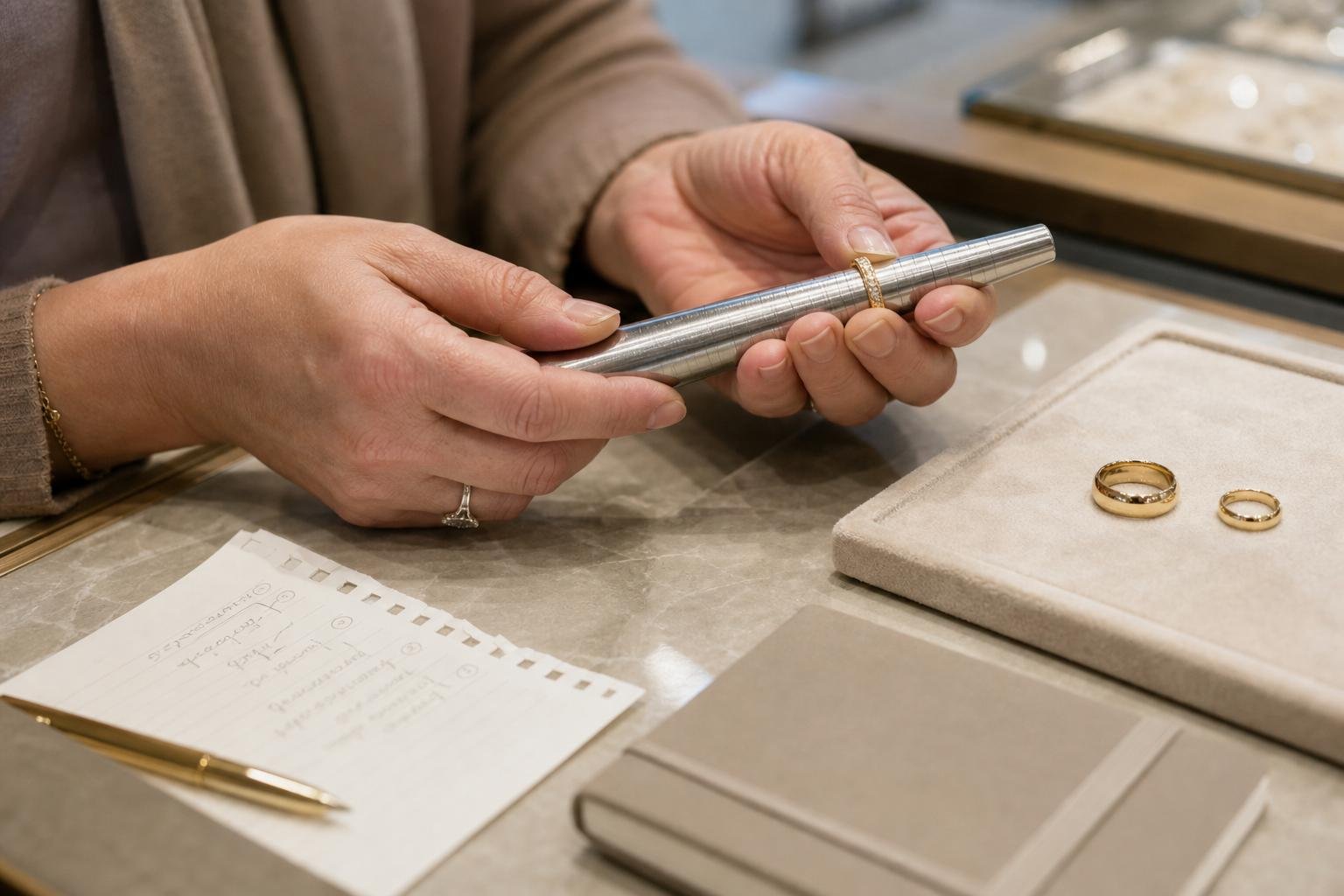
A price is meaningful only when you know what is included. Two rings that appear similar can differ substantially in metal purity, total weight, stone quality, construction, and finishing. Ask the seller to explain the details in writing where possible.
Start with the metal. Look for a karat or purity mark, and ask what the mark indicates. If an item is plated, vermeil, filled, or solid metal, that distinction should be clear before you compare it with another piece. For gold jewelry, weight can also affect value, especially when designs are otherwise simple.
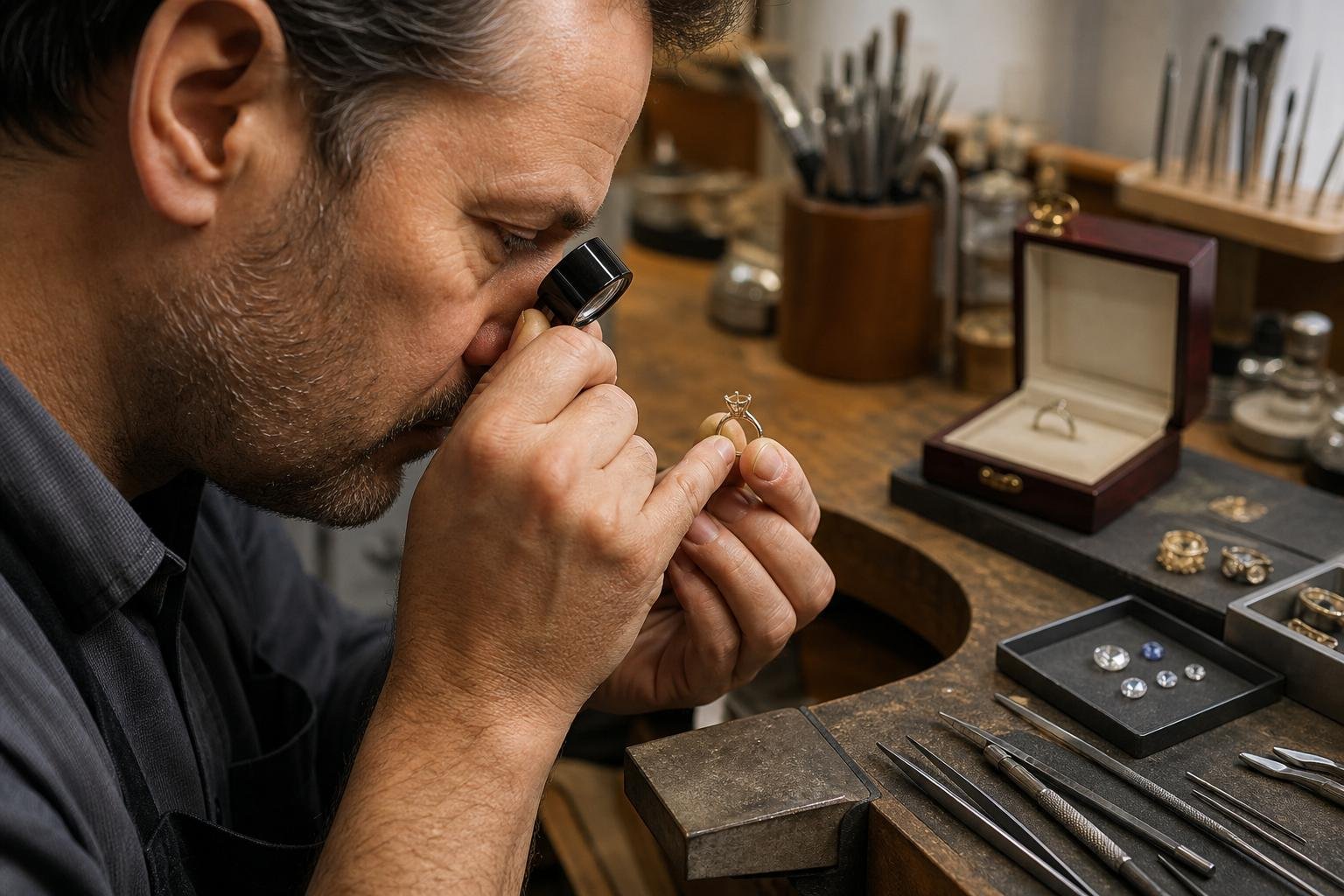
For gemstones, ask what stone you are seeing and whether it has been treated, enhanced, or created in a laboratory. These are not automatically negative qualities; they simply affect what you are buying and how it should be valued. For a significant diamond or colored-stone purchase, ask whether there is a grading report, a certificate, or another form of documentation.
Examine a piece away from the brightest case lighting when you can. Check that clasps close securely, earring backs feel substantial, chain links move smoothly, and prongs sit evenly around set stones. On rings, inspect the underside of the band and the setting from the side, where thickness and workmanship are easier to judge.
A delicate-looking piece is not necessarily poorly made, but it should suit its intended use. An everyday ring needs different durability from a pair of occasion earrings. Let the seller know how you plan to wear it so you can discuss practical concerns, including snagging, cleaning, resizing, and repairs.
You do not need technical vocabulary to be a careful shopper. Direct questions make the conversation more efficient and show that you are comparing like with like.
Ask for the final price, not only the displayed figure. Confirm whether the price includes tax, sizing, engraving, stone setting, or other services. If the item is custom or altered, ask what changes are possible and whether any part of the transaction becomes final once work begins.
For a substantial purchase, request a detailed receipt that identifies the seller, date, item description, metal purity, stone details, and amount paid. Keep any certificates, valuation papers, and care instructions with that receipt. These records are useful for future servicing, insurance discussions, or simply remembering what you purchased.
Language differences do not have to stop you from getting clear information. Use a translation app for specific terms, write down essential questions in advance, and ask the seller to type key specifications and figures. Visual references are especially helpful for discussing proportions, chain styles, stone shapes, and setting details.
Custom jewelry Seoul shoppers encounter can range from a straightforward adjustment to a fully designed piece. It is often most practical when you have a specific fit issue, want to reset an existing stone, or cannot find a ready-made design that matches your preferences.
Before agreeing to a custom order, make sure you understand the design, materials, estimated completion process, payment terms, and what happens if a change is needed. Review the details carefully before any work begins. A sketch, reference photo, or written description can prevent confusion over stone size, band width, engraving, and finish.
If your trip is short, avoid assuming that a custom item will be ready immediately. A ready-made piece with a simple adjustment may be more realistic than a complex made-to-order design. Keep your travel schedule in mind, especially if you need to return for a fitting or final inspection.
Wear clothing that makes trying on jewelry easy. A simple neckline is useful when comparing necklaces, and sleeves that can be pushed back help with bracelets and watches. Avoid judging every piece against a busy outfit; jewelry is easier to assess when it has visual room to stand out.
Take photos only if the shop permits it, and record the details that matter: metal, stone information, size, price, and whether the item is ready to take home. If you like something, it is reasonable to pause and compare it with other options. Fine jewelry should hold up to a second look.
No. While wedding bands and diamond rings are common categories, shops may also carry gold necklaces, earrings, bracelets, charms, pearls, silver, repairs, and custom work. Selection differs significantly by store.
Yes, but clear communication is important for fine jewelry. Use translation tools, ask for written specifications, and confirm the final price and item details before paying.
Shopping practices vary by store and item. Rather than assuming a discount, ask politely whether there is flexibility on the price or whether services such as sizing are included. Focus on understanding the complete offer first.
Keep the receipt, any certificates or grading documents, and written care information. These records can be useful if you need repairs, resizing, appraisal, or insurance documentation later.
The jewelry district seoul visitors explore is most rewarding when approached with patience and a clear point of view. Browse broadly, compare specifications rather than appearances alone, and document the details of any meaningful purchase. With that approach, Jongno can offer a memorable window into Seoul’s fine-jewelry culture—and a piece you will feel good about wearing long after the trip.