Physical Address
304 North Cardinal St.
Dorchester Center, MA 02124
Physical Address
304 North Cardinal St.
Dorchester Center, MA 02124
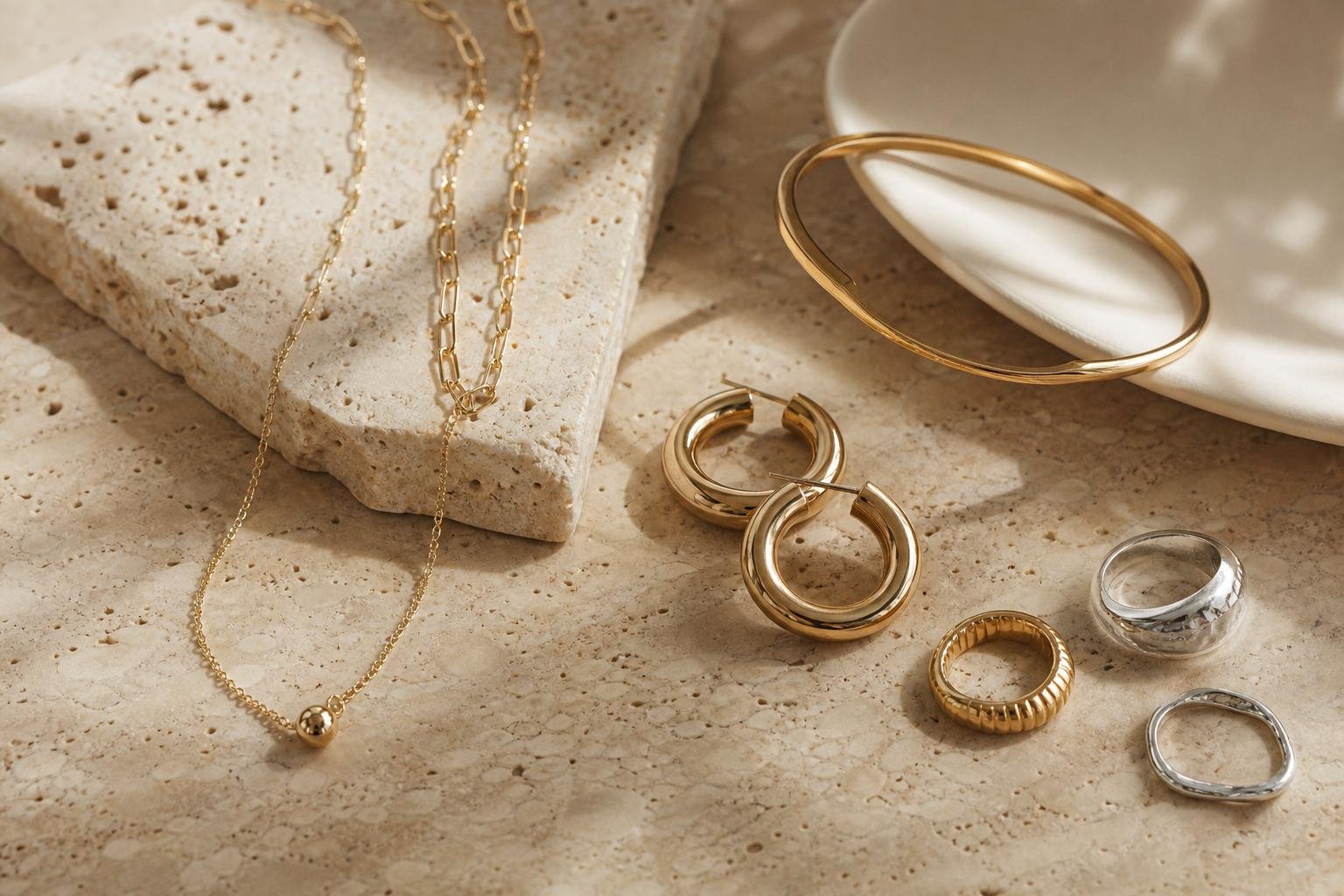
A practical guide to choosing jewelry that suits your style, budget, and expectations for longevity. Learn which brand categories make sense for everyday staples, distinctive designs, and heirloom-minded purchases.
Jewelry is often the most personal part of a wardrobe: a small signet ring worn every day, a pendant received for a milestone, or sculptural earrings that make a simple outfit feel intentional. The right jewelry brands do more than offer a recognizable look. They communicate their materials clearly, make pieces proportioned for real wear, and provide enough design distinction to earn a place in your rotation.
The smartest way to shop is to begin with the role a piece will play. A thin gold chain for daily use requires different priorities than a diamond tennis bracelet or a statement ring meant to become an heirloom. Consider material, construction, service, and the way the design fits your own style before deciding whether a piece is worth its price.
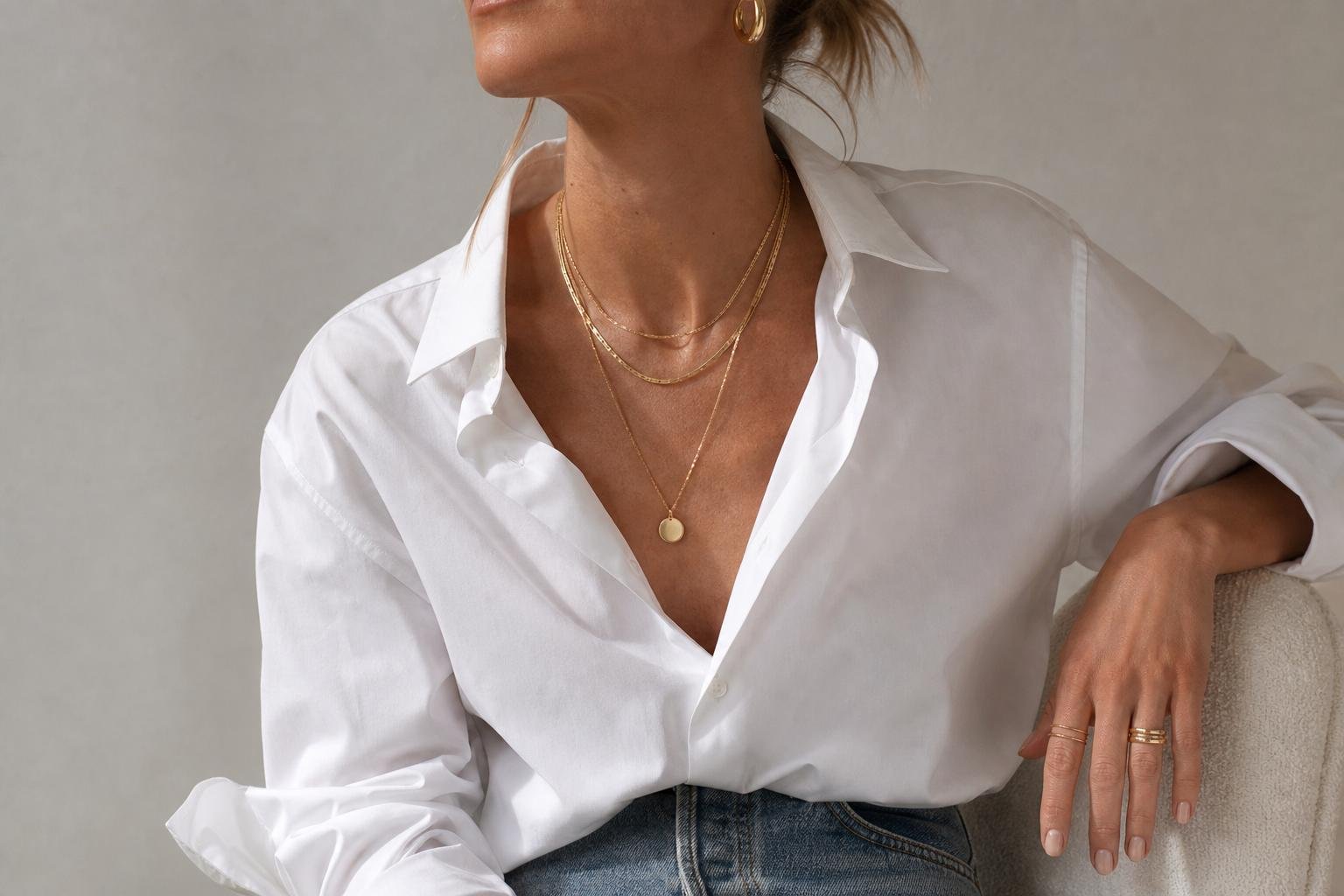
Start with the metal. Solid gold is durable and suitable for frequent wear, though karat affects both color and hardness. Fourteen-karat gold is a common balance of gold content and everyday resilience, while 18-karat gold has a richer gold content but can be softer. Sterling silver is versatile and often more accessible, but it can tarnish and benefits from regular care.
Gold vermeil, gold-filled, and plated jewelry are separate categories, not interchangeable descriptions. Vermeil uses a layer of gold over sterling silver; gold-filled pieces have a mechanically bonded layer of gold over a base metal; plated jewelry usually has a thinner surface layer. Each can be appropriate, but a brand should state what is beneath the finish and how to care for it.
When comparing jewelry brands, look beyond the front-facing design. Inspect the clasp on a chain, the thickness of a hoop’s post, the security of a stone setting, and whether a ring’s band seems substantial enough for its intended use. These details shape comfort, longevity, and the likelihood that a piece will remain wearable after years of use.
A useful brand guide should also account for style. Some labels excel at refined basics, while others are valued for recognizable motifs, artisanal techniques, colored stones, or architectural silhouettes. Buying within the right category is more useful than treating every jeweler as a direct alternative to every other one.
For foundational jewelry, seek clean proportions and materials that work with your routines. Brands such as Mejuri and Catbird have helped define the modern market for delicate gold essentials, including small hoops, slim rings, subtle studs, and layering chains. Their appeal lies in pieces that can be worn alone or combined without looking overly coordinated.
Monica Vinader is another useful reference point for customizable, gift-friendly jewelry and approachable color. Its pieces often suit shoppers looking for initial pendants, engravable designs, or gemstone-accented styles that feel personal without requiring a formal-occasion wardrobe.
For men’s and unisex-leaning everyday designs, Miansai is known for pared-back chains, cuffs, and signet-inspired forms. The best choice depends less on gendered marketing than on scale: check chain width, bracelet length, ring profile, and closure type before buying.
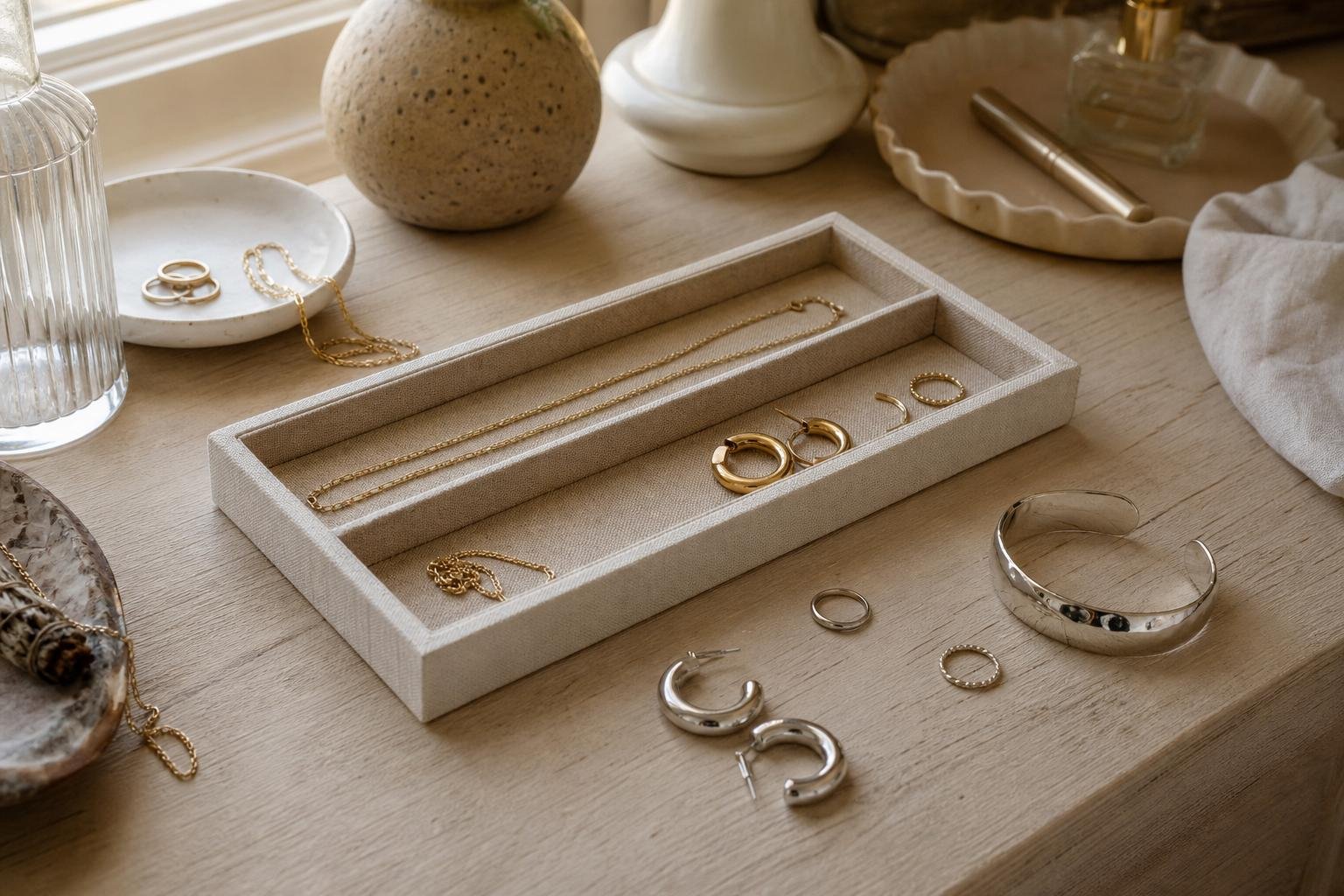
If you are building a jewelry wardrobe from scratch, prioritize versatile pieces that layer easily and require little thought in the morning:
Choose one metal family first if you want a cohesive collection, but do not feel obligated to avoid mixing metals. A silver watch with gold rings, for example, can look deliberate when the proportions are balanced.
Once the essentials are covered, distinctive jewelry can bring character to a pared-back wardrobe. Brands such as Spinelli Kilcollin are associated with linked-ring constructions and a sculptural approach to stacking. Their designs suit shoppers who see jewelry as part of an outfit’s architecture rather than as a quiet finishing touch.
Foundrae takes a more symbolic approach, using medallions, initials, charms, and recurring iconography to create pieces with a collected feeling. This category works well when you want jewelry to carry a personal narrative, whether through engraving, birthstones, or motifs that mark an occasion.
David Yurman offers another recognizable design language, particularly for cable-textured metalwork and mixed-material pieces. Consider these signature-driven brands when you want a single item to be visually identifiable, but make sure the motif feels like something you will continue to wear beyond a passing trend.
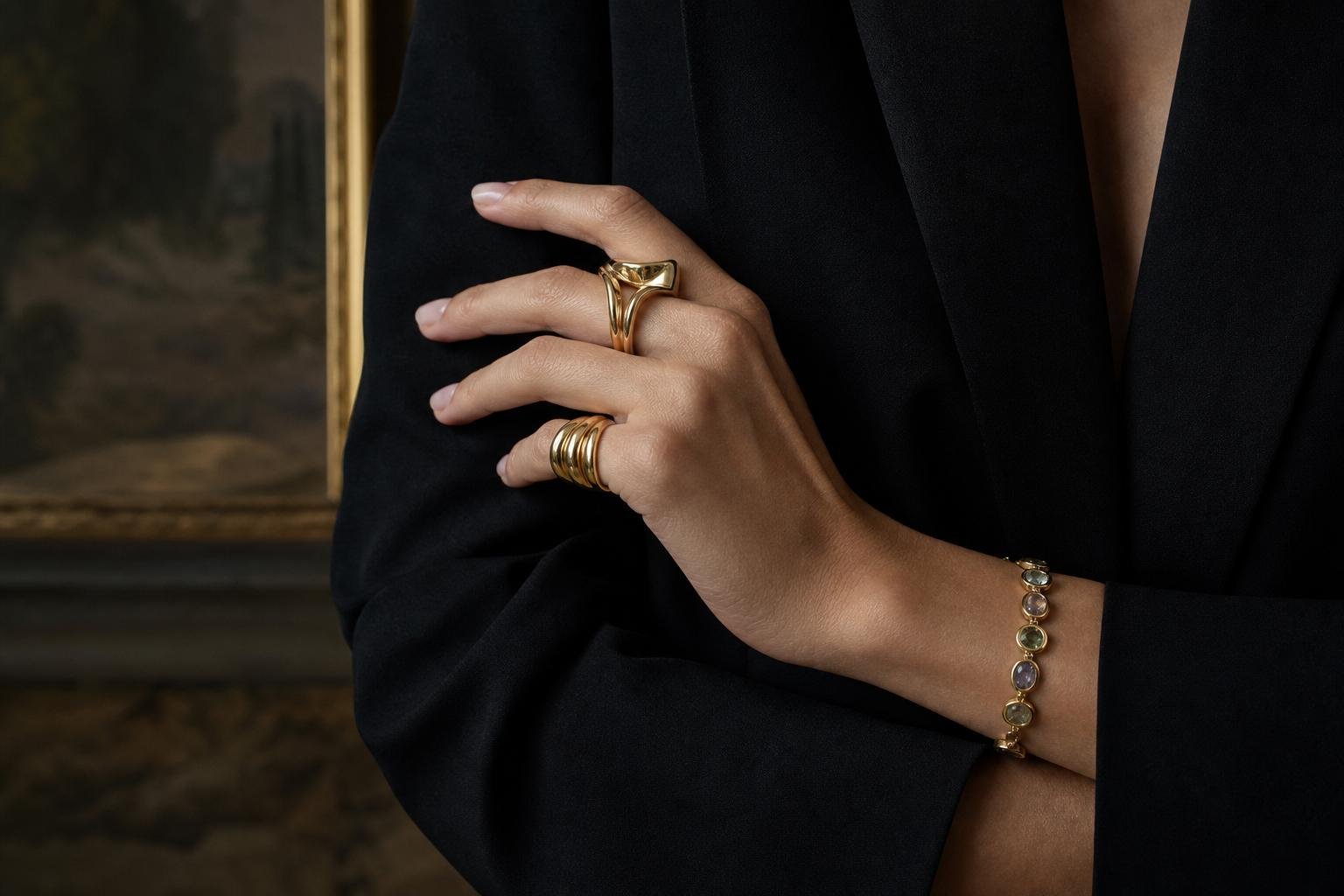
For diamond jewelry, substantial gold pieces, or designs intended to be passed down, heritage houses can be worth considering alongside independent fine jewelers. Cartier, Tiffany & Co., Van Cleef & Arpels, and Boucheron are among the names associated with long-established jewelry traditions and recognizable collections.
A recognizable name alone does not make a purchase an investment. Resale value can vary based on condition, materials, provenance, market demand, and the specific design. Buy expensive jewelry because you value its craftsmanship, symbolism, and long-term wearability—not because future financial returns are guaranteed.
For a major purchase, ask direct questions about the stone and setting. For diamonds, documentation may address grading characteristics such as cut, color, clarity, and carat weight. For colored stones, ask whether the stone has received treatments and request any available documentation. A reputable seller should be able to explain the metal, gemstone, and aftercare information in plain language.
| Consideration | What to check | Why it matters |
|---|---|---|
| Metal | Karat, weight, hallmark | Affects wear and value |
| Stones | Documentation and treatments | Clarifies what you are buying |
| Construction | Prongs, hinges, clasps | Supports long-term wear |
| Service | Repairs, resizing, cleaning | Helps protect the purchase |
Even durable pieces need thoughtful care. Remove jewelry before swimming, exercising, applying fragrance, or using household cleaning products. Store individual pieces separately when possible to limit scratches and tangles, especially for softer metals and gemstone jewelry.
Clean solid gold and diamond pieces gently with a soft brush, mild soap, and water unless the seller advises otherwise. Porous or delicate stones, pearls, enamel, and plated pieces can require different methods. When in doubt, follow the brand’s care instructions rather than using a universal cleaning solution.
The strongest jewelry brands make shopping easier by being specific about composition and care, but your habits ultimately determine how well a piece ages. A beautiful everyday ring is more useful when it fits comfortably, tolerates your routine, and still feels like you after years of wear.
The best jewelry collection is not built by chasing every recognizable name. Begin with reliable essentials, add a few design-forward pieces that express your style, and reserve larger purchases for materials and workmanship you genuinely value. With a clear understanding of metal, construction, and service, jewelry brands become easier to compare—and far easier to wear with confidence.