Physical Address
304 North Cardinal St.
Dorchester Center, MA 02124
Physical Address
304 North Cardinal St.
Dorchester Center, MA 02124
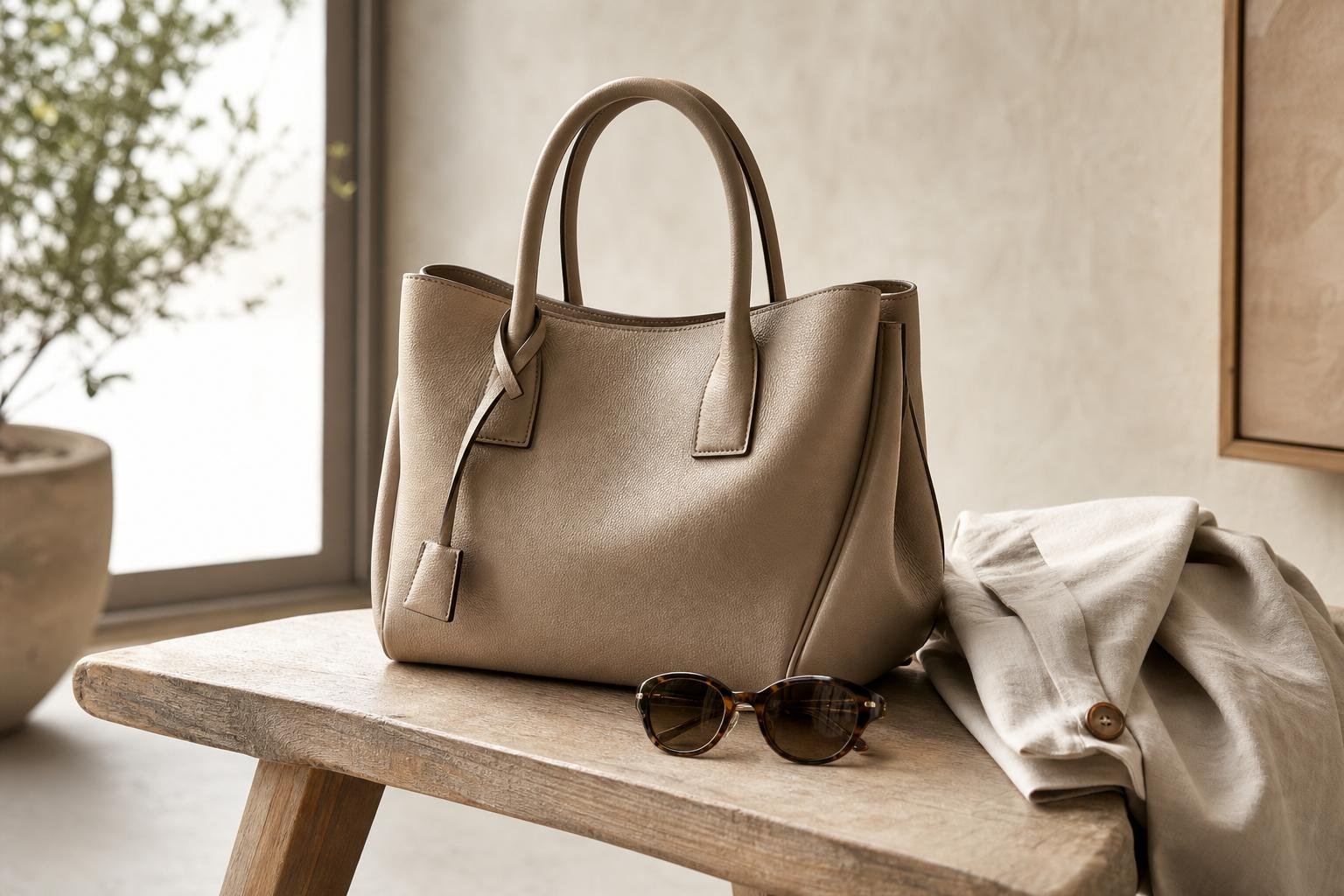
A sale price is only a good deal when the bag suits your routine, wardrobe, and standards for quality. Use this guide to shop thoughtfully, assess value, and avoid common markdown mistakes.
A marked-down bag can be an excellent wardrobe addition, but a low price alone does not make it a smart purchase. The most useful handbags on sale are the ones that meet a real need, work with what you wear, and are made well enough to earn repeat use.
Shopping with a few clear standards helps separate a genuinely worthwhile find from a bag that looked appealing only because of the discount. Start with purpose, then assess proportion, materials, construction, and purchase terms before committing.
Before browsing, decide what you need the bag to do. A structured tote for commuting has different requirements than a compact shoulder bag for dinners, errands, or travel. Defining the role narrows the field quickly and prevents duplicate purchases.
Think about the items you carry on a typical day. A phone, cardholder, keys, sunglasses, and lip product may fit comfortably in a small bag, while a notebook, water bottle, and charger require a roomier shape. If you use a laptop, check both the bag’s stated dimensions and the opening width; a bag can look spacious while still being difficult to load.
Also consider how you prefer to carry a bag. Top handles feel polished but can become inconvenient on a busy day. A shoulder strap may be easier for daily wear, while a crossbody strap offers hands-free practicality. Adjustable or removable straps add flexibility, especially if you want one bag to serve several occasions.

When looking through handbags on sale, compare the item to your existing wardrobe rather than imagining an entirely new one around it. A bag should fit naturally into the clothes, shoes, and outerwear you already reach for.
Use these questions as a quick shopping filter:
A versatile bag does not need to be plain. Texture, hardware, color, and shape can make an accessory feel distinctive. The key is choosing a detail that complements your wardrobe instead of competing with it. If most of your clothing is neutral and streamlined, a richly colored bag may add interest. If your wardrobe already includes prints and bold accessories, a clean, understated style may offer more mileage.
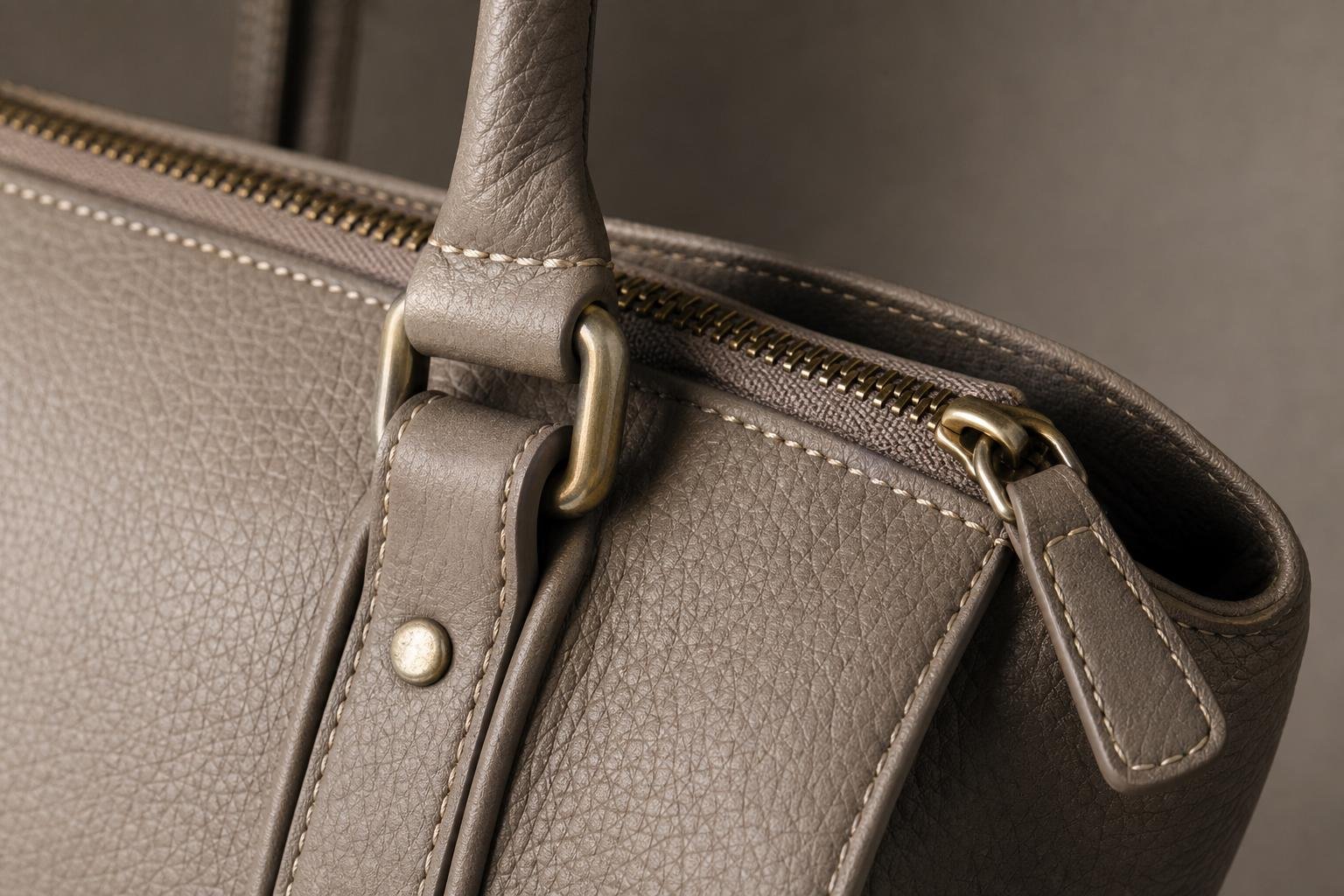
Materials have a major effect on how a bag looks, wears, and ages. Leather can develop character over time, but its durability varies by finish, thickness, and construction. Smooth leather often feels refined but may show scratches more readily. Pebbled leather can be more forgiving for regular use. Suede has softness and depth but generally needs more care around moisture and color transfer.
For fabric, canvas, nylon, and coated materials, inspect the stitching, trim, lining, and stress points. A lightweight bag can be practical, but it should still feel appropriately reinforced at the handles, strap attachments, and base.
Pay attention to these construction details:
The inside matters as much as the exterior. Consider whether the pocket layout is actually useful for your routine. A single roomy compartment may be ideal for a simple carry, while a zip pocket and small slip pockets can make daily essentials easier to find. Too many internal sections can sometimes reduce usable space.
Dimensions are especially important when buying online. Use a ruler or tape measure to map out the listed width, height, and depth at home. Measurements in inches, with centimeters in parentheses when provided, make it easier to picture a bag than product images alone.
For a shoulder or crossbody bag, check the strap drop and maximum strap length. A short strap can sit awkwardly over a bulky coat, while an overly long strap may place the bag too low for comfort. For totes, consider handle drop: enough room to fit over your shoulder can make a noticeable difference in everyday usability.
Weight is another often-overlooked factor. Hardware, dense leather, chains, and reinforced bases can make an empty bag feel substantial. That may be desirable for a special-occasion piece, but it can become tiring when the bag is filled with daily essentials. A practical work bag should feel manageable before anything is inside.
Proportion matters, too. An oversized bag can overwhelm a more petite frame or feel cumbersome in crowded settings, while a very small bag may not suit someone who needs to carry more than the basics. The right choice is less about a universal ideal and more about how the bag balances with your usual clothing and lifestyle.
A discount can come with different purchase conditions, so read the listing carefully before checking out. Final-sale merchandise may not be returnable, and exchanges may be limited or unavailable. That does not automatically make it a poor choice, but it means your pre-purchase review should be more thorough.
Check whether the item is described as new, pre-owned, sample, outlet, or imperfect. Each category can have different expectations around packaging, condition, and hardware. For pre-owned bags, study the condition description and photos for wear at corners, handles, lining, closures, and strap edges.
It is also worth reviewing the retailer’s shipping and return rules, including whether return shipping is deducted from a refund. If a bag is intended as a gift, confirm timing and gift-return policies before purchasing. A deal becomes less appealing if the terms leave little room to correct a sizing, color, or condition mismatch.
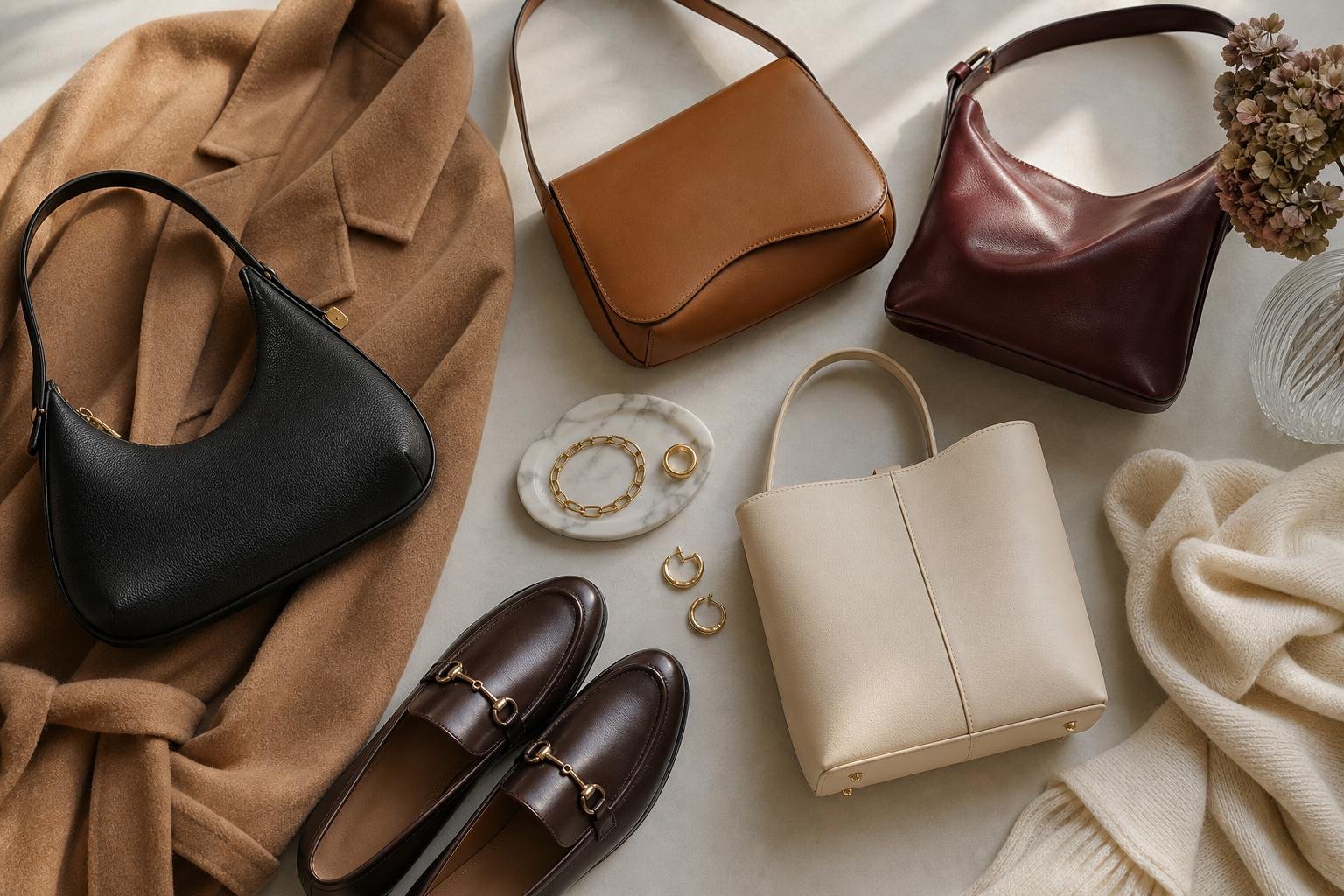
Neutral shades such as black, brown, tan, navy, cream, and gray tend to coordinate easily, but they are not the only practical options. Deep burgundy, olive, muted blue, and soft metallic finishes can also function like neutrals depending on your wardrobe.
Consider the hardware finish alongside the color. Gold-toned hardware can read warm and classic, while silver-toned hardware often feels cooler and more streamlined. Neither is inherently more versatile; the better option is the one that aligns with the jewelry and other accessories you wear most often.
If you are tempted by a statement color, imagine it with your outerwear. Since a handbag is often most visible against a coat or jacket, the combination should feel intentional. A bag that works with your most-worn layers is more likely to make it out of the closet.
The biggest mistake when buying handbags on sale is treating the original price as proof of value. A high starting price does not guarantee quality, versatility, or suitability. Focus instead on the final price in relation to the bag’s materials, construction, condition, and likely frequency of use.
Another common issue is buying a bag that overlaps too closely with one you already own. Before purchasing, take stock of your collection. If you already have several small black shoulder bags, a new one should offer a meaningful difference in function, texture, or occasion.
Finally, avoid holding onto an item simply because returning it feels inconvenient. If the bag is uncomfortable, impractical, or difficult to style once it arrives, it is unlikely to become more useful with time.
The best handbags on sale are not necessarily the steepest markdowns. They are the bags that fit your daily needs, coordinate with your wardrobe, and hold up to the way you plan to use them. Shop with a defined purpose, inspect the details, and treat return terms as part of the purchase decision. That approach makes it easier to recognize a lasting addition when you find one.