Physical Address
304 North Cardinal St.
Dorchester Center, MA 02124
Physical Address
304 North Cardinal St.
Dorchester Center, MA 02124
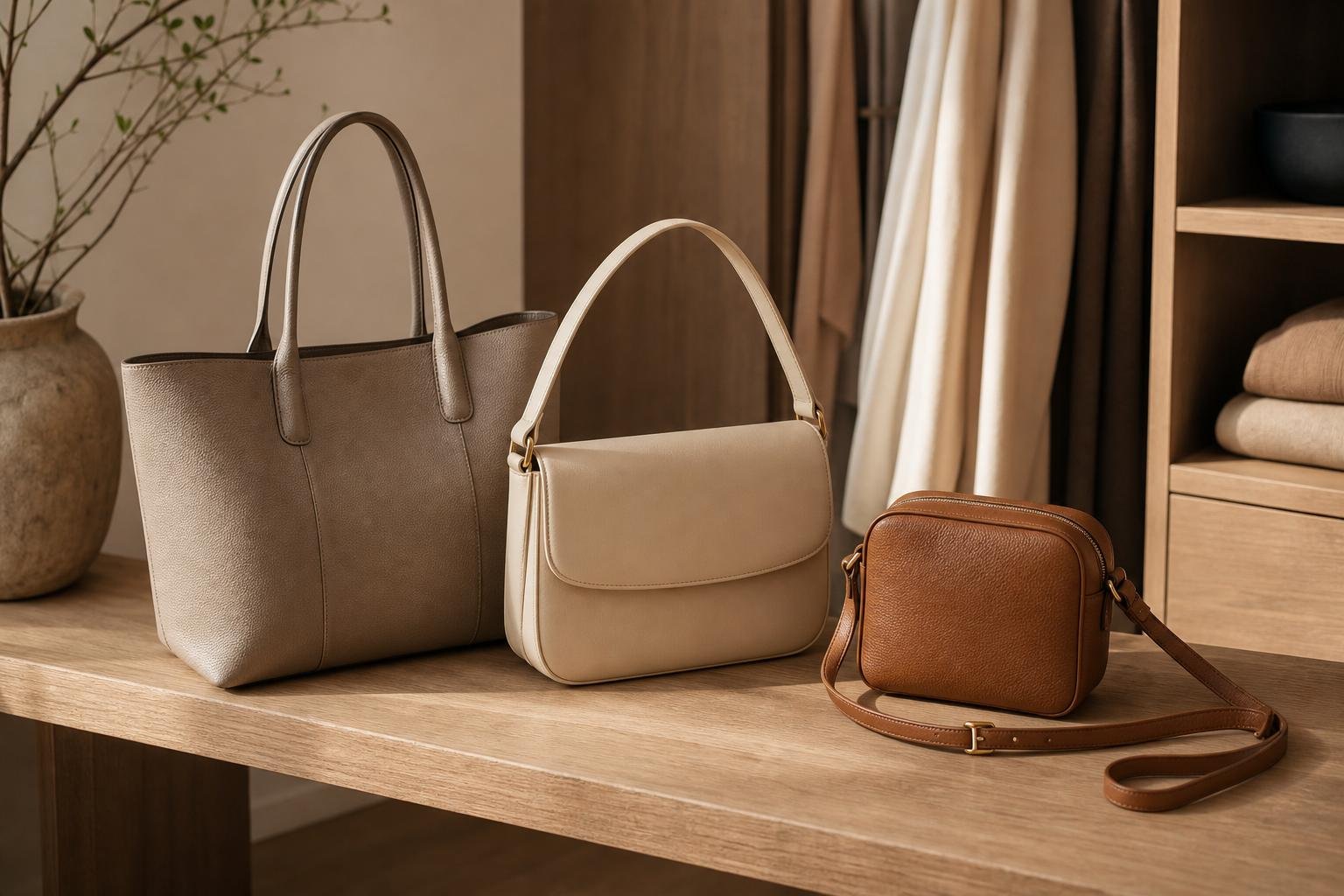
A great bag should make your day easier, not add another thing to manage. Learn how to choose the right silhouette, material, size, and price point for the way you actually live.
A handbag is one of the few accessories that has to work as hard as it looks good. It carries the practical parts of your day—phone, keys, wallet, water bottle, laptop—while helping define an outfit. The best handbags for women are not necessarily the largest, most expensive, or most trend-driven options. They are the bags that suit your routine, feel comfortable to carry, and earn their space in your closet.
Before choosing a color or silhouette, start with how and where you will use the bag. That approach makes it easier to identify a worthwhile purchase at any budget.
Think about the moments when you reach for a bag. A commuter may need secure closures, room for a charger, and straps that can be worn on the shoulder. Someone who walks often or travels may prefer a hands-free crossbody. For dinners, events, and weekends, a compact shoulder bag or clutch may be enough.
Rather than searching for one bag to do everything, identify the role the bag needs to fill. A focused purchase is usually more useful than a beautiful style that cannot accommodate your real essentials.
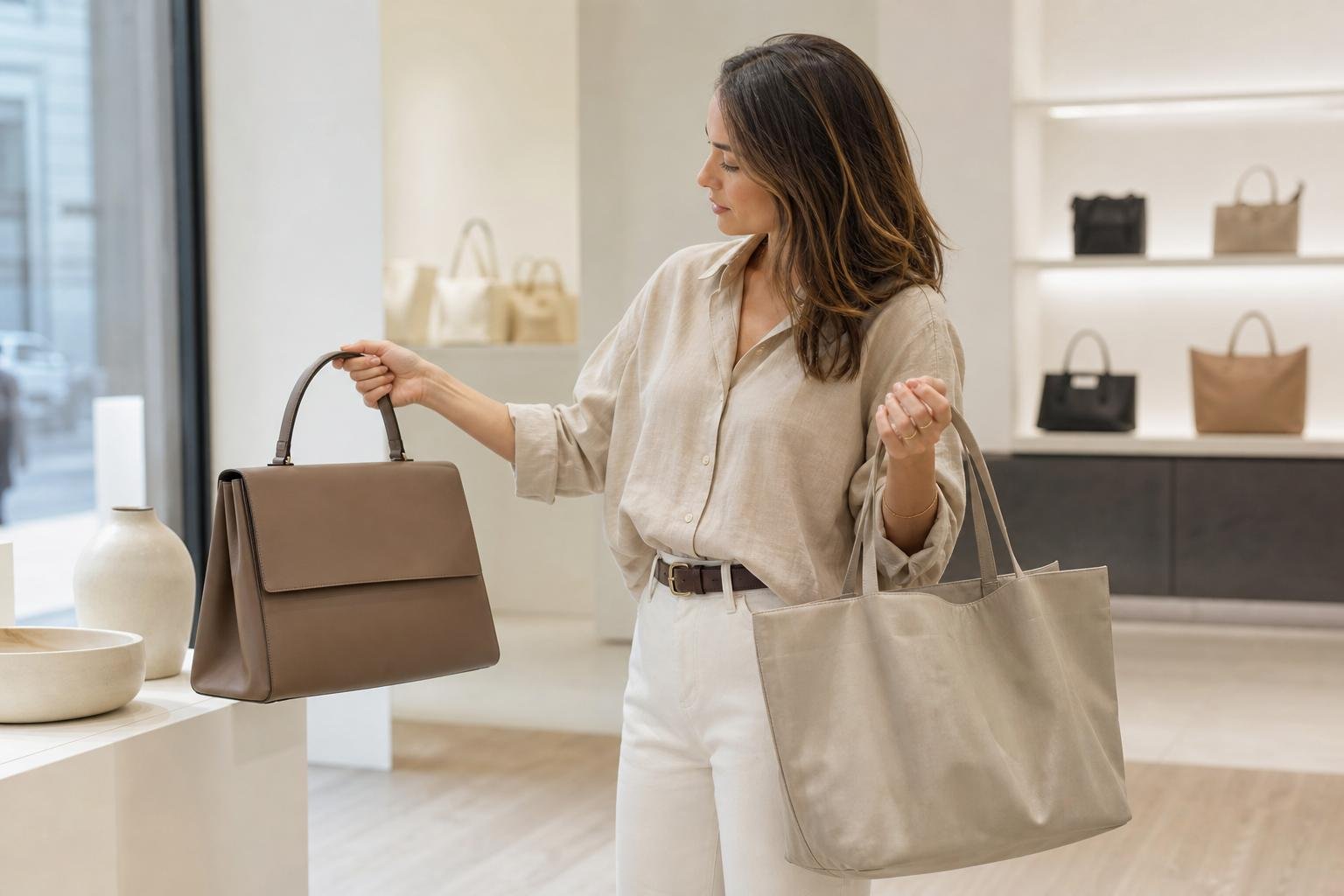
A tote is practical for work, errands, and days when you carry more than the basics. Look for a structured base if you want it to stand upright, and consider an interior pouch or zip pocket for smaller items. An open-top tote is easy to access, but it offers less security on public transit or while traveling.
A shoulder bag is a versatile middle ground. It can look polished with tailored clothing yet still work with denim and knitwear. Choose a strap drop that sits comfortably under your arm, especially if you regularly wear coats or blazers.
Crossbody bags are useful for movement-heavy days. Adjustable straps let you change the fit depending on your height and the bulk of your outfit. Smaller versions are ideal for essentials, while larger camera-bag shapes can hold sunglasses, a compact umbrella, and a small notebook.
Top-handle bags tend to look more refined and structured. They work well for occasions when you want a sharper finish, but test whether the handle is comfortable in your hand and whether a detachable long strap is included for flexibility.
| Your typical day | A practical bag style | Features to prioritize |
|---|---|---|
| Office or commute | Tote or structured shoulder bag | Secure closure, organization, durable straps |
| Errands or walking | Crossbody bag | Adjustable strap, light weight, zip closure |
| Evening plans | Small shoulder bag or clutch | Compact shape, polished hardware, easy access |
| Weekend travel | Roomy tote or satchel | Interior pockets, sturdy base, comfortable carry |
Bag dimensions can be misleading without considering the depth and opening. Make a quick list of your nonnegotiable items, then compare them with the bag’s stated measurements. If a bag needs to hold a laptop, confirm both the device size and the width of the interior—not only the exterior.
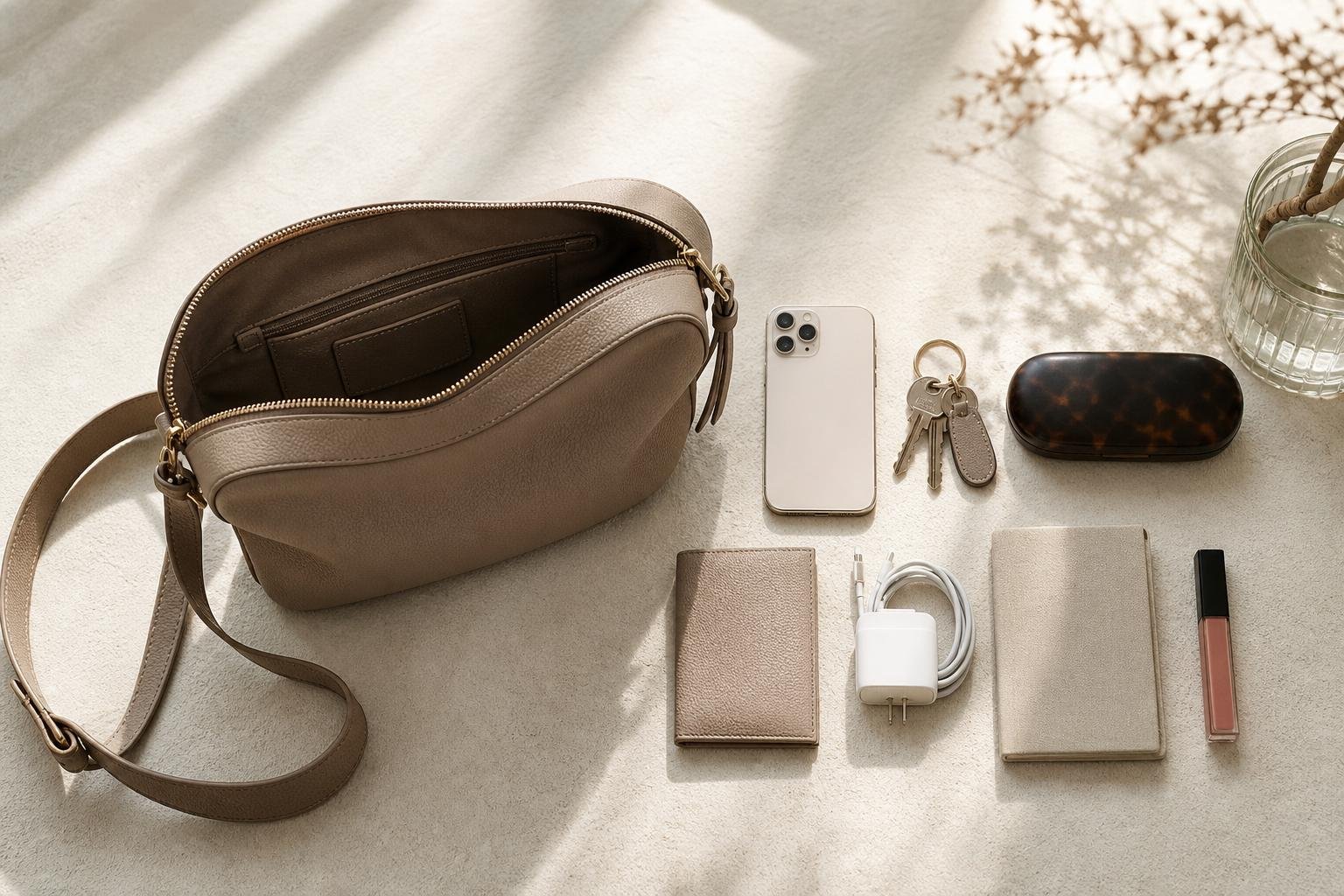
For an everyday bag, consider whether it accommodates a phone, wallet, keys, sunglasses case, lip product, charger, and any daily medications or documents. If you carry a water bottle, lunch, or an extra pair of shoes, you likely need a tote rather than a medium shoulder bag.
A useful fit test is to gather your usual items in one place and estimate the space they occupy. This prevents the common mistake of buying a bag that looks roomy online but becomes overstuffed in use.
Material affects price, durability, weight, and the amount of care a bag needs. There is no universal best choice; the right one depends on your climate, lifestyle, and expectations.
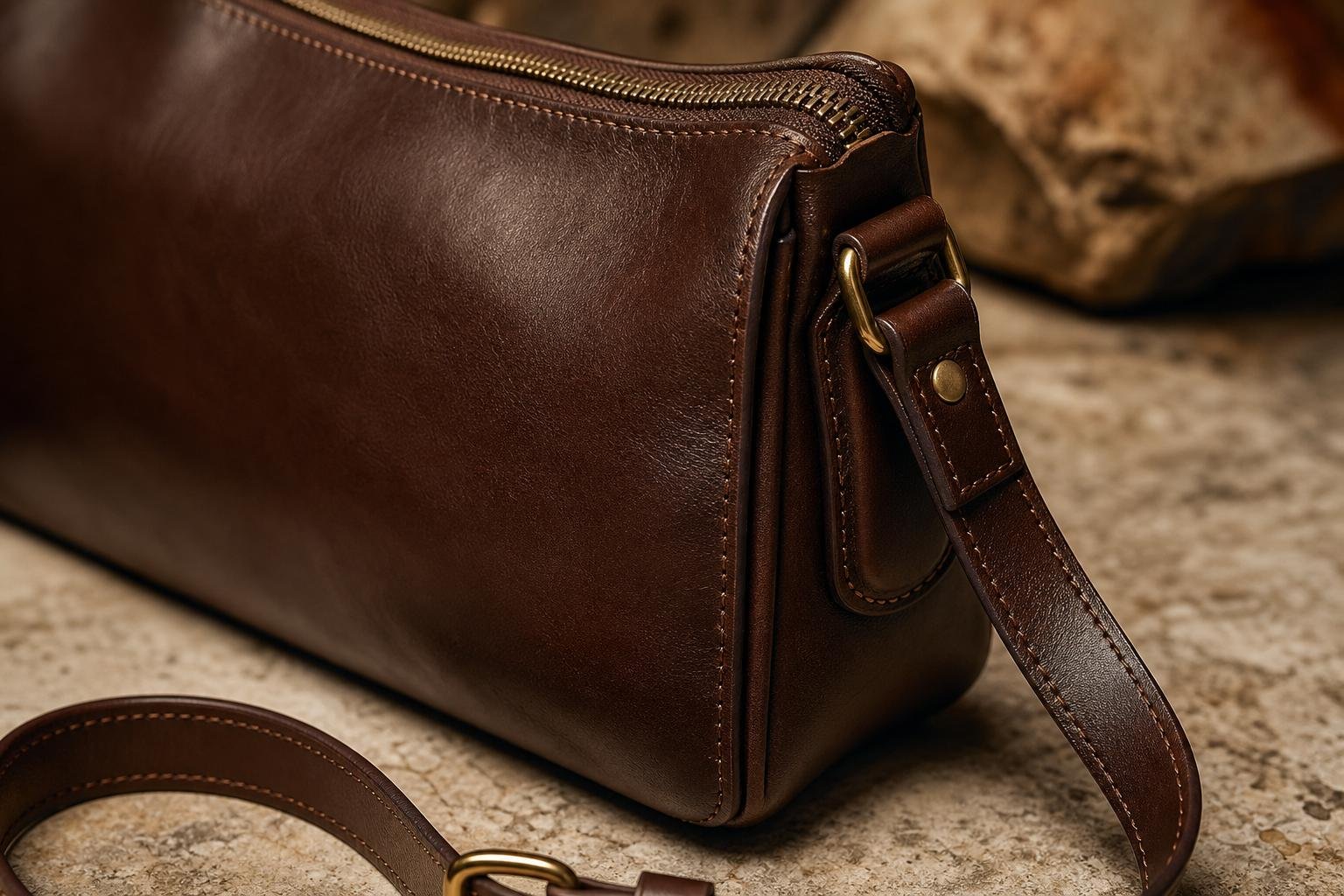
Leather is often valued for its durability and the way it can develop character over time. Full-grain and top-grain leather are generally more substantial options, though construction matters as much as the leather label. A leather bag benefits from occasional conditioning and should be stored away from prolonged sunlight and moisture.
Coated canvas, nylon, and similar technical fabrics are often lighter and easier to wipe clean. They can be especially sensible for commuting, parenting, travel, or wet weather. These materials may not develop the same patina as leather, but they can offer excellent day-to-day practicality.
Suede has a soft, rich finish but needs more protection from water, color transfer, and dirt. It can be a beautiful choice for occasional use or drier conditions, especially if you are comfortable with more careful upkeep.
Also examine the details: reinforced handles, clean edge finishing, sturdy feet, aligned seams, and a smooth zipper are meaningful signs of thoughtful construction. Hardware should feel secure without making the bag unnecessarily heavy.
The best handbags for women often deliver value through repeat wear, not through a particular price tag. A moderately priced bag you use four days a week may offer more value than a special-occasion piece that stays in its dust bag.
Set a spending range before you browse, then decide which qualities matter most within it. At a lower budget, prioritize a versatile shape, a neutral color, and reliable stitching over elaborate hardware or highly seasonal details. At a higher budget, assess whether better materials, repair options, or classic construction genuinely justify the difference.
Avoid stretching your budget solely for a label. Instead, look for a bag that solves a clear wardrobe need. If you already own several black shoulder bags, a similar purchase may be less useful than a work tote, an evening bag, or a lighter warm-weather option.
Cost per wear is a helpful idea, not a rule. Divide the purchase price by the number of times you reasonably expect to carry the bag. A $250 everyday tote used 100 times costs less per wear than a $75 bag used only a few times because it is uncomfortable or difficult to style.
The calculation is most useful when it encourages honest thinking. Will the bag work with your usual outerwear? Is the strap comfortable? Can you picture carrying it through a normal day? If the answer is yes, it may deserve a larger share of your accessories budget.
Neutral colors such as black, brown, tan, navy, gray, and cream are easy starting points, but the right neutral is the one that complements your existing clothes. If your wardrobe leans warm, rich brown or camel may blend more naturally than cool gray. If you wear mostly black, a deep burgundy or dark chocolate bag can provide contrast without feeling difficult.
A statement color can also be practical when it repeats shades already present in your closet. Think of a saturated red, forest green, or metallic finish as an accent piece rather than an all-purpose bag.
Pay attention to hardware, too. Silver, gold-tone, brass-tone, and matte finishes each create a different impression. Matching every accessory is unnecessary, but a hardware finish you already wear often can make a bag feel easier to integrate.
A bag can photograph beautifully and still frustrate you in daily life. Look at how it opens, whether the strap twists, how much it weighs when empty, and whether the interior is easy to navigate. Magnetic closures are convenient but may not feel secure enough for everyone. Zippers offer more protection but can be cumbersome if the opening is narrow.
If possible, check return policies before buying online and keep packaging until you have tested the bag at home. Put in your usual essentials, wear it with a jacket, and try reaching for your phone and keys. Small usability issues become very noticeable over time.
When shopping handbags for women, it also helps to separate a genuine long-term need from a passing impulse. A current shape can be fun, but it should still meet your standards for comfort, capacity, and construction.
The right handbag supports the way you move through your day, whether that means holding work essentials, staying hands-free on errands, or finishing an evening outfit. Start with function, choose materials you can maintain, and set a budget you can feel good about.
The most useful handbags for women are the ones you reach for without second-guessing. When fit, function, and personal style align, a bag becomes more than an accessory—it becomes a dependable part of your wardrobe.