Physical Address
304 North Cardinal St.
Dorchester Center, MA 02124
Physical Address
304 North Cardinal St.
Dorchester Center, MA 02124
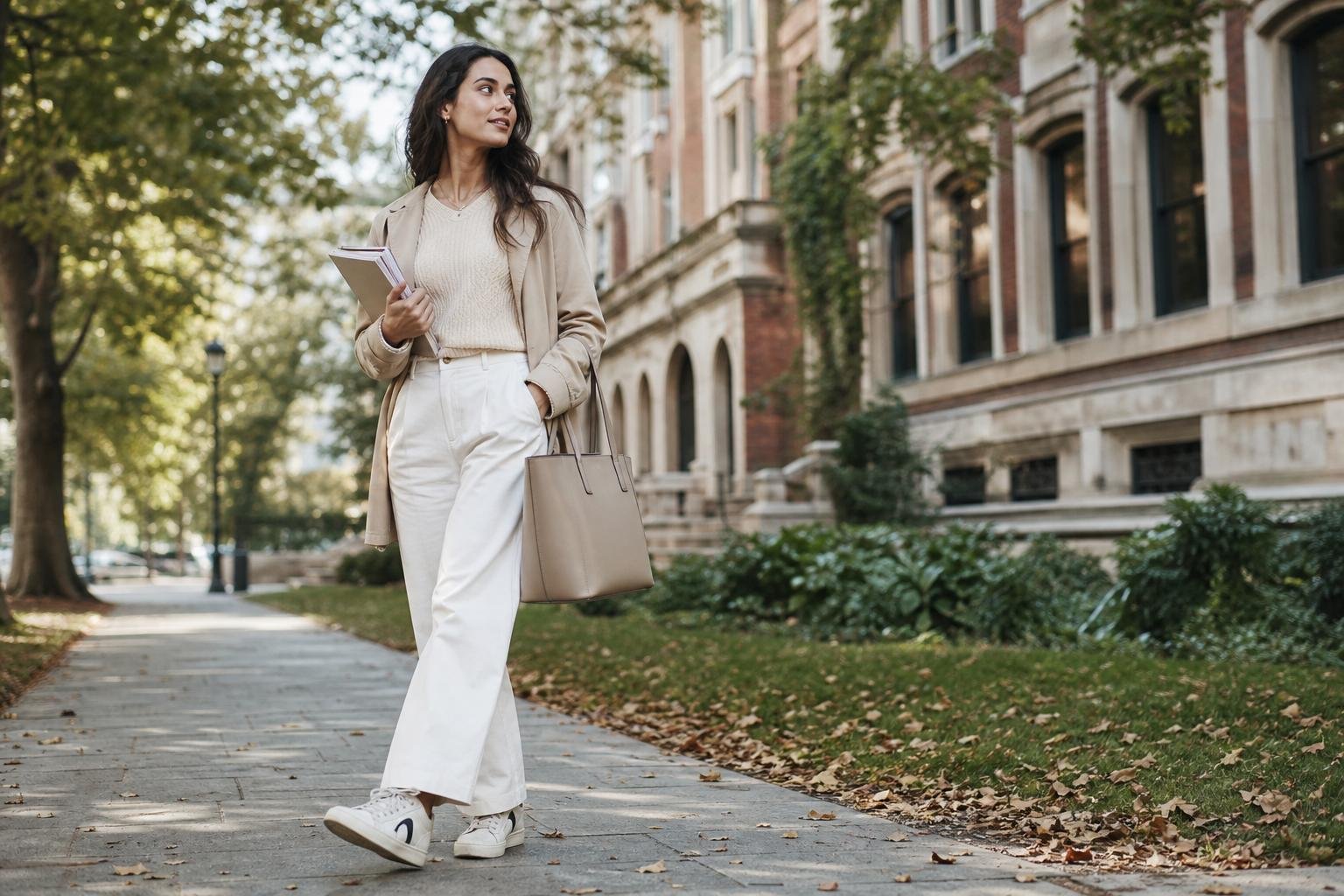
A school bag should carry daily essentials without overwhelming your outfit or your schedule. Use this guide to find a functional, polished handbag for lectures, commutes, and campus life.
A school bag has to do more than complete an outfit. It may need to hold a laptop, notebook, charger, water bottle, wallet, and the small personal items that keep a long day moving. The right handbags for school make that routine feel more organized while fitting naturally into the way you dress.
The best choice is rarely the trendiest silhouette alone. Consider your schedule, what you carry, how you commute, and whether you want one bag to move easily from class to work, an internship, or evening plans. A polished bag is useful only if it is comfortable enough to bring every day.
Start with capacity. Before shopping, place your usual day’s essentials together: laptop or tablet, notebook, planner, charger, headphones, cosmetics pouch, water bottle, and lunch if applicable. This gives you a realistic sense of the interior dimensions you need rather than relying on a bag’s overall appearance.
For most students, a medium-to-large tote, structured backpack, or roomy shoulder bag offers the most flexibility. If you carry a 13-inch laptop, look for an interior that is at least slightly wider than 13 inches, with enough depth for a notebook beside it. A padded sleeve is useful but not essential if you already use a protective laptop case.
Pay equal attention to the strap. A narrow strap can dig into a shoulder when a bag is loaded, while a short handle may be awkward over bulky outerwear. Longer shoulder straps, adjustable crossbody straps, and backpacks with padded shoulder straps tend to work best for walking across campus or taking public transportation.
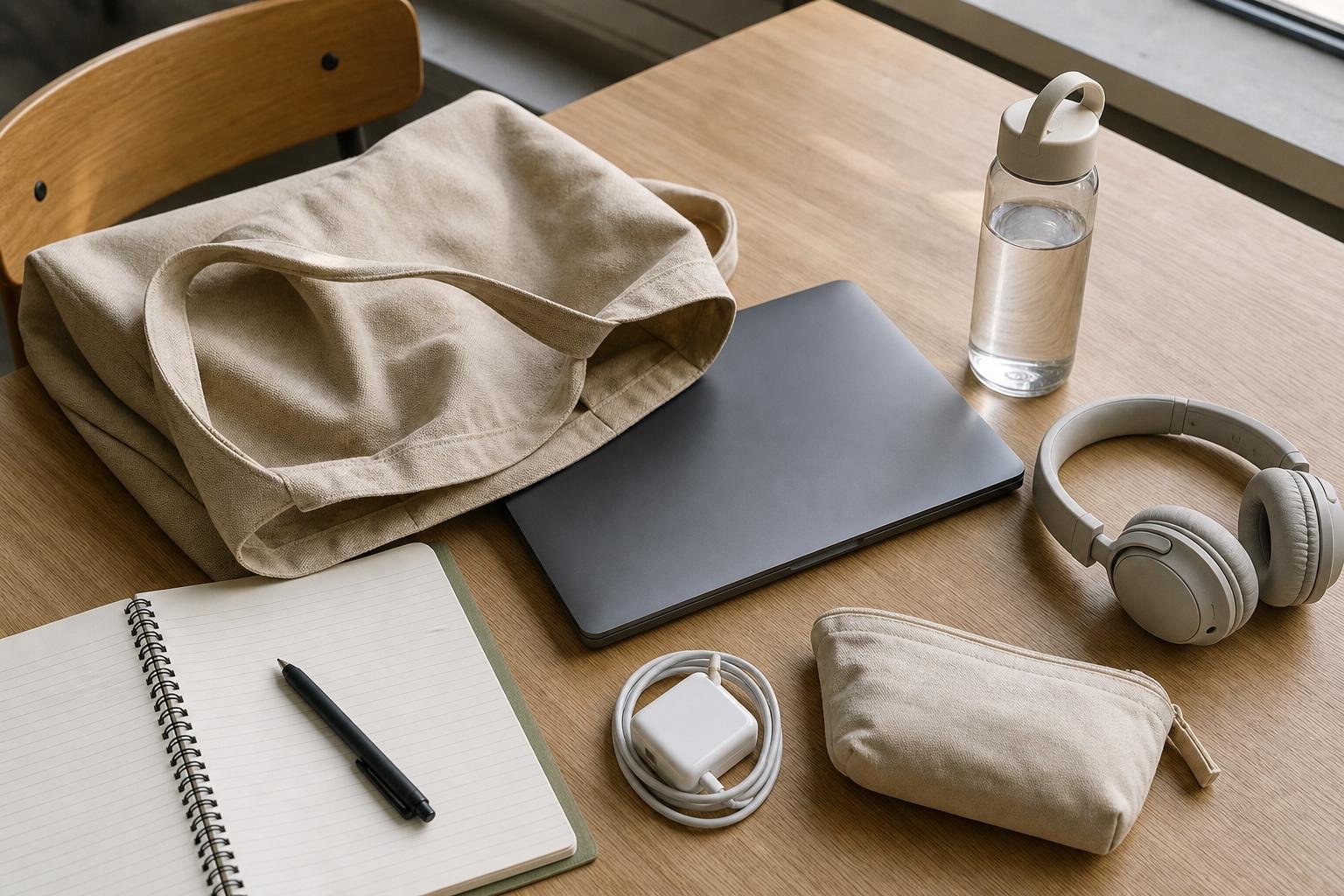
A tote is the classic choice for a laptop-and-notebook routine. An open-top version is easy to access, but a zip closure offers greater security on a crowded commute. Look for a firm base so the bag can stand upright when you set it beside a desk or chair.
A backpack distributes weight more evenly and is often the most comfortable option for full days. Modern leather, nylon, and canvas backpacks can look refined with tailored trousers, denim, dresses, or activewear. Choose a streamlined profile instead of an overly technical design if you want it to work beyond campus.
A large shoulder bag suits lighter schedules or days when you only need a tablet, paperback, small notebook, and basics. Slouchy hobo shapes can hold more than they appear to, but make sure the opening closes securely and the strap stays comfortably on your shoulder.
A crossbody is ideal as a secondary bag or for days with a minimal load. It keeps essentials close and leaves your hands free, though it is usually too compact for textbooks or larger electronics. Consider one when your school day is followed by a social plan and you do not want to bring a larger bag along.
The most stylish bag can become inconvenient if it is poorly organized. Interior pockets help separate a phone, transit card, keys, and lip balm from heavier supplies. A zip pocket is especially helpful for valuables, while an exterior slip pocket can make a student ID or commuter pass easier to reach.
For handbags for school, a secure closure is worth considering. Zippers provide the greatest peace of mind for commutes and shared spaces. Magnetic closures are convenient but less protective, while a flap can offer a neat look and added coverage. If you choose an open tote, use a zip-top pouch inside for smaller essentials.
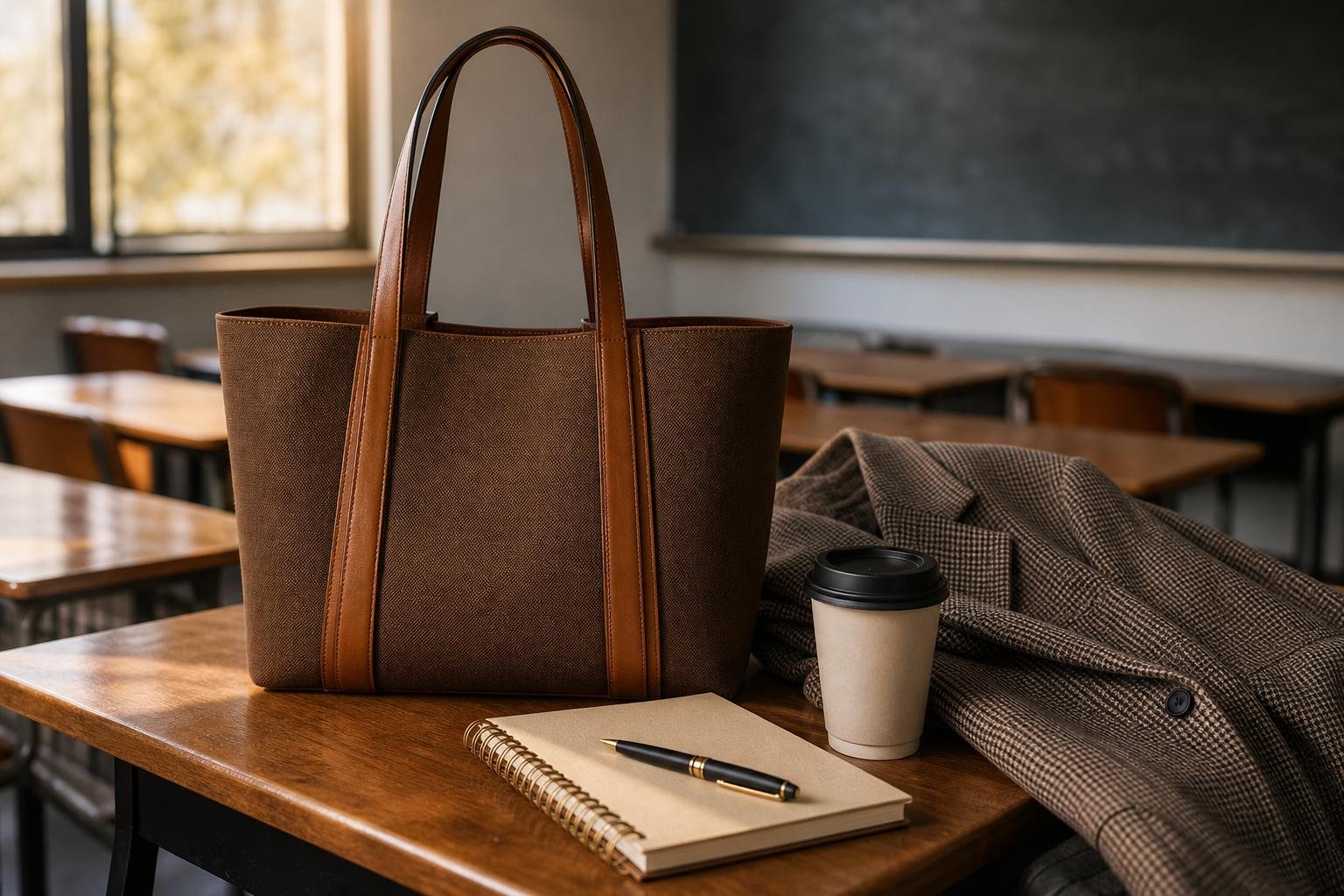
Structure also affects how a bag wears. A structured leather or faux-leather tote looks polished and holds its shape, making it a natural match for presentations or professional settings. Softer canvas and nylon bags are lighter and more relaxed, often better for casual outfits and variable weather.
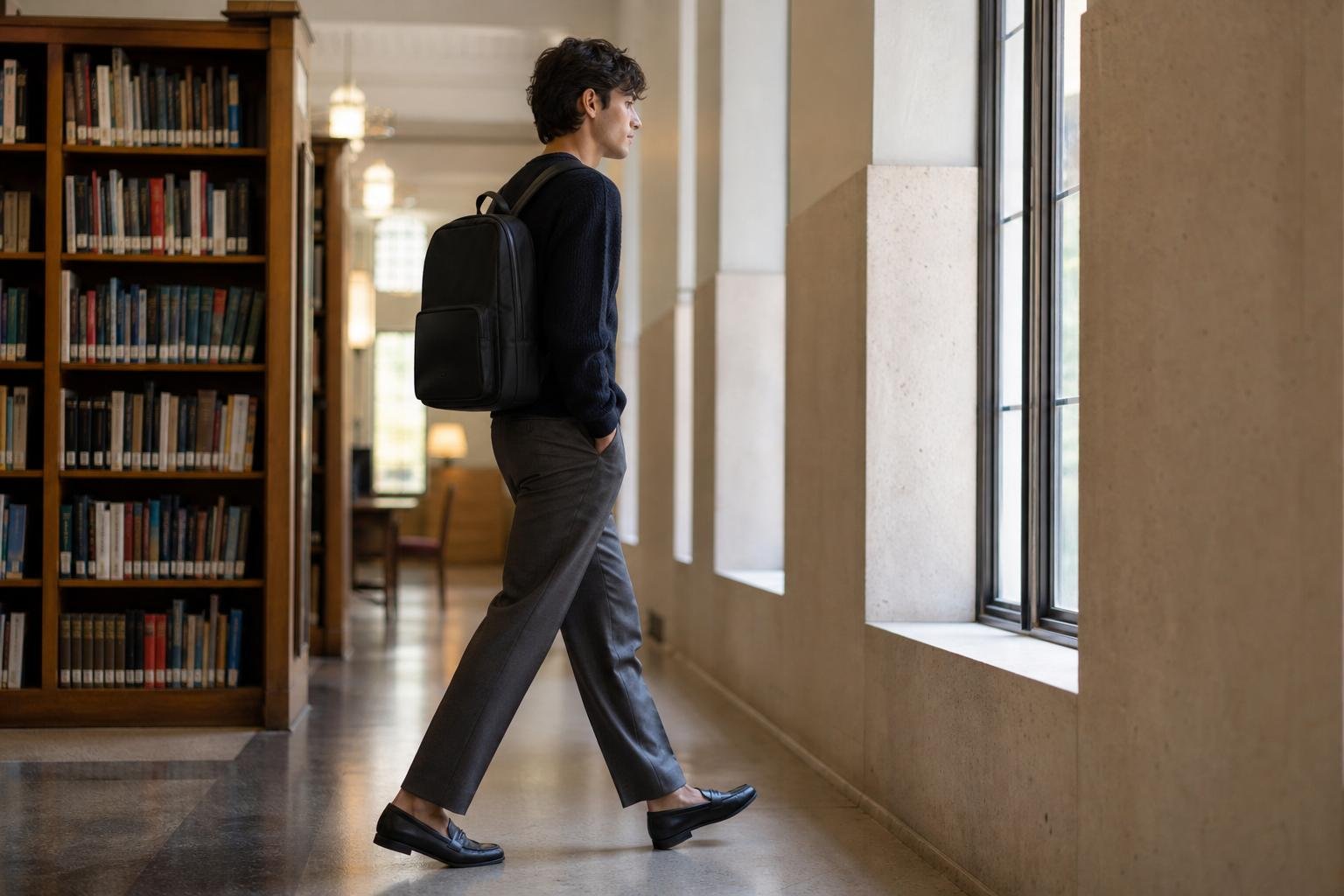
Material changes a bag’s weight, care needs, and overall mood. There is no universal best option; the right choice depends on how hard the bag will work.
| Material | Best for | Consider before buying |
|---|---|---|
| Coated canvas or nylon | Rainy commutes and lighter carry | Look for reinforced seams and sturdy zippers |
| Leather | Polished everyday outfits | It can be heavier and benefits from regular care |
| Faux leather | Structured looks on a budget | Quality varies; check strap and edge finishing |
| Cotton canvas | Casual campus style | It may stain easily and offer less weather protection |
Nylon is a practical option when you walk, bike, or rely on transit. It is generally lightweight, easy to wipe down, and less intimidating to use daily. Leather can be an excellent long-term wardrobe piece, especially in a simple silhouette, but it may add weight before you have packed anything inside.
Canvas makes sense for a relaxed academic setting and can look especially good with jeans, knitwear, casual dresses, and sneakers. A darker color is usually more forgiving than natural canvas if your bag will sit on classroom floors or travel frequently.
A neutral bag offers the widest styling range. Black, espresso brown, taupe, navy, and deep olive pair easily with denim, tailoring, dresses, and outerwear. These shades can also feel appropriate for an interview, internship, or presentation without requiring a separate bag.
That does not mean your campus bag has to be plain. Burgundy, forest green, muted blue, or a soft neutral can add personality while remaining versatile. If your wardrobe contains many solid basics, a subtle texture such as pebbled leather, woven fabric, or quilted nylon can bring interest without becoming difficult to style.
Think about the hardware as well. Minimal hardware generally feels more adaptable, while prominent chains, oversized logos, or highly decorative details may limit where the bag works. The most useful handbags for school should feel at home with both a sweatshirt-and-jeans day and a more put-together outfit.
For casual class days, pair a relaxed tote or backpack with straight-leg jeans, a T-shirt or knit, and sneakers. A nylon backpack or canvas tote keeps the look easy without seeming overly formal. If your outfit is simple, a bag in a richer color can serve as the focal point.
For presentations, meetings, or internship days, choose a structured tote or clean leather backpack. Tailored trousers, a button-down, a knit dress, or a blazer all benefit from a bag with a defined shape and discreet hardware. Keep the exterior uncluttered, and save keychains or charms for a bag intended solely for casual use.
For an all-day schedule that ends with dinner or an event, a convertible option is useful. A tote with a removable crossbody strap, or a larger bag that can hold a compact evening bag, gives you more flexibility. Alternatively, use a slim organizer pouch that can move from your daytime bag into a smaller shoulder bag after class.
Oversized bags can be tempting, especially if you want to be prepared for anything. But a bag that is too large often becomes heavy, disorganized, and visually overwhelming. It can also encourage you to carry items you do not need.
Choose the smallest size that accommodates your genuine daily essentials. If you have different types of school days, consider a two-bag approach: a larger laptop tote or backpack for heavy days and a smaller shoulder bag for lighter schedules. This is often more practical than relying on one oversized bag for every occasion.
Before committing, check these details in person when possible:
The strongest handbags for school balance function with a look you will want to wear repeatedly. Prioritize the right capacity, a comfortable strap, secure storage, and a material suited to your routine. Once those practical details are covered, choose a silhouette and color that support your personal style—from a streamlined backpack for busy days to a structured tote for a more polished schedule.