Physical Address
304 North Cardinal St.
Dorchester Center, MA 02124
Physical Address
304 North Cardinal St.
Dorchester Center, MA 02124
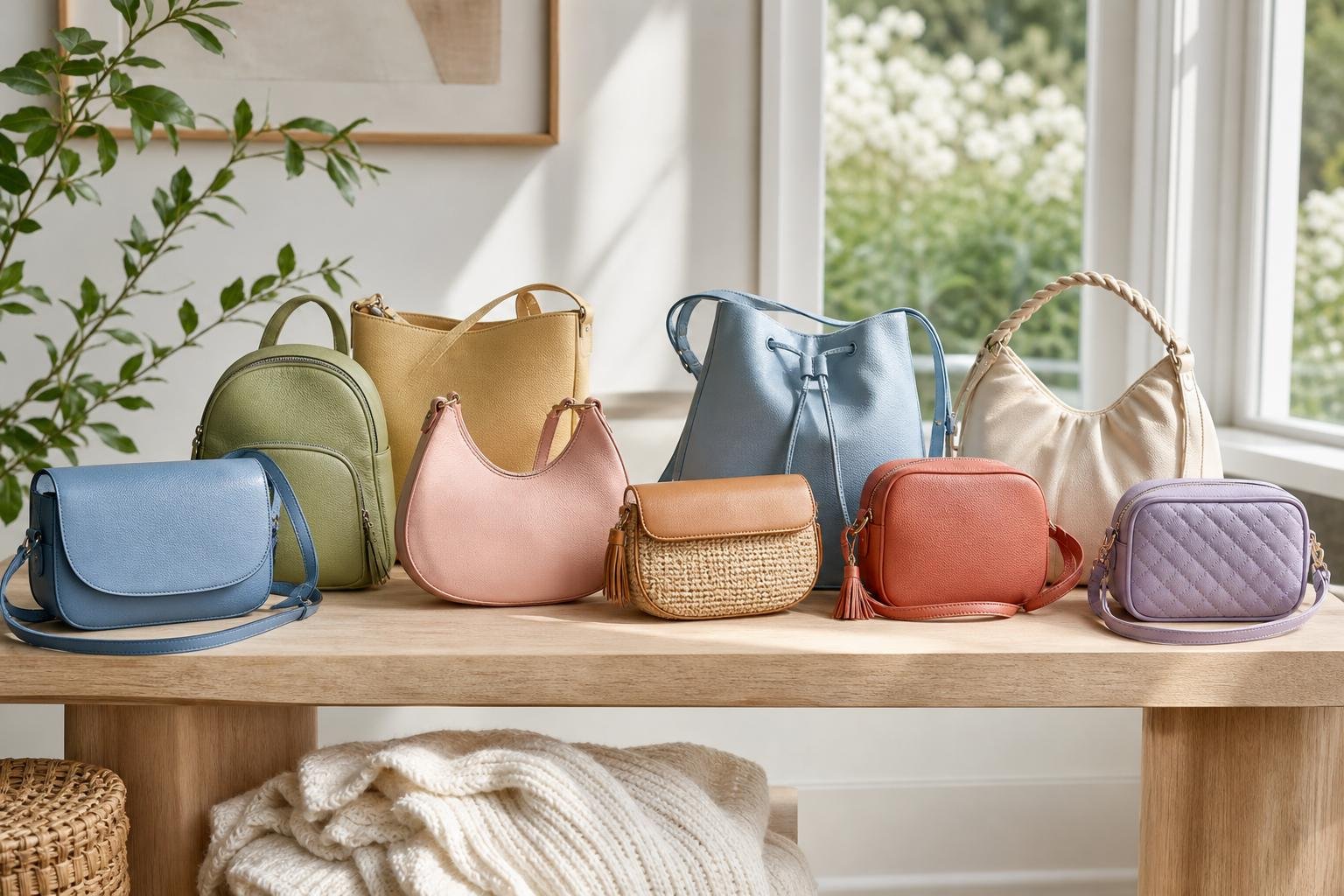
A well-chosen handbag can help a girl carry everyday essentials while expressing her personal style. This guide explains the key details to consider before buying.
A handbag can be a useful everyday accessory, a special-occasion finishing touch, or a small way for a child to show her personality. The best handbags for girls balance an appealing look with a manageable size, secure closure, and strap that feels comfortable for the way she will use it.
Before choosing a color or character-inspired detail, consider the bag’s purpose. A purse meant for a family event has different needs than one intended for school, travel, or casual weekends. A thoughtful choice should be easy to carry, simple to open, and durable enough for its expected routine.
Start with the child’s age, independence, and daily activities. Younger children may only need space for a small toy, tissues, or a snack, while older girls may want room for sunglasses, a phone, a compact wallet, or school-day essentials. A bag that is too large can feel cumbersome; one that is too tiny may become more decorative than useful.
Think about where the bag will go most often. A polished mini shoulder bag may suit parties and dressier outings, while a lightweight crossbody or mini backpack is generally more practical for active days. For school, check the school’s bag rules and avoid assuming that a fashion handbag can replace a backpack designed for books and supplies.
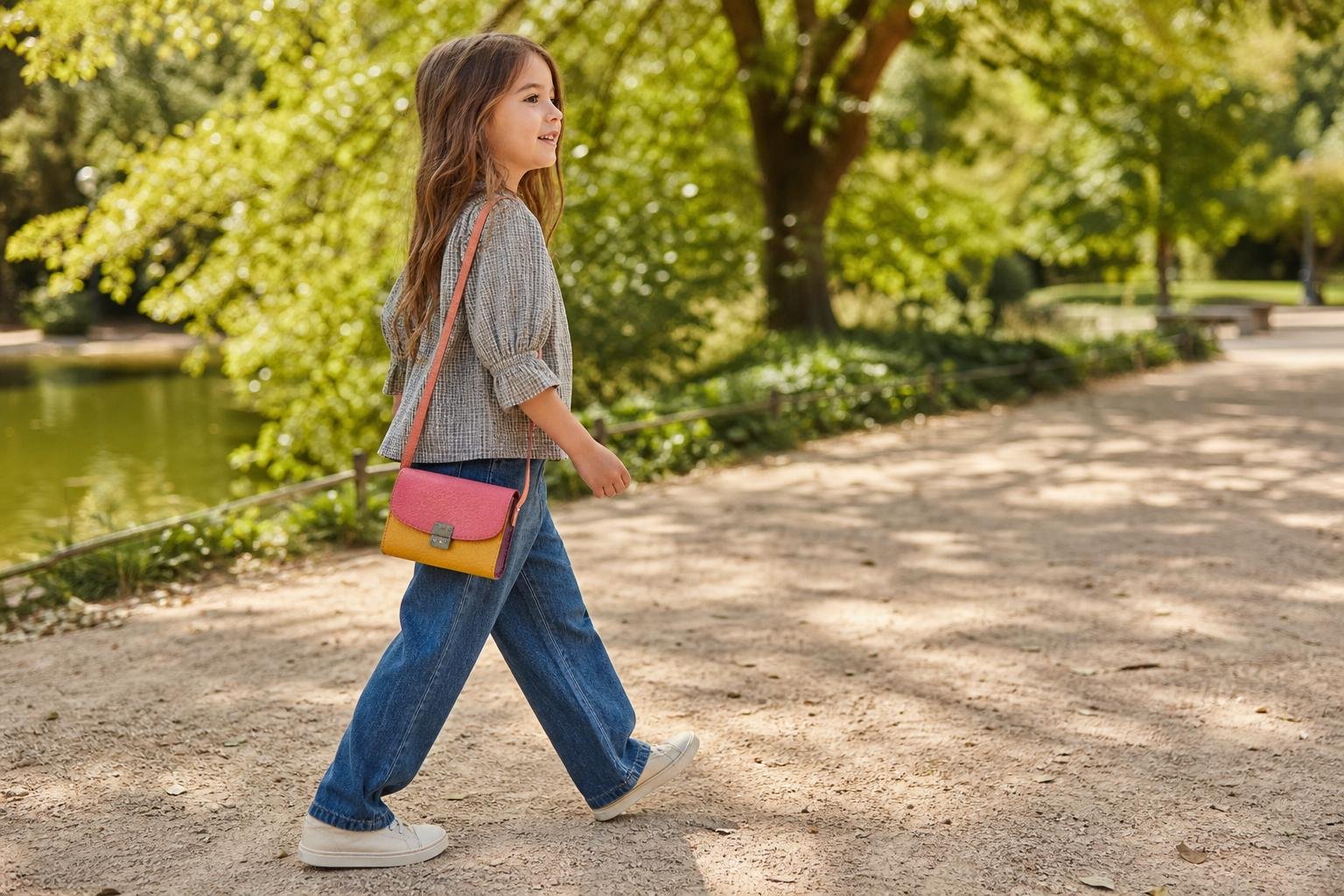
A small handbag does not need to do everything. Narrowing down its main job makes the shopping process more straightforward and helps prevent an impractical purchase.
| Main use | Suitable bag style | Helpful features |
|---|---|---|
| Parties and celebrations | Mini shoulder bag or top-handle purse | Structured shape, secure clasp, polished finish |
| Weekends and outings | Crossbody bag | Adjustable strap, zip closure, light weight |
| Travel days | Mini backpack or belt bag | Multiple compartments, wipeable material |
| Older girls’ everyday use | Shoulder bag or roomy crossbody | Phone pocket, comfortable strap, sturdy base |
Crossbody bags are often a sensible choice for hands-free movement. Look for a strap that can be adjusted so the bag rests around the hip rather than swinging near the knees. For younger children, make sure the strap does not trail, twist easily, or interfere with play. A bag should be removed for climbing, running, or activities where a strap could catch.
When comparing handbags for girls, check the interior dimensions rather than relying on product photos alone. A compact bag around 6 to 8 inches wide (15 to 20 centimeters) can hold small essentials without overwhelming a younger child’s frame. Older girls may prefer a bag closer to 9 to 11 inches wide (23 to 28 centimeters), depending on what they carry.
Measure the items the bag needs to hold, especially if a phone, glasses case, or small water bottle is involved. Remember that a bag’s outer shape can be misleading: curved or heavily structured styles sometimes have less usable interior space than a simple rectangular design.
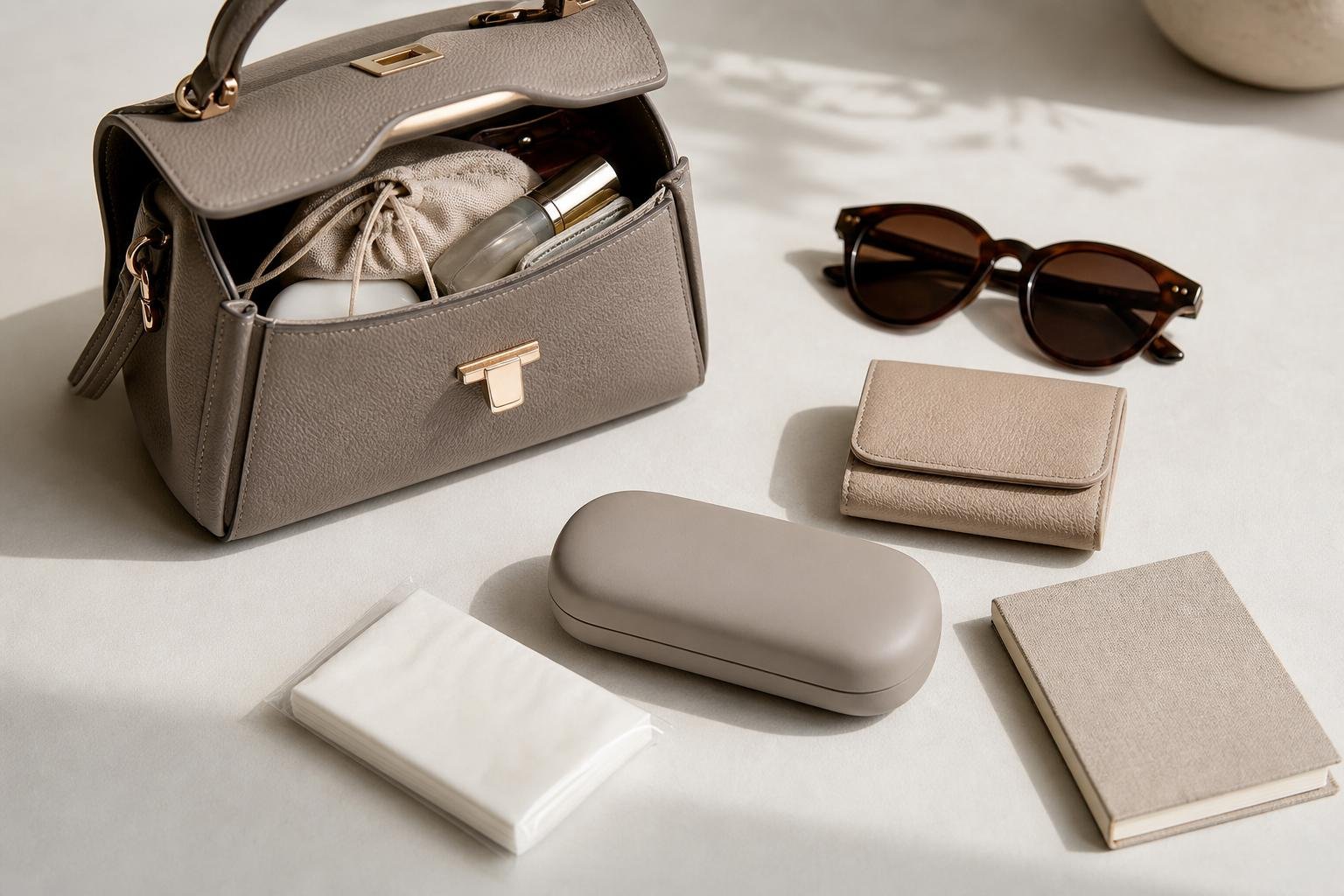
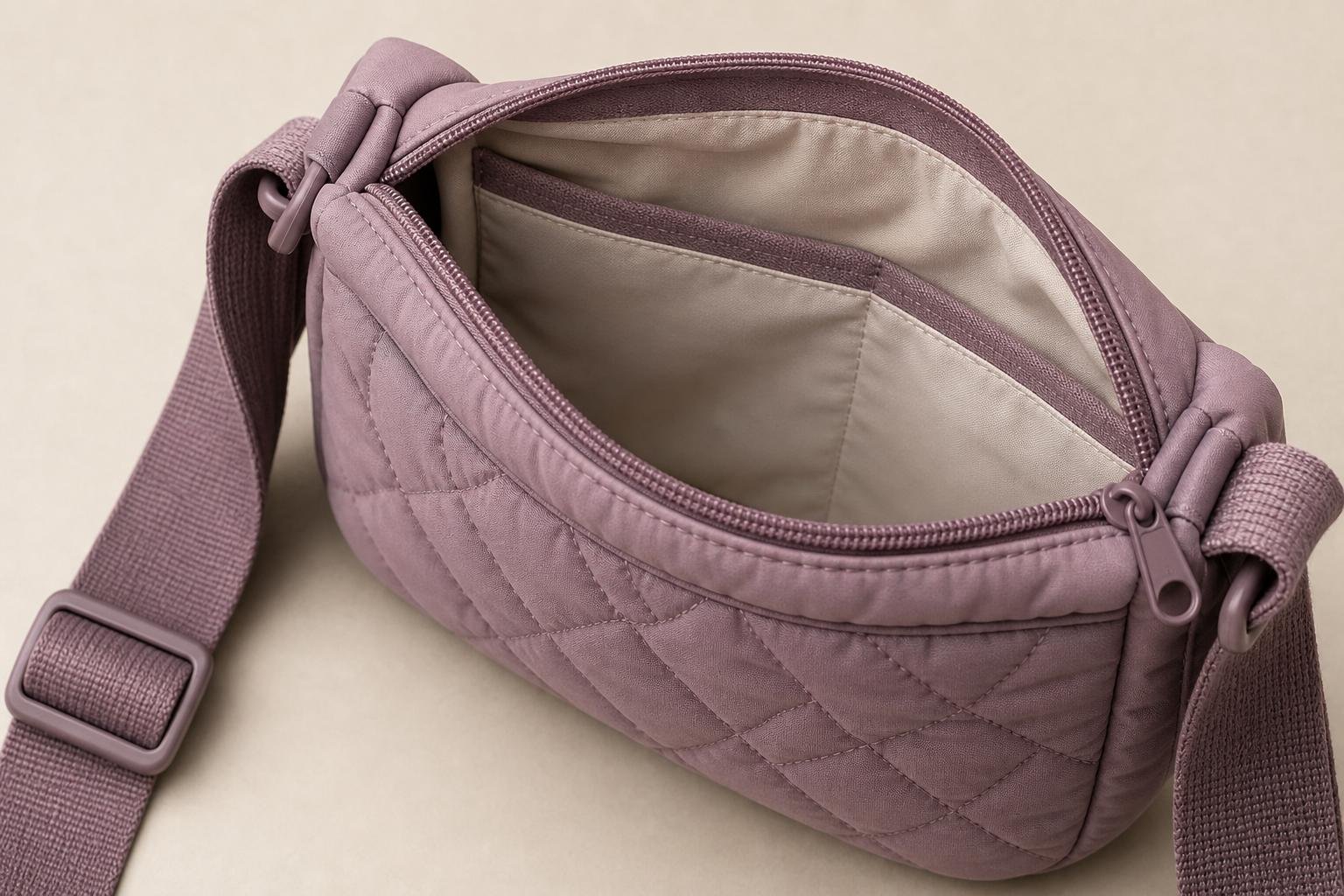
The closure matters as much as capacity. Zippers offer dependable security for small loose items, while magnetic snaps are quick to use but may open if a bag tips over. Flap bags with buckles can look classic, though they may frustrate a younger child who is still practicing fine motor skills. An interior pocket is useful for separating a key, transit card, or other small item from the rest of the contents.
A fashionable bag is less likely to be used if it pinches, slips off the shoulder, or feels heavy when empty. Test the strap width and attachment points when possible. Narrow chain straps can work for occasional wear, but fabric or faux-leather straps are often more comfortable for regular use.
Hardware should feel smooth, without rough edges or stiff clasps. Check that zippers move easily and that decorative charms, bows, or appliqués are attached securely. For children who are prone to losing small accessories, a bag with fewer detachable details can be easier to keep track of.
Handbags for girls should also feel proportionate. A petite top-handle purse can be charming for formal events, but a longer adjustable strap offers more flexibility as a child grows. If the bag will be worn over a bulky coat, leave enough strap length for layering.
Material affects how the bag looks, feels, and holds up over time. Smooth faux leather creates a dressier appearance and is often easy to wipe clean, though lighter colors may show scuffs. Nylon, canvas, and quilted synthetic fabrics tend to be lighter and better suited to casual use, especially when the bag may be placed on floors or packed into larger luggage.
For a bag intended for frequent outings, prioritize a lined interior and reinforced seams. A sturdy base helps a purse keep its shape, while darker colors or prints can be more forgiving of everyday marks. Sparkly finishes and delicate embellishments may be ideal for occasional use, but they typically require gentler handling.
Avoid choosing solely by color. A favorite shade is important, but a versatile neutral, soft metallic, denim blue, or subtle print can coordinate with more outfits and remain appealing beyond one season. If the child enjoys bold style, a colorful crossbody can become the statement piece while the rest of her outfit stays simple.
Personal taste should lead the final decision. Some girls prefer a polished, grown-up shoulder bag; others want playful shapes, bright colors, or sporty details. Offering two or three practical options gives a child a real choice without sacrificing the features that make a bag usable.
For a gift, consider the recipient’s usual wardrobe and interests rather than relying on a trend. Notice whether she wears dresses, leggings, sneakers, denim, or bright colors most often. A bag that works with her existing clothes will likely get more use than one that only suits a single outfit.
It is also worth considering whether the bag will be used independently. A simple zip-top crossbody with one main compartment can be easier to manage than a purse with several tiny pockets, complicated clasps, and loose accessories. The more intuitive the design, the more likely it is to become part of her regular routine.
Empty the bag regularly and shake out crumbs, paper scraps, and small items that can stain a lining. Wipe coated or synthetic surfaces with a soft, lightly damp cloth, then let them air-dry away from direct heat. Check the manufacturer’s care instructions before using cleaners on leather, suede, glitter finishes, or embellished materials.
Store structured bags loosely filled with clean tissue paper to help preserve their shape. Keep them in a dry place, away from direct sunlight, and avoid hanging a bag by a delicate strap for long periods. Fastening zippers and clasps before storage can help protect hardware and prevent snagging.
The most useful handbags for girls are not necessarily the fanciest or most elaborate. Choose a style that fits the child’s routine, carries her actual essentials, and feels comfortable enough to wear with confidence. With the right size, closure, material, and strap, a handbag can be both a practical accessory and a meaningful part of her personal style.