Physical Address
304 North Cardinal St.
Dorchester Center, MA 02124
Physical Address
304 North Cardinal St.
Dorchester Center, MA 02124
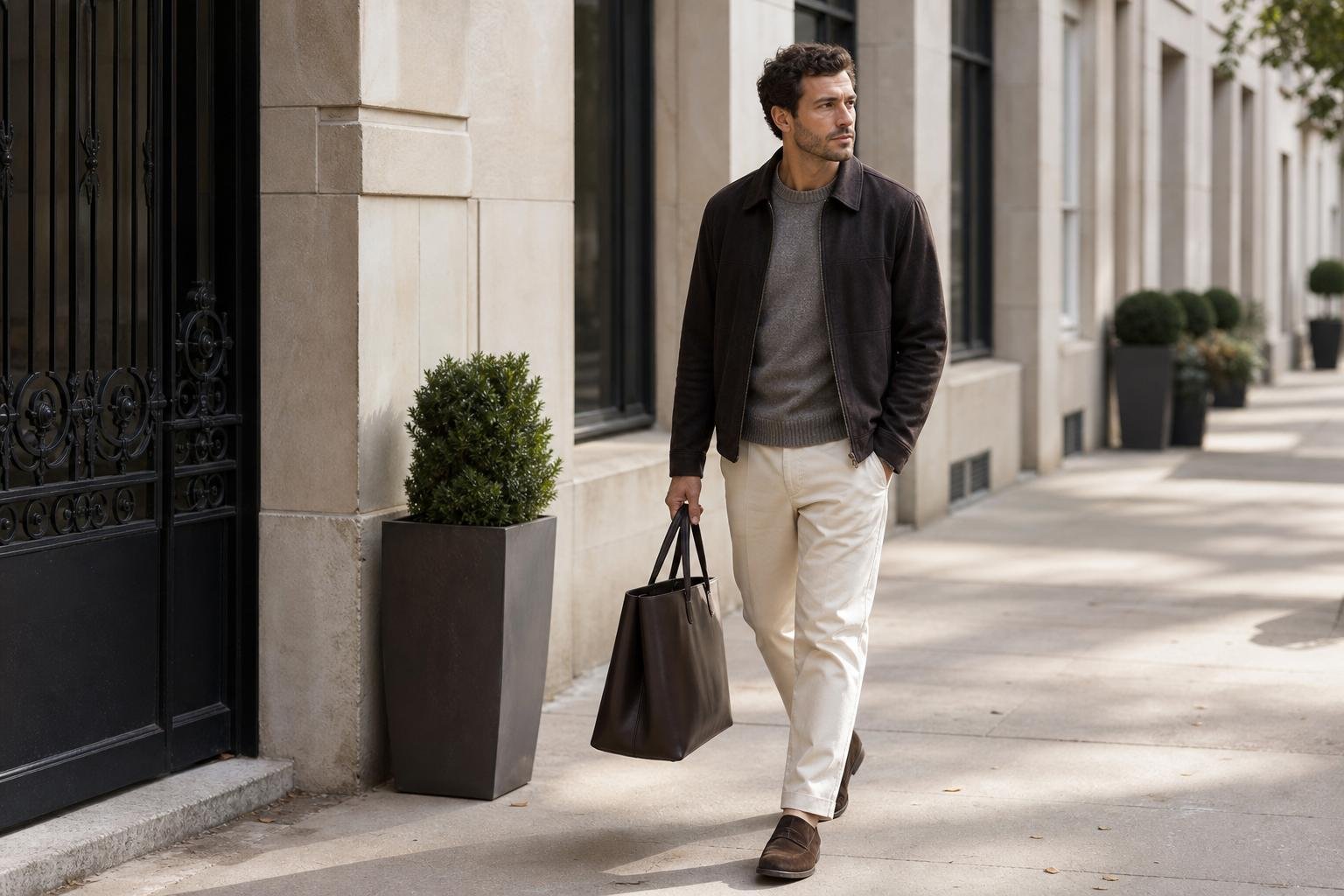
A well-chosen bag makes daily essentials easier to carry without compromising personal style. Learn which shapes, materials, and details suit your routine.
A good bag should solve a practical problem first: carrying what you need without bulging pockets, overloading a backpack, or disrupting your outfit. The modern handbag for men comes in a broad range of useful forms, from compact crossbody styles to polished leather totes. The right choice depends less on labels and more on your routine, wardrobe, and the items you carry every day.
Think of it as a functional accessory with the same role as a watch or belt. It should work with your clothes, feel proportionate to your frame, and hold up to regular use.
Start with capacity. Make a quick inventory of what you actually carry on an average day: phone, wallet, keys, sunglasses, chargers, notebook, water bottle, tablet, or laptop. Buying a bag that is much larger than your needs can make it feel cumbersome, while one that is too small becomes an expensive extra pocket.
Consider these core buying factors before settling on a shape:
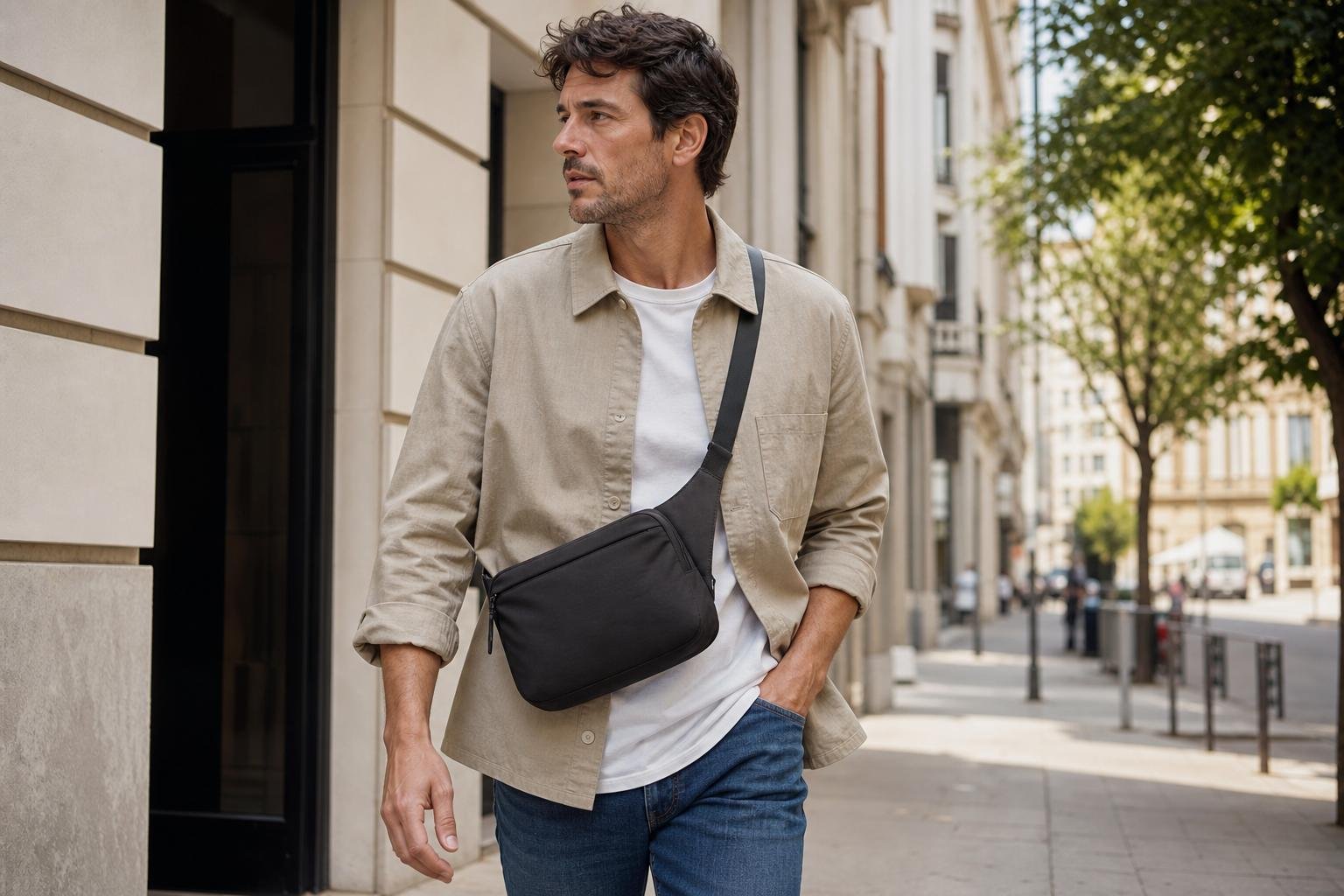
The best format is the one that fits naturally into your life. A compact crossbody works for a phone, wallet, keys, and a few small essentials. It is especially useful for city errands, concerts, casual travel, and days when you want your hands free.
A messenger bag offers more room and a more traditional workwear feel. It can carry documents, a tablet, and light office essentials, though a heavily loaded messenger may pull on one shoulder. If you routinely carry a laptop, look for a structured version with a padded compartment and a stabilizing strap.
A tote is one of the most versatile choices for work and weekends. It can handle larger items, including a change of clothes, lunch container, book, or laptop, while maintaining a clean profile. For commuting, choose a tote with a secure top closure and a reinforced base.
A briefcase or structured top-handle bag is the most formal option. It pairs naturally with tailoring and business dress, but it may be less adaptable for casual use. If you want one bag for multiple settings, a refined tote or slim messenger often offers more flexibility.
| Bag type | Best for | Typical capacity |
|---|---|---|
| Crossbody | Errands, travel, casual outings | Small essentials |
| Messenger | Commuting, tablet carry | Medium daily load |
| Tote | Work, weekends, gym-to-office | Larger daily load |
| Briefcase | Formal business settings | Documents and devices |
Material affects appearance, durability, maintenance, and weight. Leather is a classic choice for a handbag for men because it can look more refined with age when properly cared for. Smooth leather has a sleek, polished finish that works well with office clothing. Grained leather is typically more forgiving of light scratches and daily wear.
Canvas, nylon, and technical fabrics are practical alternatives. They are often lighter, easier to clean, and well suited to commuting or travel. A nylon crossbody can look intentional rather than overly sporty when it has restrained hardware, a simple shape, and a neutral color.
Suede brings texture and softness, but it requires more care in wet conditions. If you live in a rainy climate or expect hard daily use, consider leather, coated canvas, or durable synthetic fabric instead.
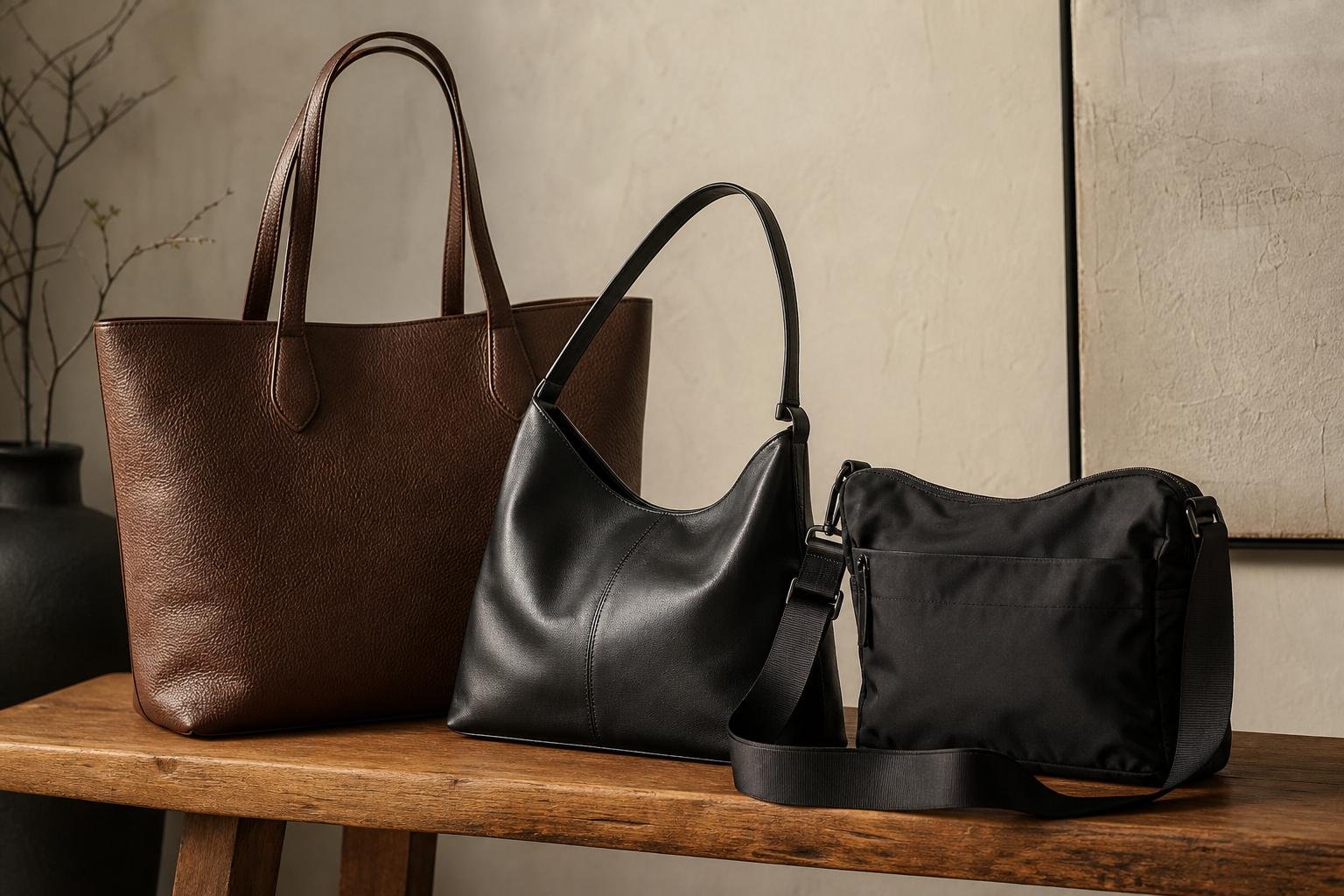
Color is equally important. Black, dark brown, navy, charcoal, and olive are versatile choices that coordinate easily with most wardrobes. Black tends to feel sharper and more urban, while brown leather can bring warmth to denim, chinos, knitwear, and earthy colors. Avoid choosing a shade simply because it looks striking in isolation; consider the shoes, outerwear, and belts you wear most often.
A bag should look balanced against your body and clothing. Oversized designs can overwhelm a lean frame or lightweight outfit, while an extremely small bag may look awkward when paired with heavy outerwear. There is no universal size rule, but proportion is worth noticing in a mirror before you commit.
For crossbody styles, position the bag where it is easy to access without restricting movement. Most people find that it sits comfortably around the lower chest or upper hip. A strap that allows adjustment is essential, particularly if you plan to wear the bag over coats.
A tote should sit close to the side of the body and remain comfortable in the hand or over the shoulder. Make sure its handle drop—the space between the top of the handle and the bag opening—is sufficient for your arm and any layers you commonly wear.
The right handbag for men should also complement the formality of your outfit. A structured leather bag looks at home with wool trousers, a blazer, and polished shoes. A soft canvas shoulder bag feels easier with denim, chore jackets, sneakers, and relaxed tailoring.
A clean exterior is appealing, but construction determines whether a bag remains useful. Examine the seams, edge finishing, lining, zippers, and attachment points where straps meet the body. These areas take the most stress over time.
Quality does not require excessive branding or decorative hardware. In fact, understated details often make a bag easier to wear across settings. Look for hardware that feels proportionate to the bag, a lining that does not bunch, and a base sturdy enough to help the bag stand when set down.
Interior layout should support your habits, not dictate them. If you carry a laptop, a padded sleeve is worthwhile. If you frequently reach for transit cards, headphones, or keys, an exterior pocket can be useful. But too many narrow compartments may waste space and make packing harder.
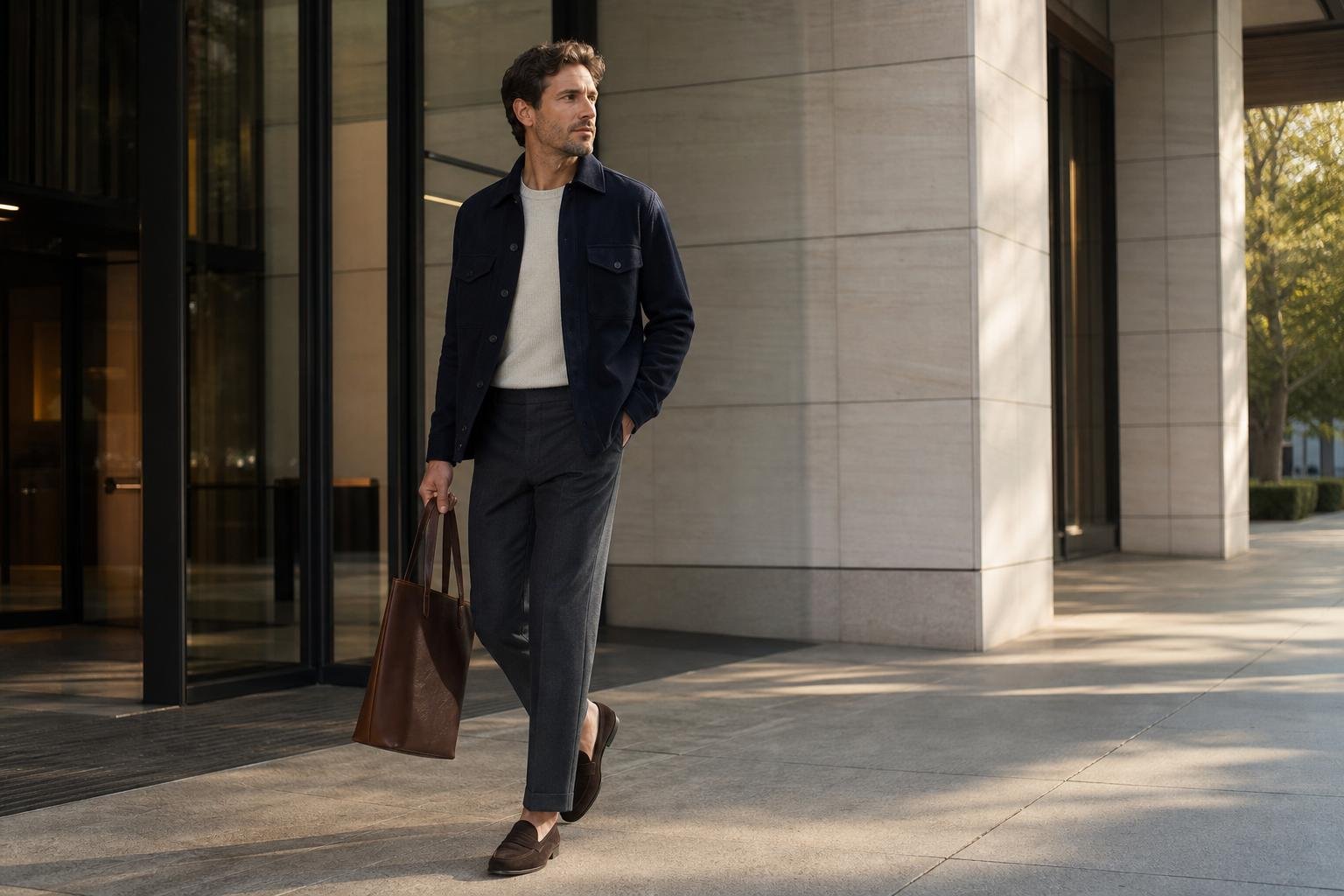
A handbag for men does not need to match every item exactly. Instead, aim for visual harmony. Black leather works easily with black footwear, charcoal outerwear, and cooler tones, while brown leather pairs well with navy, olive, cream, denim, and warmer neutrals.
For casual outfits, a compact crossbody can add structure to a T-shirt, overshirt, jeans, and sneakers. Keep the bag streamlined rather than overly tactical if you want it to feel more fashion-forward. With smart-casual clothing, a leather tote or slim messenger can sharpen the look without making it feel overly corporate.
For office outfits, choose a bag with a restrained silhouette and minimal visible hardware. A structured tote, document case, or refined messenger complements button-down shirts, knitwear, tailoring, and loafers. If your workplace is more relaxed, a clean nylon tote can bridge professional and casual dress.
Empty the bag regularly and remove crumbs, receipts, and loose pens that can stain the lining. Store it upright or lightly filled with clean tissue to help maintain its shape. Keep leather away from prolonged direct sunlight, excessive moisture, and heat sources.
Use products specifically intended for the material. Leather may benefit from occasional conditioning, while canvas and nylon usually respond well to gentle spot-cleaning with a soft cloth. Test any cleaner in an inconspicuous area first, and allow the bag to dry naturally.
The most useful handbag for men is one that earns its place in your routine. Prioritize capacity, comfort, durable construction, and a silhouette that works with the way you dress. A thoughtfully selected bag will make daily carry feel easier while adding a purposeful finishing detail to your wardrobe.