Physical Address
304 North Cardinal St.
Dorchester Center, MA 02124
Physical Address
304 North Cardinal St.
Dorchester Center, MA 02124

A designer’s portfolio reveals more than a label name. Learn how to evaluate a fashion house’s signatures, product categories, quality cues, and relevance to your wardrobe.
A fashion label is never just one runway look, handbag, or logo. A designer portfolio is the broader picture: the design signatures, product categories, materials, price positioning, and styling point of view that shape a brand over time. Learning to read that picture can make shopping more focused, whether you are considering one special piece or building a more intentional wardrobe.
The goal is not to collect labels for their own sake. It is to identify designers whose clothes, accessories, and visual language genuinely work with your lifestyle, proportions, budget, and existing closet.
A designer portfolio can refer to a creative’s body of work, but for a shopper, it is also a useful way to assess a fashion brand as a whole. It shows where a house is most convincing and which types of pieces are likely to feel authentic to its design language.
Some brands are strongest in precise tailoring, while others are known for expressive print, minimal knitwear, eveningwear, leather goods, or directional footwear. A recognizable identity does not mean every item will suit every wearer. It means the brand has a consistent point of view you can evaluate.
Look beyond a campaign image and consider the recurring details: silhouette, proportion, color palette, fabrication, finishing, and attitude. These are often more useful indicators than a seasonal theme.

Design codes are the visual and construction details that repeatedly appear in a label’s work. They may include a particular shoulder shape, a preferred use of drape, a recurring hardware finish, a recognizable print scale, or a consistent balance between masculine and feminine elements.
For example, a brand that favors sharp, elongated tailoring may appeal to someone who likes structure and clean lines. Another that repeatedly uses softened volume, gathered fabric, or relaxed cuts may suit a wardrobe built around movement and ease. Neither approach is inherently better; the useful question is whether the code complements how you dress.
Pay attention to the details that remain compelling when branding is removed. If you would still appreciate the cut of a jacket, the finish of a shoe, or the proportion of a bag without a visible logo, the item may have lasting relevance for you.
A well-known label may produce ready-to-wear, accessories, shoes, fragrance, eyewear, and licensed goods, but these categories are not always equivalent in design focus or construction. A thoughtful designer portfolio review distinguishes between what a brand is celebrated for and what it simply offers.
Consider the category you are shopping before assuming that a familiar name guarantees the right purchase. A house with a strong tailoring tradition may be a logical place to explore a blazer or wool coat. A brand with a history of leather craftsmanship may be more compelling for a belt, wallet, or handbag.
Use these questions to narrow your search:
A logo can signal affiliation, but design utility comes from fit, material, function, and repeat wear.
Fashion companies can organize their offerings in several ways. A main collection is generally the central expression of a label’s design identity. Secondary or diffusion lines may offer a different price point, a younger customer focus, or more casual styling. Licensed categories are often produced through partnerships, especially in areas such as eyewear, fragrance, or small accessories.
These distinctions do not automatically indicate good or bad quality. They do, however, help explain why items bearing related names can feel very different in fabric, design complexity, origin, or finishing.
When comparing pieces, evaluate the item itself. Read the fiber content, examine the seams and closures, assess the lining where applicable, and consider whether the price aligns with how often you expect to wear it. Labels and branding are context, not a substitute for inspection.
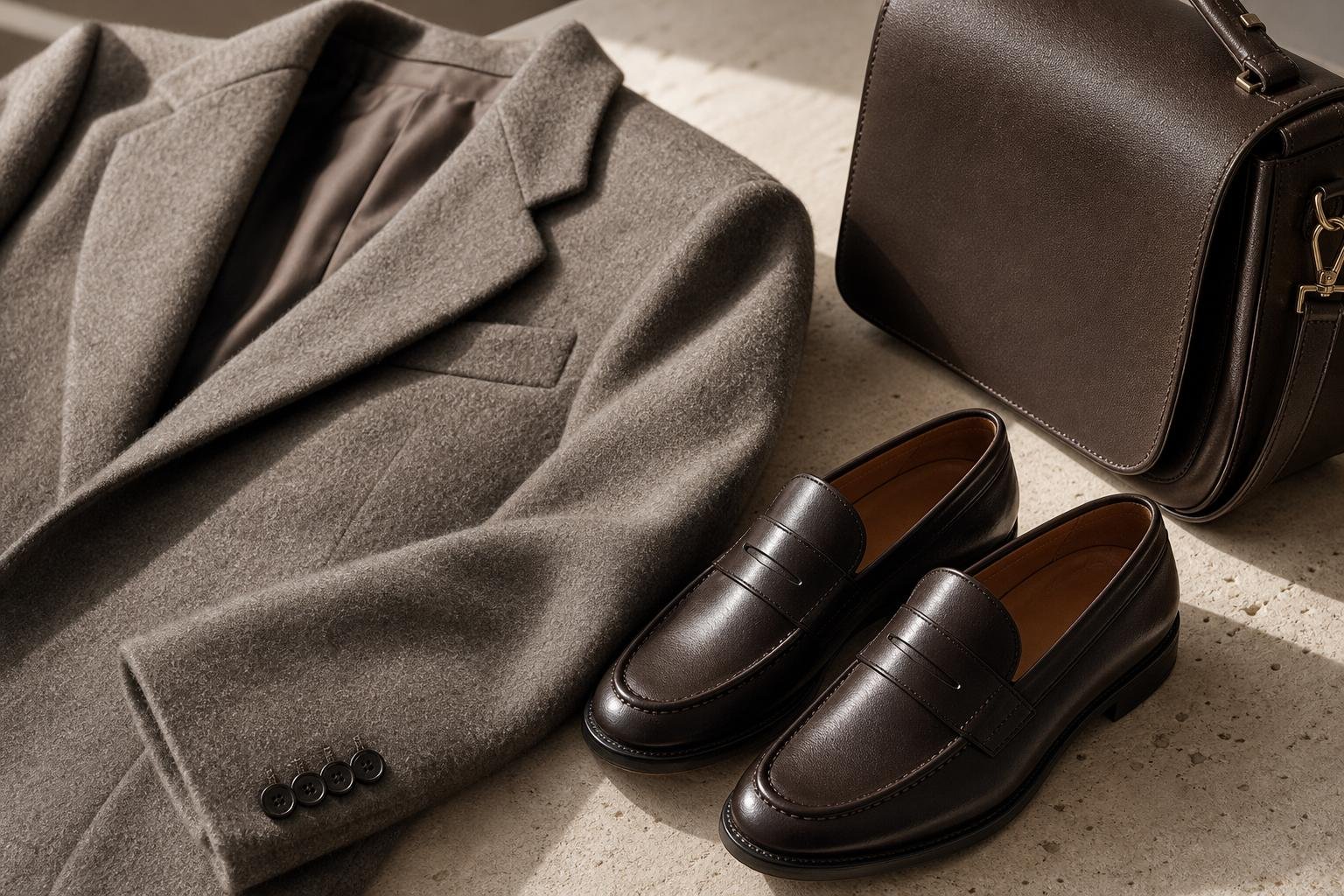
A polished designer item should meet the practical demands of its category. For clothing, that begins with fit. Check shoulder placement, sleeve length, waist ease, rise, and hem proportions before focusing on the label. The most beautiful fabric cannot compensate for a jacket that restricts movement or trousers that pull across the hip.
For bags and shoes, think about weight, closure function, strap comfort, interior organization, and how the material will wear over time. A structured leather bag may be elegant but impractical if it is too heavy for your routine. Delicate shoes may deserve a place in an occasion wardrobe but not as your everyday pair.
Construction details provide useful clues:
| Area | What to Assess | Why It Matters |
|---|---|---|
| Fabric | Fiber content, density, drape | Affects comfort and longevity |
| Seams | Alignment, stitching, reinforcement | Supports shape and wear |
| Hardware | Weight, smooth operation, secure attachment | Determines daily function |
| Lining | Clean finishing and appropriate structure | Improves durability and feel |
Alterations can refine a good garment, but they cannot always solve a poor foundation. A blazer can often be adjusted at the waist or sleeve, while a shoulder that is too narrow or too wide is more difficult to correct.
Your personal designer portfolio does not need to include many labels. A small group of brands with distinct strengths is often more useful than a collection of unrelated impulse buys. Think in terms of wardrobe roles rather than prestige.
You might prefer one designer for durable knitwear, another for special-occasion pieces, and a third for understated accessories. This approach lets each purchase earn its place while avoiding a closet that feels like a series of disconnected fashion moments.
Before adding a new label, take stock of what you already wear most. If your closet is full of relaxed denim, cotton shirting, and flat shoes, a highly formal eveningwear brand may be best reserved for an occasional piece. If you wear tailored separates several days a week, investing in a well-cut jacket may have greater value than a novelty accessory.

A signature piece can be worthwhile when it reflects your taste and has a clear place in your life. That might be a distinctive coat, an artful shoe, or a printed dress you wear for celebrations. The key is to recognize it as a statement item rather than expect it to perform like a neutral staple.
For everyday purchases, prioritize versatility. Neutral colors are not the only route to repeat wear; a distinctive color can work hard if it coordinates with your usual palette. Similarly, a dramatic silhouette can be practical if it layers easily and feels comfortable throughout the day.
Try the “three-outfit” test before buying. Style the item mentally with three existing looks, using clothing you already reach for. If every outfit requires new shoes, a different bag, or a specific occasion, reconsider its role.
The most common mistake is treating every designer product as an equivalent purchase. A label’s strongest category may not be the category you are considering. Another misstep is buying based on visibility alone, especially when a less conspicuous item has better material, fit, or versatility.
Avoid assuming that price always predicts personal value. A costly garment that remains unworn is not automatically more successful than a modestly priced piece with excellent fit and frequent use. Likewise, a trend-forward design can be a smart choice when it aligns with your style rather than replacing it.
A useful designer portfolio is ultimately selective. It reflects the brands and pieces that help you dress with more clarity, not more complication.
Review the brand’s recurring silhouettes and strongest product categories, then inspect the specific item’s material, fit, construction, and care requirements. Compare it with similar pieces you already own and would realistically wear.
A signature item makes sense when you genuinely like the design beyond its recognizability and can picture wearing or using it regularly. Consider its condition, maintenance needs, and compatibility with your wardrobe.
Not necessarily. They may use different materials, production methods, price points, or styling approaches than a main line. Assess each item on its own construction, fabric, fit, and intended use.
Reading a designer portfolio helps you shop with a sharper eye. Instead of relying on a name alone, assess the brand’s design codes, category strengths, craftsmanship, and fit with your real wardrobe. The most rewarding fashion purchases are not simply recognizable—they are useful, well considered, and unmistakably your own.