Physical Address
304 North Cardinal St.
Dorchester Center, MA 02124
Physical Address
304 North Cardinal St.
Dorchester Center, MA 02124
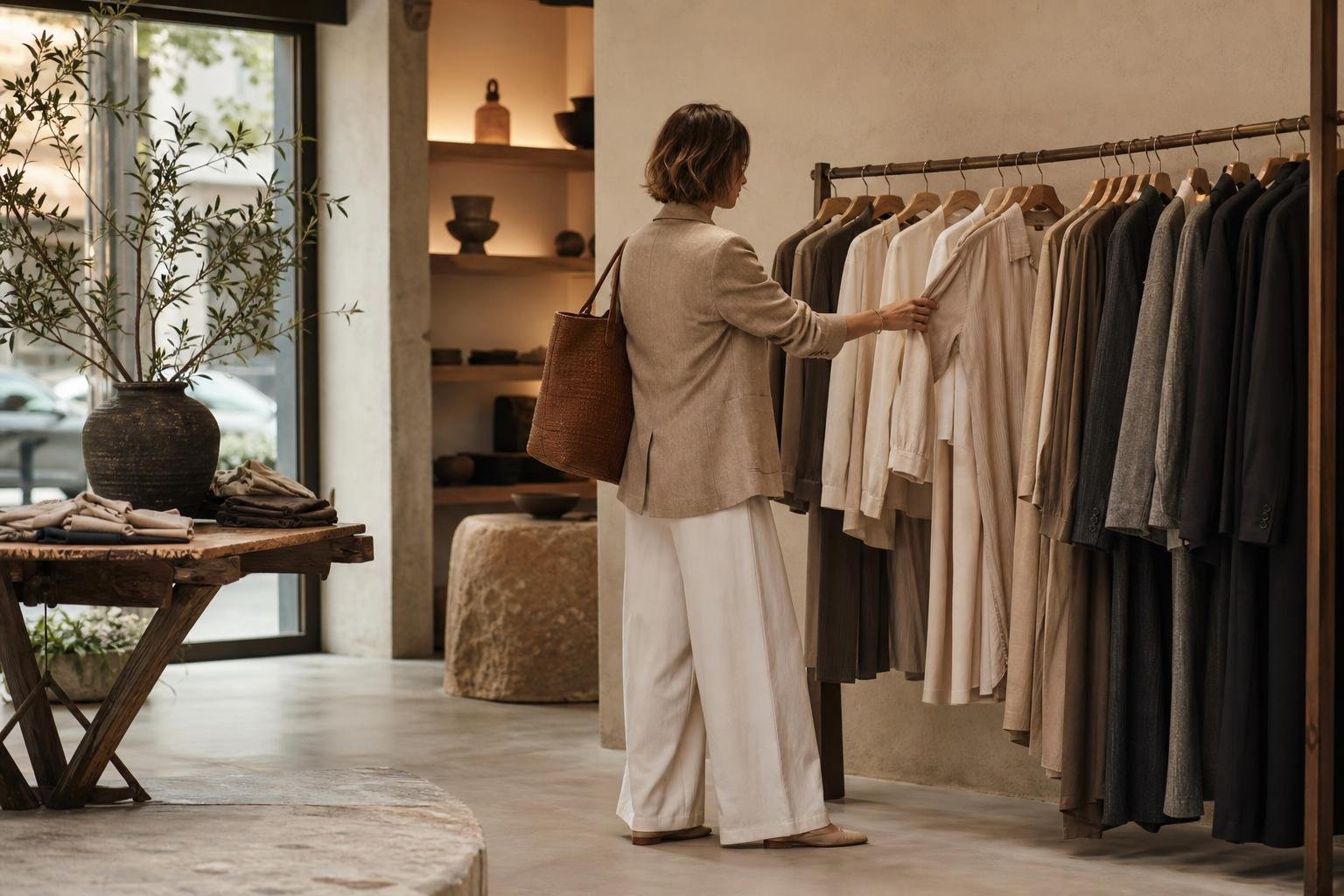
A useful designer wardrobe is less about collecting labels and more about recognizing the brands, materials, silhouettes, and details that suit your life. Use this guide to shop with clarity.
Designer clothes can make a wardrobe feel more personal, polished, and intentional—but a recognizable label alone does not guarantee the right purchase. The most rewarding pieces align with your style, fit your routine, and offer enough versatility or craft to justify their cost.
Rather than approaching luxury fashion as a single category, think of it as a wide field of design perspectives. Some labels are known for precise tailoring, others for romantic eveningwear, inventive proportions, elevated knitwear, or relaxed sportswear. Knowing what each type of brand does well helps you shop with more confidence and fewer compromises.
Before comparing labels, define what you actually wear. Review the clothes you reach for repeatedly and note their common traits: color palette, fabric weight, level of structure, hem length, neckline, and overall mood. A sharply tailored wardrobe may benefit from a designer blazer or wool trouser, while someone who dresses casually may get more value from refined denim, knitwear, or an exceptional coat.
It also helps to consider where a piece will live in your life. A dramatic runway-inspired dress can be beautiful, but a well-cut jacket that works for meetings, dinners, and travel may earn far more wear. The best purchase is not necessarily the most formal or visually striking one; it is the one that reliably solves a wardrobe need.
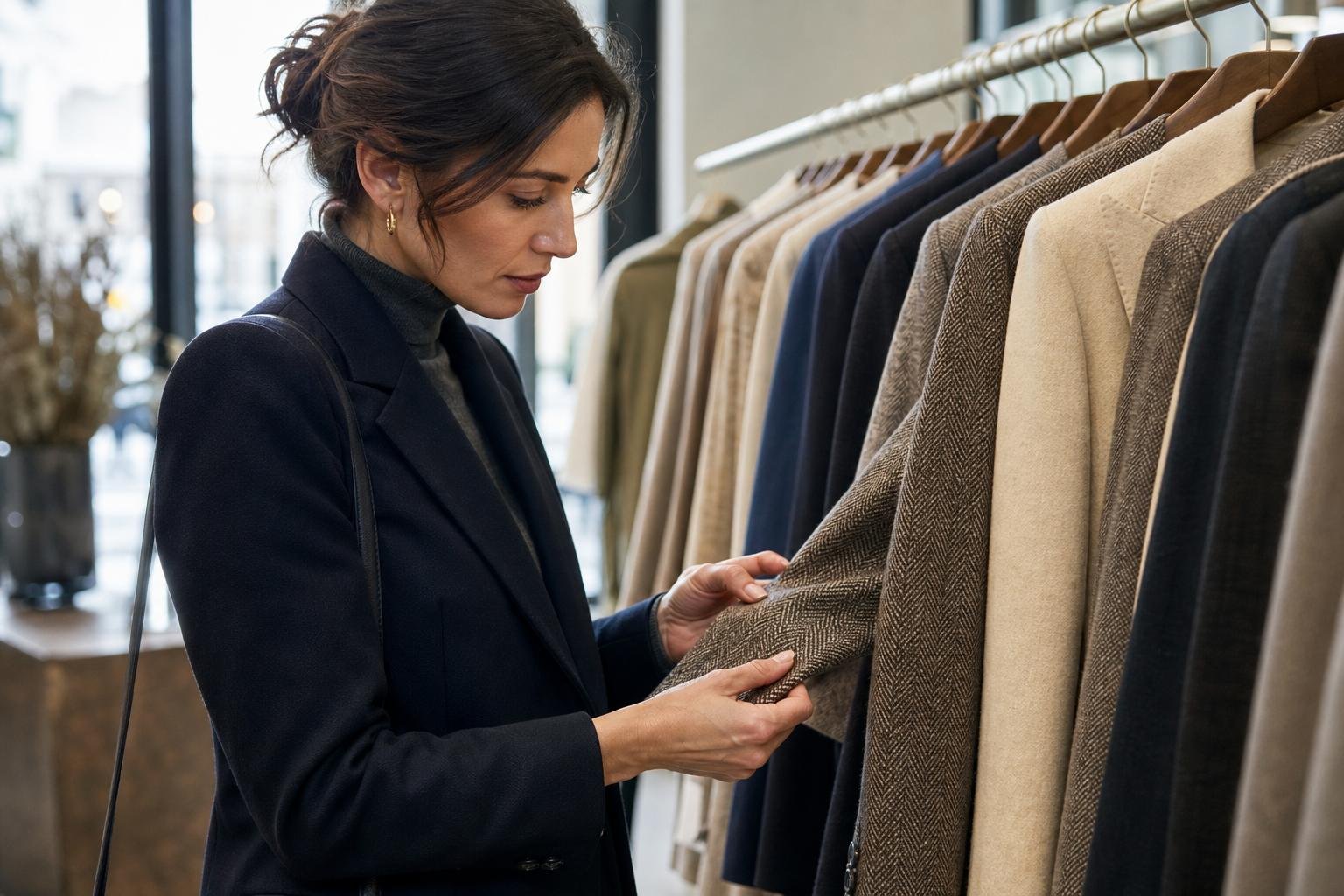
Price can reflect design, fabric development, skilled labor, limited production, brand positioning, and distribution costs. It does not automatically mean every item is equally durable or suitable for every buyer. Evaluate each garment on its own merits, especially when comparing pieces across different houses and price points.
Look first at the fabric composition and hand feel. Natural fibers such as wool, cashmere, silk, linen, and cotton can be excellent choices, but composition alone does not determine quality. A tightly woven cotton poplin, dense wool suiting, or substantial silk crepe may hold its shape differently than a lighter or more delicate alternative. Read care labels carefully, particularly for pieces that require professional cleaning or gentle hand care.
Construction is another useful indicator. Examine whether stripes, plaids, or prints align at seams; whether hems lie flat; and whether buttons, zippers, linings, and closures feel secure. On tailored items, assess the shoulder line, sleeve pitch, lapel roll, and the way the garment falls when you move. Fine details matter because they influence comfort, longevity, and how polished the piece appears in daily wear.
Fit should always outweigh the number on the label. Sizing differs substantially among luxury brands, and some designers intentionally cut with oversized, narrow, cropped, or elongated proportions. Check garment measurements when available, especially shoulder width, chest, waist, rise, inseam, and total length. For reference, an inseam is measured from the crotch seam to the hem; compare it to trousers you already enjoy wearing.
A brand guide is most useful when it focuses on design language rather than treating every luxury label as interchangeable. The categories below can help narrow your search.
| Brand approach | Often known for | Smart first purchase |
|---|---|---|
| Heritage tailoring | Coats, suiting, leather goods, classic finishes | Blazer, wool coat, trousers |
| Modern minimalism | Clean lines, neutral colors, refined basics | Knitwear, shirting, dress |
| Romantic or feminine design | Draping, embellishment, soft color, occasion pieces | Evening top, dress, skirt |
| Directional fashion | Unusual proportions, conceptual detail, statement styling | Shirt, knit, accessory-level piece |
| Elevated casualwear | Denim, jersey, relaxed tailoring, outerwear | Jeans, sweatshirt, overshirt |
Heritage-oriented houses can be a natural fit if you favor longevity, traditional wardrobe building, and recognizable tailoring codes. Their strongest categories are often outerwear, structured jackets, leather pieces, and formalwear. These garments may be especially useful when you want a foundation item that can remain relevant across many seasons.
Minimalist designer brands tend to appeal to shoppers who prefer clean silhouettes over obvious logos. Their value often lies in cut, texture, proportion, and restrained color. A simple black dress, cream sweater, or fluid trouser can be deceptively difficult to execute well, so this category rewards close attention to fabric, drape, and fit.
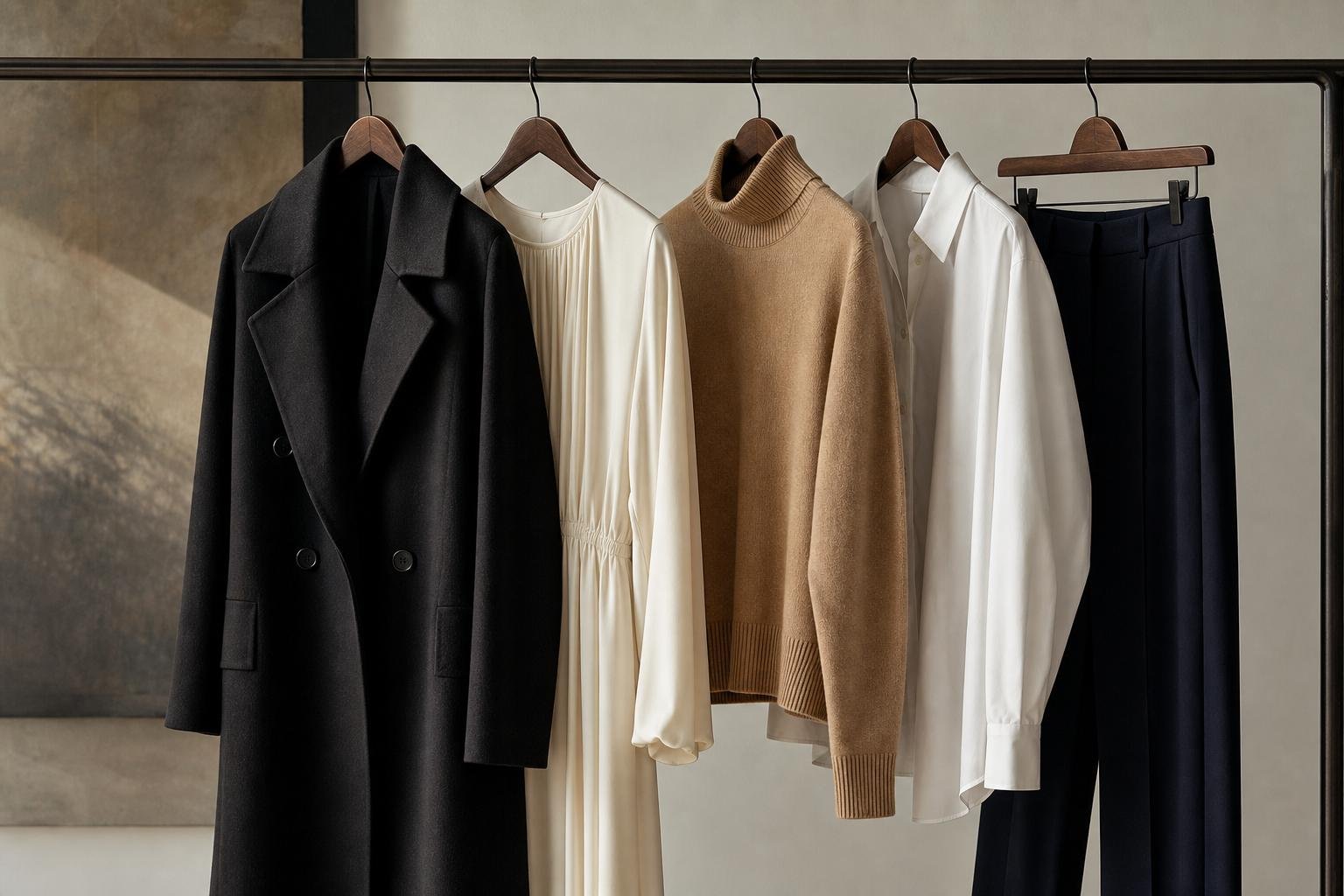
More expressive designers may prioritize print, embellishment, sculptural volume, or theatrical styling. These labels can add personality to a wardrobe, but they are best approached with an honest sense of occasion. If a full-look statement feels too limiting, try one distinctive component—such as a patterned shirt, textured knit, or artful skirt—and pair it with familiar basics.
When shopping designer clothes, begin with categories where you can perceive a meaningful difference. Tailoring, coats, shoes, handbags, knitwear, and special-occasion garments often reveal distinctions in cut, materials, or finishing more clearly than simple basics. That does not mean a luxury T-shirt cannot be worthwhile, but it should offer exceptional fit, fabric, or frequent use to earn its place.
Use a cost-per-wear mindset without turning it into a rigid formula. A coat worn regularly over several years may provide strong value, while an elaborate item worn once may still be worthwhile if it marks a meaningful occasion. The key is to distinguish emotional value from everyday utility and to buy consciously in either case.
Try garments on with the underlayers and shoes you would realistically wear. Sit down, raise your arms, walk, and check the back view. If you are considering tailoring, make sure the alteration is feasible. Hemming trousers and adjusting sleeve length are often straightforward; major changes to shoulders, armholes, jacket balance, or complicated embellishment can be difficult and costly.
Not every luxury item needs to be timeless. A trend-led piece can be a satisfying addition when you genuinely love it and expect to wear it now. The goal is not to eliminate fashion risk, but to recognize it. Trend purchases work best when their price, care demands, and styling limitations are in proportion to the role they will play in your wardrobe.
For long-term pieces, favor silhouettes you have already proven in your own closet. If you consistently wear straight-leg trousers, for example, an expertly made pair may be a smarter investment than a wide-leg style you admire only in photographs. Similarly, choose colors that work with your existing outerwear, footwear, and bags.
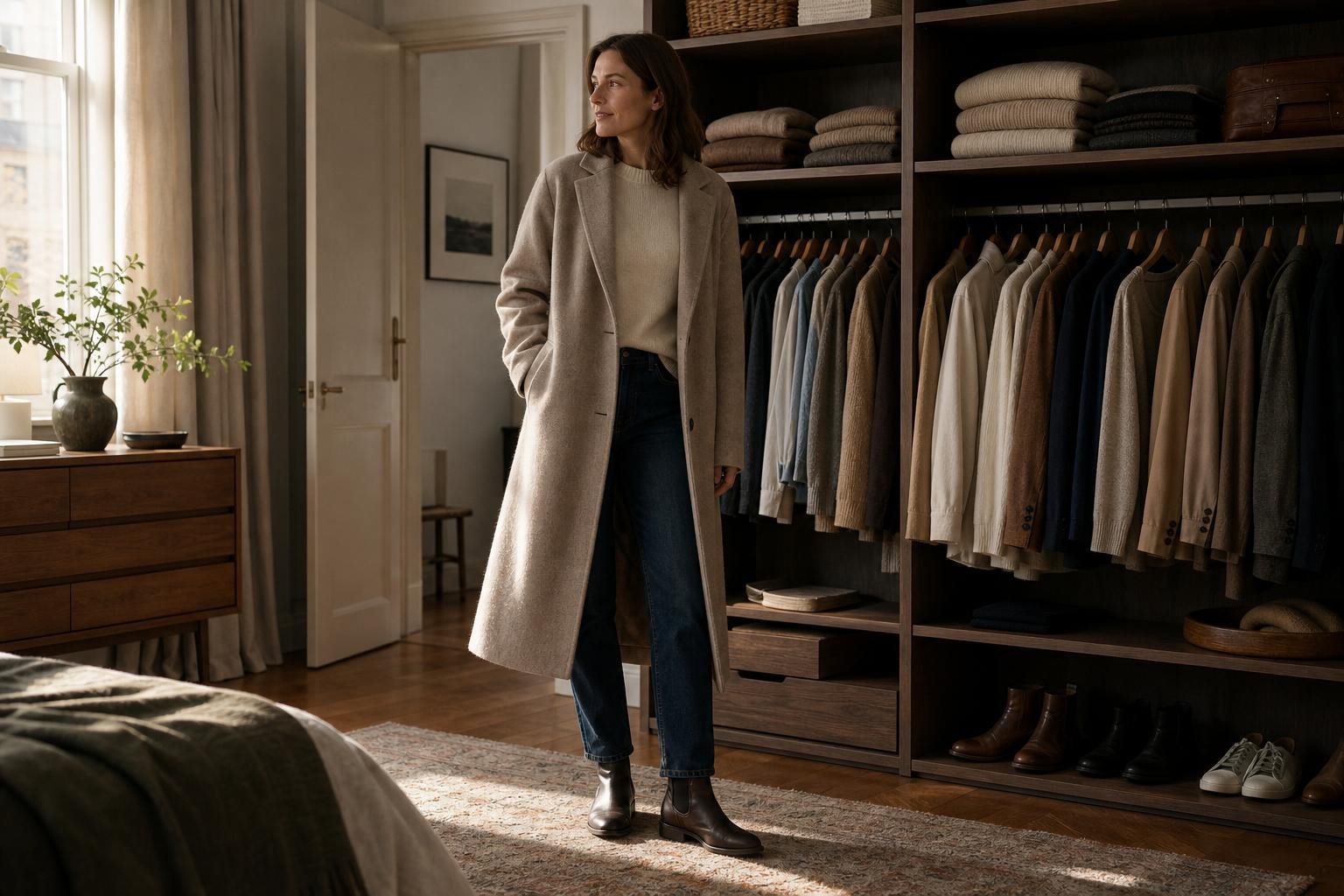
Care is part of the ownership equation. Delicate knits may need folding rather than hanging, structured jackets may benefit from proper hangers, and leather or suede requires protection from moisture and abrasion. Keep receipts, spare buttons, dust bags, and care information when possible. These details can support repairs, maintenance, and eventual resale.
Pre-owned shopping can make luxury fashion more accessible and can offer access to discontinued designs. It is particularly useful for classic coats, bags, occasionwear, and pieces from established collections. However, condition and authenticity deserve careful attention. Review clear photographs, ask about alterations and flaws, inspect measurements, and understand the seller’s return policy before committing.
Resale value should be a secondary consideration, not the sole reason to buy. Market demand varies by brand, category, condition, size, and design. A piece you will wear often and care for properly is generally a more dependable purchase than one selected only for the possibility of future resale.
A thoughtful designer wardrobe is built through observation: knowing which silhouettes flatter you, which brands speak to your style, and which garments will serve a real purpose. Designer clothes become more worthwhile when you assess fabric, construction, fit, care, and repeat wear—not just the name on the label.
Choose fewer pieces with a clear role in your closet, allow room for personality, and take the time to evaluate each item closely. That approach makes luxury fashion feel less intimidating and far more useful.