Physical Address
304 North Cardinal St.
Dorchester Center, MA 02124
Physical Address
304 North Cardinal St.
Dorchester Center, MA 02124
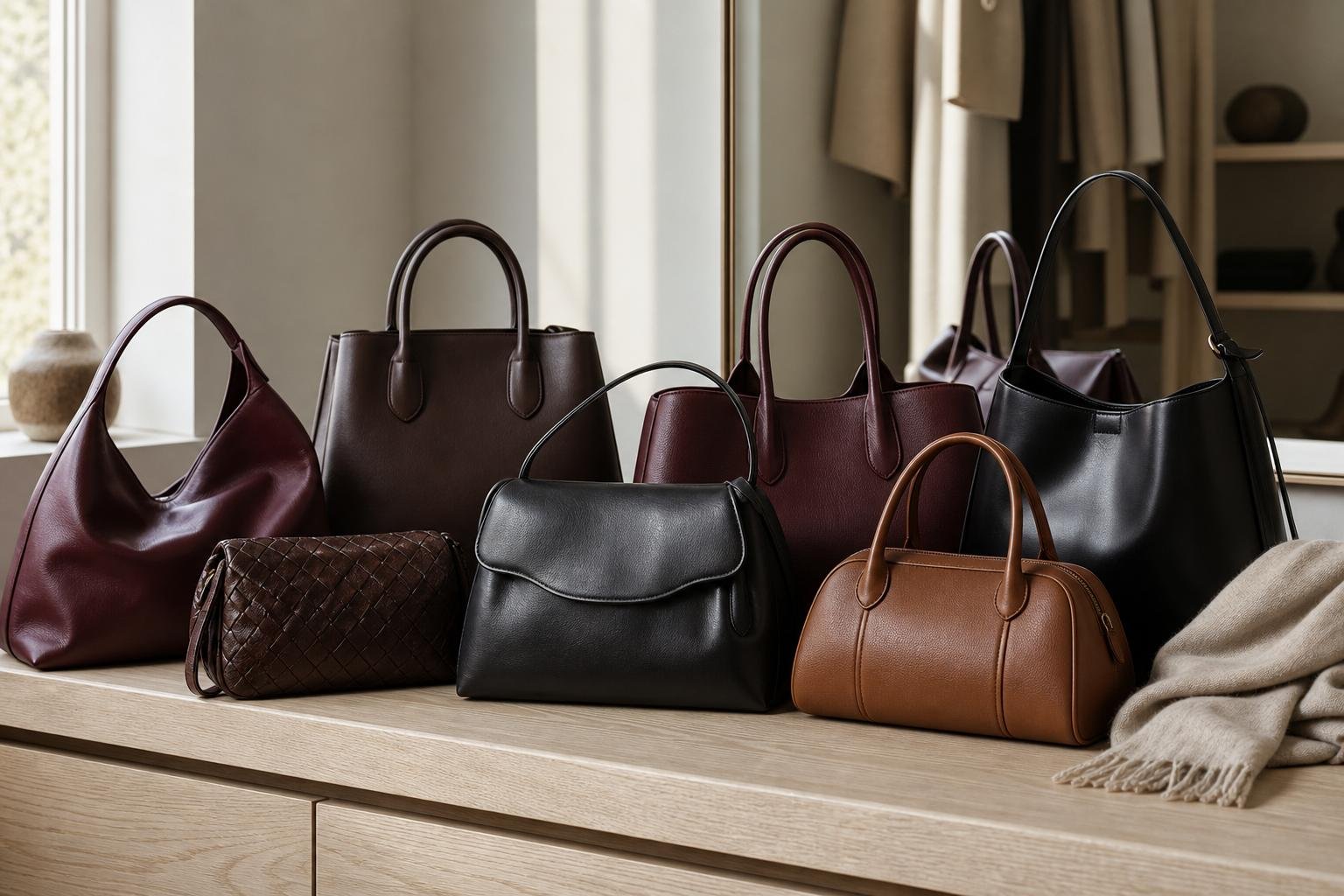
A designer handbag should suit more than a mood board. This guide explains how to evaluate shape, materials, craftsmanship, versatility, and pre-owned options before you buy.
A great bag earns its place through use, not just recognition. The best designer bags combine a silhouette you will reach for often with materials and construction that can handle your actual routine. Before focusing on a label, decide what you need the bag to carry, how you prefer to wear it, and whether it works with the clothes already in your closet.
A considered purchase also means looking beyond a bag’s first impression. Hardware, lining, strap construction, closures, and repairability all affect how a piece wears over time. Whether you are buying new or pre-owned, a clear set of criteria will help you choose well.
Start with function. A beautiful mini bag may be perfect for dinner but frustrating for a full day away from home; an oversized tote may look polished but feel cumbersome on a crowded commute. Think through the items you carry daily: phone, keys, wallet, glasses, cosmetics, water bottle, tablet, or laptop. Then account for the room needed to retrieve them without unpacking the entire bag.
Consider how the bag will sit on your body. A short top handle works best when you are comfortable carrying it in hand or on the forearm. A shoulder bag should have enough strap drop to fit over your usual outerwear. Crossbody straps offer hands-free ease, but adjustable straps are especially useful if you are petite, tall, or like to vary your proportions.
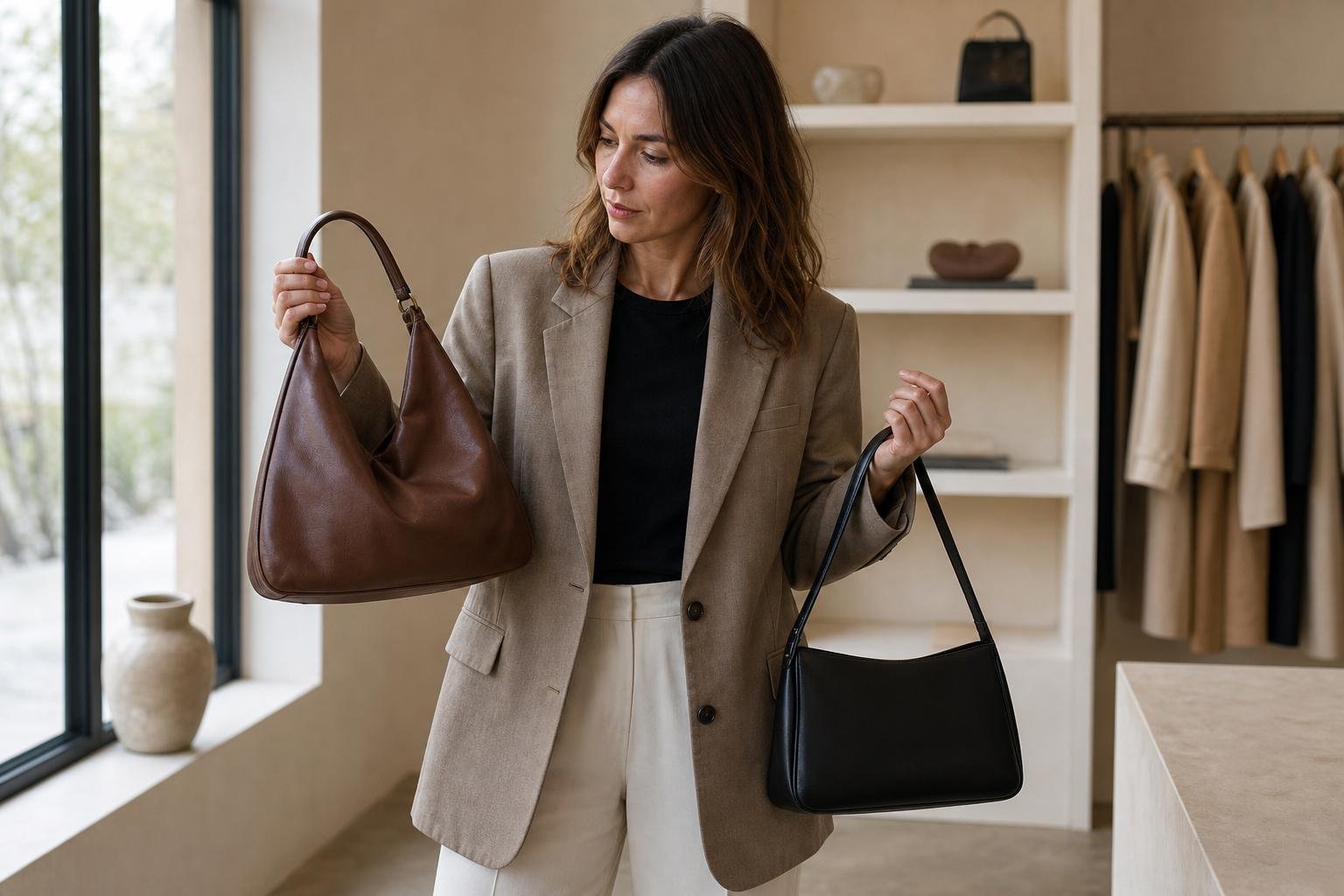
There is no single “right” handbag shape. A compact shoulder bag can transition easily from daytime to evening, while a structured top-handle bag often gives tailored outfits a sharper finish. Softer hobo and bucket shapes feel more relaxed and can accommodate irregularly shaped essentials. Totes and larger satchels are practical for work, travel, and days when you need to carry more.
| Bag style | Best for | Consider before buying |
|---|---|---|
| Shoulder bag | Everyday wear, dinners, city errands | Strap drop and closure security |
| Crossbody | Travel, commuting, hands-free days | Strap comfort and interior capacity |
| Structured top-handle | Polished outfits, events, office settings | Weight and limited carrying options |
| Tote | Work, travel, daily essentials | Organization, closure, and handle durability |
Aim for a shape that complements your habits rather than one that requires you to change them. If you usually dress simply, a distinctive bag can add personality. If your wardrobe already includes prints, texture, and bold color, a clean, understated shape may prove more versatile.
Leather is common in luxury handbags, but not all leather performs the same way. Smooth, untreated leather often develops a rich patina but can show scratches and water marks more readily. Grained leather tends to be more forgiving for frequent use because its textured surface disguises minor wear. Suede has depth and softness, yet it needs more protection from moisture, color transfer, and dirt.
Canvas, coated fabric, woven materials, and textiles can make a bag lighter or more casual, but inspect their edges and corners carefully. These high-contact areas reveal whether a material is likely to fray, crack, or discolor. Consider climate, too: delicate suede and pale untreated leather demand more care in rainy or high-contact environments.
Look closely at the finishing details. Even stitching, neat edge paint, secure hardware, and a smoothly functioning zipper are positive signs. A lined interior can add structure and protection, though an unlined leather interior is not inherently a flaw; it simply creates a different feel and may show marks more easily. Test clasps, magnetic closures, and straps before committing when possible.
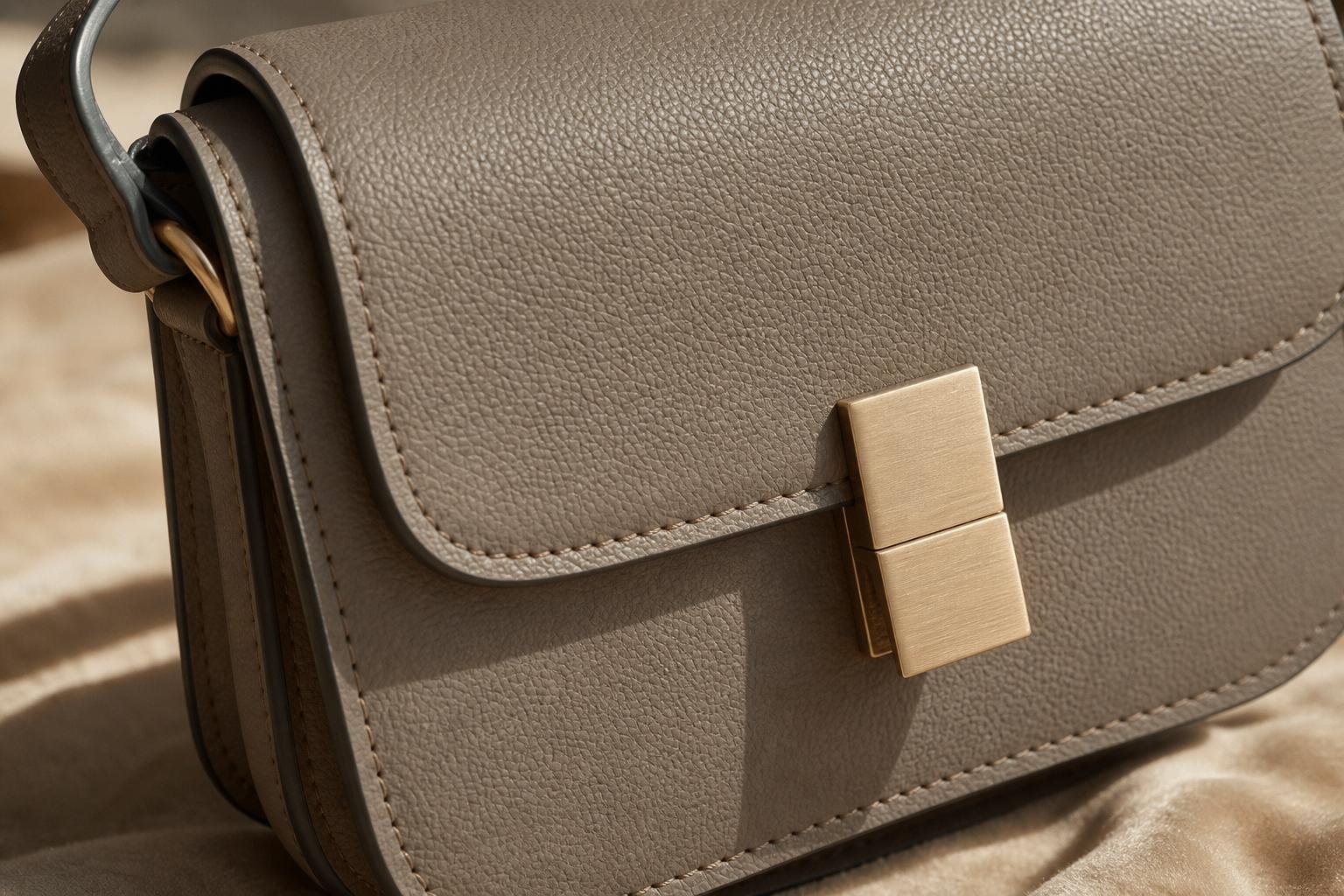
Neutral shades are often the easiest entry point because they coordinate with many wardrobes. Black offers a sleek, low-maintenance option, while medium brown, cognac, taupe, navy, and deep burgundy can feel just as versatile with softer contrast. A neutral does not have to mean bland: texture, shape, and hardware can make a restrained color feel distinctive.
That said, color can be a practical choice rather than a risky one. A bright bag may be exactly right if most of your clothes are neutral or if you want one accessory to animate simple outfits. The key is to imagine at least three outfits you already wear, including one in a different season. If the bag works only with a single occasion outfit, its cost per wear may be difficult to justify.
Also consider how visible wear will be. Light-colored bags can pick up dye transfer from dark denim, while very dark linings can make small items difficult to find. Metallic finishes, pale suede, and high-shine patent materials may require more deliberate handling than matte, textured leather.
A new purchase gives you the cleanest starting point and may include original packaging or brand-provided care information. It can also be the simplest route if you want a current style, a specific color, or an untouched interior. Read return terms before purchase, especially for items bought online, and retain any documentation you receive.
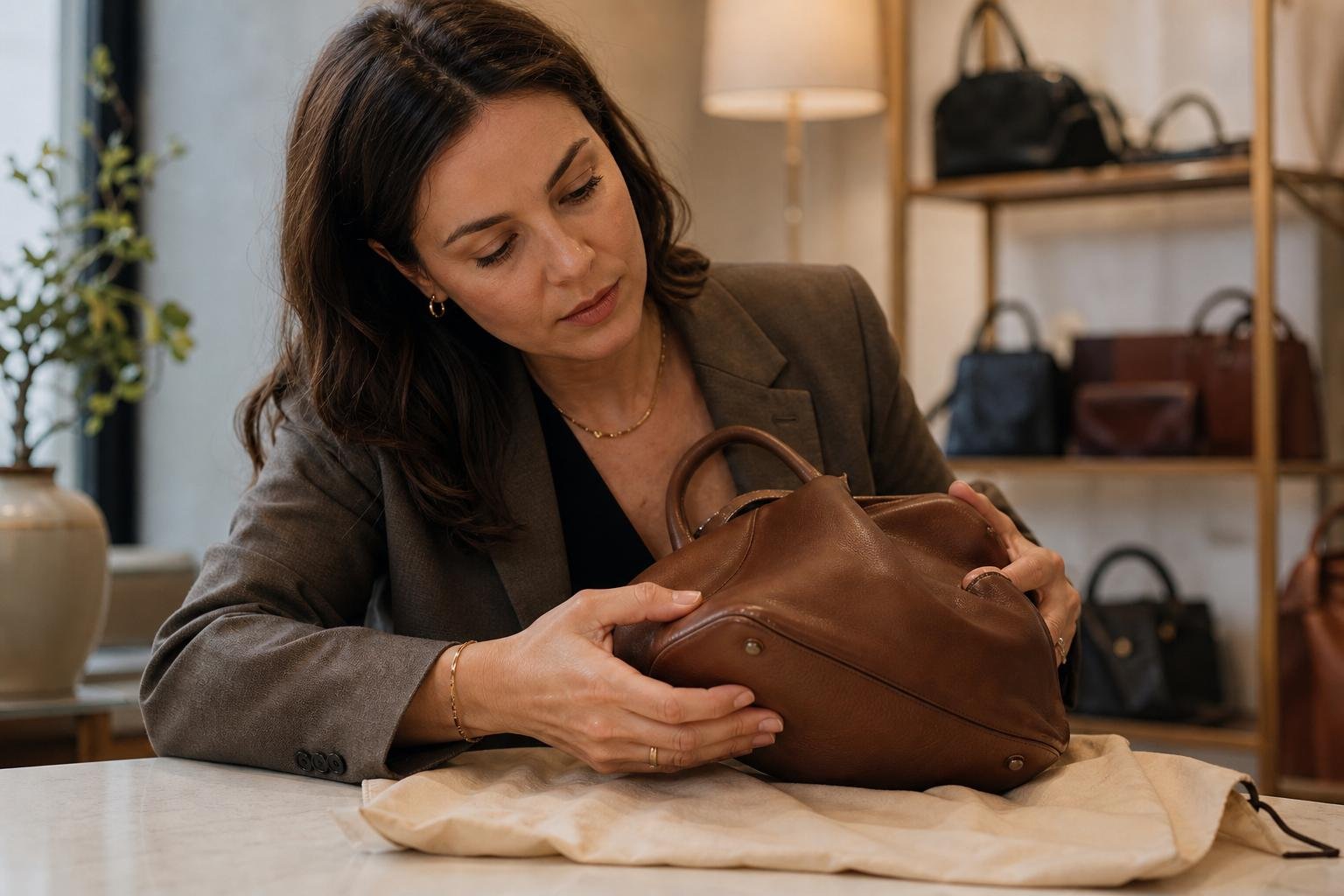
Pre-owned designer bags broaden the field considerably. You may find discontinued colors, older constructions, or styles with more character than their newer counterparts. Condition descriptions matter: ask for clear images of corners, handles, lining, hardware, glazing, and any areas of peeling, odor, staining, or repairs. An honest condition report is more valuable than vague phrases such as “excellent condition.”
Vintage pieces can be rewarding but deserve particular scrutiny. Older bags may have dry leather, weakened adhesives, tarnished hardware, or linings that need specialist attention. Factor possible restoration into your decision, and buy from sellers with transparent authentication and return practices. Authentication materials can support a purchase, but quality, condition, and seller accountability should remain central to your evaluation.
Some buyers care about resale potential, while others simply want a beautiful, durable accessory. Both approaches are valid. Resale value is influenced by demand, condition, material, color, completeness of accompanying items, and shifts in taste, so it should not be treated as guaranteed. Buy a bag primarily because you want to use it.
A more useful definition of value is wearability over time. A bag that fits your essentials, works with your wardrobe, and remains comfortable to carry may deliver more satisfaction than a more recognizable piece that stays in its dust bag. If you are deciding between two options, favor the one that solves a real wardrobe need.
Protect the shape by storing a bag upright and lightly filled with acid-free tissue or clean, undyed fabric. Avoid overstuffing, which can stretch handles, strain seams, and distort closures. Keep it in a breathable dust bag rather than sealed plastic, and store it away from direct sunlight, heat, and humidity.
Wipe smooth leather gently with a dry, soft cloth after regular use. Treat spills promptly according to the material, and use professional leather care for significant stains or damage rather than experimenting with harsh cleaners. Rotate frequently used bags when possible, particularly if they have delicate corners, pale leather, or chain straps that can rub against the surface.
The right designer bags purchase balances delight with practicality. Prioritize capacity, comfort, material, construction, and the life you genuinely lead. When a bag suits your routine and feels like an extension of your personal style, it is far more likely to become a lasting part of your wardrobe.