Physical Address
304 North Cardinal St.
Dorchester Center, MA 02124
Physical Address
304 North Cardinal St.
Dorchester Center, MA 02124
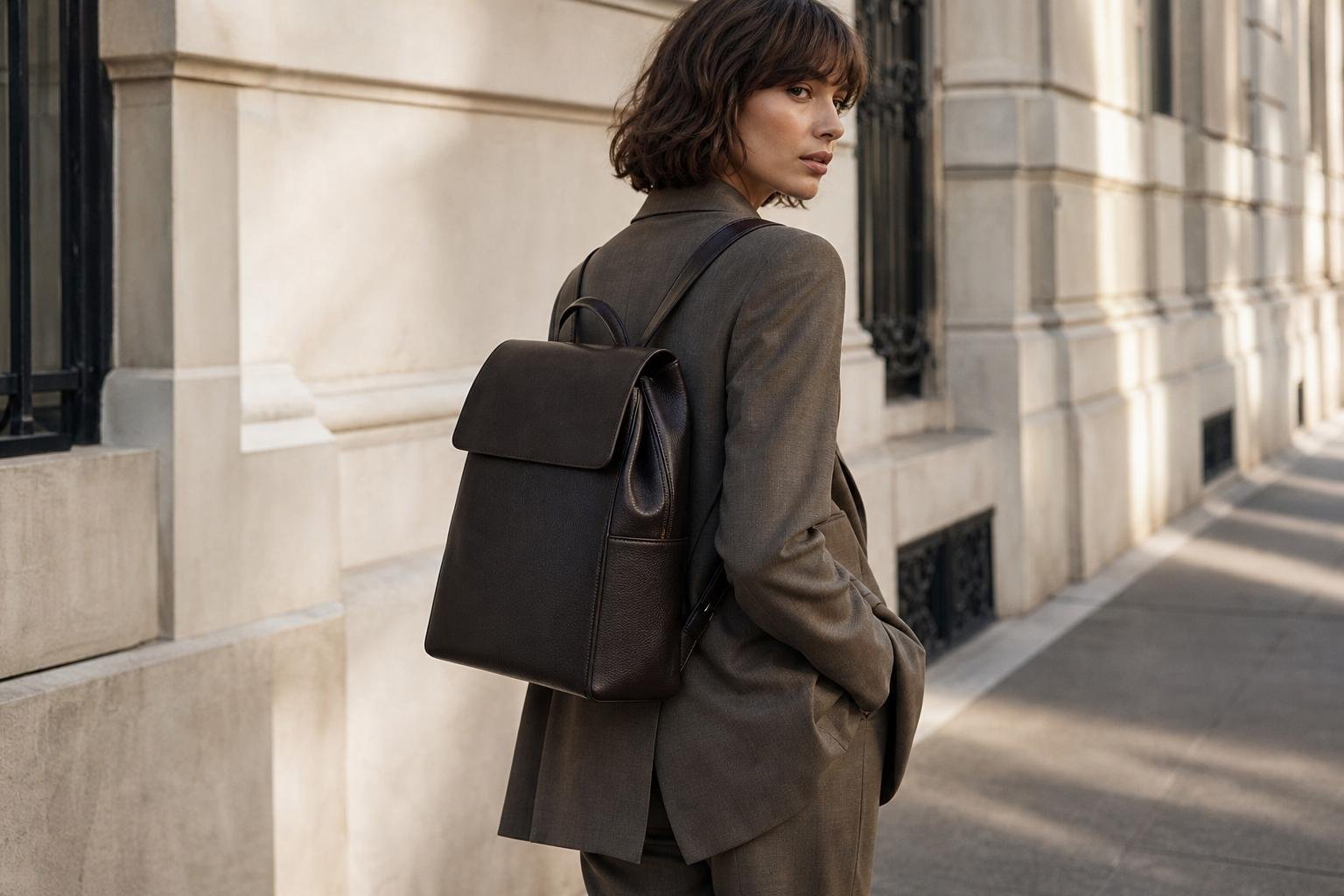
A luxury backpack should balance polished design with the practical demands of your daily routine. Use this guide to compare materials, proportions, features, and styling potential before you buy.
A designer backpack can offer more than hands-free convenience: it can bring structure, texture, and a refined finish to an everyday wardrobe. The strongest choice is not necessarily the largest, flashiest, or most logo-forward option. It is the one that suits how you commute, what you carry, and how you prefer to dress.
Before focusing on a label or a seasonal color, compare construction, capacity, comfort, and versatility. These details determine whether a bag becomes a regular part of your rotation or stays on a shelf because it is too precious, too small, or simply impractical.
Start by defining the bag’s job. A compact style designed for weekends and errands has different requirements from one intended for an office commute, frequent travel, or parenting duties. This simple distinction narrows the field quickly and helps prevent buying a beautiful bag that cannot accommodate your daily essentials.
A small backpack generally works well for a phone, wallet, keys, sunglasses, and a few personal items. A medium design can often handle a tablet, water bottle, makeup pouch, and light layer. Larger options may fit a laptop or travel necessities, but their proportions need to be considered carefully if you have a smaller frame or prefer streamlined outfits.
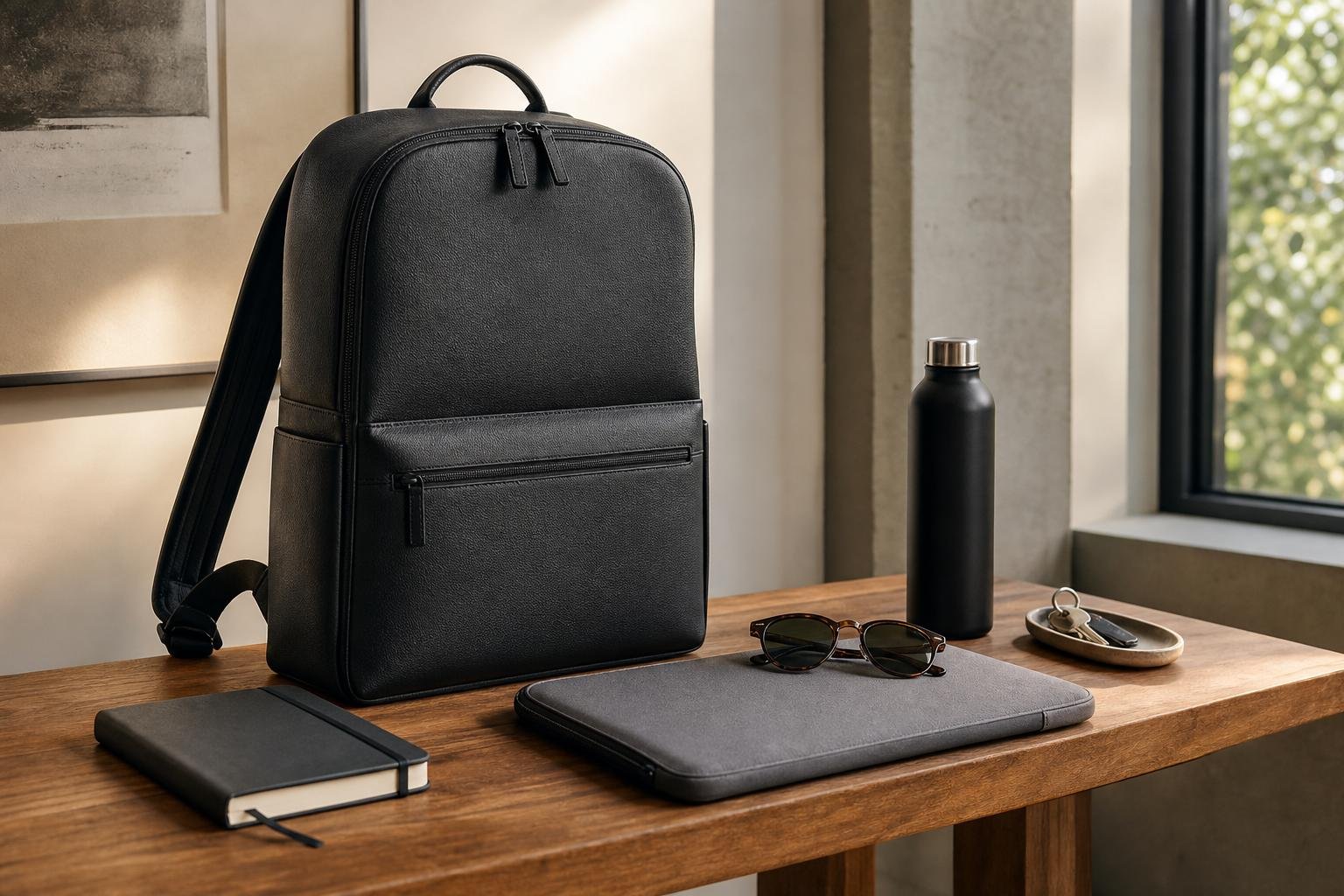
Do not rely on general size labels alone. Check a bag’s stated dimensions and compare them with items you carry regularly. If a laptop is essential, measure it before shopping and remember that internal padding, zip openings, and tapered silhouettes can reduce usable space.
For daily use, consider whether the bag can hold the following without becoming overstuffed:
A bag that is packed to its limit each day can strain zippers, distort leather, and make access frustrating. Choosing slightly more capacity than you think you need is often wiser than relying on an oversized silhouette.
Backpacks sit higher on the body than shoulder bags, so proportion matters. A compact style with narrow straps can look polished with tailored trousers, dresses, or denim. A larger, more structured profile has a utilitarian effect and tends to pair naturally with relaxed outerwear, sneakers, and casual separates.
Pay attention to the depth as well as the height and width. An overly deep bag can protrude behind the body and feel cumbersome in crowded spaces. A flatter profile usually looks more refined for city wear, though it may limit what you can pack.
Material affects appearance, maintenance, weight, and longevity. Leather remains a classic choice because it can develop character over time and often works across casual and polished settings. Smooth leather has a clean, formal appearance but can show scratches. Grained leather is typically more forgiving for frequent use because its textured surface disguises minor wear.
A coated canvas or treated fabric option can be lighter and easier to maintain, especially for travel or wet-weather commutes. Nylon can be an excellent practical material when it is paired with sturdy trim and thoughtful hardware, though it creates a more casual visual effect than leather.
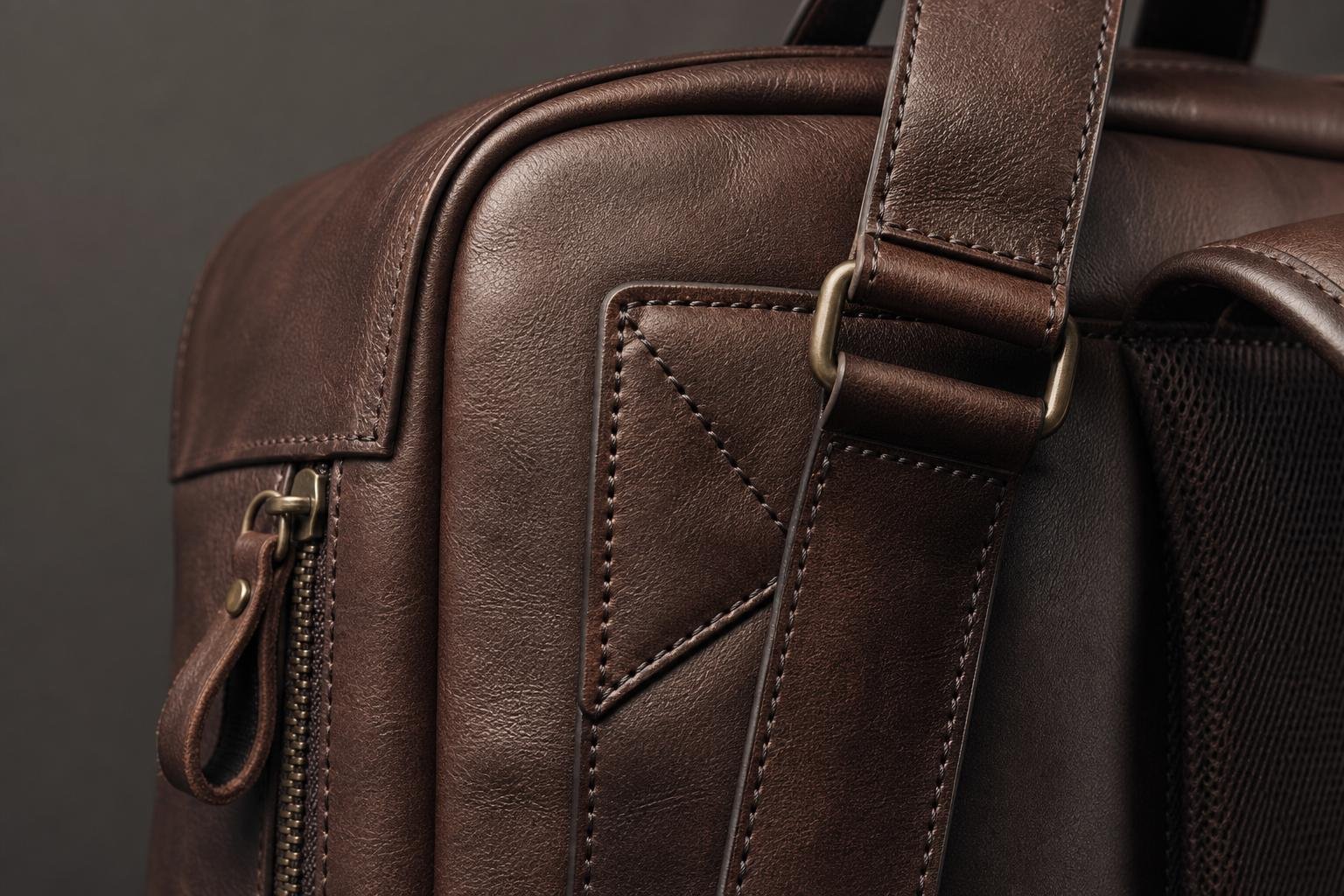
Examine construction closely. Well-finished edge paint, even stitching, reinforced strap attachments, and smoothly operating zippers are meaningful signs of care. Hardware should feel secure without being excessively heavy. A bag with multiple metal components may look substantial, but it can become uncomfortable over a long day.
A designer backpack earns its place in a wardrobe when the finishing details support real use. Look at the base of the bag, the inside seams, the zipper pulls, and the points where straps attach. These are the areas most likely to experience friction and stress.
Hardware can shift the character of a backpack considerably. Polished gold-tone hardware reads dressier and often complements warm-toned jewelry. Silver-tone, gunmetal, or matte hardware tends to feel more minimal and works well with cooler palettes, technical outerwear, and understated accessories.
Prominent decorative hardware can make a bag feel more statement-driven, while discreet closures and tonal details are generally easier to wear over several seasons. If you want one bag to cover workdays, errands, and casual dinners, restraint usually offers greater flexibility.
A backpack should distribute weight evenly, but not every design does. Thin straps can look elegant yet dig into the shoulders when the bag is full. Wider straps, padded undersides, and adjustable lengths offer more comfort, particularly if you walk, take public transportation, or carry electronics.
Try to assess how the bag will sit when worn over different outfits. A strap length that works with a T-shirt may feel short over a blazer or winter coat. Adjustable straps are helpful, but the adjustment mechanism should remain secure rather than slipping with movement.
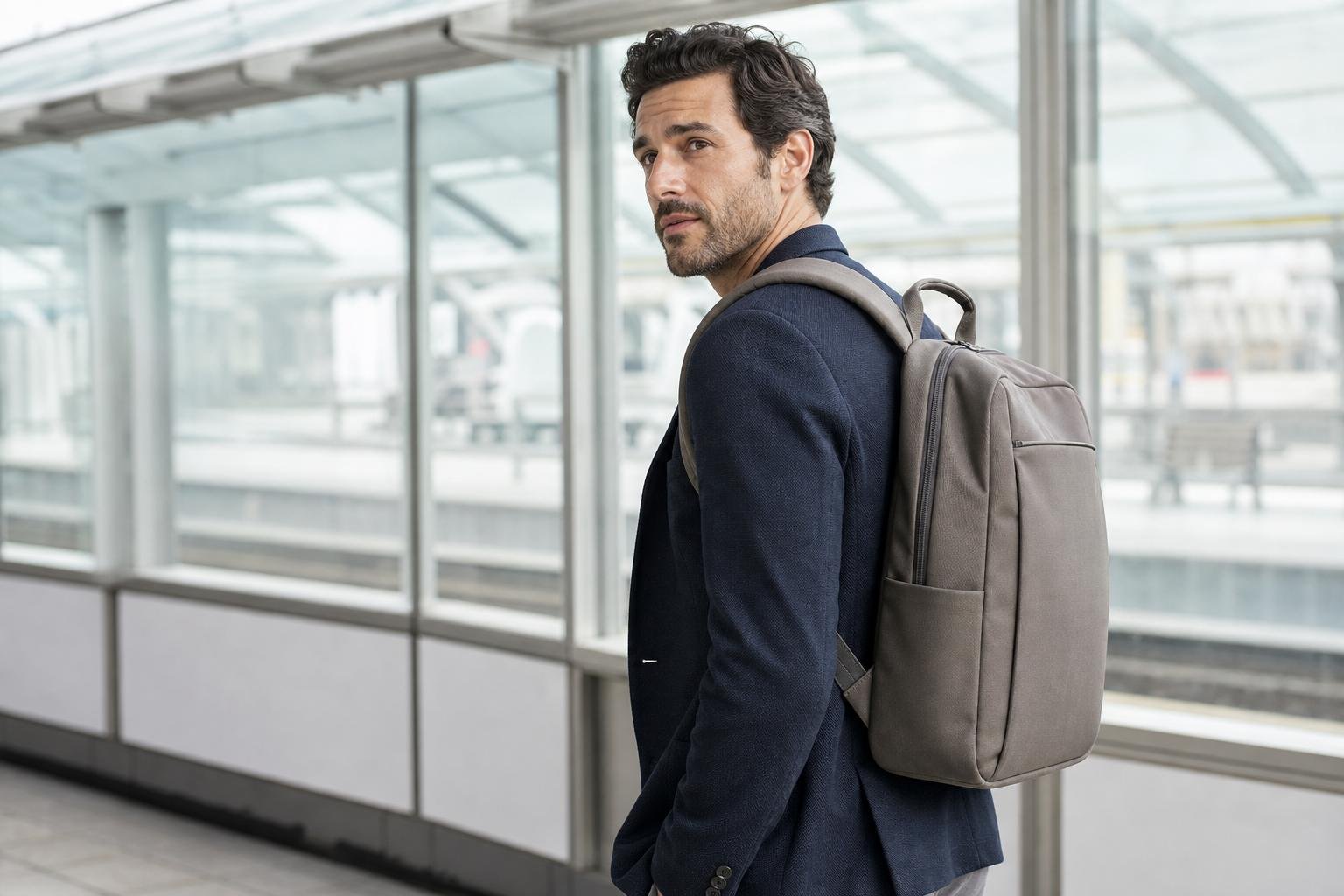
Back panels also matter. A fully leather-backed bag can feel sleek but may be warm against the body. A lightly padded or fabric-backed panel can improve comfort for longer wear. Consider the top handle as well: it should be easy to grasp when you need to carry the bag by hand in a meeting, store, or airport.
Internal organization is personal, but a few features are consistently useful. A secure zipped pocket protects smaller valuables. A separate sleeve can help keep a tablet or laptop from shifting. Exterior pockets allow quick access to transit cards, keys, or a phone, though they should close securely if you use them in busy areas.
Consider the closure type in relation to your routine:
| Closure | Best for | Considerations |
|---|---|---|
| Zip top | Daily commuting and travel | Secure and weather-conscious |
| Flap with clasp | Polished everyday dressing | May take longer to access |
| Drawstring | Softer, relaxed silhouettes | Less structured and less secure |
| Roll top | Casual commuting | Offers flexible capacity |
Avoid treating extra pockets as an automatic advantage. Too many compartments can add bulk and make a bag feel visually busy. The ideal interior layout is one that lets you find essentials without turning the bag into a heavy organizer.
A designer backpack can look intentional in settings that do not call for a traditional tote or shoulder bag. For office dressing, choose a structured shape in black, dark brown, deep navy, or a muted neutral. Pair it with straight-leg trousers, loafers, and a blazer, keeping the rest of the accessories streamlined.
For weekends, softer leather, nylon, or canvas styles work well with jeans, lightweight knits, and relaxed jackets. A backpack in a warm tan, olive, burgundy, or textured neutral can add depth to otherwise simple outfits without competing with prints or bold colors.
When dressing for evenings, scale is key. A small, clean-lined backpack with refined hardware can work with a knit dress, tailored separates, or wide-leg pants. Avoid large utility pockets and overly technical details if the goal is a more elevated look.
The best designer backpack is one you can reach for without reorganizing your day around it. Prioritize a silhouette that fits your frame, materials that suit your tolerance for upkeep, and features that serve your actual routine.
A thoughtful purchase should look polished when it is nearly empty and remain comfortable when it is full. When style and utility are equally considered, a backpack can become one of the most adaptable accessories in a modern wardrobe.