Physical Address
304 North Cardinal St.
Dorchester Center, MA 02124
Physical Address
304 North Cardinal St.
Dorchester Center, MA 02124
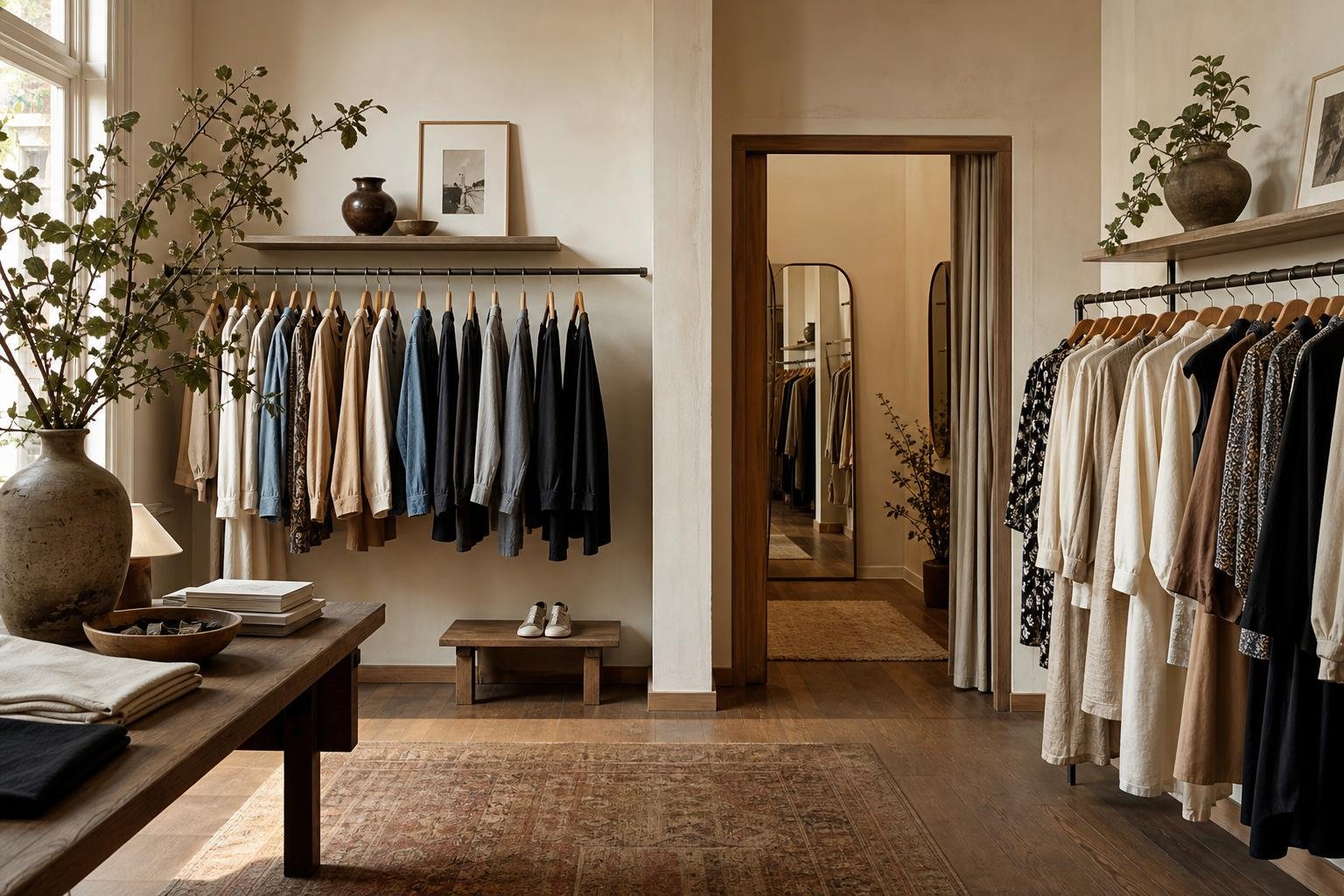
A practical guide to finding retailers that suit your budget, fit needs, style, and shopping preferences. Learn what to check before you buy, from return policies to garment construction.
A good clothing store does more than offer appealing displays or a long list of categories. It should make it easier to find pieces that fit your body, lifestyle, budget, and personal style—without leaving you with avoidable returns or clothes that sit unworn.
Whether you are refreshing workwear, replacing everyday basics, or shopping for a specific occasion, a little evaluation before checkout can make each purchase more useful. Focus on the retailer’s fit information, product details, policies, and overall assortment instead of buying solely on a flattering product photo or sale label.
Before browsing, define the job your new item needs to do. “A sweater” is broad; “a machine-washable layer for a cold office” gives you useful filters. Consider when and where you will wear the piece, what you already own to pair with it, and how much maintenance you are willing to take on.
It also helps to set a realistic budget range before you start. This does not mean automatically choosing the least expensive option. A higher initial price can make sense when a garment has durable construction, versatile styling, and a fabric you will wear often. Conversely, an expensive item is not automatically a good value if it does not fit well or requires care that does not suit your routine.
Create a brief priority list with the details that matter most: preferred fiber content, inseam range, sleeve length, size availability, return window, or whether you need the item quickly. This list keeps you focused when a retailer’s assortment is large or heavily trend-driven.
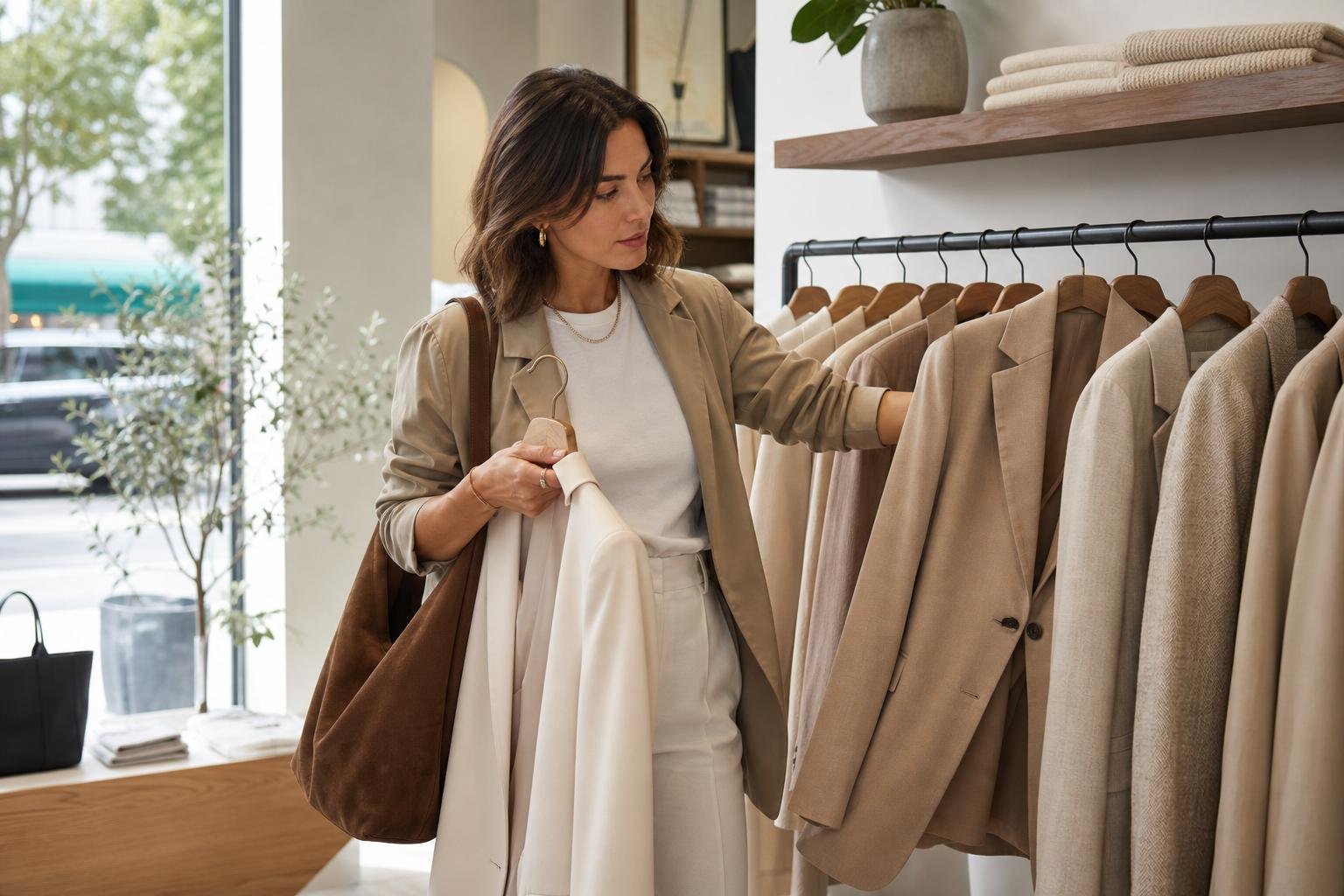
A reliable clothing store should give you enough information to make an informed choice. Start with the product page or tag. Look for a clear fiber-content breakdown, care instructions, available measurements, and multiple views of the garment. Vague descriptions such as “premium feel” are less useful than specifics about composition, lining, closure type, and fit.
Size guidance deserves close attention. A general size chart is helpful, but item-level measurements are better because fit can vary between silhouettes. For trousers, useful details include rise, inseam, leg opening, and hip measurement. For shirts and jackets, look for chest, shoulder, sleeve, and garment length when available.
Read reviews carefully, but use them as context rather than proof. The most helpful reviews explain the reviewer’s usual size, approximate fit preference, and whether the garment was long, short, narrow, stretchy, sheer, or structured. A large number of brief star ratings can be less useful than a few detailed notes about construction and wear.
For in-person shopping, assess the environment as well as the merchandise. Is the fitting room available and reasonably private? Are associates able to locate another size or explain an item’s fabric and care needs? Good service is not about pressure; it is about having practical help when you need it.
Fabric names alone do not determine quality, but they tell you how a garment may feel and perform. Natural fibers such as cotton, wool, linen, silk, and leather each have different care and wear considerations. Synthetic fibers, including polyester, nylon, elastane, and acrylic, can add stretch, durability, weather resistance, or wrinkle resistance depending on the garment’s purpose.
Examine fabric weight and opacity in person when possible. Hold a lighter-colored piece toward a bright area to check for transparency. Stretch the material gently and see whether it returns to shape. On knitwear, look for an even knit and avoid excessive fuzz or loose stitches if you prefer a smoother finish.
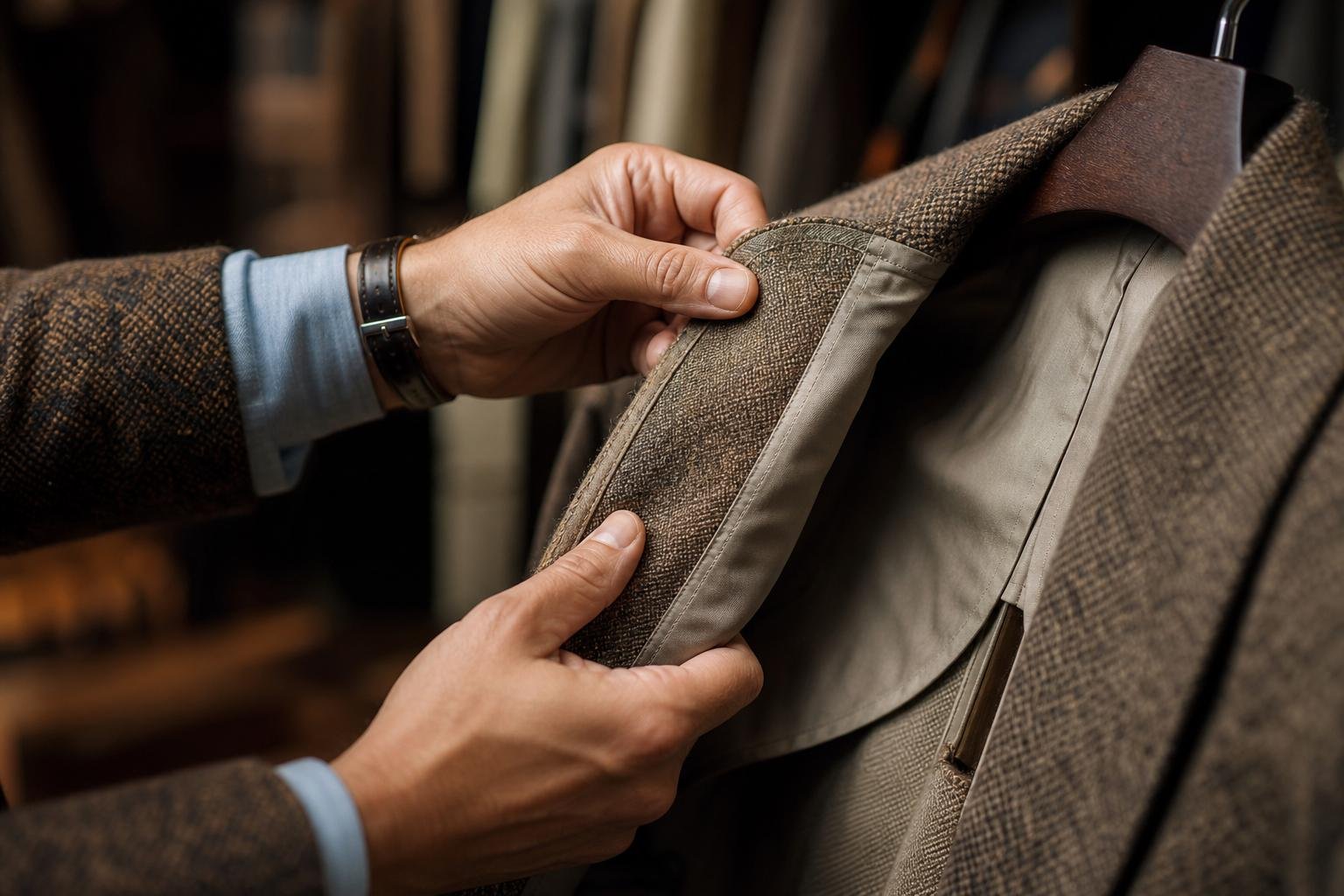
Turn a garment inside out before committing. Check that seams lie flat, hems are secure, buttons are firmly attached, and zippers operate smoothly. For lined garments, the lining should not pull, twist, or peek beyond the outer fabric. These small checks can reveal more than an attractive front-facing display.
The fitting room is where an item moves from possibility to decision. Bring the undergarments and shoes closest to those you expect to wear with the piece when practical. A blazer may look fine over a thin tee but feel restrictive over the knit top you plan to layer beneath it.
Move in the garment instead of only standing in front of the mirror. Sit down in trousers, reach forward in a shirt, raise your arms in a dress, and walk a few steps in shoes. Watch for gaping buttons, pulling across the back, twisting side seams, uncomfortable waistbands, and hems that shift dramatically as you move.
Check proportion from more than one angle. A piece can fit at the bust or waist yet have a shoulder seam that sits too far out, a rise that feels wrong, or a length that interrupts the lines of your outfit. If you would need several alterations to make it work, compare the total cost and effort with finding a better starting fit.
Shopping online requires a more deliberate process, especially when trying a new retailer. Measure a similar garment you already love and compare its flat measurements with the product information. Measure across the chest or waist, then double that figure when comparing it with circumference-based charts. Keep a note on your phone with your most useful garment measurements.
Photographs should be read critically. Note whether the model’s height and worn size are listed, and look for images from the side and back. A studio image may show color clearly, while a natural-light image can better reveal drape and texture. Neither replaces a written fabric description.
Before ordering, read the return and exchange terms fully. Check the return window, condition requirements, possible fees, final-sale exclusions, and whether exchanges are available. Keep packaging and tags intact until you know the garment works. This simple habit protects your options, particularly with occasionwear, footwear, and fitted pieces.

Rather than treating every purchase as a fresh search, build a small shortlist of retailers that serve different needs. One may be useful for dependable basics, another for tailoring-friendly workwear, and another for special-event pieces. This approach saves time and lets you learn each retailer’s sizing, fabrics, and policy details.
A clothing store earns a place on that list when its products consistently align with your priorities. That could mean inclusive sizing, detailed online measurements, strong natural-fiber options, convenient returns, or a silhouette that fits your proportions with minimal adjustment. The goal is not loyalty for its own sake; it is reducing the uncertainty around future purchases.
Keep notes after purchases, especially when ordering online. Record the size that worked, whether an item ran long or short, and how the fabric felt after washing or wearing. Over time, these observations make it easier to shop intentionally and avoid repeating disappointing purchases.
Start with fit information, fiber content, care instructions, and return terms. These details affect how often you will wear an item and whether you can return it if the fit or quality falls short of expectations.
Neither option is universally better. In-person shopping lets you assess fit, color, and fabric immediately, while online shopping often offers broader selection and easier comparison. Choose the method that gives you the information and flexibility you need for that purchase.
Ask whether you would consider the item at its regular price, whether it works with at least three pieces you own, and whether the fit is right now. A discount is useful only when the garment already meets your needs.
The right clothing store supports better decisions with transparent product details, workable sizing, appropriate quality, and clear policies. Shop with a defined need, inspect the practical details, and prioritize garments that fit your existing wardrobe and daily life. That approach leads to fewer impulse purchases and more clothes you will reach for repeatedly.