Physical Address
304 North Cardinal St.
Dorchester Center, MA 02124
Physical Address
304 North Cardinal St.
Dorchester Center, MA 02124
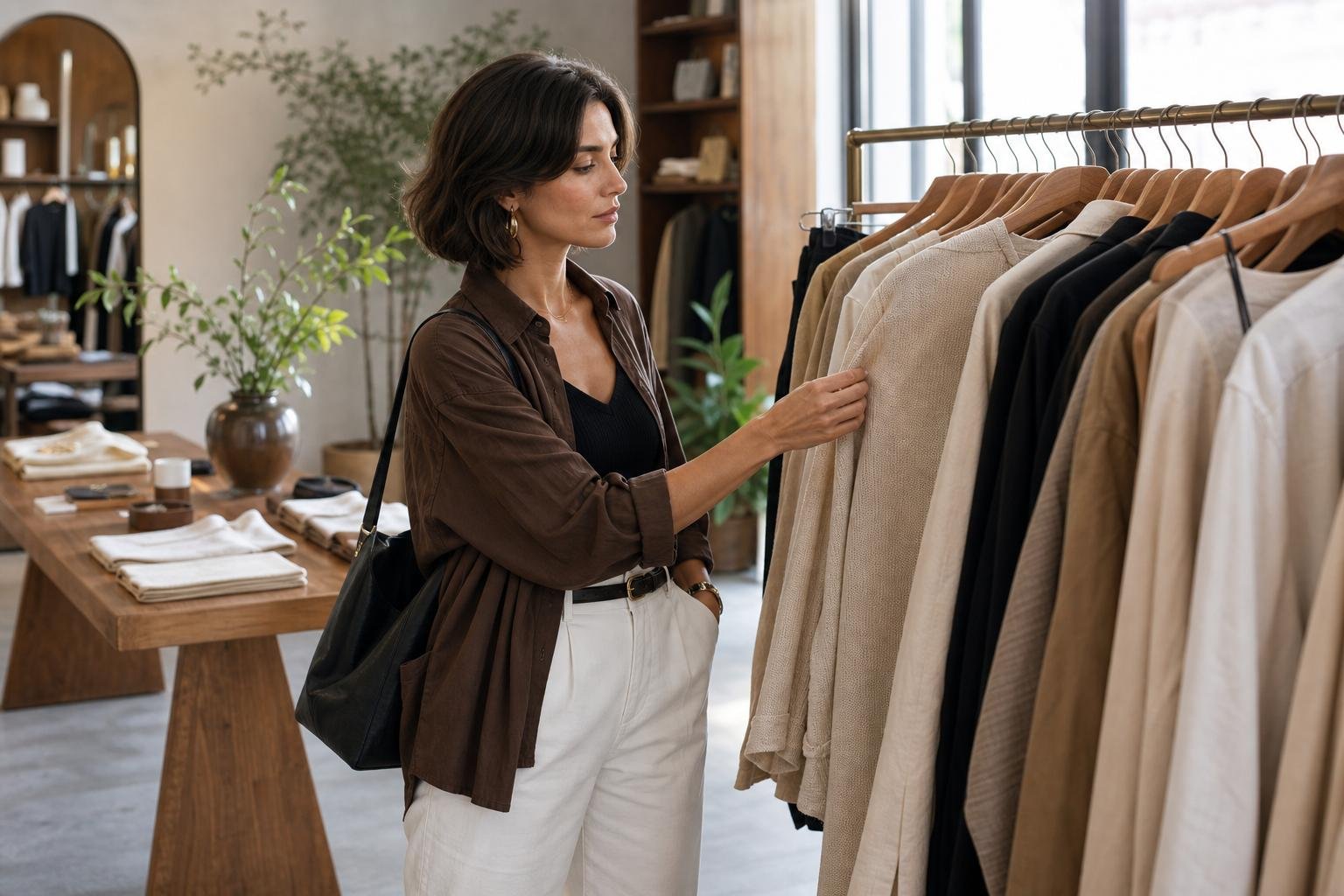
A nearby store can be useful for solving an immediate wardrobe need or building a more reliable closet. Learn how to shop with a plan, assess fit, and make purchases you will actually wear.
Finding a clothing store near me is easy; finding one that reliably meets your style, fit, and budget needs takes a little more intention. A nearby retailer may be ideal for replacing a worn-out essential, trying a new silhouette, or handling a last-minute event outfit. The most useful visit starts before you walk through the door: know what you need, what you are willing to spend, and what would make an item worth bringing home.
Shopping in person offers information that a product page cannot fully provide. You can assess fabric weight, compare colors in natural light, test ease of movement, and see how an item works with the proportions of your body and the rest of your wardrobe.
Avoid browsing with only a vague goal of “getting something new.” Instead, name the gap you are trying to fill. Perhaps you need work-ready trousers, a breathable shirt for warm weather, jeans with a more comfortable rise, or an outer layer that works over sweaters. A focused mission helps you skip pieces that are appealing in isolation but unlikely to earn regular wear.
Make a short note on your phone before leaving home. Include the item type, preferred color family, a realistic budget range, and any fit concerns. If you are shopping for an outfit, list the shoes, bag, or jacket you already plan to wear with it. That context makes it easier to judge whether a new piece is truly useful.
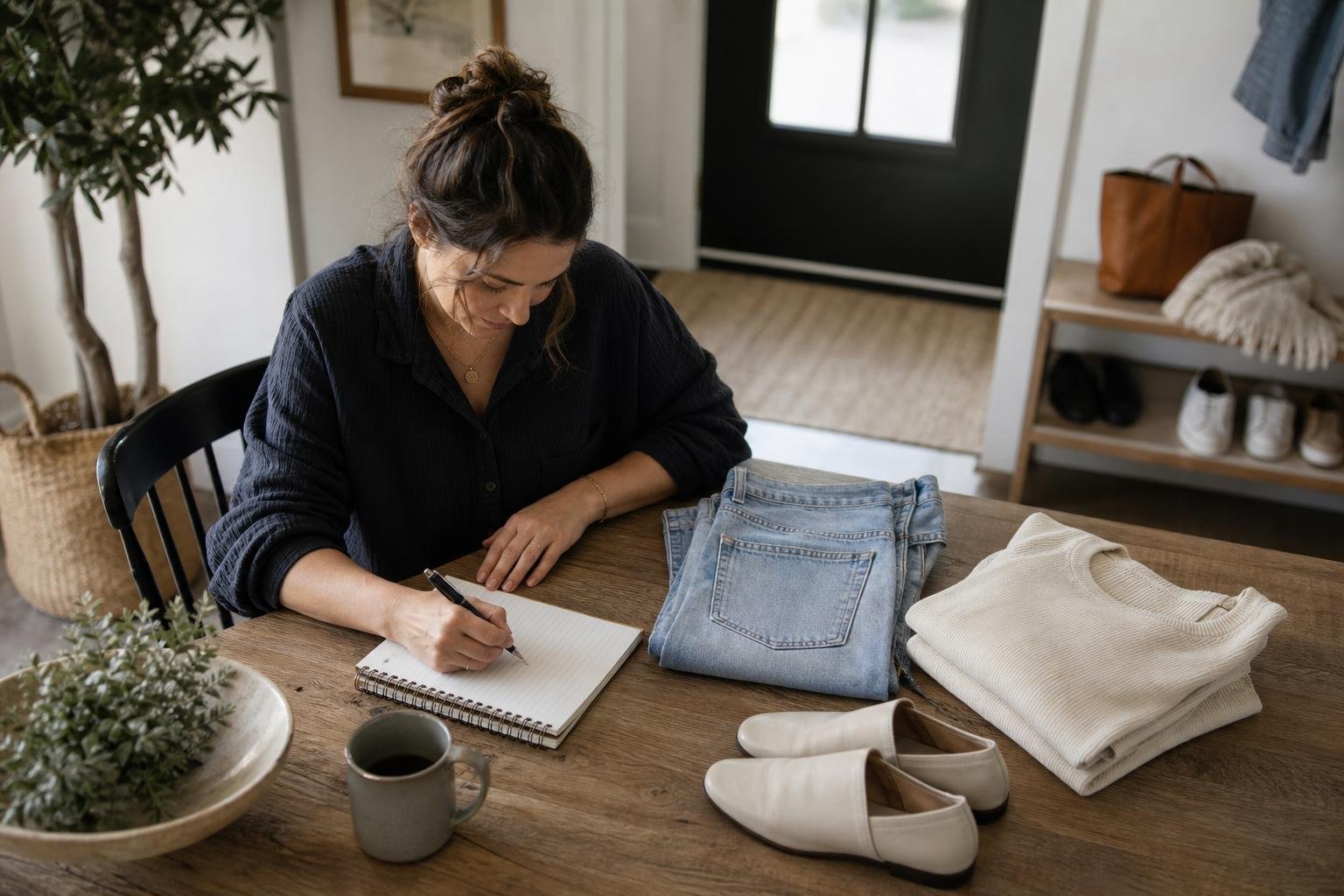
Consider timing, too. Shop when you have enough time to use a fitting room without rushing. Wear undergarments similar to those you would wear with the item, especially for trousers, dresses, light-colored clothing, or tailored pieces. If you routinely wear a particular shoe height, bringing a comparable pair can help you assess proportions.
A good local option is not necessarily the largest store or the one with the most dramatic displays. The best fit depends on what you need. Department stores can be useful when you want to compare several clothing categories in one trip. Specialty shops may offer a more focused selection, while consignment and resale stores can be useful for distinctive pieces and better-quality fabrics at varying price points.
Before visiting, check practical details such as store hours, available sizing, return rules, and whether fitting rooms are open. This is especially helpful when you need a particular category, such as occasionwear, extended sizes, petite proportions, or tailored clothing. A store may carry a wide assortment online while stocking a narrower selection in person.
When you arrive, take one slow lap before selecting anything. Notice the general price range, fabric composition labels, and the types of clothing the store appears to prioritize. If the merchandise does not align with your shopping list, move on rather than trying to force a purchase. A clothing store near me should save time, not create a closet full of compromises.
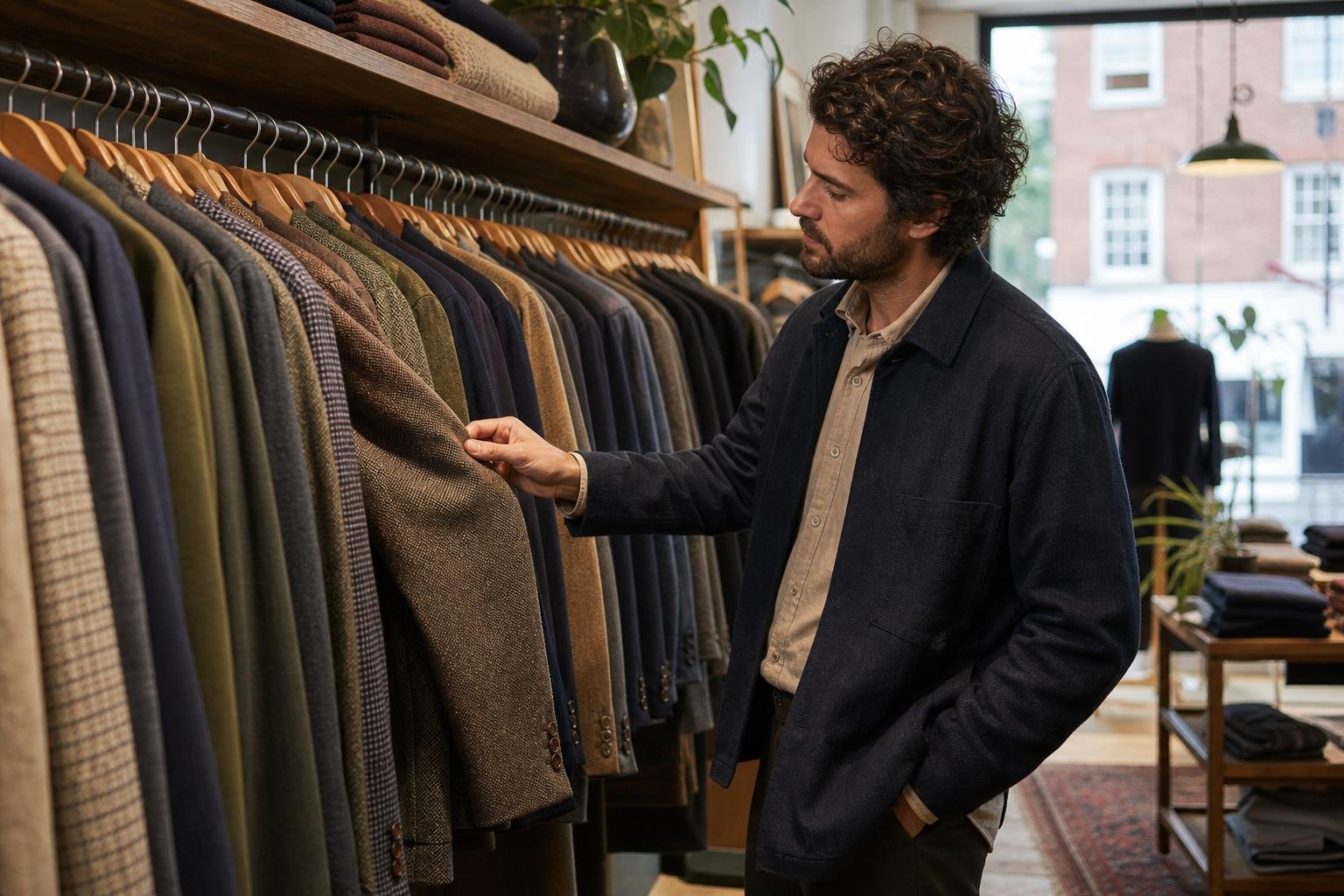
If you need assistance, be specific. Rather than asking for “something flattering,” explain the intended use, preferred fit, and any features you want to avoid. For example, you might request a straight-leg trouser with room through the hip, a lightweight layer that does not feel oversized, or a shirt that can be worn untucked. Clear details lead to more useful suggestions.
The fitting room is where an item should prove its value. Start with size, but do not stop there. Clothing should allow you to sit, reach, walk, and bend without pulling, gaping, pinching, or requiring constant adjustment. Check the garment from the front, side, and back if mirrors allow.
For tops and jackets, look at shoulder placement, sleeve length, arm mobility, and neckline comfort. For trousers and skirts, pay attention to the waist, rise, seat, and hem. A waistband that feels fine while standing may become uncomfortable when sitting. Dresses should hang smoothly without twisting or riding up as you move.
Bring in more than one size when possible. Sizing varies among retailers and even among different cuts from the same label. Treat the number on the tag as a starting point, not a verdict. The best size is the one that fits well across the areas that are hardest or most expensive to alter.
A mirror can show fit, but it cannot tell you whether a piece belongs in your life. Ask yourself whether you have at least three ways to wear it using clothes you already own. A good purchase should work beyond the store’s styling display.
Before checking out, read the care label and fiber content. Natural fibers, synthetics, and blends can all have a place in a functional wardrobe; what matters is whether the fabric suits the item’s purpose. A breathable cotton or linen blend may work well for warm-weather separates, while wool blends can add structure and warmth to tailored pieces.
Look closely at seams, hems, closures, pockets, and lining. You do not need to inspect every stitch like a garment technician, but obvious puckering, loose threads, uneven seams, or strained buttons can signal that an item may not hold up to regular wear. Consider whether the fabric feels substantial enough for its intended use.
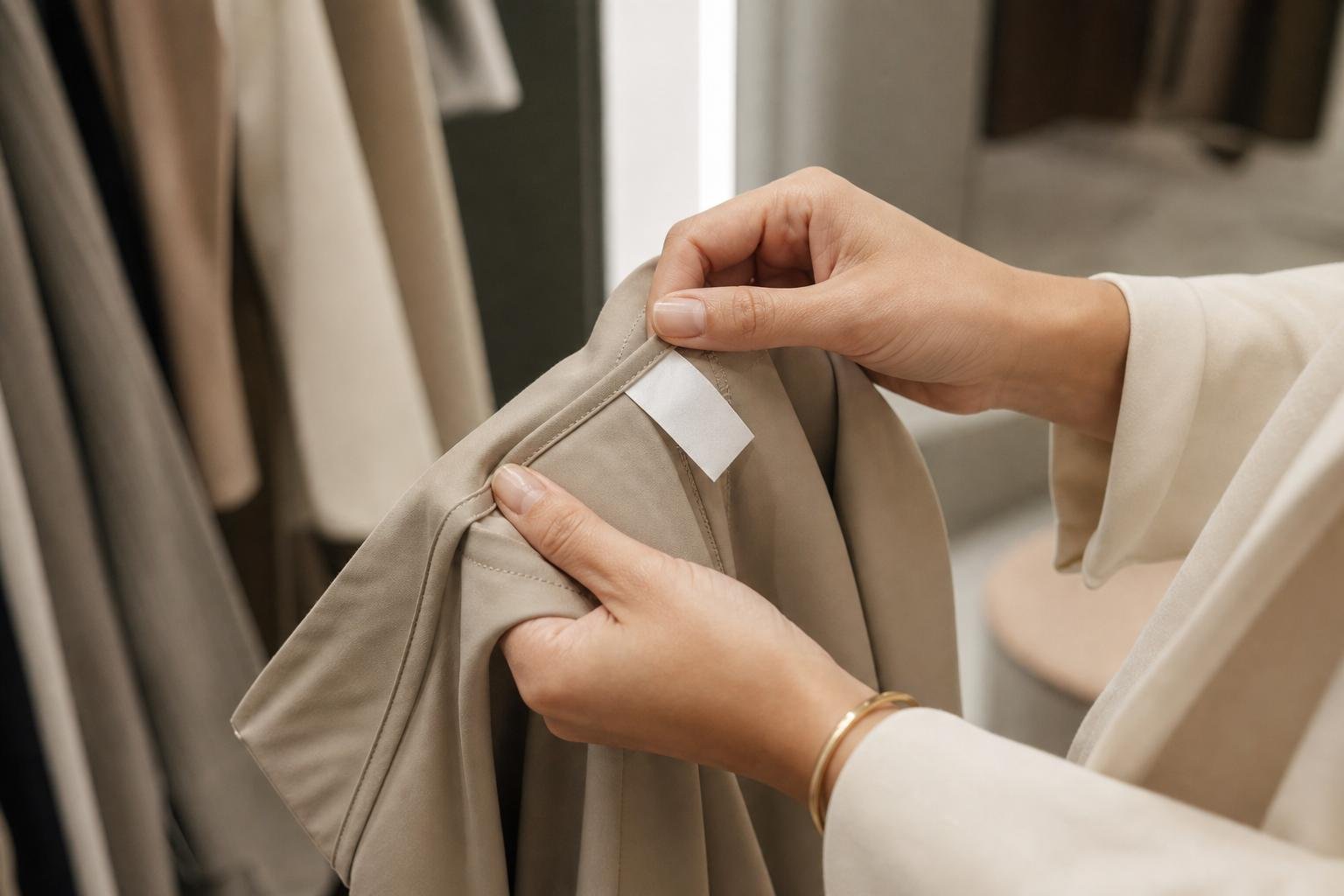
Care is part of the cost. A piece that requires dry cleaning, delicate washing, or frequent steaming may still be worthwhile, but only if you are willing to maintain it. For everyday staples, easy-care fabrics and washable construction can make a garment more practical over time.
Use your budget strategically rather than dividing it evenly across every purchase. It can make sense to spend more on items you will wear often, such as a coat, reliable shoes, a work bag, or well-fitting trousers. Trend-led pieces, highly occasion-specific garments, and duplicates of items you already own usually deserve more scrutiny.
The right clothing store near me should offer options at a price point that feels sustainable for your wardrobe. A sale price is only a saving if the item fits, serves a real purpose, and will be worn enough to justify the purchase. If you are uncertain, take a photo of the garment, review your closet at home, and return later if it still fills a clear need.
Bring a short shopping list, a payment method, and any accessories that affect fit or styling. Depending on your goal, that may include the shoes, shapewear, bra, or jacket you expect to wear with the new item. Photos of outfits you want to re-create can also help you stay focused.
A worthwhile item fits comfortably, suits your lifestyle, and pairs with pieces you already own. Check its fabric, construction, and care requirements, then picture when you will wear it. If you cannot name a likely occasion or outfit, it may be better to leave it behind.
Shopping alone can make it easier to concentrate on fit and comfort. A trusted companion can be helpful when you need a second opinion, particularly for formalwear or outerwear. Choose someone who understands your style rather than someone who pressures you to buy.
Alterations can be worthwhile when a garment fits well in the shoulders, hips, or other difficult-to-change areas but needs a simple hem or waist adjustment. Avoid buying a piece that needs major changes unless you understand the likely cost and have confirmed that the result is realistic.
A smart store visit is less about finding the most items and more about identifying the right ones. Use a list, try on thoughtfully, and assess every garment for fit, fabric, care, and repeat-wear potential. With a clear purpose, a clothing store near me can become a practical resource for building a wardrobe that works harder for you.