Physical Address
304 North Cardinal St.
Dorchester Center, MA 02124
Physical Address
304 North Cardinal St.
Dorchester Center, MA 02124
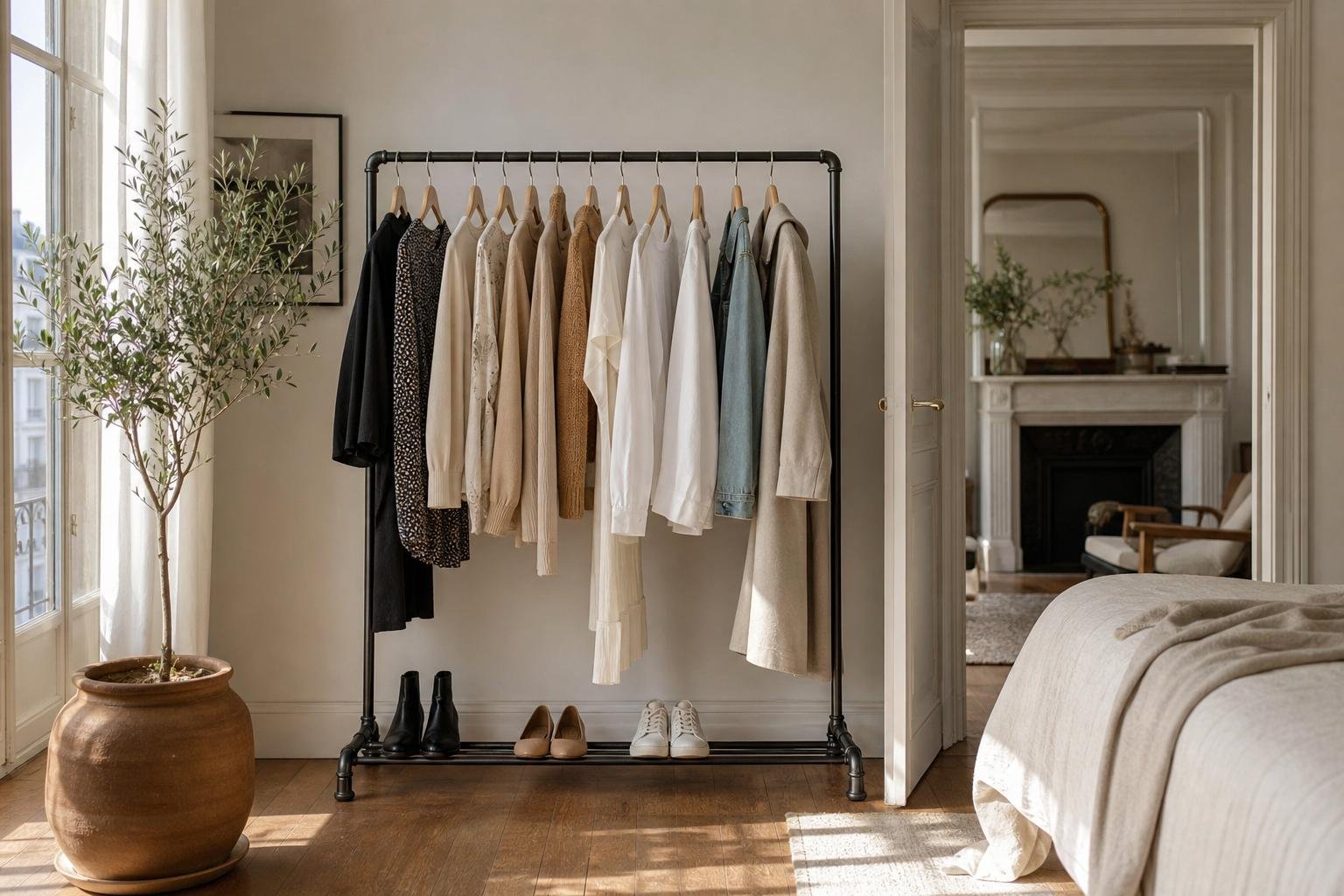
A well-chosen garment rack can create useful hanging space, streamline outfit planning, and protect clothes between wears. Here’s how to select one that fits your wardrobe and your room.
A clothing rack can be much more than a temporary place to hang laundry. The right one adds flexible wardrobe space, makes daily outfit selection easier, and helps garments air out between wears. Whether your closet is short on hanging room or you want a more intentional open-wardrobe setup, the best choice comes down to size, stability, material, and how you plan to use it.
Before buying, consider what will actually live on the rack. A few lightweight shirts have very different needs from a winter coat collection, a weekly laundry rotation, or a curated display of frequently worn pieces.
Start with the room rather than the rack. Measure the available floor area, then account for the space needed to walk around it and pull clothes off hangers comfortably. In a bedroom, leave enough clearance for drawers, doors, and bedding. In an entryway or laundry room, keep the route through the space open.
For most adult garments, a hanging bar should sit at least 60 inches (152 cm) from the floor to prevent dresses, trousers, and longer coats from dragging. A compact rack may work for tops and folded-over pants, while a full-height style is more versatile for a mixed wardrobe.
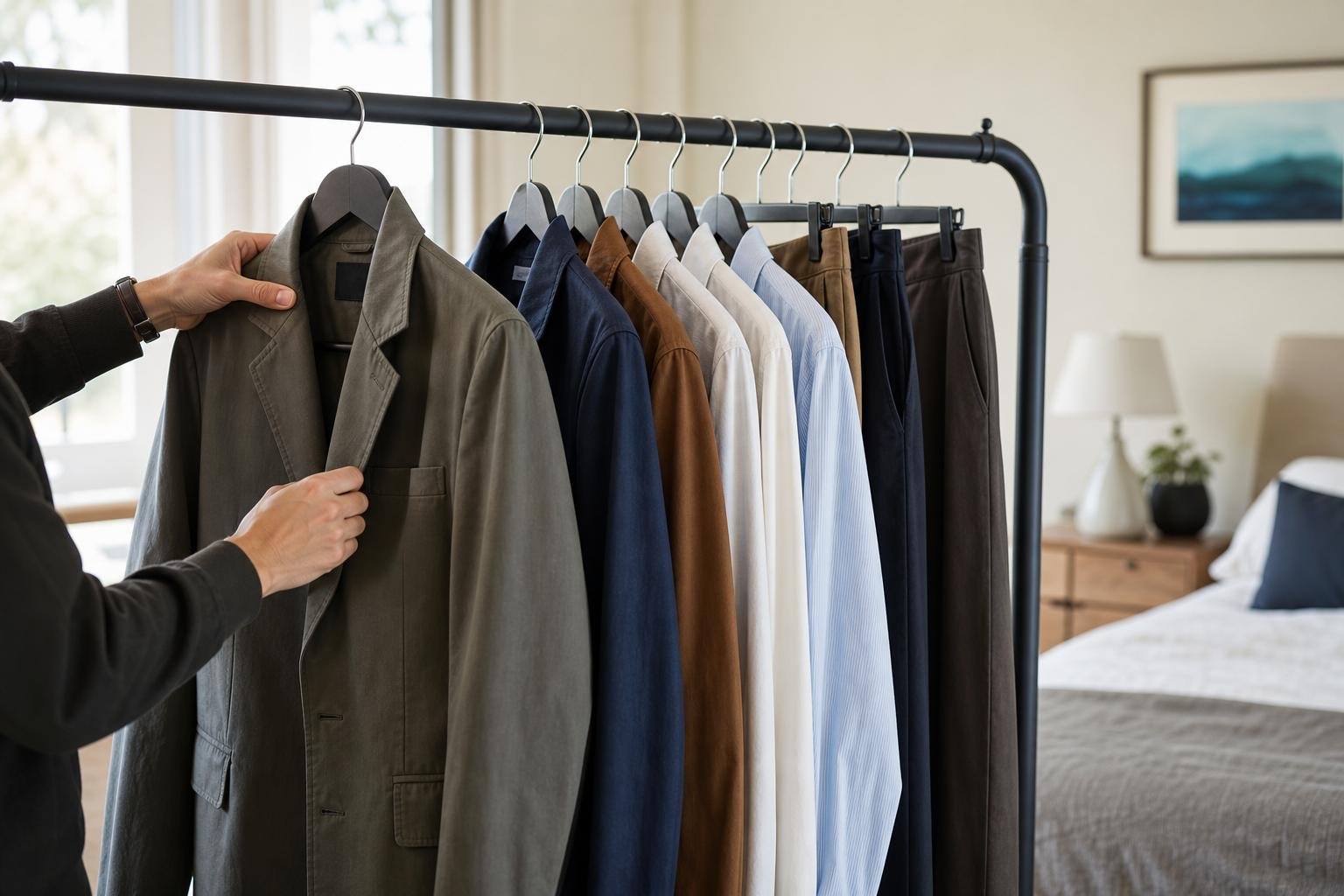
Think about capacity honestly. Retail listings may note a weight limit, but construction tells an important story as well. A narrow frame with thin tubing may suit a seasonal edit or light laundry. For denim, tailoring, coats, and multiple pairs of shoes on a lower shelf, look for a wider base, securely joined corners, and a substantial hanging bar.
The materials should support both your clothes and the visual character of the room. Metal is practical for a hardworking utility piece, while wood can feel warmer and more furniture-like in a bedroom. Bamboo offers a lighter, natural look but should still have solid joints and a stable footprint.
| Rack type | Best for | Look for |
|---|---|---|
| Fixed metal frame | Everyday wardrobes and laundry areas | Wide base, strong bar, level feet |
| Rolling rack | Moving garments between rooms | Locking casters, reinforced lower frame |
| Wood or bamboo rack | Bedroom open storage | Smooth finish, sturdy joinery |
| Double-rail rack | Separating short garments | Adequate width and a stable center support |
A rolling clothes rack is useful when flexibility is the priority, especially in small homes where one room serves several purposes. Choose locking wheels if it will hold more than a few garments. Wheels that swivel easily can make the rack convenient, but they also create movement; brakes help keep a loaded rack steady when you are selecting clothes.
Width determines how much hanging space you gain, but depth influences whether the rack feels practical or intrusive. A typical hanger is about 17 to 18 inches (43 to 46 cm) wide, so a rack needs enough depth for sleeves and shoulders to sit without constantly brushing the wall.
As a general planning guide, allow roughly 1 inch (2.5 cm) of bar space per lightweight garment and 2 inches (5 cm) or more for blazers, sweaters, and outerwear. Packing clothes tightly may maximize capacity, but it encourages wrinkles, limits air circulation, and makes getting dressed less efficient.
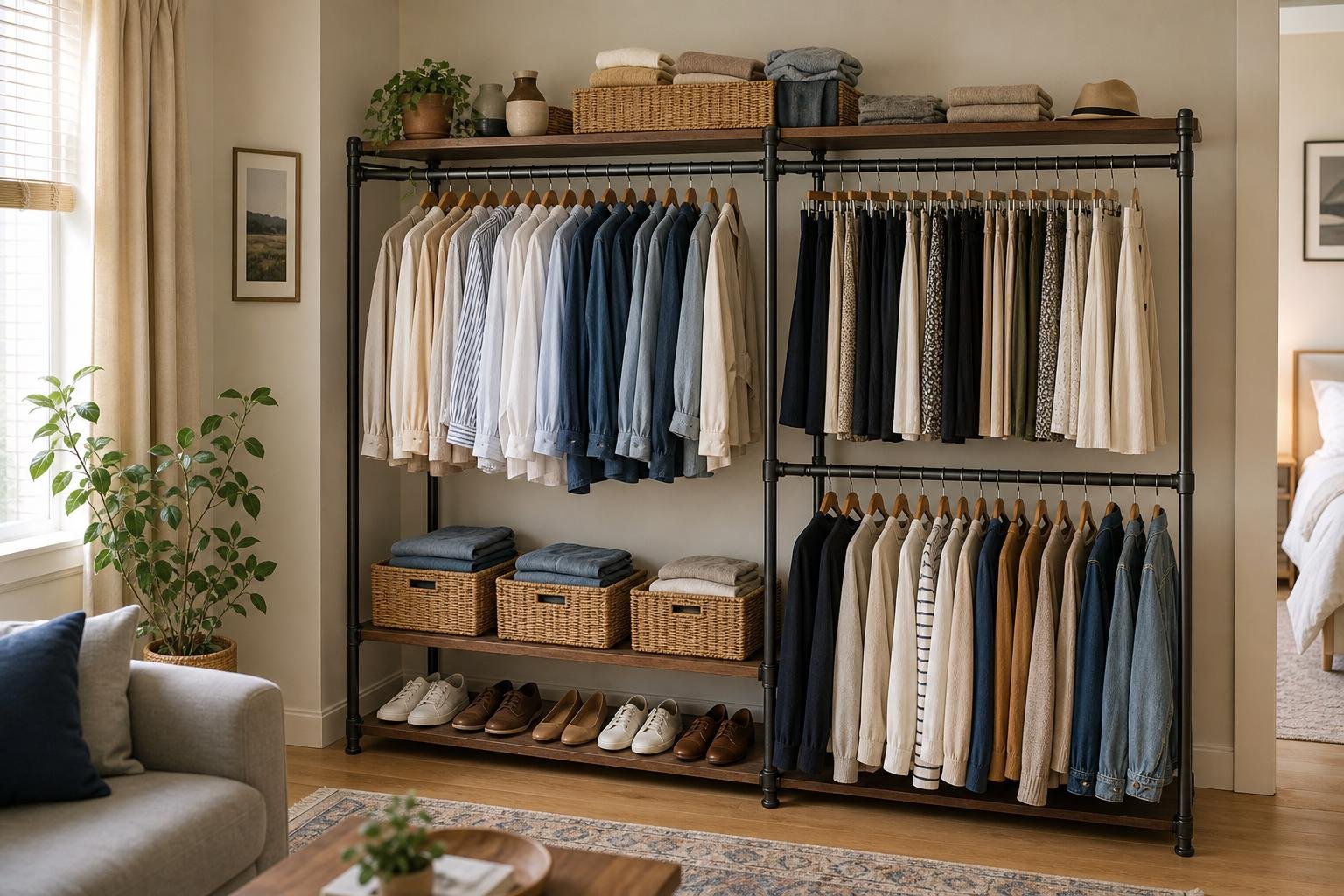
Single-rail designs are the most adaptable choice for long dresses, coats, and trousers. Double rails can offer more hanging room in the same footprint, but they work best for shorter items such as shirts, skirts, folded trousers, and jackets. If you need both, a rack with an adjustable bar or an adjacent hook rail can create a more useful arrangement.
Shelves are worth considering if your storage needs extend beyond hanging clothes. A lower shelf can corral shoes, storage bins, or neatly folded denim. An upper shelf works well for hats, bags, and off-season accessories, provided it is easy to reach safely. Avoid treating shelves as a catchall; visible clutter can make even a well-designed open wardrobe feel chaotic.
An attractive clothing rack should also feel secure when fully loaded. Check that the base is wider than the upper frame, the feet sit evenly on the floor, and the bar does not flex noticeably under normal use. Crossbars and diagonal supports can add meaningful strength, especially on wider models.
Adjustable-height racks are helpful for tailoring the setup to your clothing mix, but moving parts should lock firmly in place. Telescoping bars can be convenient, yet they are typically better for lighter loads than a single solid bar. If you own a lot of heavy coats or structured garments, prioritize a simple, fixed frame over extra features.
For renters or anyone with uneven flooring, adjustable leveling feet can be more useful than wheels. Felt pads beneath fixed feet may protect hardwood floors and make small shifts easier. If you place the rack on carpet, choose a design with a broad enough base that it will not sink or tilt under weight.
An exposed rack can function as part storage, part decor, but it benefits from editing. Keep the most-worn and seasonally appropriate clothing on display, then store overflow elsewhere. This approach prevents overloading the bar and turns the rack into a useful daily wardrobe zone rather than a holding area for everything you own.
Arrange garments by category, color, or frequency of wear. Matching hangers create a calmer line and reduce visual clutter, though they are not essential. Slim velvet hangers save space for lightweight pieces, while sturdier wood or molded hangers better support blazers, coats, and heavier knits.
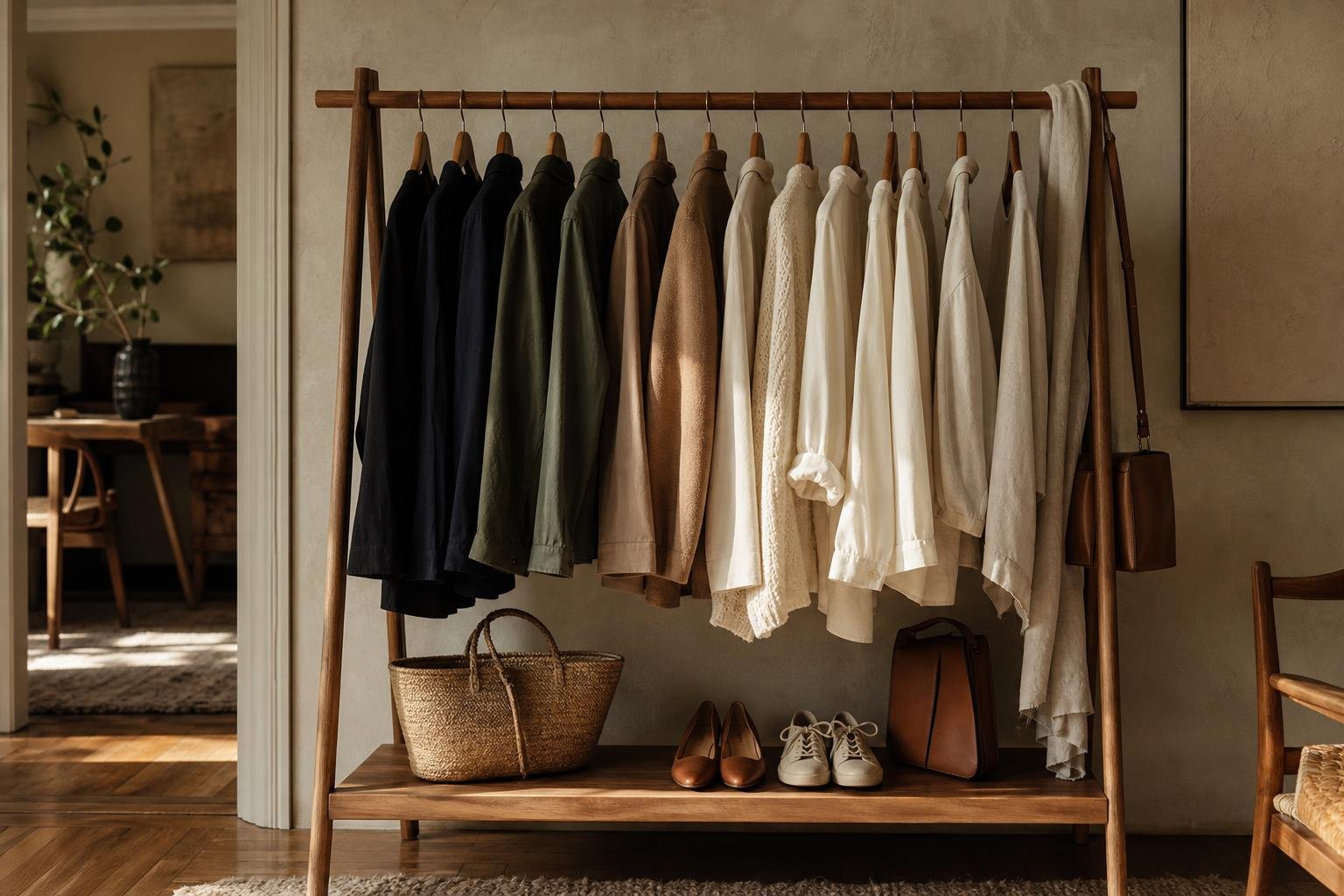
Use the lower shelf with restraint. Two or three pairs of frequently worn shoes, a structured basket for accessories, or a small folded stack can add function without making the setup look crowded. If the rack is in a shared or highly visible area, a fabric cover can shield clothing from dust while still allowing easy access.
Open storage exposes garments to more dust, sunlight, and household activity than a closed closet. Keep the rack away from direct sun, which can fade dyes over time, and away from cooking areas, smoke, or humidity. A dry, well-ventilated location is ideal for fabrics that need to air out after wearing.
Do not hang every item. Heavy sweaters and delicate knits can stretch at the shoulders; fold them on a shelf or in a drawer instead. Leather and structured bags should be supported rather than suspended from a narrow hook for long periods. For silk, tailoring, and special-occasion pieces, breathable garment bags offer additional protection.
A rack also needs occasional care. Wipe the frame to remove dust, check screws and wheel locks periodically, and avoid leaving damp clothing on the bar. Air-drying is fine when the rack is designed for it, but wet, heavy items can strain lightweight frames and transfer moisture to nearby clothing.
A clothing rack is worth considering when it solves a specific storage problem: too little closet space, a need for garment airing, a compact dressing area, or a flexible seasonal wardrobe zone. It is less useful when it becomes an overflow pile that prevents you from seeing what you own.
Choose a model with enough height for your longest garments, enough structural support for your heaviest ones, and a footprint that suits the room. With a thoughtful edit and a few good care habits, it can become a hardworking wardrobe essential rather than a source of clutter.
Capacity varies significantly by construction, width, and whether the rack has wheels or adjustable components. Check the manufacturer’s stated limit when available, but also assess the frame, base, joints, and bar thickness. Heavy outerwear calls for a sturdier fixed-frame design.
Everyday items can be stored openly if the area is clean, dry, and away from direct sunlight. Delicate fabrics, formalwear, and long-term seasonal storage are generally better protected in a closet, covered storage, or breathable garment bags.
They can be, particularly in compact bedrooms or multipurpose spaces. Select lockable wheels and a stable base so the rack stays put when loaded. A fixed rack may be a better option if you do not expect to move it regularly.