Physical Address
304 North Cardinal St.
Dorchester Center, MA 02124
Physical Address
304 North Cardinal St.
Dorchester Center, MA 02124
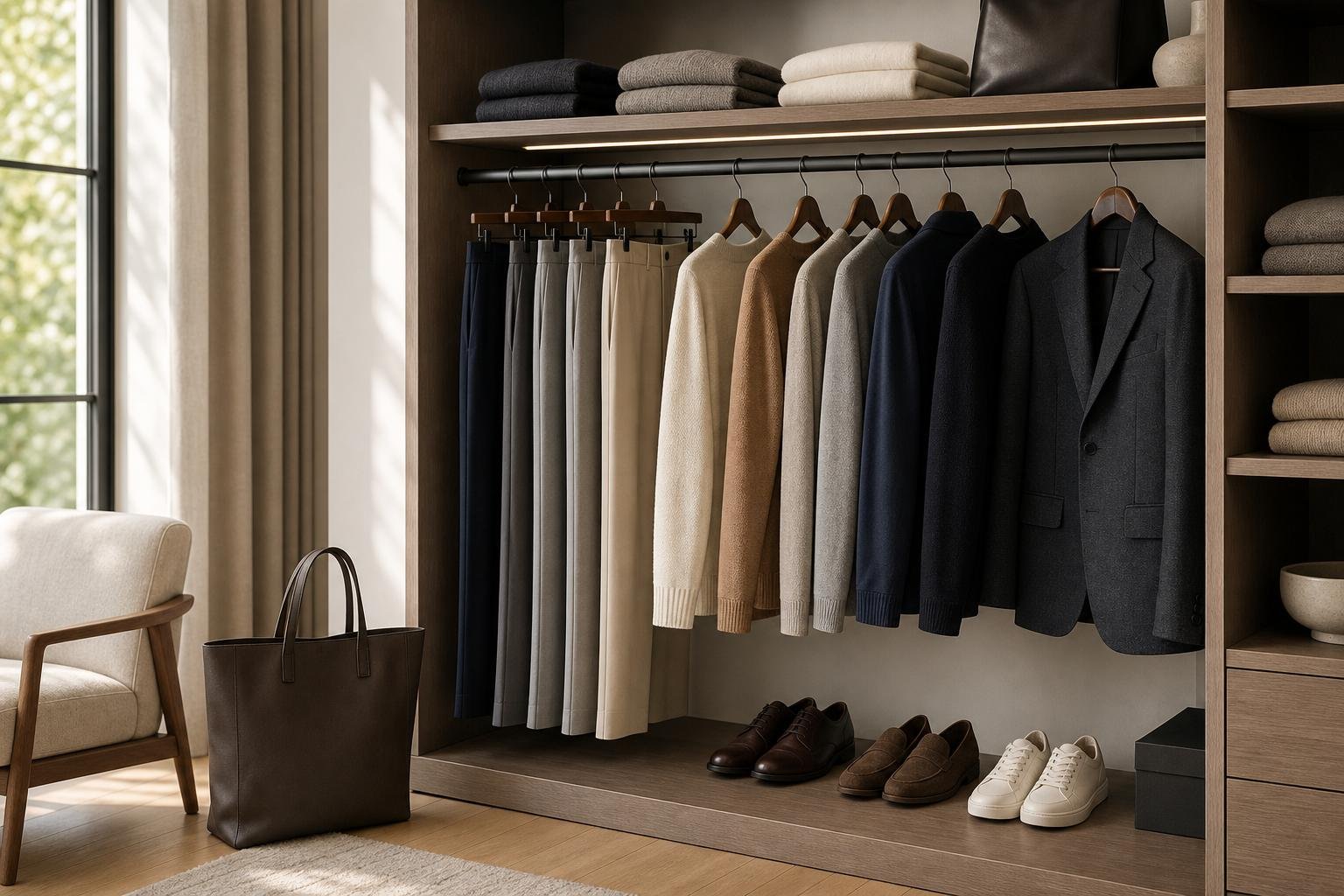
Sales can be a useful way to build a wardrobe, but a lower price does not automatically mean better value. Learn how to evaluate markdowns, shop with intention, and avoid purchases that linger unworn.
A sale can make a considered purchase feel more attainable—or make an unnecessary one feel urgent. The difference comes down to how you evaluate the item before checking out. Clothing and sales work best together when a markdown supports your real wardrobe needs, rather than creating a reason to buy something you would otherwise leave behind.
The goal is not to avoid discounts. It is to recognize value: an item that fits, suits your lifestyle, holds up to regular wear, and works with clothes you already own. With a simple process, sale shopping can help you invest in useful pieces without turning your closet into a holding area for “maybe” purchases.
Before browsing, identify a specific gap. Perhaps you need trousers that work for the office, a warm midlayer for weekend plans, or a pair of jeans to replace a worn-out favorite. A focused need gives you a useful filter when every sale rack presents options that seem tempting in isolation.
Try making a short shopping list with no more than three priorities. For each one, write down the details that matter: color, preferred silhouette, fabric, occasion, and a realistic budget. “Black wool-blend trousers with a straight leg” is more actionable than “work clothes.”
This approach also makes it easier to distinguish a true wardrobe essential from a novelty. A dramatic piece can still be worth buying, but it should earn its place through genuine excitement and clear outfit potential—not simply because it is reduced.

A sale price is only one part of the value equation. Look at the original item as though it were full price first. Would you consider its construction, fabric, fit, and versatility worthwhile at the regular price? If the answer is no, the markdown may not change that.
Then consider how often you expect to wear it. A well-fitting coat, dependable leather belt, or easy knit may become a frequent part of your rotation. A heavily embellished top designed for a rare occasion may cost less upfront but offer fewer opportunities to justify the purchase.
| Question to ask | Why it matters | Strong answer |
|---|---|---|
| Would I buy this outside a sale? | Tests real interest | Yes, but the price was a barrier |
| Can I style it three ways? | Checks versatility | It works with existing shoes and layers |
| Is the fit right now? | Avoids alteration surprises | Minimal or no changes needed |
| Is the return policy clear? | Reduces shopping risk | Returns are allowed within a workable window |
When calculating cost per wear, divide the purchase price by the number of times you realistically expect to wear the item. This is not a precise science, but it can reset your thinking. A $150 jacket worn 50 times has a lower cost per wear than a $35 shirt worn once.
Markdown shopping is a good moment to slow down and inspect quality. A lower price can make a better fabric more accessible, but it can also obscure flaws that would be obvious at full price.
Start with the fiber label. Natural fibers such as cotton, wool, linen, silk, and leather each have different strengths and care needs. Blends can be practical, too: a small amount of elastane can improve stretch and recovery, while synthetic fibers may add durability or reduce wrinkling. What matters is whether the material suits the garment’s purpose.
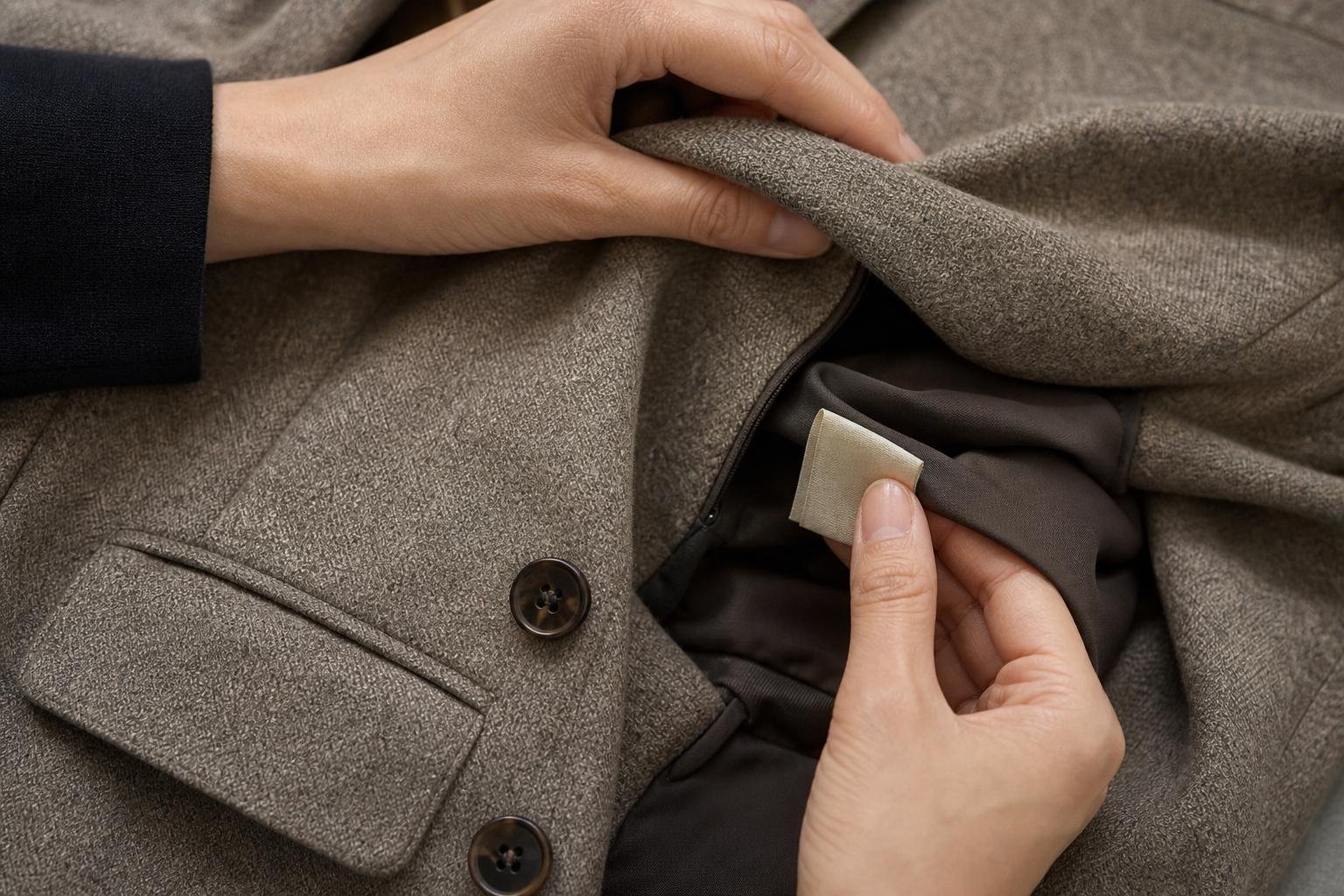
Look at the seams, buttons, zipper, hem, and lining where applicable. Seams should lie flat without loose threads or puckering. Buttons should feel secure. A zipper should move smoothly. In knits, examine the surface for snags, thinning areas, or excessive fuzzing.
Care instructions deserve equal attention. Dry-clean-only trousers may be a smart choice if they fill an important wardrobe role and you are comfortable with the upkeep. But a delicate fabric that requires special care may not suit an item you expect to wear casually every week.
A common sale-shopping mistake is buying for a hypothetical future fit. If a garment is too tight, too long, or simply uncomfortable in the fitting room, it will probably remain difficult to wear later. Prioritize how it feels when you sit, walk, lift your arms, and move naturally.
Some alterations are straightforward. Hemming trousers, shortening sleeves, or adjusting a simple waist can be reasonable if the garment otherwise fits well. More complex changes—such as resizing shoulders, recutting a jacket, or changing a garment’s rise—can be expensive and may alter the intended proportions.
Pay particular attention to the least adjustable areas. On blazers and coats, shoulder fit is especially important. On trousers, check the rise and hip fit. On dresses, assess the bust, armhole, and waist placement. If those foundational points are wrong, a sale price rarely makes the garment a practical choice.
When shopping online, compare the retailer’s garment measurements to an item you already own and wear often. Measure across the chest, waist, hip, inseam, or length as needed. Use inches first, and convert to centimeters only if a size chart requires it.
Sale merchandise often comes with different return rules. Some items are final sale, while others may be returnable for store credit only. This matters most when you are shopping online, trying a new brand, or choosing a category with variable fit.
Before purchasing, confirm the final price, shipping charges, return window, and whether return shipping is deducted from your refund. Keep a copy of your order confirmation until the item has been tried on at home and you have decided to keep it.
The same caution applies to multipurchase offers. A promotion such as “buy more, save more” is only valuable if you intended to buy multiple items anyway. Adding an extra piece solely to reach a discount threshold can increase your total spend while lowering the usefulness of your haul.
The point of clothing and sales is not to collect bargains; it is to make getting dressed easier. Once an item arrives home, style it promptly with pieces you already own. Try it with your usual shoes, outerwear, and bags rather than imagining a separate wardrobe built around it.
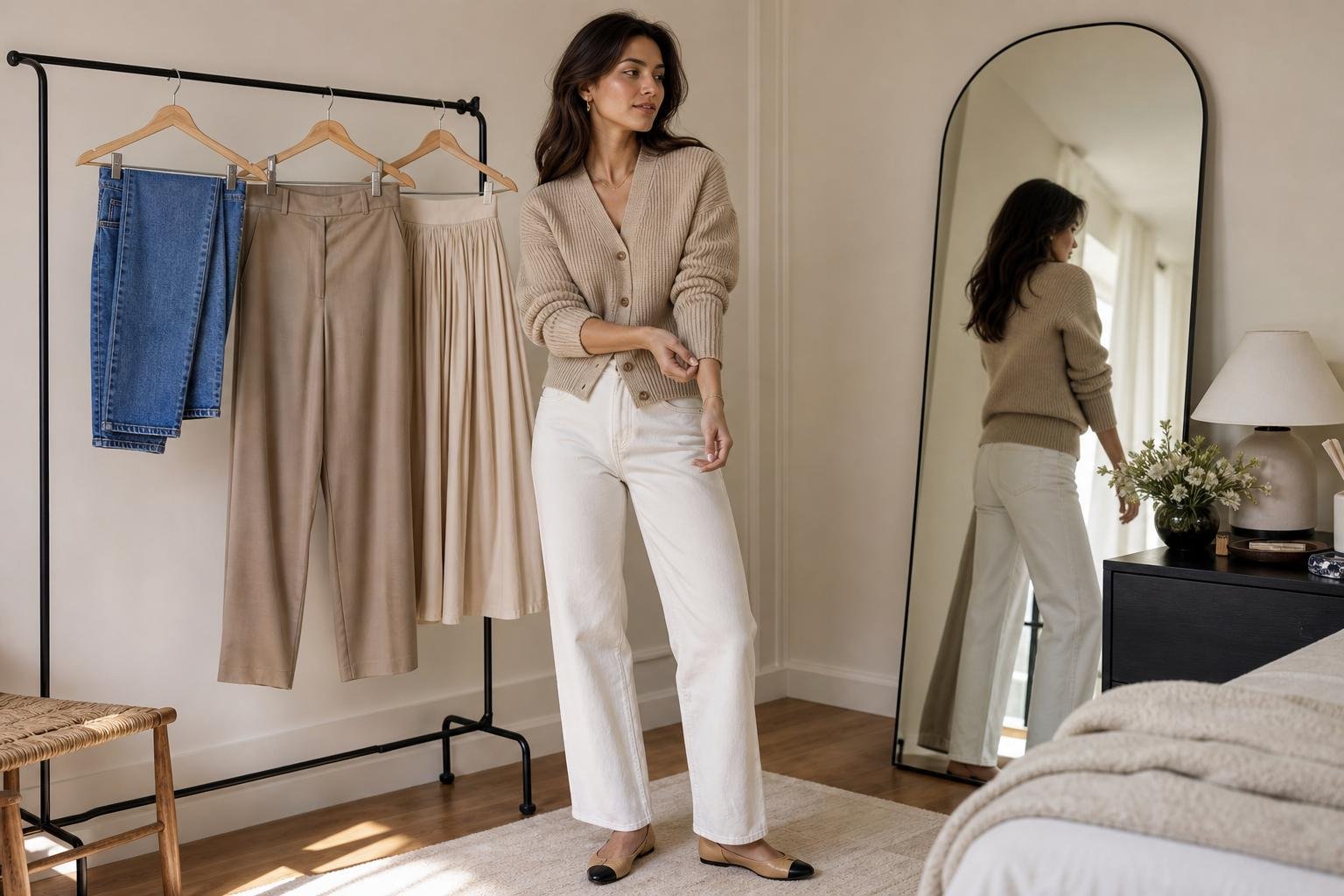
A useful test is the three-outfit rule. Create three distinct looks that feel appropriate for your actual life. For example, a cardigan might work with jeans and sneakers, tailored trousers and loafers, and a midi skirt with boots. If you cannot create three outfits without buying additional items, reconsider whether the purchase fills a true gap.
Remove tags only once you are confident in the decision and the retailer’s return terms. If the garment remains untouched for several days because you are unsure how to wear it, that hesitation is valuable information.
Walking away is a skill, especially when an item seems like a rare deal. Pause if you are choosing a size that is not quite right, ignoring an uncomfortable fabric, or hoping a trend will convince you to wear something outside your usual style.
It is also wise to leave an item behind if its “before” price is doing most of the persuasive work. The original price may provide context, but your budget should be based on what you are willing to spend today—not on how much you appear to be saving.
Set a 24-hour waiting period for nonessential purchases when possible. If you are still thinking about the piece the next day and can clearly explain where it fits in your wardrobe, it may be a thoughtful addition. If the urgency fades, you have saved more than the sale percentage.
No. Retailers may discount seasonal inventory, discontinued colors, limited sizes, or items that simply need to move. Still, inspect every garment individually because quality can vary within any price range.
Final sale can make sense when you know your size in the brand, understand the fabric and cut, and are confident the item will work in your wardrobe. It is generally riskier for unfamiliar labels or highly fitted pieces.
Shop with a list, set a spending limit, and give yourself time before purchasing. Checking fit, care, and return terms adds useful friction to the decision.
Treat clothing and sales as a tool for buying more intentionally, not more often. A worthwhile markdown supports a garment you will wear repeatedly, care for appropriately, and reach for with ease. When you begin with a wardrobe need and evaluate the item beyond its price tag, your purchases become more useful long after the promotion ends.