Physical Address
304 North Cardinal St.
Dorchester Center, MA 02124
Physical Address
304 North Cardinal St.
Dorchester Center, MA 02124
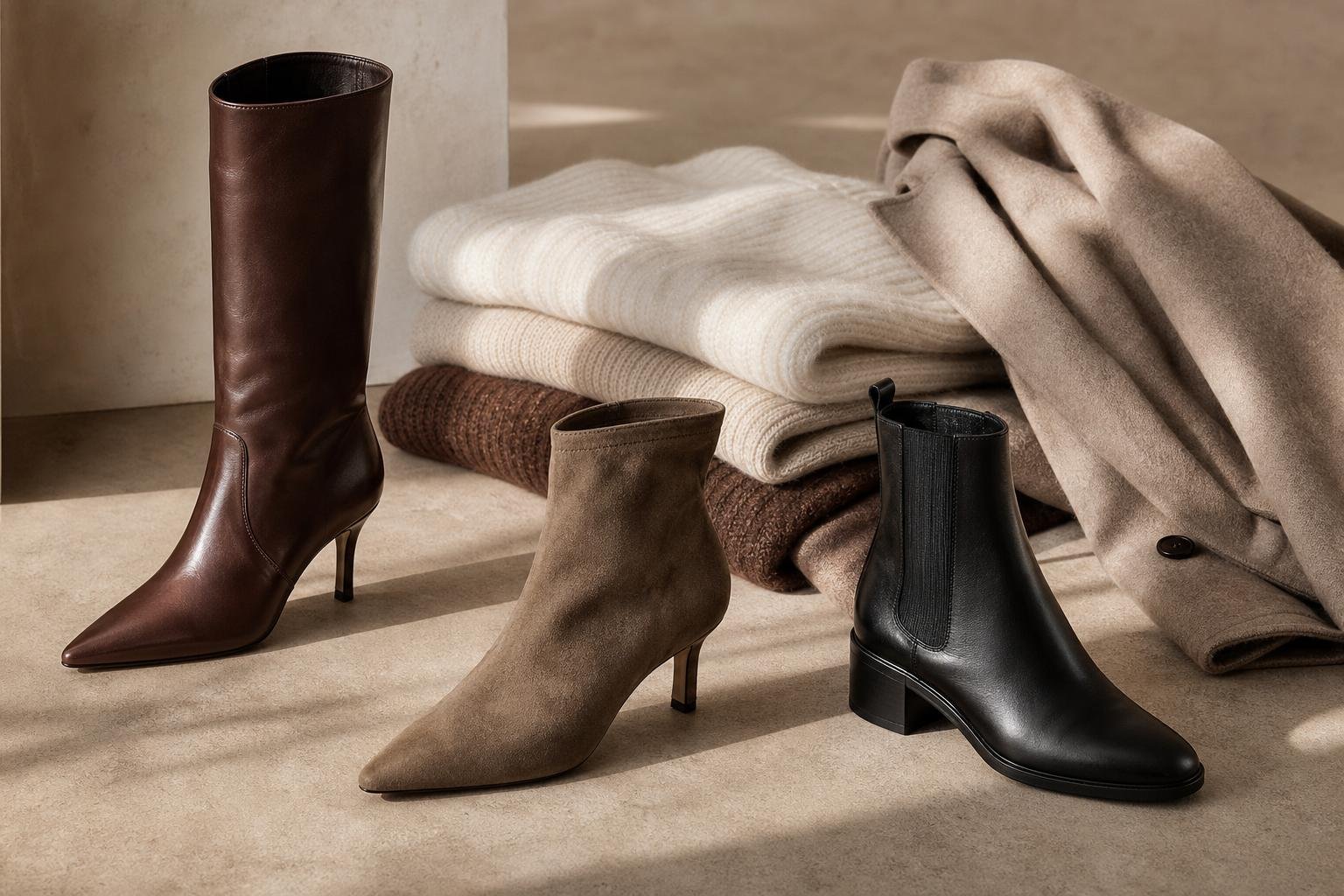
The right boot balances comfort, proportion, weather needs, and personal style. Use this guide to compare key silhouettes and choose pairs with lasting wardrobe value.
Boots are among the hardest-working pieces in a wardrobe, but the right pair depends on more than a passing trend. The best boots for women suit your climate, daily routine, preferred proportions, and tolerance for heel height. A polished knee-high boot may be ideal for office outfits, while a low, grippy ankle boot can make more sense for walking-heavy days.
Before shopping, consider where and how often you will wear them. A pair that looks excellent standing still but pinches at the instep or slips at the heel will stay in the closet. Prioritize fit and function first, then choose details that make the boots feel like your style.
Start with silhouette. Shaft height changes the visual line of an outfit and affects how easily a boot works with your existing pants, skirts, and dresses. Toe shape, heel height, and leather finish also influence whether a pair reads casual, tailored, rugged, or evening-ready.
Think about your wardrobe in terms of gaps rather than buying duplicates. If you already own versatile sneakers and loafers, a weather-ready ankle boot or refined tall boot may add more range than another casual flat. If most of your outfits feature wide-leg trousers, choose a shaft slim enough to fit smoothly beneath the hem.

Ankle boots typically end at or just above the ankle bone. They are easy to wear with straight-leg jeans, cropped pants, midi skirts, and dresses. Because the shaft is short, they are usually the most adaptable choice for a first boot purchase.
Mid-calf styles create more coverage and a stronger statement, though they can be less versatile with certain pant lengths. They work particularly well with slim trousers tucked in, opaque tights, and shorter skirts that leave intentional space above the shaft.
Knee-high boots are useful for cooler weather and can streamline dresses, skirts, and fitted jeans. Look for a shaft circumference that accommodates your calf without pulling, sagging, or restricting movement. Over-the-knee boots offer the most coverage and make the biggest visual impact, but they require more deliberate styling and fit.
A rounded or almond toe is a versatile middle ground: comfortable, classic, and easy to pair with casual or polished clothing. Square toes provide a modern, slightly directional finish and can offer extra room at the forefoot, depending on the construction.
Pointed toes lengthen the appearance of the foot and pair naturally with tailored trousers, skirts, and dressier outfits. However, they should not crowd your toes. Leave a small amount of room in front of your longest toe, especially if you plan to wear thicker socks or spend long periods standing.
A balanced boot wardrobe does not need every silhouette. Most people can cover daily needs with one or two well-chosen pairs, then add more specialized options only when their lifestyle calls for them.
| Boot style | Best for | What to look for |
|---|---|---|
| Ankle boot | Everyday wear | Low heel, comfortable shaft, versatile color |
| Chelsea boot | Easy casual outfits | Elastic panels, pull tab, substantial sole |
| Knee-high boot | Dresses and cool weather | Smooth shaft fit, stable heel, quality lining |
| Combat boot | Casual and weather-ready looks | Laces, lug sole, cushioned footbed |
| Western-inspired boot | Denim and relaxed outfits | Moderate toe shape, walkable heel |
Chelsea boots are among the easiest pull-on options. Their elastic side panels give them a clean profile, and they can work with jeans, trousers, and casual dresses. A leather pair with a low stacked heel is especially versatile, while a lug sole adds traction and a more casual mood.
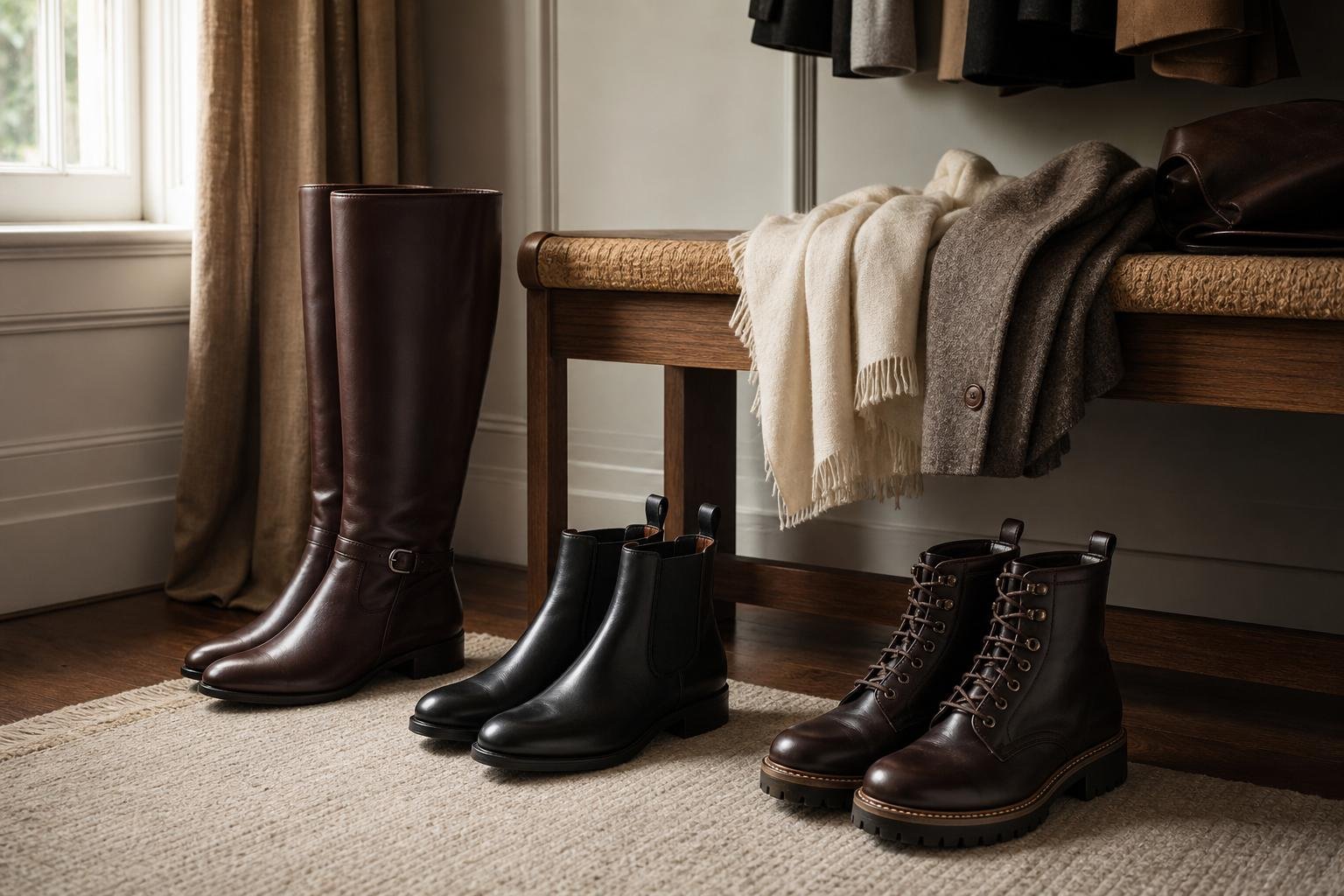
Combat and lace-up boots bring structure to softer outfits and offer practical support in wet or uneven conditions. Choose a pair with enough room at the instep for socks, and make sure the laces can be adjusted through the ankle. A chunky sole may be heavier, but it can provide useful grip and durability.
Knee-high boots are worth considering if you regularly wear skirts, dresses, or slim pants in cooler months. A sleek, minimally detailed pair in black, dark brown, or deep burgundy can work for years. For maximum versatility, choose a toe shape and heel height that align with the clothes you wear most often.
The most stylish boots for women still need to feel secure from the first wear. Try them on later in the day when feet may be slightly fuller, and wear the type of socks or hosiery you expect to use. Walk on a hard surface if possible and pay attention to pressure at the toes, ball of the foot, ankle, and top of the shaft.
Your heel should feel held in place, but a slight amount of movement can be normal in a new boot. Persistent slipping may cause blisters, while tightness across the instep can become uncomfortable quickly. Do not assume significant stretching will solve a fit problem, especially in structured materials or lined styles.
For tall boots, measure the widest part of your calf and compare it with the listed shaft circumference when that information is available. A gap of about 1/4 to 1/2 inch (0.6 to 1.3 centimeters) can allow for movement and clothing layers, though the right amount depends on the intended fit. Look for wide-calf options rather than sizing up in the foot, which rarely solves a shaft-fit issue.
Pay attention to soles and heel placement. A low block heel generally provides more stability than a narrow, high heel. Rubber soles are practical for traction, while leather soles often feel more refined but may be less suitable for rain or slick sidewalks. A cushioned insole, supportive arch, and flexible forefoot can make a major difference in all-day wear.
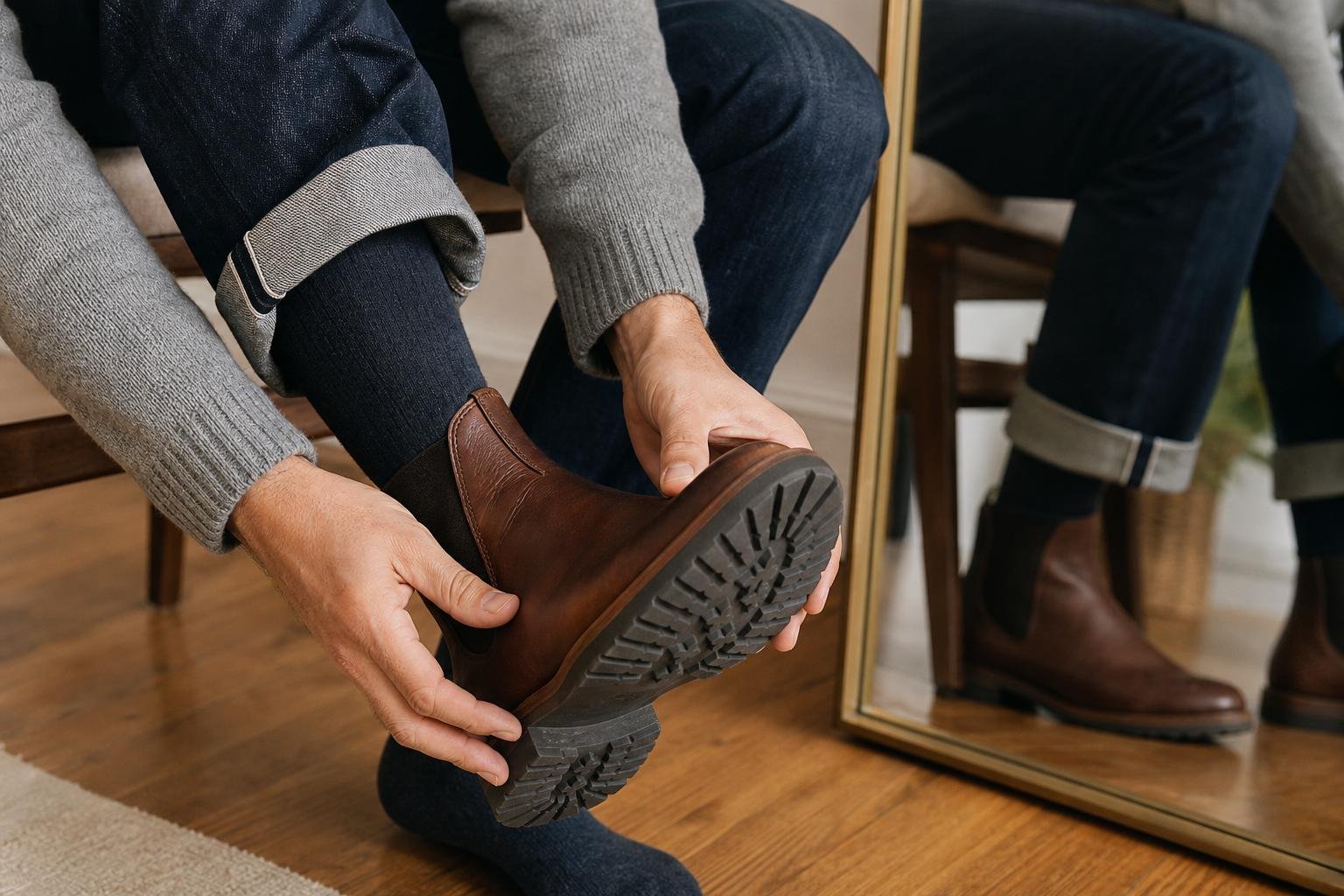
Leather is valued for its durability, structure, and ability to soften with wear. Smooth leather tends to look polished and is relatively easy to wipe clean, while pebbled leather disguises minor scuffs well. Suede has a softer, more textured appearance but generally needs greater protection from moisture and stains.
Synthetic materials can offer lower-maintenance options and a broad range of finishes. Assess the construction carefully: examine the seams, zipper movement, sole attachment, and interior lining. Regardless of material, a well-made boot should feel balanced rather than flimsy, with no sharp seams rubbing against the foot.
Color is another practical decision. Black boots are often the most versatile with dark denim, tailored separates, and city wardrobes. Brown, tan, and burgundy styles add warmth to denim, cream, olive, and camel. A lighter neutral can be elegant, but it may show wear more readily in wet weather.
When styling boots for women, let the shaft and hemline work together rather than compete. With ankle boots, a cropped straight jean that ends just above the shaft creates a clean break. Full-length straight or wide-leg pants should generally fall over a slim boot shaft without bunching.
Knee-high boots pair smoothly with midi skirts that either cover the top of the shaft or leave a purposeful amount of leg visible. With a shorter skirt or dress, consider opaque tights for a cohesive cold-weather outfit. Slim jeans and leggings can tuck into tall boots, but avoid forcing bulky fabric into a fitted shaft.
For an easy everyday formula, pair dark ankle boots with straight-leg jeans, a knit, and a structured jacket. For a more polished look, choose knee-high boots with a midi dress and a coat that falls near the hemline. Keep the rest of the outfit simple when wearing a more distinctive boot, such as a lug sole or Western-inspired shape.
Brush off dirt after wearing, especially from seams and welt edges. Let damp boots air-dry away from direct heat, which can dry out leather or affect adhesives. Use shoe trees or lightly stuff tall shafts with tissue to help preserve their shape between wears.
Condition leather periodically with a product designed for the material, and use a protective spray appropriate for suede or nubuck. Rotating between pairs gives footwear time to air out and can reduce wear at pressure points. Replace worn heel caps or resoles before damage reaches the upper.
The right boots for women should earn their place through comfort, versatility, and a silhouette that fits your real wardrobe. Start with the height and function you will use most, confirm the fit before focusing on details, and choose materials you are prepared to care for. A thoughtfully selected pair can support countless outfits across multiple seasons.