Physical Address
304 North Cardinal St.
Dorchester Center, MA 02124
Physical Address
304 North Cardinal St.
Dorchester Center, MA 02124
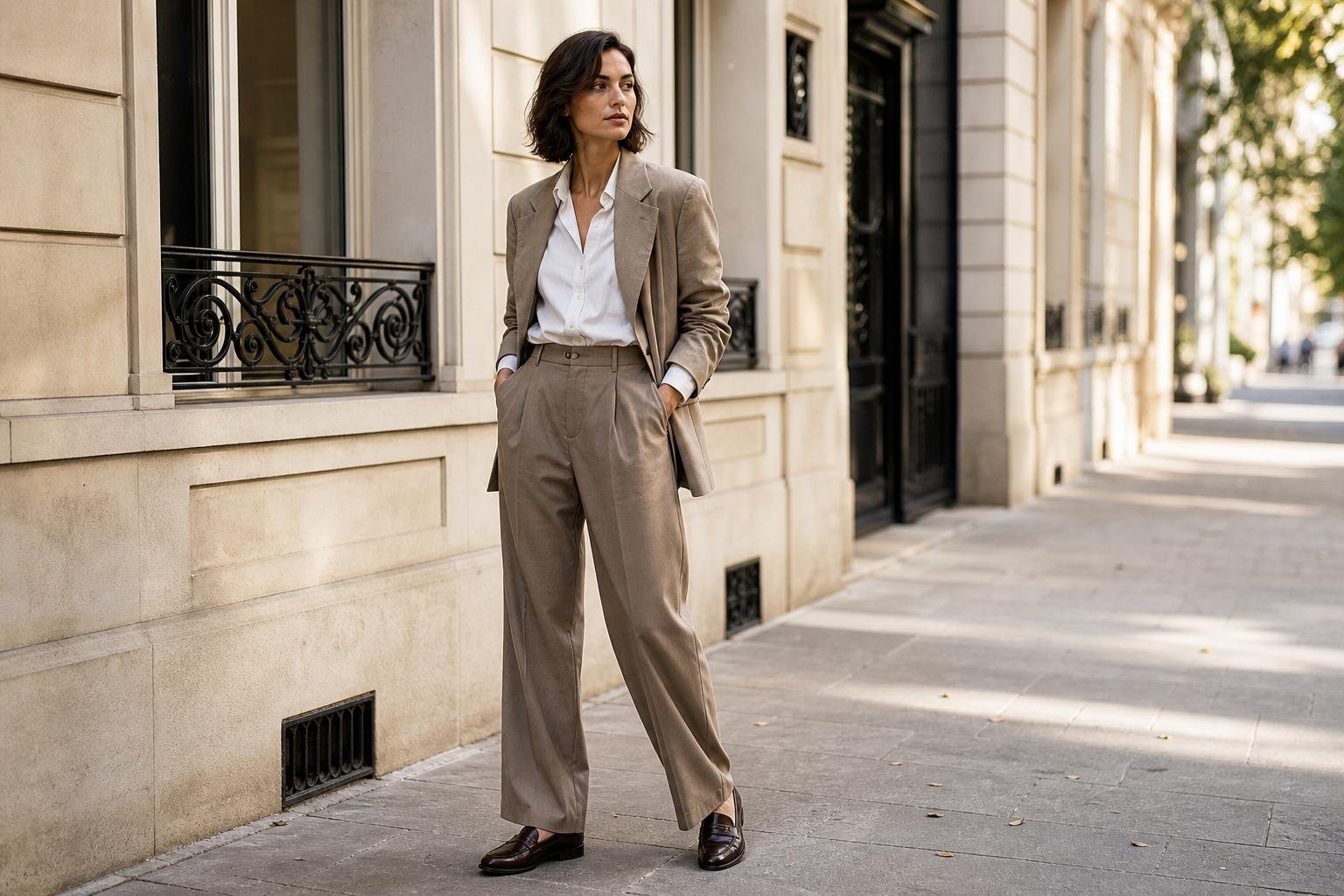
A blazer can sharpen a casual outfit or bring relaxed ease to a dressier look. Learn how to style yours with denim, trousers, dresses, skirts, and the right finishing pieces.
A blazer is one of the most adaptable pieces in a wardrobe: it can make a T-shirt and jeans feel intentional, soften the formality of tailored pants, or give a dress a more structured finish. The most useful blazer outfit ideas for women begin with a simple question: do you want the blazer to be the polished element of the look, or should it blend into an already dressy outfit?
The answer shapes everything from fabric and fit to footwear. Start with proportion, then use the rest of the outfit to set the mood. A crisp shirt, sleek shoe, and structured bag will elevate almost any blazer; washed denim, knitwear, and sneakers make the same jacket feel considerably more relaxed.
A blazer should create shape without making you feel restricted. A single-breasted style with a moderate shoulder and hip-skimming length is especially versatile because it works with both slim and fuller bottoms. If you prefer an oversized blazer, balance its volume with a closer-fitting top, a defined waist, or a streamlined bottom half.
Pay attention to the hemline. A blazer that ends at the upper hip can work well with high-rise jeans and skirts, while a longer style creates a leaner vertical line over straight-leg trousers or a column dress. Cropped blazers pair naturally with high-waisted pants but can feel more directional and less all-purpose.
Color also affects versatility. Black, charcoal, navy, chocolate brown, camel, and soft gray are easy foundations. A plaid, pinstripe, or subtle texture can function like a neutral when its colors repeat tones already present in your wardrobe.
For a polished office, dinner, or event-ready look, pair your blazer with trousers that have some structure. Matching trousers create a suit, but coordinating separates can look just as refined. Try a navy blazer with cream trousers, a gray blazer with black pants, or a camel jacket with deep brown tailoring.
Keep the layer underneath clean and considered. A silk-like shell, fine-gauge knit, crisp button-down, or fitted crewneck offers a neat base without competing with the jacket. Tuck it in when you want a more formal line, or leave a lightweight top untucked beneath an open blazer for a softer approach.
Shoes set the final level of formality. Pointed-toe flats, loafers, ankle boots, slingbacks, and simple pumps all work with tailored pants. For the most streamlined effect, choose a shoe that either echoes the trouser color or leaves a small, intentional break at the ankle rather than bunching at the hem.
A full suit does not have to mean stiff or traditional. Choose relaxed trousers, such as straight-leg or wide-leg styles, and wear the blazer open over a ribbed tank or a fine knit. A belt, minimal jewelry, and a leather tote can add definition while keeping the outfit approachable.
For work, blazer outfit ideas for women often benefit from one casual counterpoint. That might be a soft T-shirt under a tailored suit, flat loafers instead of heels, or a slightly oversized jacket with sharply pressed pants. The contrast keeps the look current while preserving the authority of tailoring.
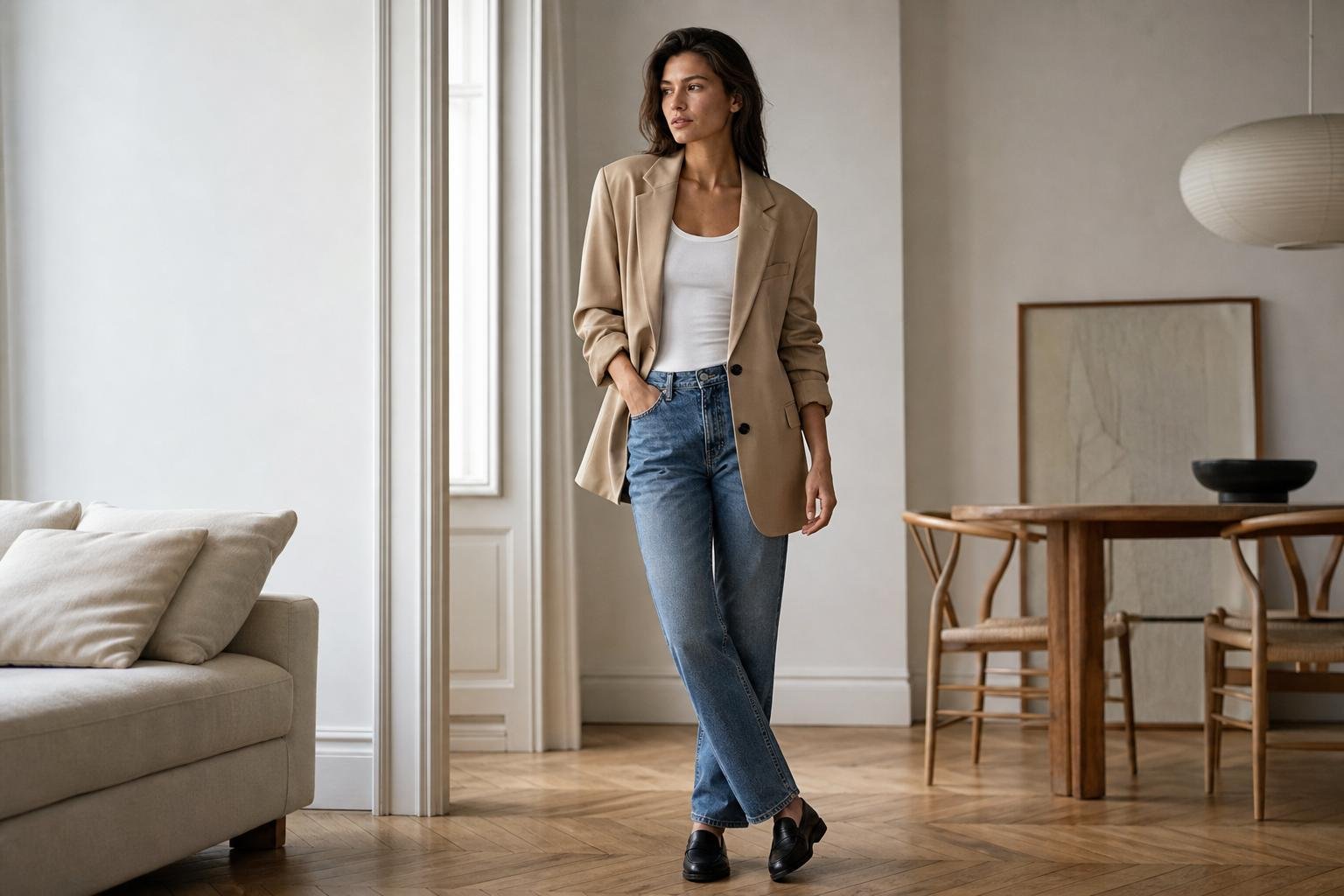
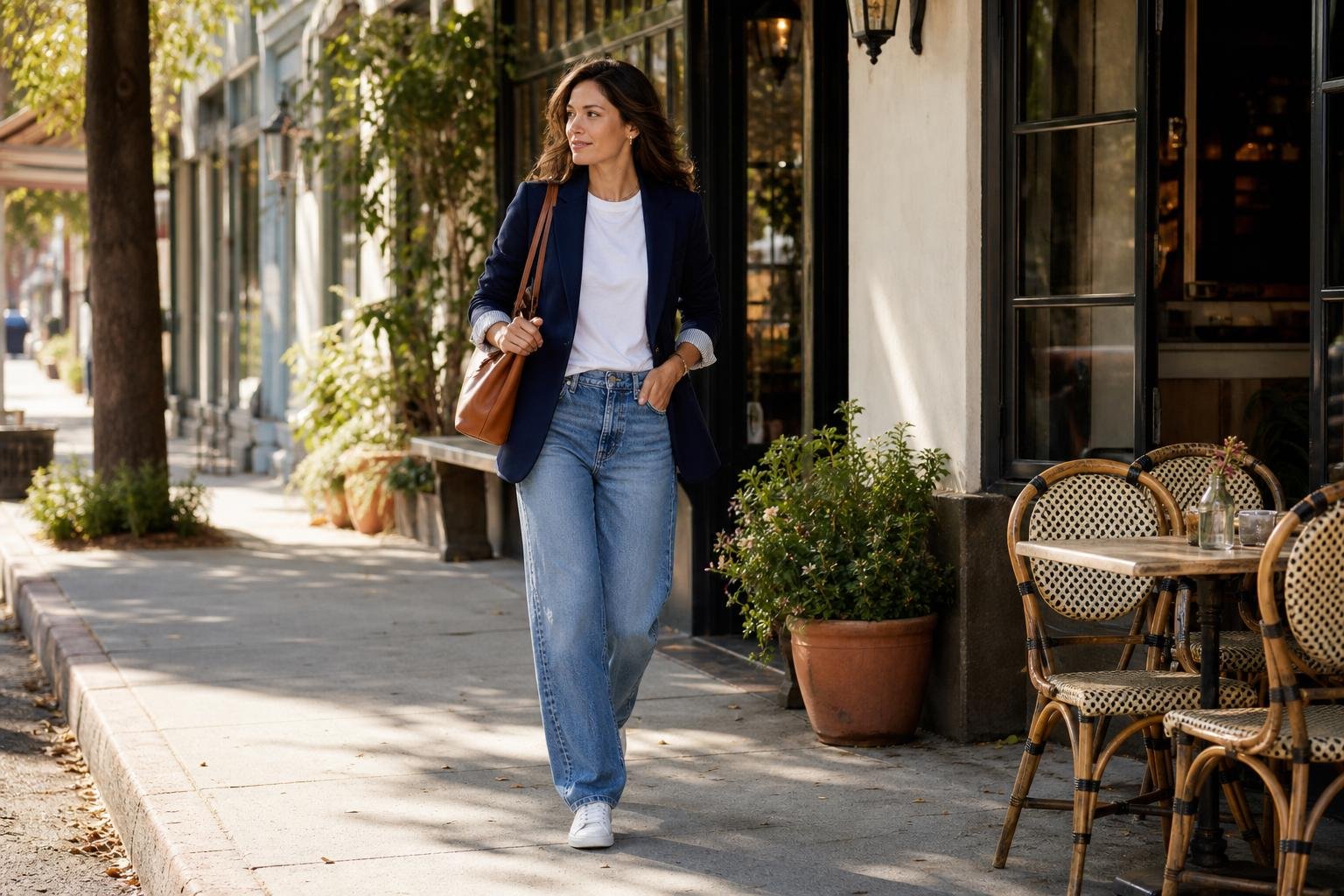
Jeans are the quickest route to a dressed-down blazer outfit. Straight-leg, slim-straight, and relaxed jeans tend to be the easiest partners because they provide shape without creating an extreme contrast against the jacket. A medium or dark wash looks slightly more polished, while faded blue or ecru denim feels more off-duty.
Start with a simple formula: blazer, fitted T-shirt or tank, jeans, and low-profile sneakers. The blazer should be relaxed enough to suit the denim, but it does not need to be oversized. Roll the sleeves once or push them up to reveal the wrist if you want the outfit to feel less formal.
For casual blazer outfit ideas for women, texture matters as much as color. A jersey tee, soft denim, suede shoe, or canvas sneaker makes tailoring feel easy. Conversely, a sharply pressed blouse, glossy heel, and structured handbag can make jeans-and-blazer styling appropriate for a dinner reservation or creative workplace.
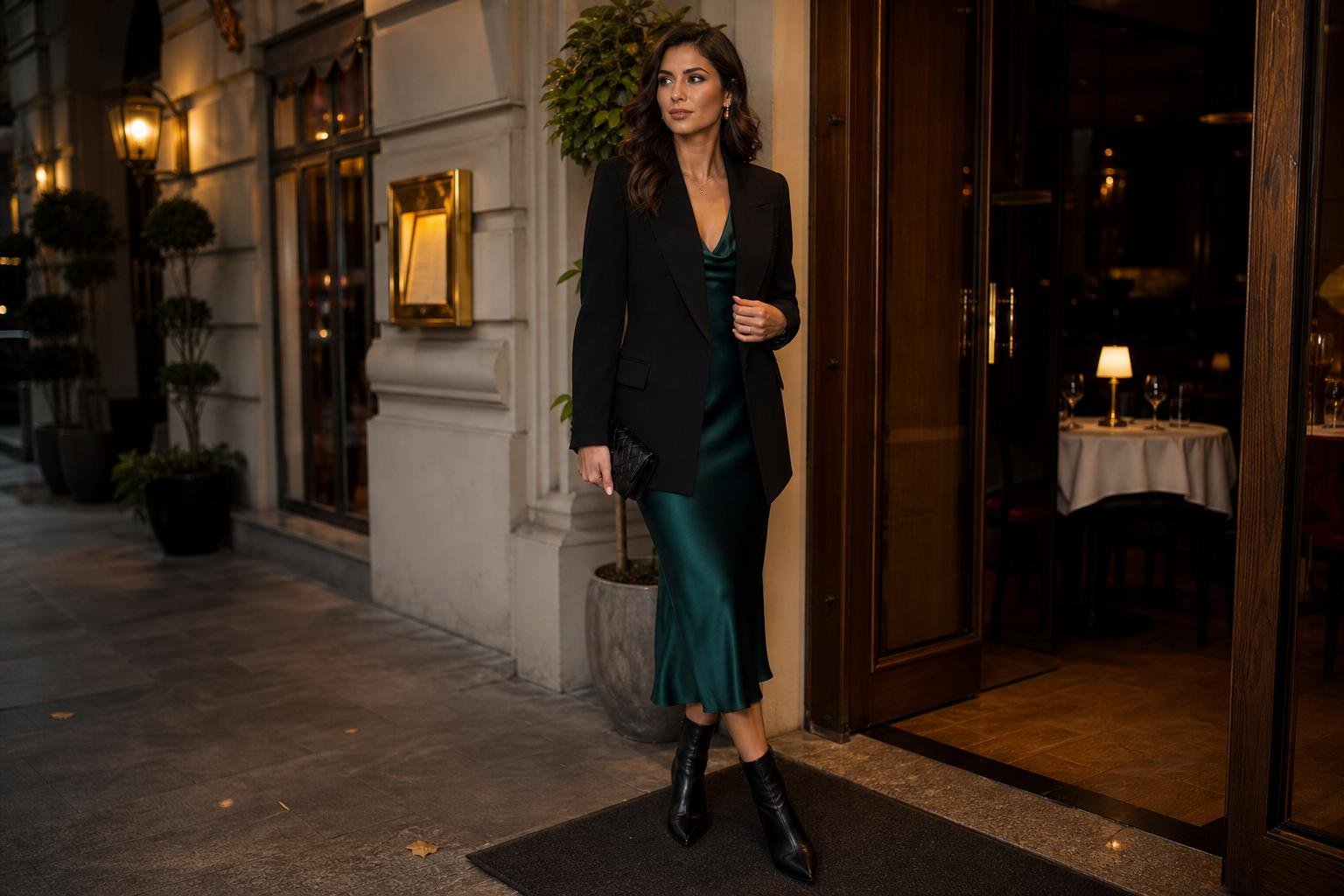
A blazer can make dresses more wearable across settings by adding coverage, structure, and a bit of contrast. Over a slip dress, choose a blazer with enough length to create a clean vertical line. Over a knit dress, a slightly boxier jacket prevents the outfit from looking too clingy. For a floral or printed dress, pull one understated color from the print for the blazer.
The easiest proportion is usually a blazer that ends near the dress’s natural waist or slightly below it. With midi dresses, avoid a jacket that cuts across the widest point of the hips unless the overall look is intentionally oversized. A belt over the dress can help restore definition if the blazer stays open.
Skirts offer similar possibilities. A blazer with a pencil skirt feels polished, while a denim or satin midi skirt creates an appealing mix of tailored and relaxed elements. With a shorter skirt, choose loafers, knee-high boots, or opaque tights when you want a more grounded, balanced finish.
The same blazer-and-trouser combination can go from casual to dressy with a shoe change. White leather sneakers make it daytime-ready. Loafers and ballet flats add a smart, understated finish. Heeled boots or sleek pumps make the look more evening-appropriate, especially with darker colors and a more fitted base layer.
Accessories should support the outfit’s level of polish. A roomy tote, simple watch, and delicate earrings suit everyday tailoring. For a night out, switch to a compact shoulder bag, sculptural earrings, or a bold cuff. Avoid adding too many highly formal pieces at once; one elevated accessory often does more than several competing details.
A belt can be practical as well as decorative. It gives trousers and jeans a finished look and creates a visual connection between shoes and bag. If you wear an oversized blazer open, a visible belt also helps maintain a sense of shape.
Fabric changes how a blazer wears. Wool, twill, and substantial crepe tend to hold their shape and work well for cooler weather or dressier settings. Linen and cotton are breathable options for warm days, though they will look more relaxed and may wrinkle as part of their natural character.
In transitional weather, layer a blazer over a thin knit, long-sleeve tee, or lightweight shirt. The jacket should still close comfortably if you need it to; overly tight sleeves or strained buttons can undermine an otherwise polished outfit. In warmer conditions, use a sleeveless top or tank to keep the silhouette neat without adding bulk.
A blazer with a little texture—such as herringbone, tweed-like weave, or linen—can bring interest to simple outfits. Reserve more structured fabrics for tailored combinations, and lean toward softer, unlined styles when you want a blazer to replace a cardigan or light jacket.
When getting dressed feels complicated, use a repeatable formula and vary the colors, fabrics, and shoes.
The strongest blazer outfits rely on balance rather than strict rules. Pair sharp tailoring with softer basics when you want a relaxed look, or use sleek shoes and refined layers when the occasion calls for polish. Once you know which lengths, fabrics, and proportions suit you, a blazer becomes an easy finishing layer for nearly every part of your wardrobe.