Physical Address
304 North Cardinal St.
Dorchester Center, MA 02124
Physical Address
304 North Cardinal St.
Dorchester Center, MA 02124
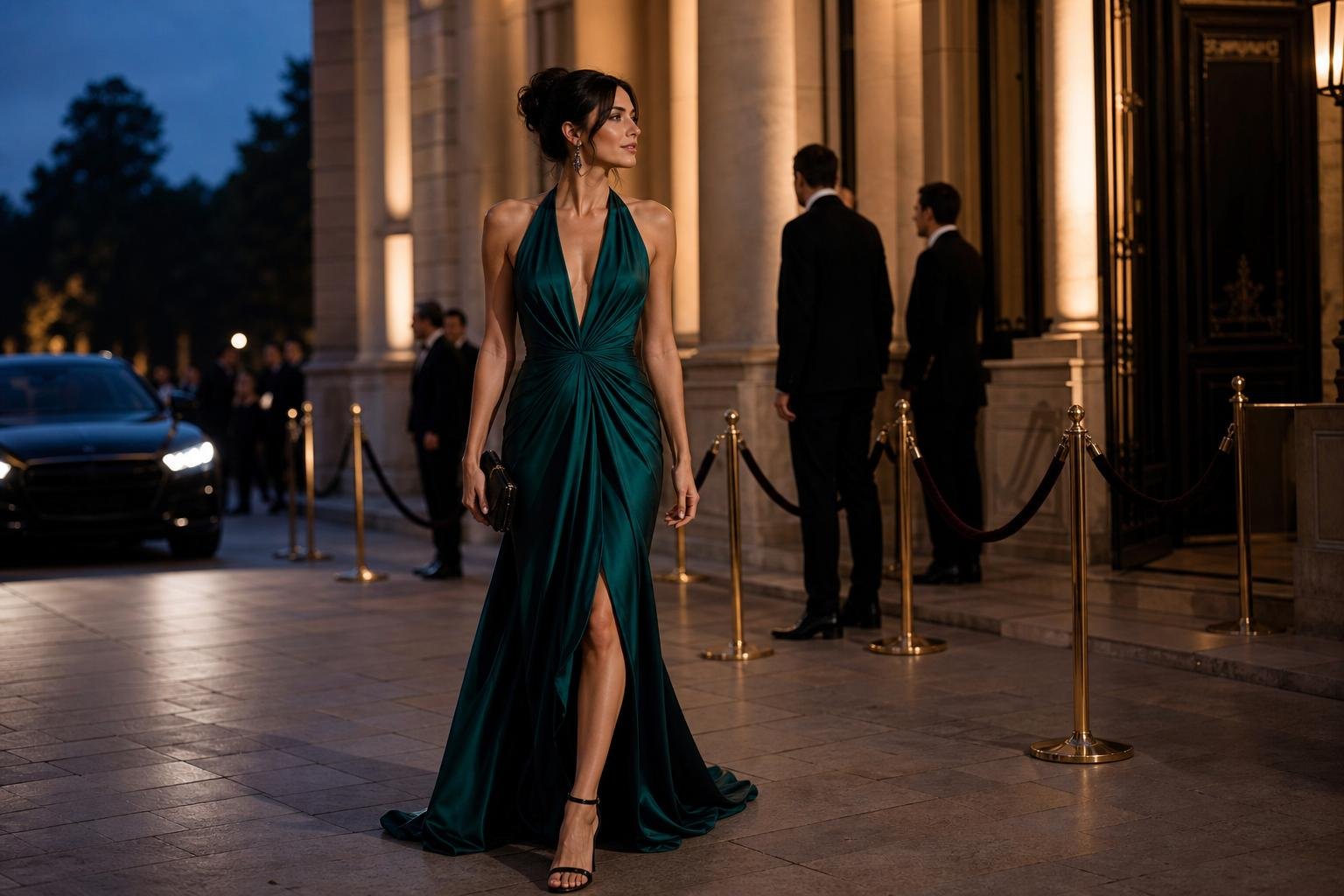
A red-carpet-worthy outfit is about more than a dramatic gown. Learn how to choose a silhouette, fabric, color, and accessories that feel polished and entirely your own.
A great formal look should feel intentional from every angle, not like a costume borrowed for one night. The appeal of red carpet dresses lies in that balance: they create a memorable entrance while still giving the wearer room to move, sit, greet people, and enjoy the event. Whether you are dressing for a gala, awards dinner, formal wedding, or a high-profile celebration, begin with the occasion and build outward.
The goal is not to copy a celebrity moment exactly. Instead, borrow the styling principles that make formal fashion work on a grand scale: a strong silhouette, considered fabric, a purposeful color choice, and accessories that support rather than compete with the dress.
Start with the invitation. “Black tie” usually calls for a floor-length gown or an exceptionally refined formal ensemble, while a creative black-tie event leaves more room for sculptural shapes, expressive color, and directional accessories. For a formal wedding, avoid anything that could distract from the couple or read as bridal unless the dress code specifically welcomes it.
Venue matters, too. A long satin train may look striking on a sweeping staircase but become difficult on grass, gravel, or a crowded rooftop. A dress with a fluid skirt, a subtle sweep train, or a clean column shape can deliver drama without requiring constant adjustment.
Think about the evening’s pace before committing to a silhouette. If there will be a seated dinner, dancing, or substantial walking, prioritize a secure neckline, a hem that clears your shoes, and a fabric that does not wrinkle sharply after an hour in a chair.
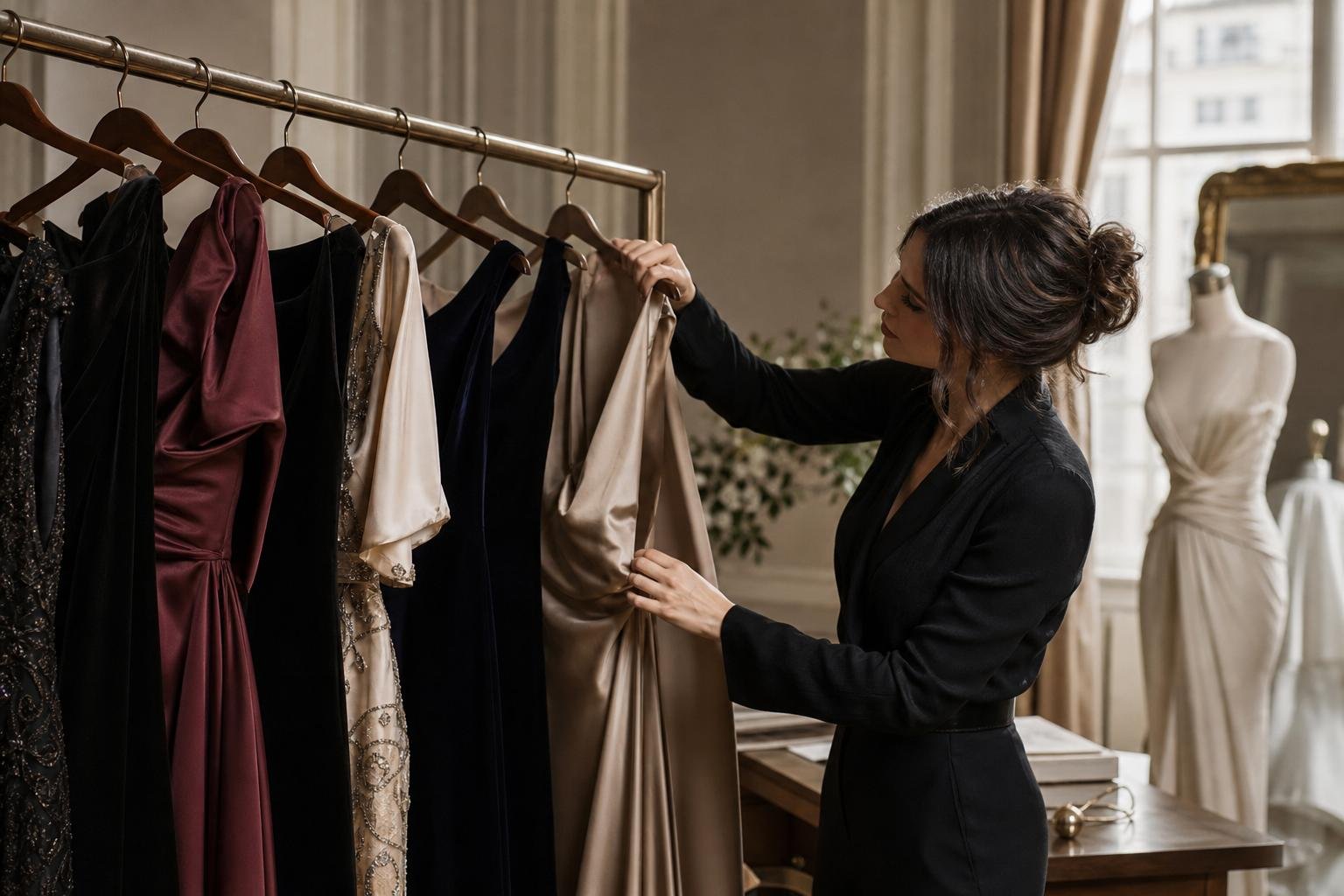
The most effective formal outfits have a clear outline. Before considering beading, cutouts, or embellishment, decide how you want the dress to frame your body and how much volume feels comfortable. A simple shape in a beautiful fabric often reads more elegant than a complicated design with too many competing features.
A column gown creates a long, clean line and works especially well when you want an understated, modern effect. Look for strategic seaming, a back vent, or a soft drape at the waist to maintain ease of movement. A slip dress offers similar verticality with a lighter, more fluid feel, though it benefits from thoughtful underpinnings and precise fit.
For greater presence, consider an A-line or ball-gown skirt. These silhouettes define the waist and create movement as you walk. They can feel romantic, architectural, or classic depending on the fabric: taffeta holds a crisp shape, while chiffon and layered tulle soften the overall effect.
Mermaid and trumpet gowns emphasize the torso and hips before opening below the knee. They can be striking for a formal evening, but test the stride carefully. A fit-and-flare style with a less restrictive knee area often offers a similarly glamorous line with more practical mobility.
The most memorable red carpet dresses make a single visual statement well. Choose one focal point—an open back, a sculpted shoulder, rich texture, a high slit, or dramatic volume—then let the remaining elements stay relatively clean.
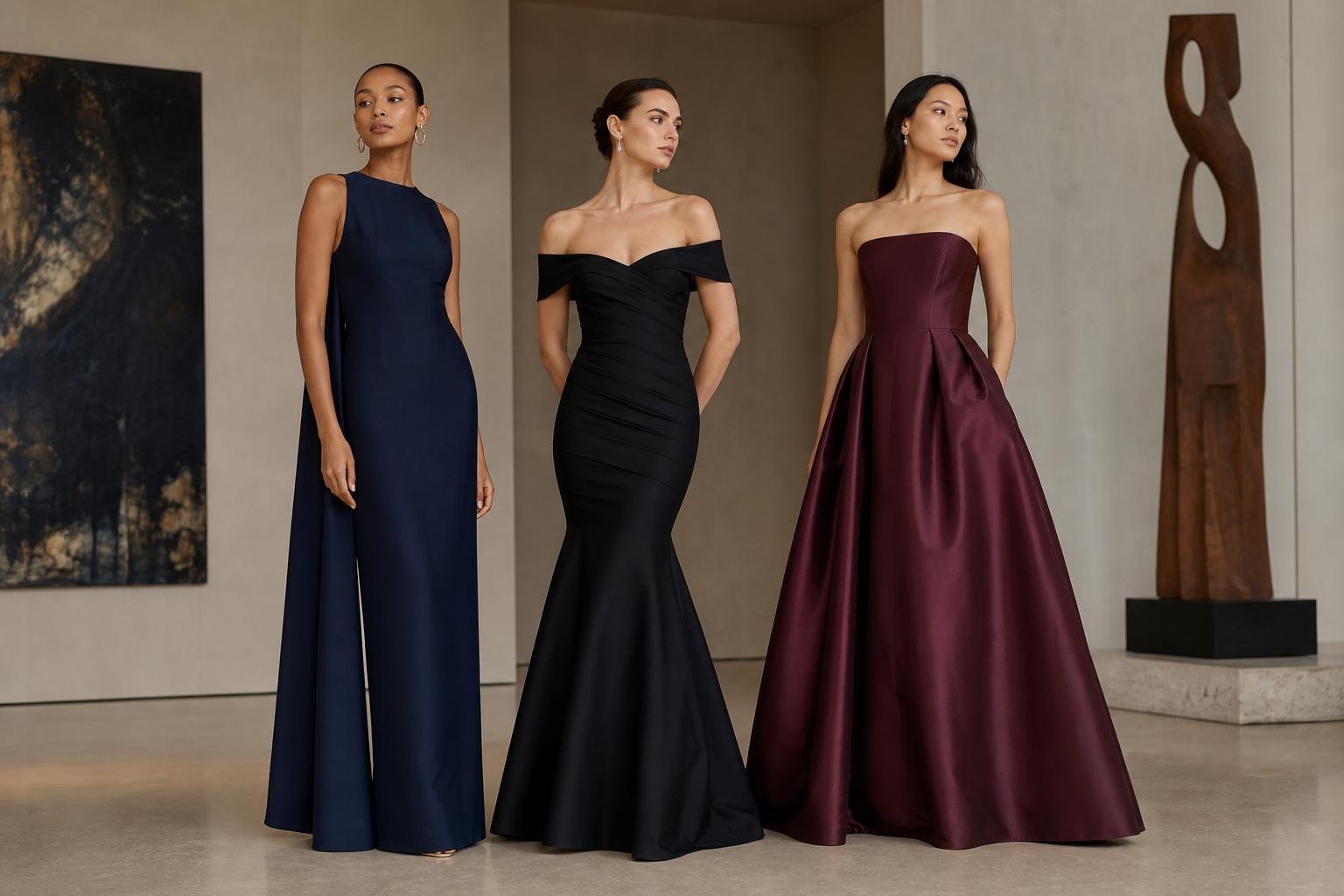
Color is one of the quickest ways to make an evening look feel personal. Black remains enduring because it creates a sharp backdrop for jewelry and photographs beautifully in many settings. Deep navy, espresso brown, forest green, burgundy, and plum offer comparable sophistication with more nuance.
Jewel tones such as emerald, sapphire, amethyst, and ruby bring depth under evening lighting. Softer shades, including muted rose, powder blue, silver, and pale yellow, can feel equally formal when the fabric has enough weight or luminosity. If you prefer a neutral, consider ivory-toned shades only when they are appropriate for the event and will not conflict with wedding etiquette.
Fabric changes how color behaves. Satin catches light and makes even a simple silhouette look dressed up, but it can highlight fit issues if it pulls across the body. Velvet has depth and richness, particularly for cooler-weather events. Crepe gives a matte, polished finish and is often easier to wear than highly reflective textiles.
Sequins, metallic thread, and beading bring instant impact. Keep the shape streamlined when the surface is elaborate, and choose simpler jewelry to preserve a refined finish. Conversely, a minimalist crepe or silk gown can handle a more expressive earring, cuff, or evening bag.
Accessories should clarify the dress’s point of view. If the gown is ornate or has a strong neckline, select earrings that add light without competing for attention. A sleek updo can make a shoulder-baring, halter, or high-neck design feel especially intentional, while softly styled hair pairs well with fluid dresses and romantic draping.
Shoes need to work with both the hem and the event environment. A pointed-toe pump elongates the line beneath a column dress, while a refined sandal keeps a slit gown feeling light. Block heels, platforms, or elegant flats may be more practical for outdoor venues or long evenings. Walk in the shoes before the event to confirm the hem length and stride.
Choose a small bag with enough room for the essentials: phone, identification, cards, lipstick, and any necessary medication. A structured clutch feels classic; a compact bag with a discreet strap offers freedom during cocktails or dancing. Match metals only if that is the look you want—mixed metals can appear polished when repeated intentionally.
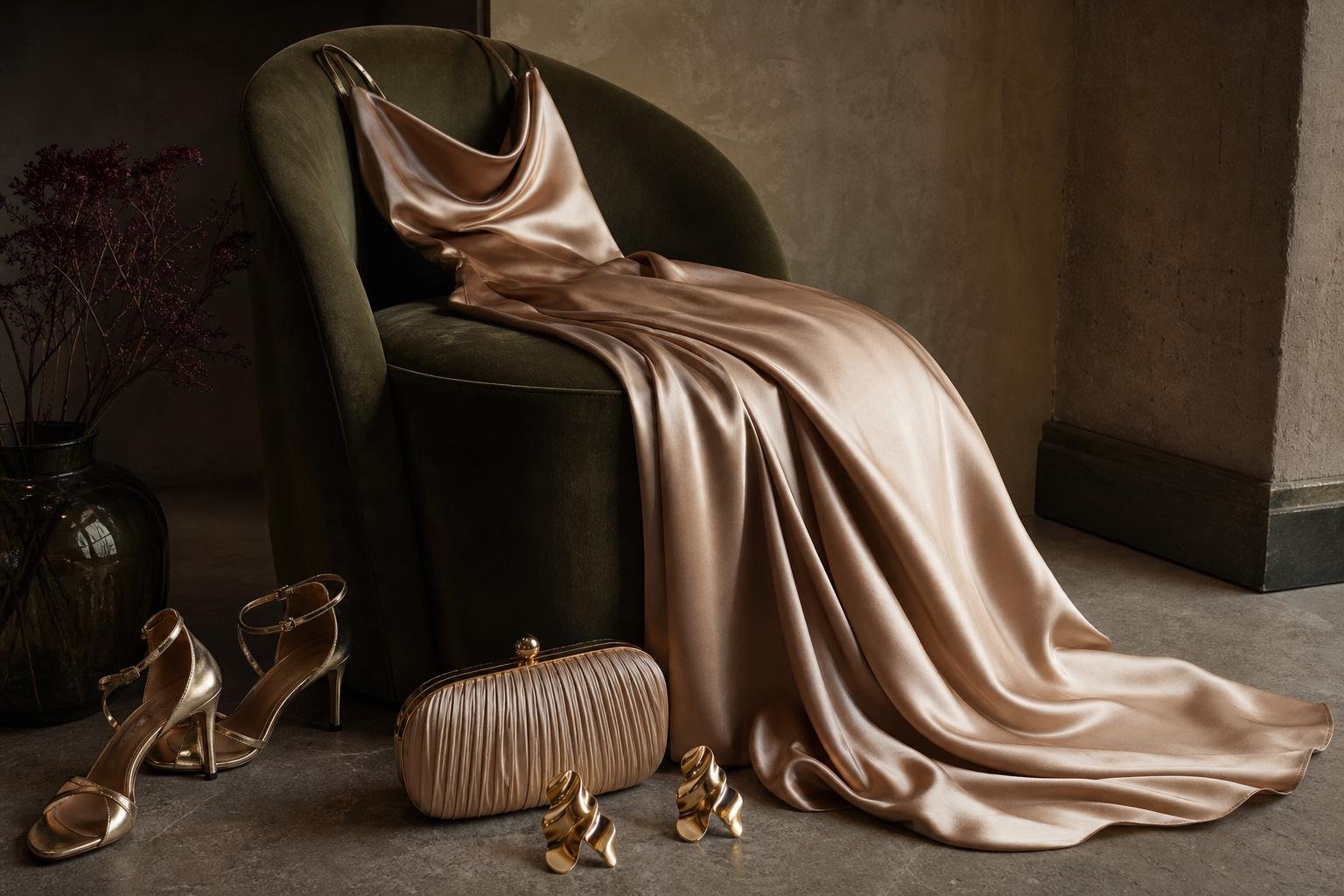
Even exceptional red carpet dresses lose impact when they require constant pulling, lifting, or readjusting. Schedule alterations early enough to test the complete outfit with shoes and undergarments. Hemming should allow the dress to skim the floor rather than drag behind you, unless a train is a deliberate and manageable part of the design.
Bring the exact undergarments you plan to wear to every fitting. Seamless foundations, shapewear, adhesive support, or a well-constructed bodice can change the way a gown sits on the body. The right solution should feel secure, not restrictive.
At home, rehearse the practical moments: climbing stairs, sitting down, getting in and out of a car, and raising your arms. Keep fashion tape, a small sewing kit, blister protection, and a stain-removal wipe in your bag or with a trusted companion.
Not always. A floor-length gown is the most traditional choice for black tie, but a formal midi dress or sharply tailored evening ensemble can work for cocktail-attire events, creative dress codes, and less ceremonial venues. Fabric, fit, and styling determine whether the look still feels elevated.
Yes. A saturated jewel tone, refined bright shade, or strong print can be appropriate when the event does not call for conservative attire. Balance a bold dress with restrained accessories and a polished beauty look so the overall effect remains cohesive.
Avoid selecting a dress solely for its hanger appeal. If the neckline shifts, the fabric restricts walking, the hem catches underfoot, or the shoes are uncomfortable, the look may not feel confident in practice. Comfort is not separate from glamour; it helps create it.
Ultimately, red carpet dresses work best when they reflect both the event and the person wearing them. Choose a silhouette that lets you move with ease, a fabric that suits the setting, and finishing details that feel considered. When every element supports the same mood, the result is polished, expressive, and memorable without feeling overdone.