Physical Address
304 North Cardinal St.
Dorchester Center, MA 02124
Physical Address
304 North Cardinal St.
Dorchester Center, MA 02124
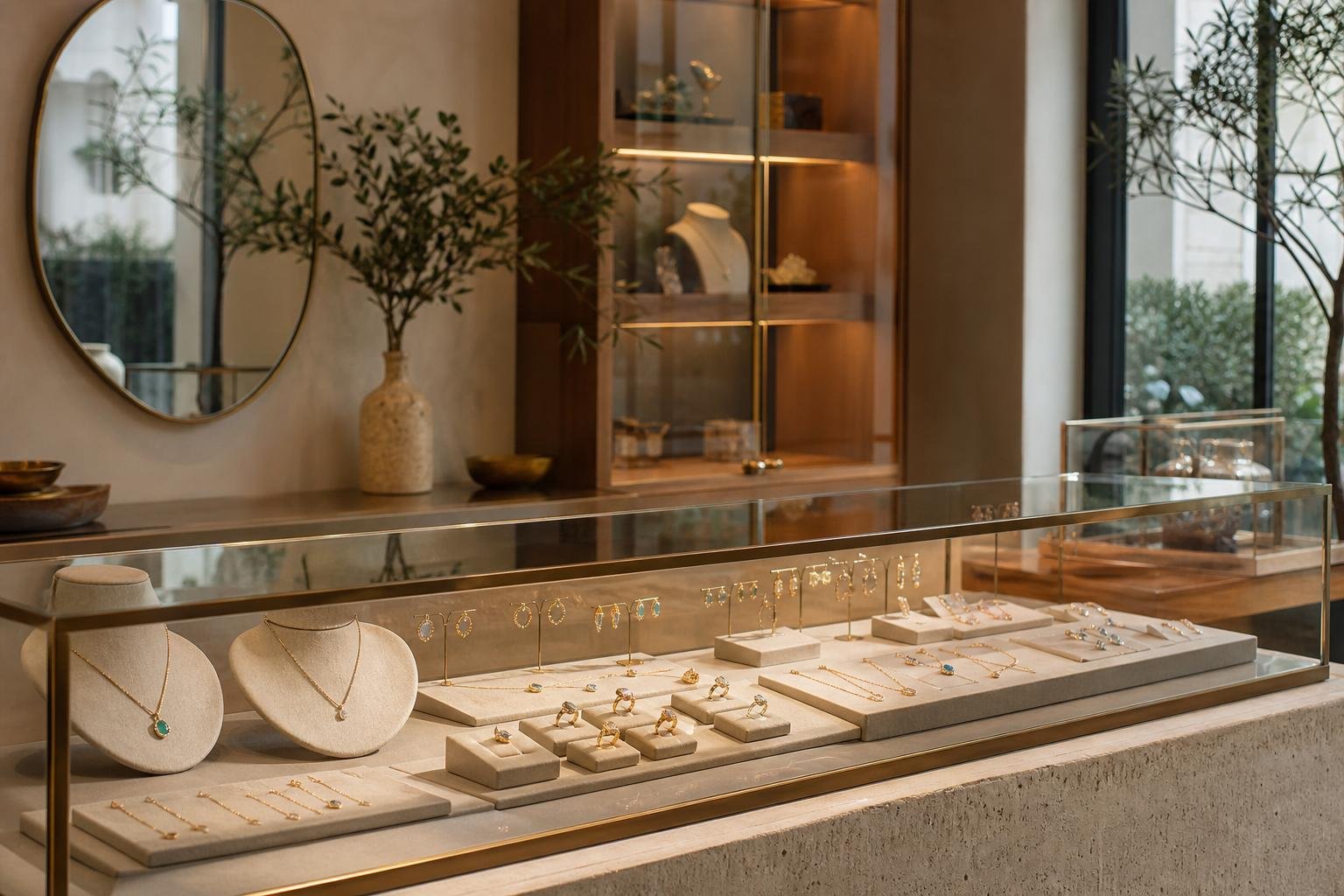
A local jeweler can be a valuable resource for gifts, repairs, engagement rings, and everyday pieces. Learn what to look for before you visit, compare, or buy.
Finding the right jeweler is about more than locating a display case full of sparkling pieces. Whether you are shopping for a meaningful gift, replacing a lost earring, planning an engagement, or finally repairing a favorite chain, a jewelry store near me should offer clear information, attentive service, and work that suits your needs.
The best choice depends on what you are buying and how much guidance you want. A store that is ideal for a quick watch battery replacement may not be the place you choose for a custom wedding band. Start with your purpose, then use a few practical checks to narrow your options before you visit.
Begin by identifying the service you need. Local jewelers can vary widely: some focus on fashion jewelry and gifts, while others specialize in diamonds, estate pieces, repairs, appraisals, or custom design. Knowing your priority makes it easier to ask useful questions and avoid comparing stores that serve entirely different shoppers.
For a purchase, look at the style range first. Consider whether you want classic gold hoops, a delicate chain, a gemstone ring, a watch, or a once-in-a-lifetime piece. For a repair, determine the issue in simple terms: a broken clasp, missing stone, bent prong, worn plating, resizing need, or tangled chain. Bring the piece with you whenever possible so the jeweler can evaluate it directly.
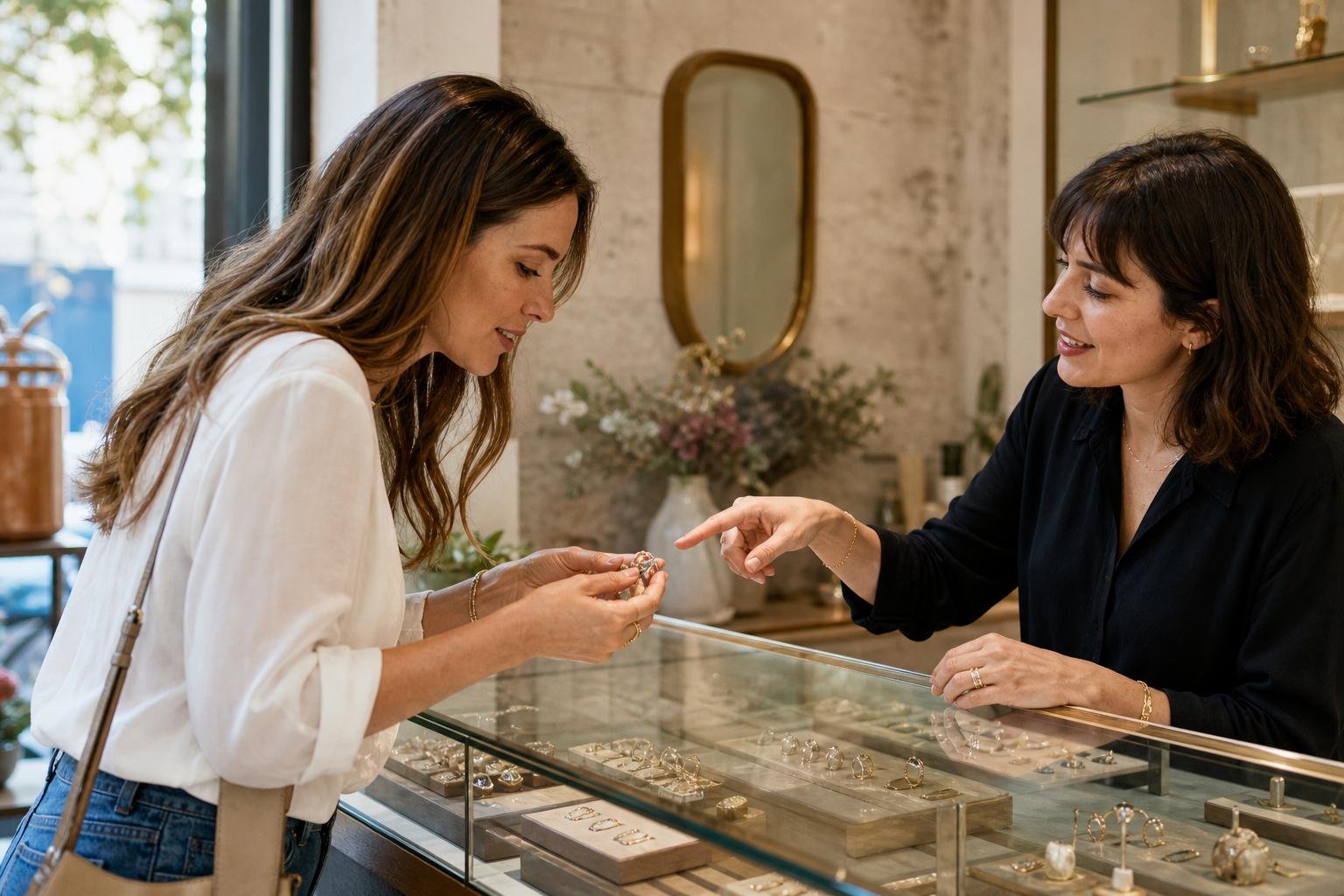
Before visiting, review the store’s stated services, return or exchange policies, repair procedures, and appointment options. A website or store listing may also clarify whether the business carries ready-to-wear jewelry, accepts custom projects, or handles repairs on-site. If important information is unclear, call ahead rather than assuming a particular service is available.
Location is useful, but convenience should not be the only deciding factor. A trusted jeweler can become a long-term resource for cleaning, inspections, resizing, insurance documentation, and future gifts. It may be worth traveling a little farther for a store that communicates clearly and carries pieces aligned with your taste.
Jewelry is personal, and “good value” can look different depending on your goal. Set a working budget, but leave room for variables such as metal type, gemstone quality, craftsmanship, and alterations. A salesperson should be able to show options across a range of price points without making you feel rushed into a decision.
For everyday jewelry, prioritize comfort and durability. Think about your routines: Do you work with your hands? Exercise often? Prefer pieces you can sleep in? Fine chains, slim bands, and delicate settings can be beautiful, but they may require more careful wear than sturdier designs.
For a gift, focus on the recipient’s existing style. Notice the metal color they wear most often, whether they prefer small or statement-making pieces, and how formal their wardrobe tends to be. When in doubt, classic silhouettes—such as simple studs, a pendant necklace, or a streamlined bracelet—often offer more flexibility than highly trend-specific designs.
Bring a few notes to help guide the conversation:
This preparation helps a jeweler offer more relevant recommendations. It also keeps the experience centered on your needs rather than on whichever item happens to be featured in the case.
A good sales conversation should make materials understandable. You do not need to become an expert before entering the store, but you should feel comfortable asking direct questions about what you are considering.
For metal jewelry, ask what the piece is made of and whether it is solid, plated, filled, or vermeil. These terms affect durability, care needs, and price. For example, plated pieces have a thin layer of precious metal over another base metal, while solid gold jewelry contains gold throughout the piece. The right option depends on how often you plan to wear it and how much maintenance you are comfortable with.
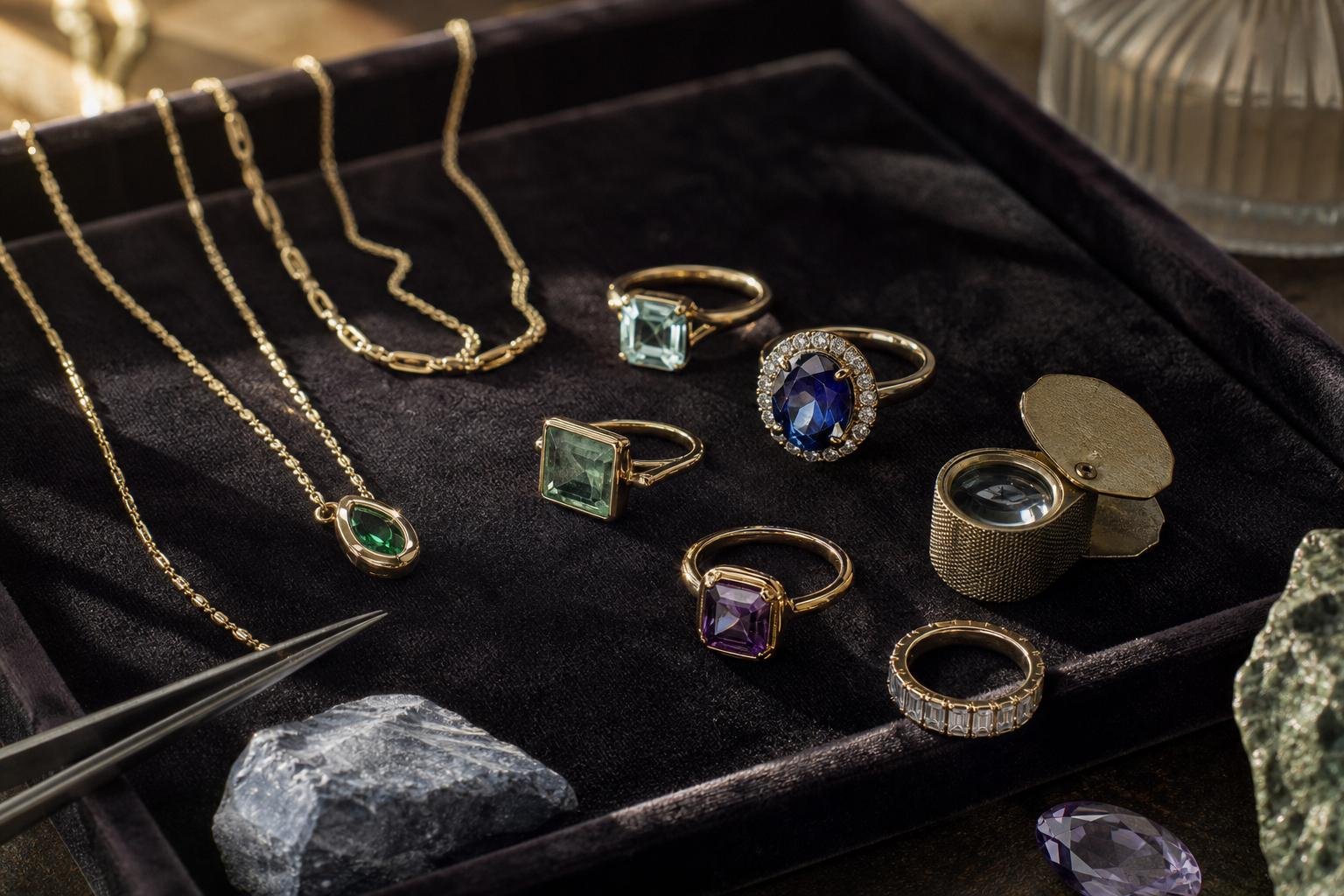
For gemstones, ask whether the stone is natural, laboratory-grown, treated, or simulated. These are distinct categories, and a store should describe them accurately. If you are considering a diamond, request a clear explanation of its characteristics and any accompanying documentation. For colored gems, ask about care, durability, and whether the stone needs special handling.
Also inspect the practical details. Check clasps, earring backs, ring settings, and chain links. A necklace should fasten securely; earrings should feel balanced; and stones should appear firmly held. Try pieces on when possible. Jewelry can look dramatically different against your skin tone and at the scale of your hand, neck, or wrist.
When evaluating a jewelry store near me, service can be as meaningful as selection. Pay attention to whether staff members answer questions directly, explain trade-offs, and give you time to look. You should not feel pressured to buy immediately, especially for an expensive or sentimental purchase.
Ask about the store’s return, exchange, warranty, and repair policies before paying. Policies may differ by item type, sale status, special order, alteration, or custom work. Get the details in writing if you are commissioning a piece, leaving jewelry for repair, or placing a deposit.
For repairs, ask what work will be performed, whether the piece will remain on-site, and how the estimate is determined. Request documentation describing the item when you leave it, particularly if it contains gemstones or has sentimental value. If a repair could change the appearance of an older piece, ask what alternatives are available before authorizing the work.
Custom jewelry deserves an especially detailed conversation. Discuss the timeline, design approval process, material choices, sizing, total estimated cost, and what happens if adjustments are needed. Sketches, reference images, and written specifications can help make expectations clear.

Major jewelry purchases deserve a slower pace. Before choosing a jewelry store near me for an engagement ring, wedding bands, or another substantial piece, consider visiting more than one business. Comparing designs in person can help you understand differences in setting styles, stone shapes, metal colors, and overall proportions.
Do not focus on a single feature at the expense of wearability. A ring should suit the wearer’s lifestyle, feel comfortable, and hold up to regular use. Ask how a setting protects the center stone, whether future resizing is possible, and how the piece should be cleaned and inspected over time.
If you are buying a gift together, make the visit collaborative. Trying on styles can reveal preferences that are difficult to identify from photos alone. A person who likes a high-profile ring online may prefer a lower, more streamlined setting in everyday life.
Use this checklist before making a final decision:
| Check | What to look for |
|---|---|
| Comfort | A secure fit with no pinching, twisting, or sharp edges |
| Materials | Clear descriptions of metal, stones, treatments, and construction |
| Craftsmanship | Secure settings, smooth finishes, functional clasps, even details |
| Documentation | Receipts, written policies, and relevant item information |
| Care | Practical cleaning, inspection, and storage guidance |
Take a moment to view the piece in different lighting when possible. Jewelry often looks different under bright display lights than it does in daylight or at home. If you are uncertain, it is reasonable to leave, think it over, and return with questions.
An appointment can be helpful for engagement rings, custom designs, appraisals, or detailed repairs. For browsing, a walk-in visit may be enough, but calling ahead can save time if you have a specific request.
Bring the item itself, any detached pieces you have, and prior paperwork if it is available. Explain what happened and point out any concerns, such as a loose stone or damaged clasp.
Look for straightforward answers about materials, care, pricing, and policies. A helpful jeweler should welcome reasonable questions and distinguish clearly between facts, options, and personal recommendations.
The right jewelry purchase should feel considered, not rushed. Define your needs, compare quality and policies, and ask for clear explanations before you commit. With a little preparation, a local jeweler can help you find a piece that feels beautiful now and remains practical for years of wear.