Physical Address
304 North Cardinal St.
Dorchester Center, MA 02124
Physical Address
304 North Cardinal St.
Dorchester Center, MA 02124

A smart branded handbag purchase starts with understanding a brand’s design language, materials, construction, and long-term fit in your wardrobe. Use this guide to narrow the field with confidence.
A branded handbag can do more than carry essentials: it can establish the proportion, polish, and personality of an outfit. But shopping for handbags for women branded is not simply a matter of choosing the most recognizable name. The best choice reflects how you dress, what you carry, the level of upkeep you can realistically provide, and whether you want a statement piece or an everyday companion.
This guide breaks down the major handbag brand categories, the practical details worth comparing, and a clear process for choosing a bag that earns its place in your wardrobe.
Before comparing labels, decide what job the bag needs to do. A structured top-handle bag may suit a polished office wardrobe, while a relaxed shoulder bag makes more sense for daily errands and travel. A small evening bag can be useful, but it should not be your first investment if you need space for a phone, keys, glasses, and a wallet.
Consider your usual routine as carefully as your style preferences. If you commute, carry a laptop, or need hands-free movement, a roomy tote, crossbody, or backpack-inspired shape may be more practical than a compact bag with a delicate handle. If your wardrobe is built around denim, knitwear, and tailored separates, look for a silhouette that works with all three.
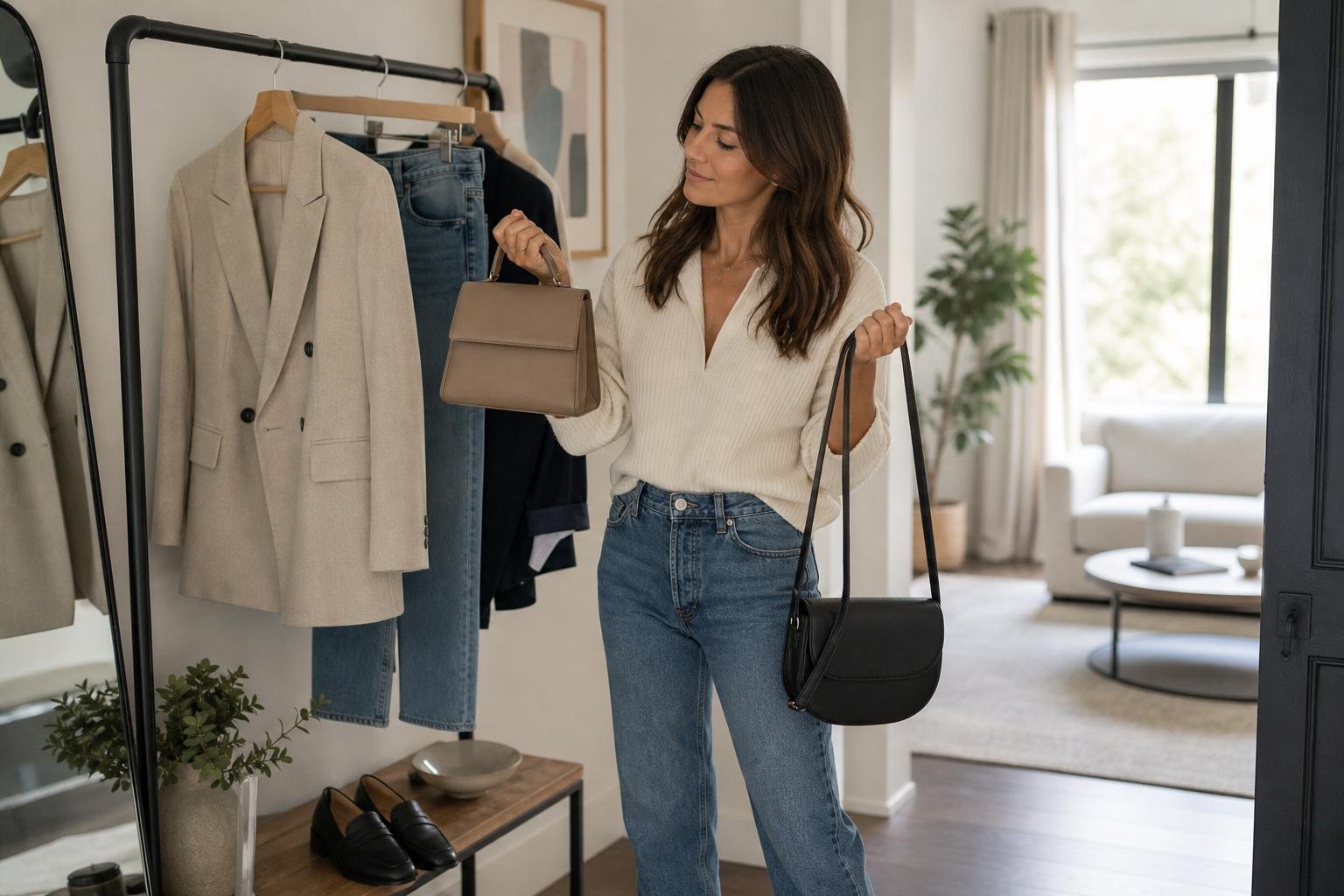
Brand names are useful shorthand, but they do not all offer the same design approach, construction level, or buying experience. Grouping brands by category can help you set realistic expectations and focus your search.
Luxury houses are often associated with distinctive hardware, recognizable motifs, long design histories, and tightly controlled visual identities. Their bags may be crafted from fine leather, coated canvas, suede, or specialty materials, depending on the collection. Some favor classic, logo-light designs; others make branding a central part of the appeal.
This category can make sense when you value heritage, iconic shapes, or a bag that feels deliberately formal. Look beyond the name, however. Check the weight of the hardware, edge finishing, lining, closure, and strap construction. These details influence how a bag wears over time.
Contemporary labels often offer fashion-forward design, clean leatherwork, and strong styling without relying on traditional luxury-house codes. They can be an appealing middle ground for shoppers who want a directional silhouette or refined everyday piece.
This category is especially useful for experimenting with a color, texture, or shape that feels less permanent than a classic black or brown bag. A sculptural shoulder bag, woven leather carryall, or bright mini bag can bring personality to a wardrobe while leaving room for a more timeless primary bag.
Some brands center their identity on leatherwork and functional craftsmanship rather than runway-driven seasonal fashion. Their assortments commonly include totes, satchels, work bags, crossbody styles, and travel-friendly designs in understated colors.
These are worth considering if longevity and utility rank above instant recognition. A well-made leather bag in a versatile shape can work across many years of outfits, especially when the hardware and branding are restrained.
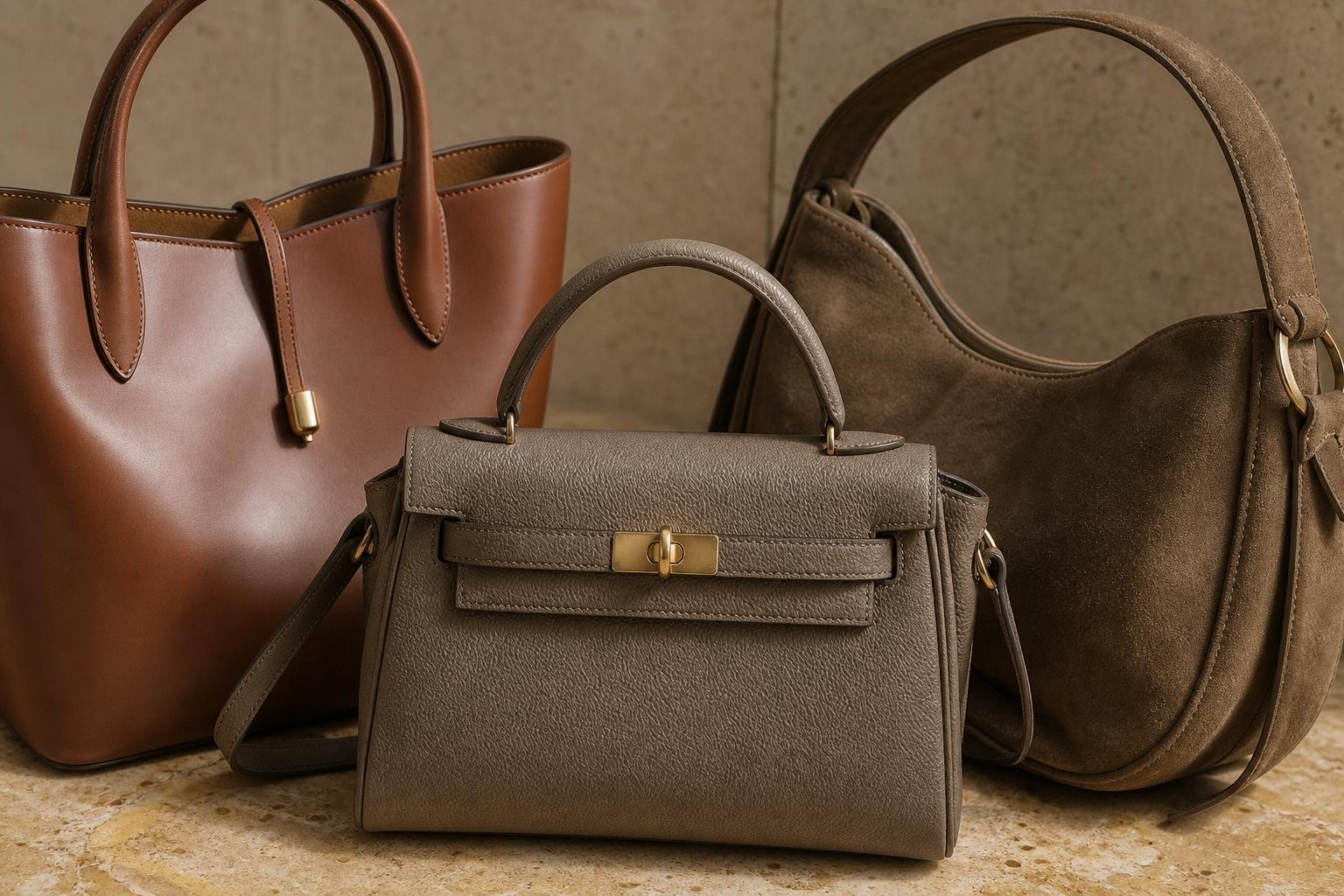
The strongest handbags for women branded pair a clear design point of view with materials appropriate to their purpose. Leather is not a single standard of quality: its finish, thickness, tanning method, and coating affect both its appearance and care needs.
Smooth leather offers a sleek, polished look but can show scratches. Grained leather is often more forgiving for frequent use because its textured surface can disguise minor wear. Suede feels soft and luxurious but requires more caution around moisture, dye transfer, and everyday friction. Coated canvas may be lighter and easier to wipe clean, though it has a different feel than natural leather.
Inspect construction with a practical eye. Seams should look even and secure, handles should feel firmly anchored, and zippers should move smoothly. Check whether the bag has feet to protect its base, interior pockets that suit your essentials, and an adjustable strap if you plan to wear it crossbody. A beautiful bag that is awkward to open or uncomfortable to carry will likely stay in the closet.
A bag’s silhouette affects how often you will use it. Consider starting with one of these wardrobe-friendly shapes:
Scale matters as much as shape. Petite frames may prefer a smaller or medium bag that does not overwhelm the body, while taller shoppers may find a medium-to-large tote creates a more balanced proportion. There is no fixed rule, but trying a bag with the types of outfits you wear most often is valuable.
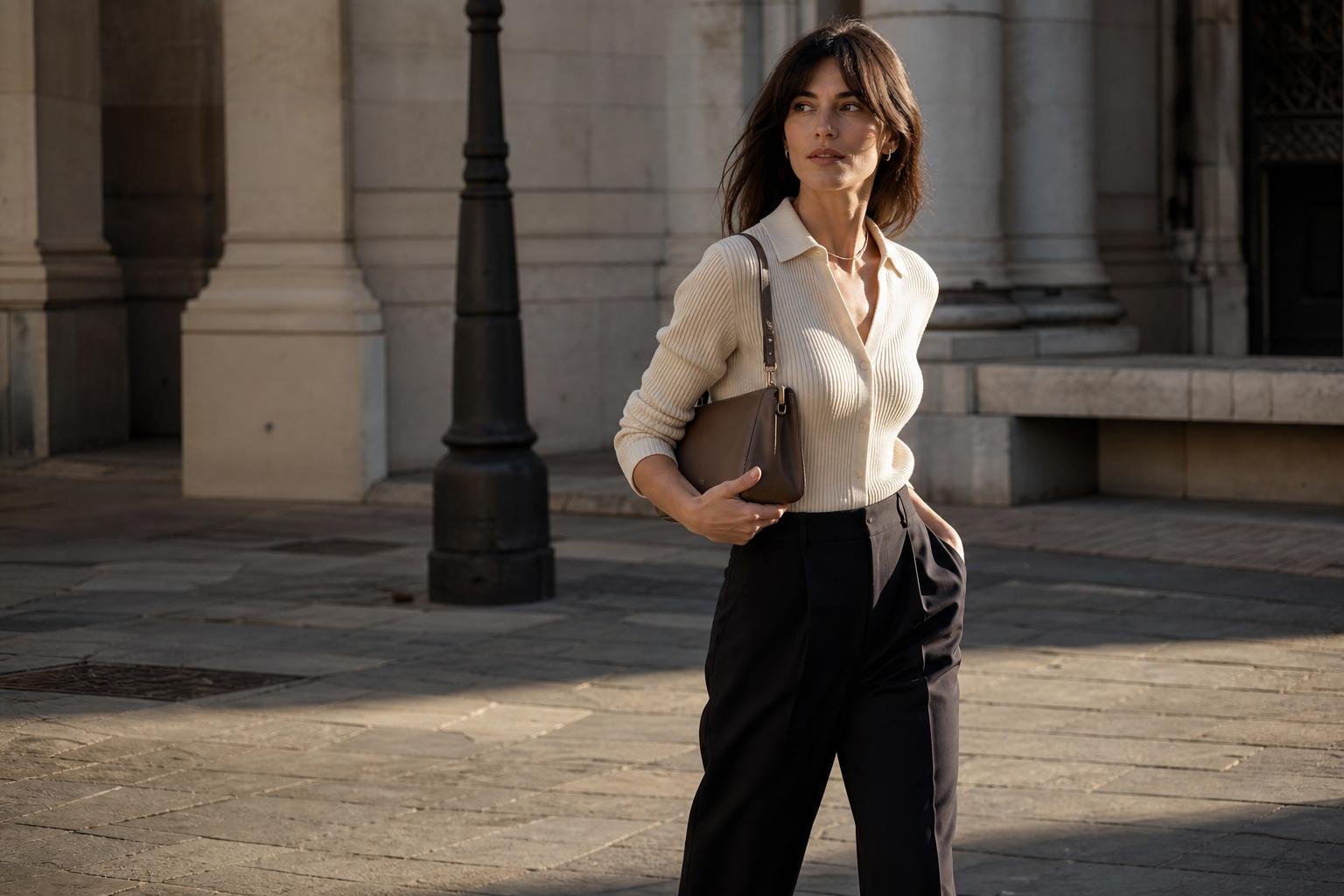
When considering handbags for women branded, think about how visibly you want the brand to appear. Prominent logos, signature prints, and statement hardware can be exciting, especially if they align with your personal style. They can also make a bag feel more tied to a specific aesthetic or era.
For maximum versatility, neutral colors such as black, deep brown, tan, navy, burgundy, or soft gray tend to work across seasons. A bag in one of these shades can complement patterns and colorful clothing without competing for attention. For a more expressive choice, consider a saturated color or unusual texture in a simpler shape; that balance helps the bag remain wearable.
A useful wardrobe test is to imagine the bag with five outfits you already own. Include a casual daytime look, a work or polished outfit, outerwear, denim, and an evening option. If it works easily with at least three, it is more likely to become a regular part of your rotation.
Before committing, compare the practical information available from the retailer or brand. Confirm the bag’s dimensions, handle drop, strap length, closure type, interior layout, and material composition. Dimensions are especially important online: a bag that looks roomy in a campaign image may only fit a phone and cardholder.
If a measurement is provided, compare it with items you carry daily. A work tote should accommodate your laptop dimensions, while a day bag should fit the essentials without forcing the zipper or distorting its shape. For shoulder bags, check that the handle drop—measured from the top of the strap to the top of the bag—will fit comfortably over your usual jacket or coat.
Also consider maintenance. Light-colored leather, suede, and delicate finishes require more attention than darker grained leather or coated materials. Store bags filled lightly with clean tissue to support their shape, keep them in a dust bag when possible, and avoid hanging heavy bags by their handles for long periods.
Not necessarily. A designer name may reflect design history, branding, materials, or craftsmanship, but quality varies by style and material. Examine construction, functionality, and care requirements rather than relying on the label alone.
A medium-size bag in a neutral color and a shape that suits your daily routine is often the most adaptable starting point. For many wardrobes, that means a shoulder bag, crossbody, or structured tote with minimal seasonal detailing.
Choose leather if you prefer natural texture, patina, and a more traditional luxury feel. Coated canvas can be a practical option if you prioritize lighter weight and simpler surface cleaning. Your lifestyle and care habits should guide the decision.
The right handbags for women branded should feel as functional as they are beautiful. Start with the role you need the bag to fulfill, then compare brand category, material, construction, size, and visual character. A considered purchase is not defined by the loudest logo or the newest shape—it is the bag you can carry often, care for properly, and style with ease for years to come.