Physical Address
304 North Cardinal St.
Dorchester Center, MA 02124
Physical Address
304 North Cardinal St.
Dorchester Center, MA 02124
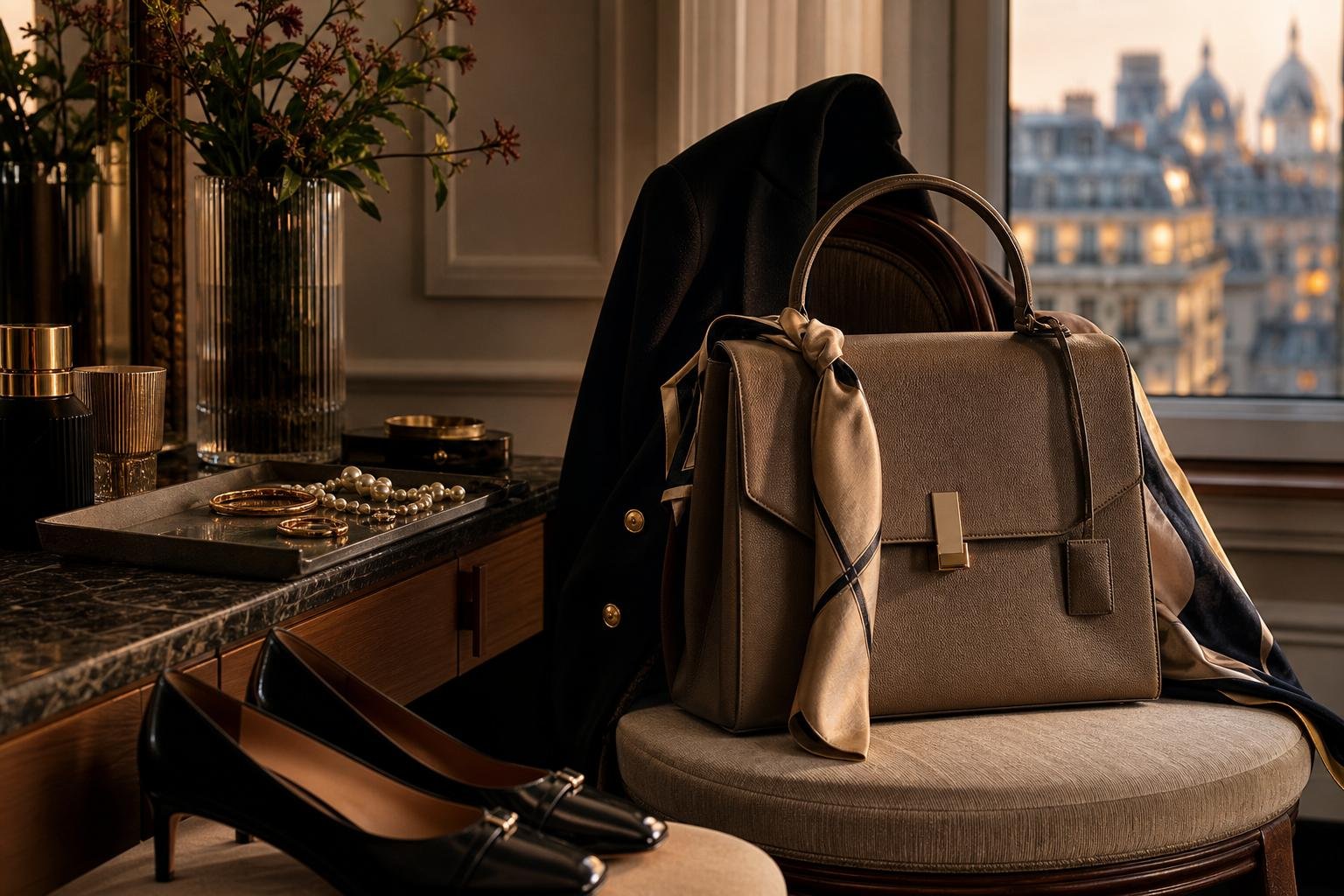
Dressing up is rarely only about the clothes. Learn how handbags help turn special-occasion outfits into personal, expressive style.
Dressing up has always involved more than putting on a polished outfit. The finishing details—jewelry, shoes, a swept-up hairstyle, and especially a bag—help signal intention. That is where handbags and gladrags become more than a catchy pairing: together, they describe the satisfying ritual of choosing something special to wear and carrying it with confidence.
A handbag can be practical, but it can also set the emotional tone of an outfit. A softly worn clutch feels intimate and evening-ready; a structured top-handle bag can make tailored separates feel ceremonial; a bright shoulder bag can bring playfulness to otherwise restrained clothes. The bag is often the final object added before leaving home, yet it has an outsized role in telling the story of the look.
“Gladrags” evokes clothes chosen for pleasure, celebration, or a meaningful outing rather than everyday necessity. The phrase carries a sense of transformation: the ordinary self becomes a more polished, expressive version through fabric, color, and detail. A handbag belongs naturally in that picture because it is both functional and performative.
Unlike a coat or dress, a bag is held, tucked under an arm, or placed on a table. It moves through a room with its wearer and becomes part of a person’s gestures. That visibility gives it cultural weight. A bag can look discreet, formal, rebellious, romantic, or deliberately relaxed, even when the rest of the outfit stays simple.
The relationship is also rooted in contrast. Gladrags may be ornate—sequins, silk, shine, saturated color—but the right bag can either echo that drama or ground it. A clean leather clutch can calm a highly decorated dress. A beaded pouch can give a minimalist black outfit a reason to feel festive. The point is not perfect matching; it is a considered conversation between accessories and clothing.
A handbag often establishes an outfit’s level of formality before anyone notices the individual pieces. Large, soft totes tend to suggest a day in motion. Compact bags, refined materials, and abbreviated straps tend to feel more intentional for dinners, celebrations, galleries, or nights out.
Scale matters as much as decoration. A very large bag can visually overwhelm a delicate slip dress or sharply tailored suit, while an extremely tiny bag can disappear against a voluminous coat. For many dressier outfits, a compact bag that sits between the waist and hip creates an easy visual balance without competing with the clothing.
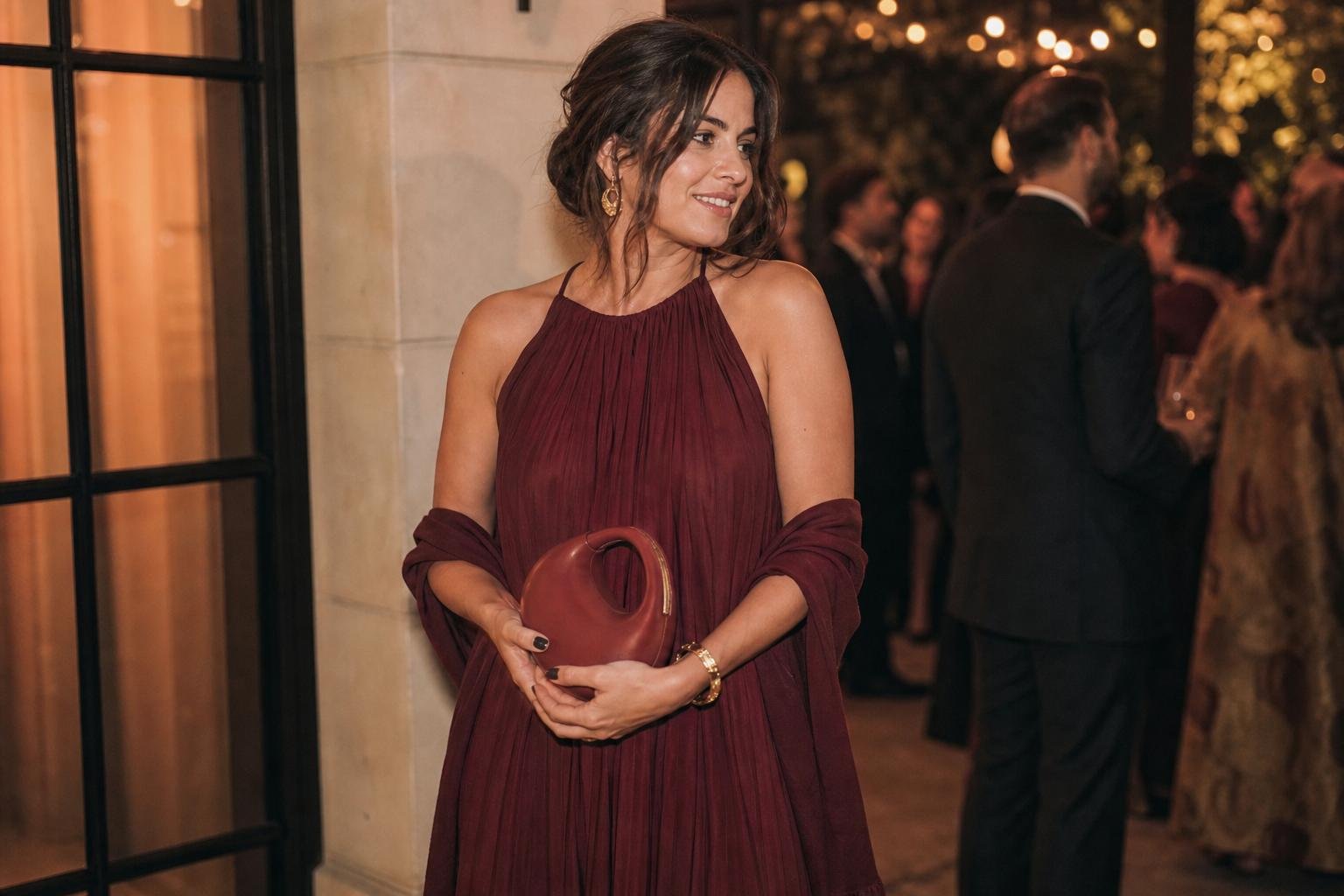
Materials also carry messages. Smooth leather reads polished and adaptable. Suede introduces softness and depth. Satin, velvet, metallic finishes, beads, and embellished textiles add texture that can make even simple separates feel occasion-specific. These materials do not need to be reserved for formalwear, but they usually look strongest when the rest of the outfit gives them room to register.
Color offers another route into personal style. A neutral bag can create continuity with shoes, outerwear, or tailoring. A contrasting bag can become the focal point of a restrained outfit. Rather than asking whether a bag “goes” with every color in an ensemble, consider whether it supports the mood: crisp, moody, playful, romantic, graphic, or understated.
Starting with a favorite bag is a useful styling method when an event calls for something more thoughtful than a default outfit. It narrows the choices without making the final look feel overly coordinated. Begin by identifying the bag’s strongest characteristic, then choose clothing that either repeats or balances it.
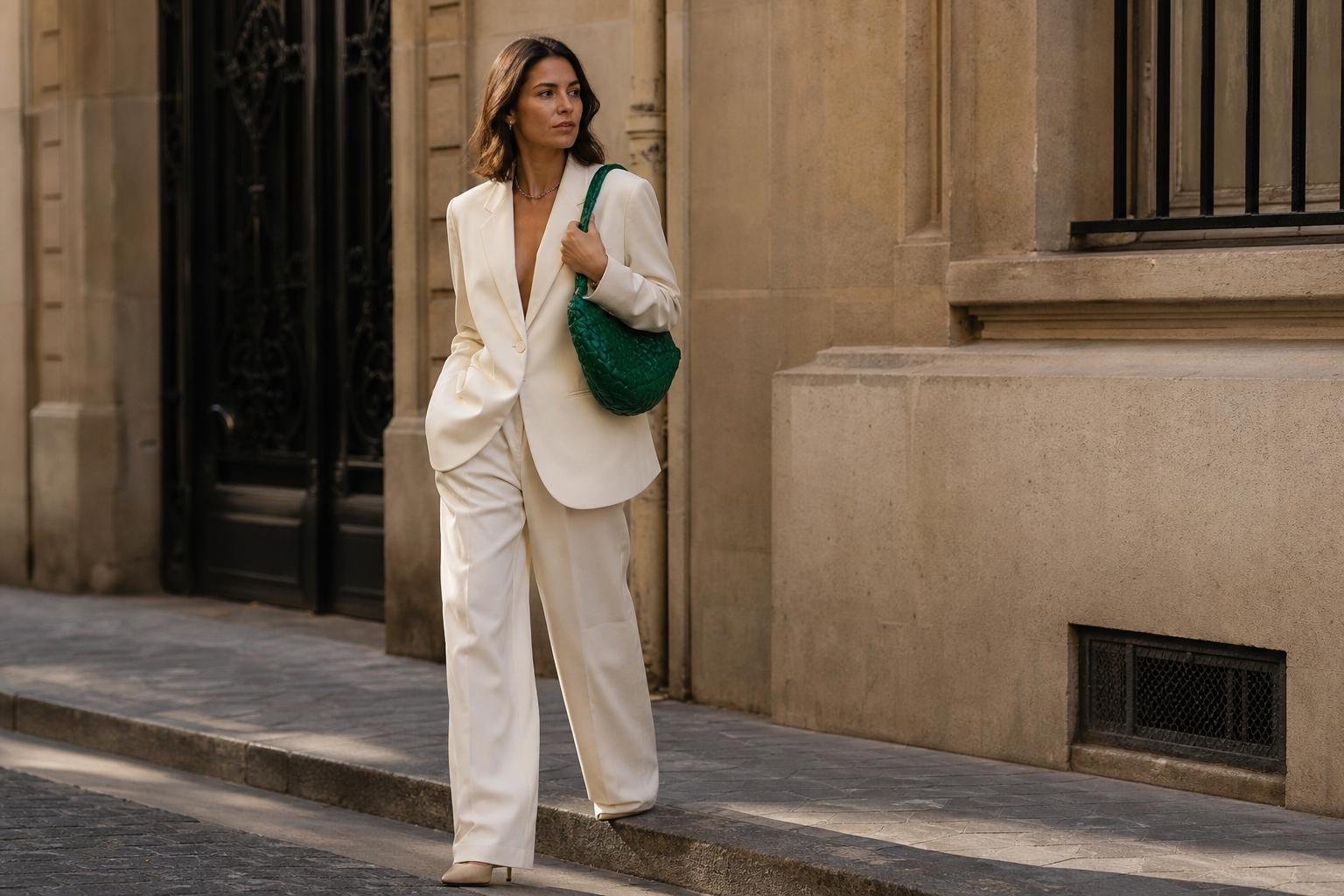
For example, a sculptural metal-handle bag may pair well with a clean column dress, a sharp blazer, or wide-leg trousers because those shapes give its hardware a clear role. A slouchy vintage-inspired shoulder bag may feel at home with fluid trousers, a soft knit, or a long skirt. A small, highly embellished bag usually needs simpler clothing around it so its craftsmanship remains visible.
Use these three questions to make the pairing feel intentional:
The most successful combinations usually have one clear lead element. If the handbag is bright, embellished, or unusually shaped, let the clothes create a quieter frame. If the outfit is already rich with pattern or texture, choose a bag with a simpler silhouette and finish. This does not mean avoiding maximalism; it means arranging visual interest so each piece has a purpose.
The cultural appeal of handbags and gladrags lies partly in range. There is no single “dressy bag,” because celebration looks different depending on the wearer, the setting, and the clothes involved. A compact crossbody can be exactly right for a concert or dinner where hands-free ease matters. A top-handle bag may suit a wedding guest outfit or a tailored daytime event. A clutch can make a casual outfit feel deliberately elevated.
A few silhouette guidelines can help:
| Bag silhouette | Style message | Works especially well with |
|---|---|---|
| Clutch or pouch | Refined, evening-focused | Dresses, suiting, formal separates |
| Small shoulder bag | Relaxed polish | Slip skirts, denim, knitwear |
| Top-handle bag | Structured, composed | Tailoring, midi dresses, coats |
| Compact crossbody | Practical, modern | Jumpsuits, trousers, event layers |
Function should not disappear when dressing up. Check that a bag can hold the essentials you actually need: phone, keys, cards, medication, glasses, or a small beauty item. If an occasion requires more than a compact bag can carry, consider using a larger day bag for travel and switching to the smaller bag once you arrive.
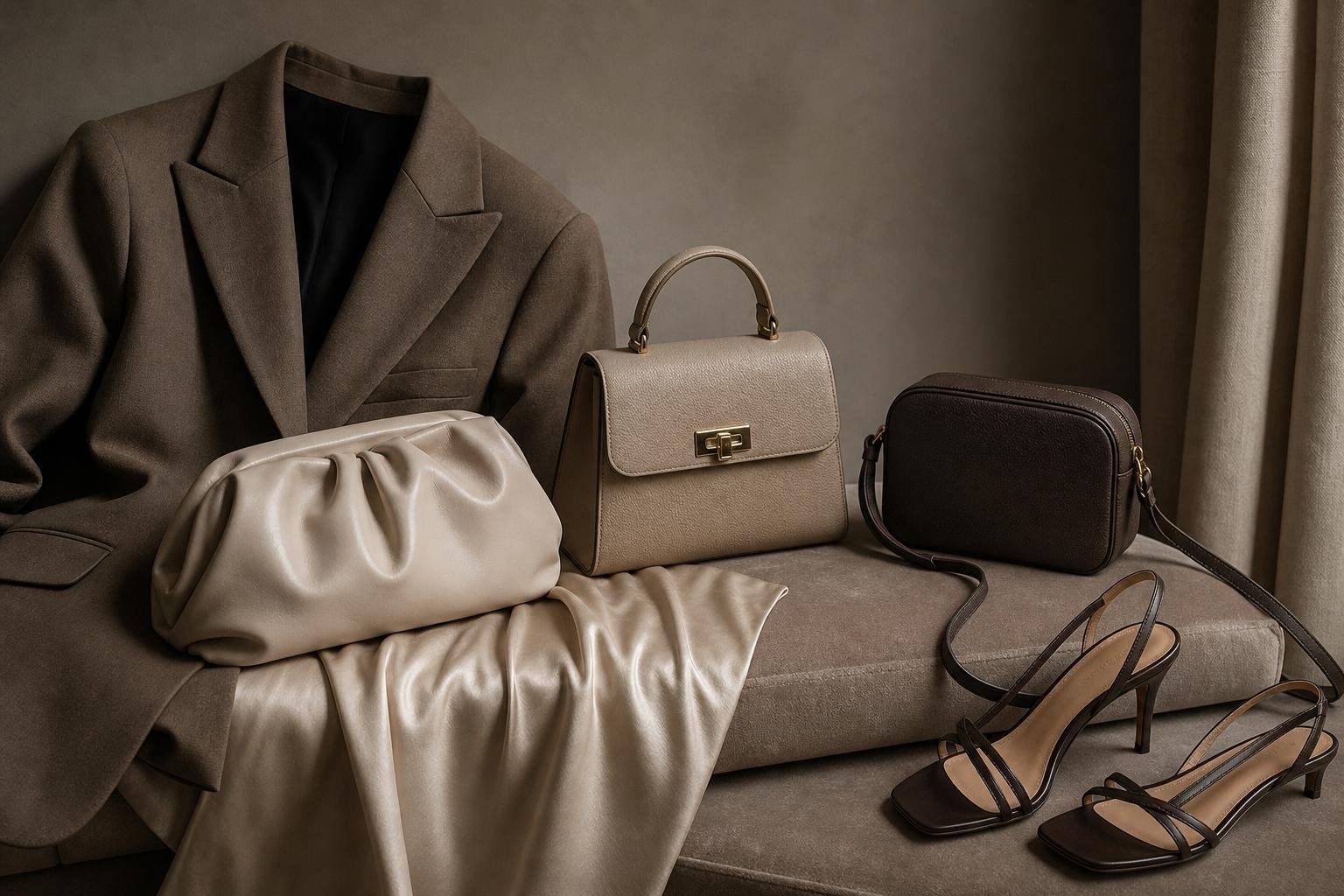
Comfort is equally important. A bag that constantly slides off the shoulder, catches on embellishment, or feels awkward in the hand can distract from an otherwise excellent outfit. Try the bag with the clothing layers you expect to wear, especially a coat or blazer. The best accessory is not merely photogenic; it supports the way you move through the event.
The fear of looking “too dressed up” often leads people to underuse the accessories that could make an outfit memorable. A better approach is to choose one element of ceremony and let it guide the rest. That could be a satin bag with jeans and a blazer, a bright clutch with a monochrome dress, or a tailored suit softened by a small suede shoulder bag.
Think in terms of proportion instead of rigid rules. A casual fabric can coexist with a formal bag if the shapes feel balanced. A sparkly bag can work in daytime when paired with relaxed pieces and minimal jewelry. A highly structured bag can feel less severe when worn with soft textures or an unbuttoned shirt. The mix is what gives the outfit personality.
At their best, handbags and gladrags represent the pleasure of getting ready with intention. The right bag does not need to match every detail or announce itself from across the room. It simply needs to support the outfit’s mood, suit the occasion, and feel like an extension of the person carrying it.
When choosing a bag for a dressier look, focus on silhouette, scale, material, and comfort before chasing perfect coordination. That approach leaves room for the most important element of all: the ease that makes an outfit feel genuinely your own.