Physical Address
304 North Cardinal St.
Dorchester Center, MA 02124
Physical Address
304 North Cardinal St.
Dorchester Center, MA 02124
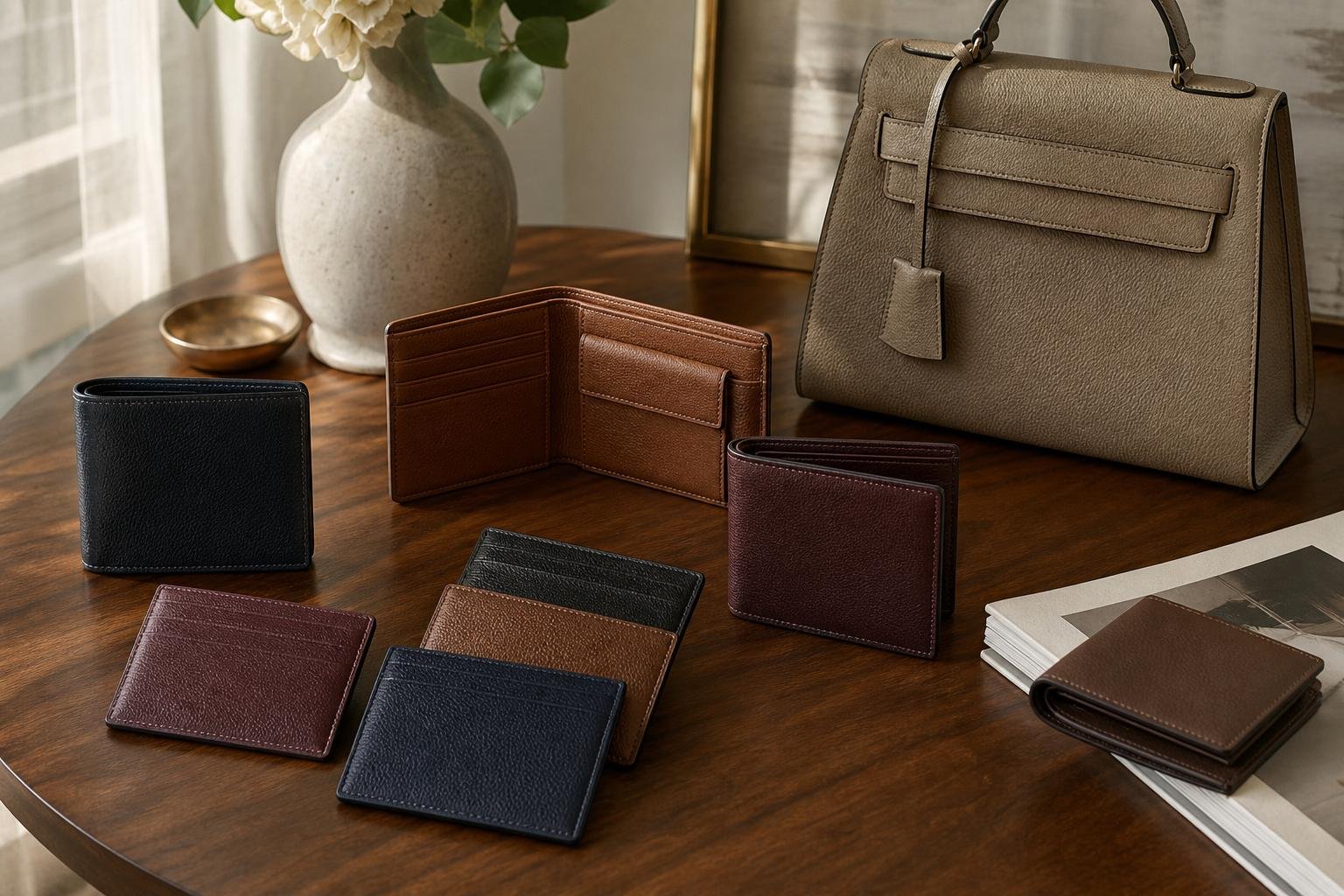
A well-chosen wallet can make daily organization easier, but not every luxury style justifies the premium. Here’s how to compare formats, materials, and details before investing.
A wallet is one of the few accessories used almost every day, often in situations where convenience matters more than appearance. That makes a designer wallet easier to justify than a purely occasional fashion purchase—provided its format fits your actual routine. The strongest investments pair durable construction with a timeless shape, enough organization, and a finish that will still look polished after frequent handling.
The less successful purchases tend to be oversized, overly delicate, or designed around a short-lived novelty. Before focusing on a label, consider what you carry, how you pay, and whether the wallet needs to fit into smaller bags, jacket pockets, or travel totes.
A luxury wallet should earn its price through material, construction, and practical longevity—not a prominent logo alone. Full-grain or high-quality grained leather is often a sensible choice because it is resilient, develops character gradually, and disguises light scuffs better than smooth, high-shine finishes. Well-finished coated canvas can also be practical, especially for commuters and frequent travelers who need an easier-care surface.
Look closely at the edges and seams. Clean edge paint, even stitching, neatly cut card slots, and a substantial zipper all suggest more careful construction. A wallet does not need to feel rigidly heavy to be well made, but it should not feel flimsy, warped, or difficult to open when new.
Hardware deserves attention as well. A small snap, zipper pull, or metal closure gets repeated use and can quickly reveal weak construction. Choose hardware that feels secure but uncomplicated. Decorative pieces that protrude, scratch easily, or make the wallet hard to slide into a bag are more likely to become frustrating over time.
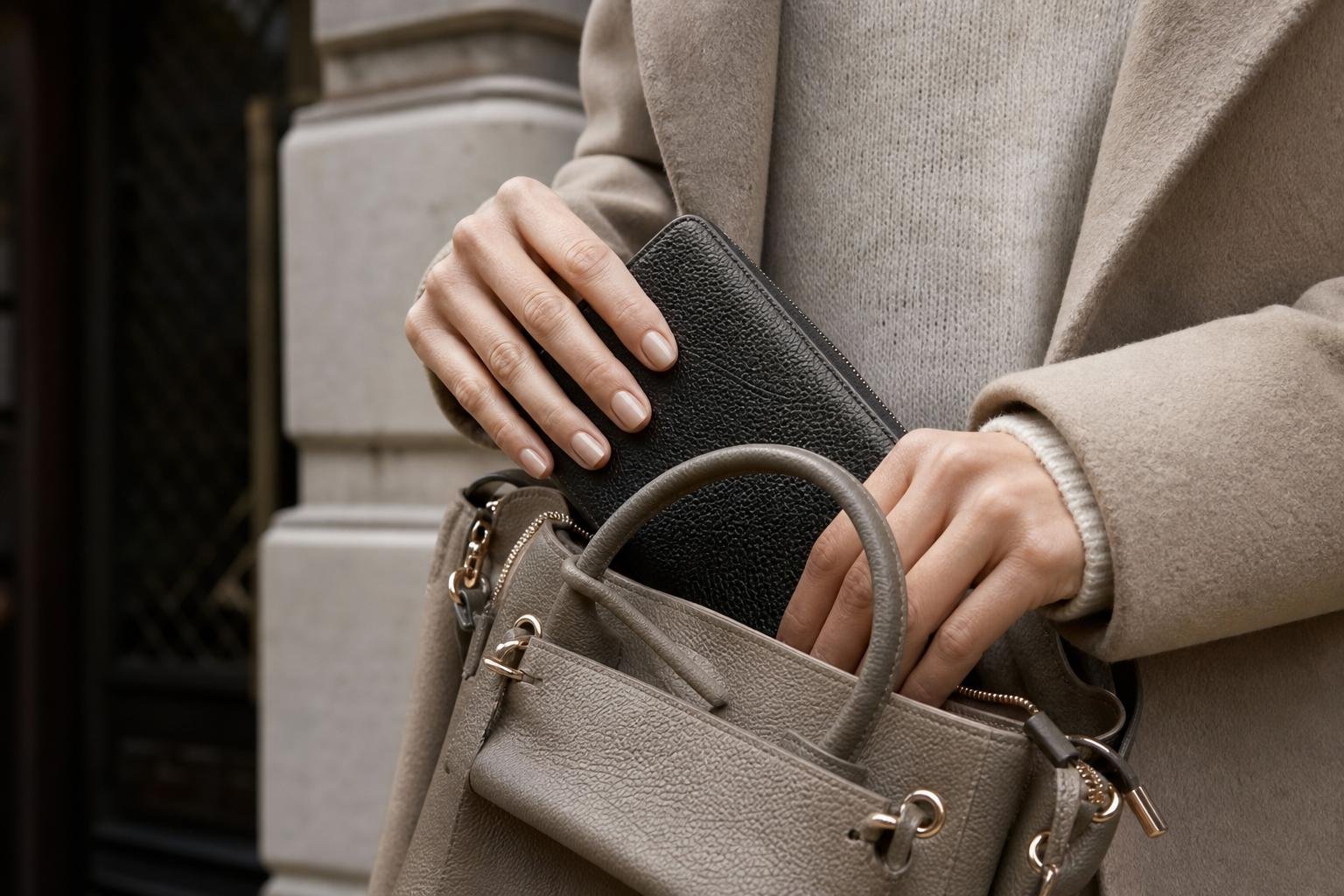
The best choice depends on how much you carry, but a few formats consistently offer useful longevity. Their appeal is rooted in function rather than a passing silhouette.
| Style | Best for | Investment outlook |
|---|---|---|
| Card holder | Minimal daily carry | Strong if you use cards and digital payments |
| Zip-around wallet | Cash, receipts, travel | Strong for organization and security |
| Bifold wallet | Pocket-friendly essentials | Strong for classic daily use |
| Wristlet wallet | Hands-free errands or events | Mixed; useful only if it suits your routine |
For many people, a card holder is the most practical luxury small leather good. It takes up very little space, works inside compact bags, and usually carries the essentials: payment cards, identification, and a few folded bills. Since it has fewer moving parts than a large wallet, it can also be a lower-risk entry point for someone who wants quality leather without committing to a more expensive piece.
A slim zip card case offers slightly more flexibility. The central compartment can hold coins, cash, receipts, or an extra card, while exterior slots keep frequently used cards accessible. This hybrid format is especially useful for anyone who has mostly gone cashless but still wants a secure place for small extras.
A bifold is a smart investment for someone who carries cash regularly or prefers a traditional format. It is compact enough for many coat pockets and larger handbags, yet usually provides more capacity than a card holder. Choose one with card slots that are snug but not excessively tight; leather often relaxes with use, so a wallet that is already loose in the store may stretch too much.
For long-term versatility, favor a clean exterior in black, deep brown, navy, burgundy, or a muted neutral. These colors tend to coordinate easily with different bags and will not look dated as quickly as trend-driven shades or novelty prints.
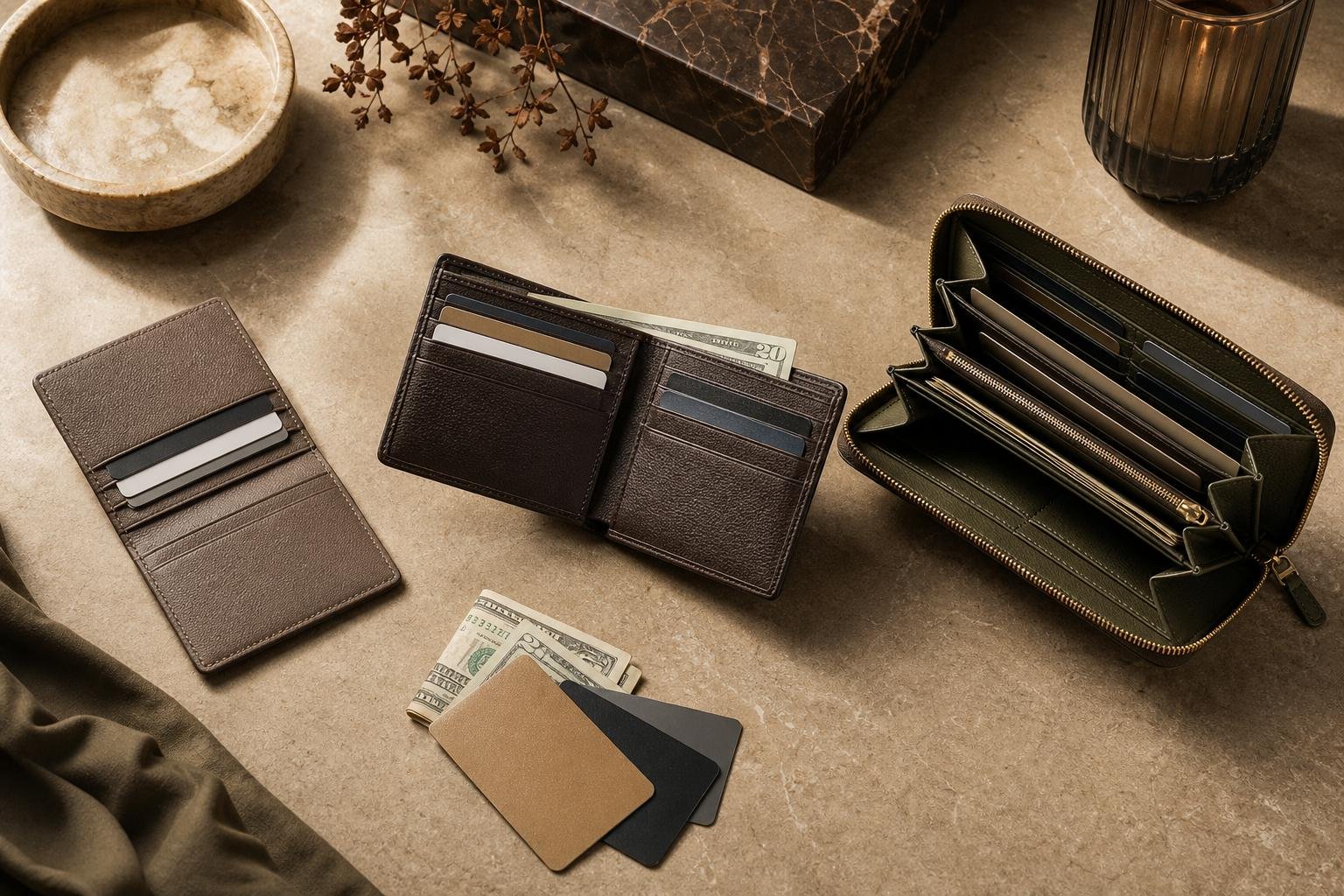
A zip-around model is one of the strongest choices for people who need real organization. It can hold cards, bills, coins, receipts, and sometimes a phone, while the surrounding zipper helps keep contents secure. It is particularly practical for travel, busy workdays, or anyone who frequently moves a wallet from one bag to another.
The tradeoff is size. A full zip wallet can feel bulky in a small shoulder bag or crossbody, and overfilling it can strain the zipper and distort its shape. It is worth buying when you will use its capacity; it is less compelling as an everyday accessory for someone who normally carries only a few cards.
Novelty shapes, highly embellished surfaces, and extremely pale suede or satin finishes are often more difficult to justify as investment pieces. They can be charming for a special occasion, but frequent contact with hands, keys, cosmetics, and bag interiors can leave marks quickly. Repairs may not fully restore delicate materials or complex embellishment.
Large continental wallets can also be a poor value for minimalists. They offer extensive storage, but the format may sit unused if your preferred bags are compact. Buying a spacious wallet “just in case” often leads to carrying old receipts and unnecessary cards rather than making daily life easier.
A designer wallet with a large exterior logo is not automatically a bad purchase, but it should align with your personal style. Highly recognizable branding can limit versatility if you prefer understated accessories or expect to use the piece for many years. Consider whether you would still reach for it after the initial excitement fades.
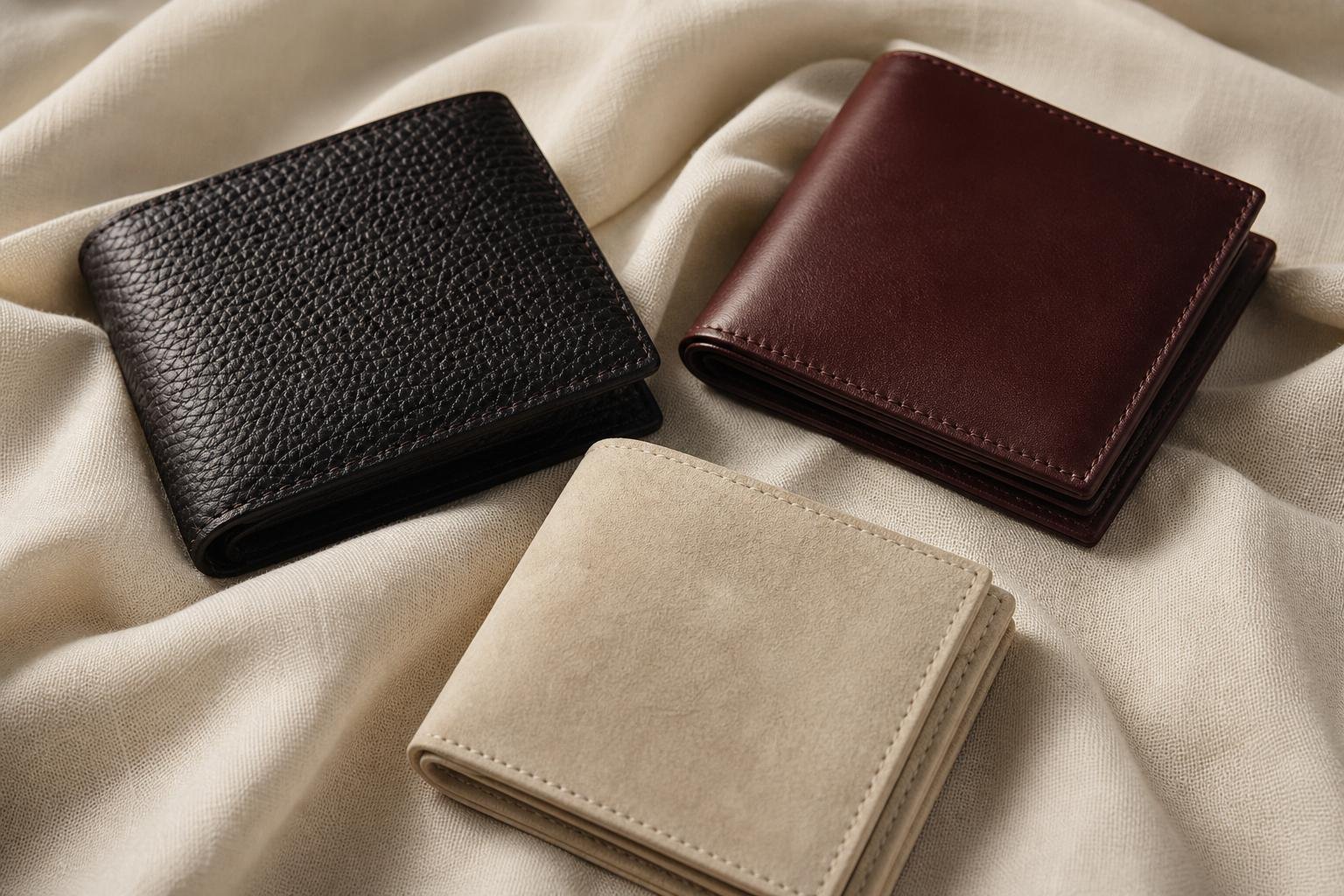
Grained leather is often the most forgiving option for everyday use. Its texture can help conceal small scratches and gives the surface a relaxed, durable appearance. Smooth leather looks refined and can age beautifully, but it may show nail marks, color transfer, and scuffs more readily—especially in light colors.
Coated canvas can be a practical alternative when durability and easy maintenance matter most. It is generally more resistant to light moisture and surface marks than untreated leather, although corners, trim, and edge paint still need care. Avoid assuming that a coated surface is indestructible; sharp objects and repeated friction can still cause wear.
For a first luxury wallet, darker neutrals are usually the safest choice. Black, chocolate brown, dark gray, and deep navy can disguise daily wear while working with most handbags. A rich red, forest green, or warm tan can also feel classic if it complements your wardrobe. White, pastel, and metallic finishes require more deliberate care and are better suited to buyers who enjoy rotating accessories.
The best designer wallet is not necessarily the largest or most recognizable one. It is the format you will use often enough to justify the cost. Before buying, empty your current wallet and sort what you truly need to carry. Count your cards, decide whether you need coins, and measure the smallest bag you use regularly.
If you primarily pay by phone and card, a card holder or compact zip case may be all you need. If you travel often, carry cash, or like having receipts and cards in one place, a zip-around style may be the more useful investment. Matching the format to your habits prevents a beautiful purchase from becoming an unused one.
A designer wallet is most worth the investment when it improves your daily routine through durable materials, reliable construction, and an appropriately sized layout. Classic card holders, bifolds, and well-made zip wallets tend to offer the strongest long-term value because they solve practical needs without relying on fleeting design details.
Prioritize a material you can maintain, a color you will reach for often, and a shape that fits your preferred bags. With those basics in place, a luxury wallet can become one of the most consistently useful accessories in your collection.