Physical Address
304 North Cardinal St.
Dorchester Center, MA 02124
Physical Address
304 North Cardinal St.
Dorchester Center, MA 02124
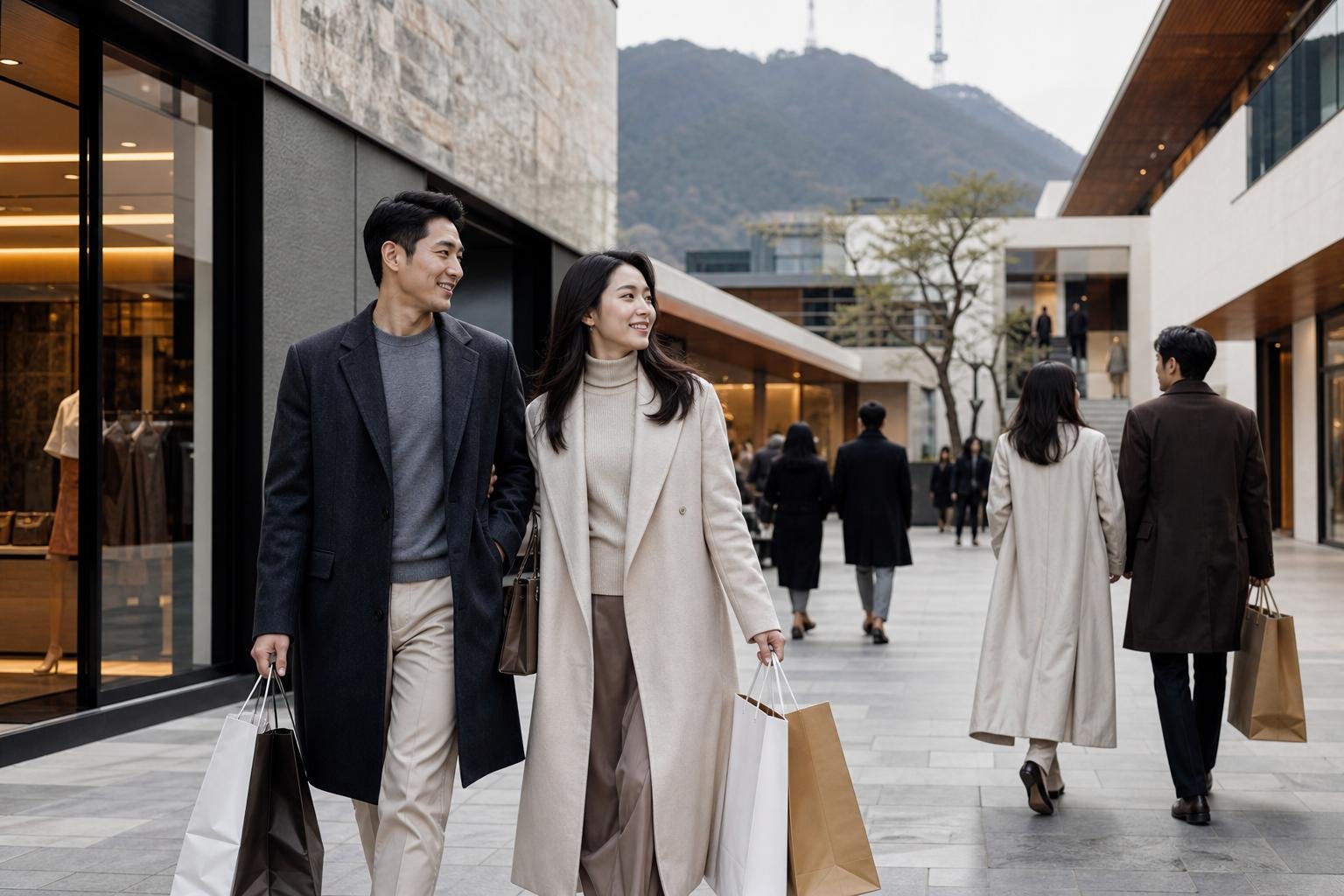
Seoul’s outlet landscape ranges from city-based discount stores to destination centers beyond the urban core. Learn how to plan, shop selectively, and make purchases you will actually wear.
Shopping for designer fashion in South Korea can be rewarding, but it helps to arrive with a plan. A designer outlet seoul trip may include city-based outlet floors, department-store discount sections, and larger destination centers in the wider Seoul metropolitan area. Each format has a different mix of labels, markdowns, sizes, and travel demands.
The goal is not simply to find the biggest advertised reduction. It is to identify well-made pieces that suit your wardrobe, fit properly, and remain worth wearing long after your trip.
“Seoul” is often used broadly in shopping searches. While some discount retail options are within the city, many of the larger premium-outlet destinations are located outside central Seoul, in the surrounding metropolitan region. These centers are typically designed for a half-day or full-day visit rather than a quick stop between museums or cafés.
In the city, look for outlet departments within major retail complexes, multi-brand fashion stores, and discount-focused branches of department-store groups. These options can be more convenient if your itinerary is centered on neighborhoods such as Myeongdong, Gangnam, Hongdae, or Yeouido, though selection may be narrower than at an out-of-town outlet center.
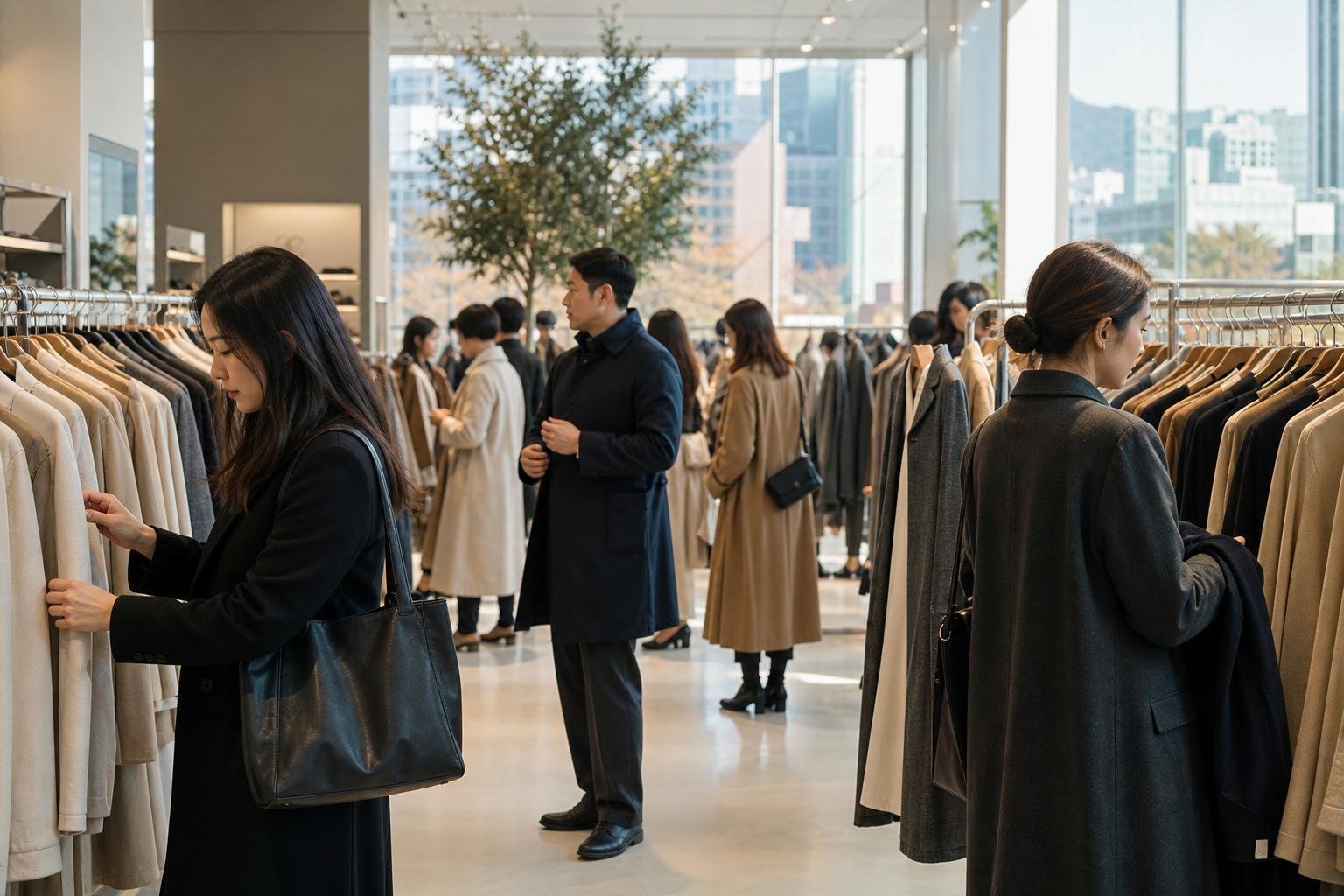
The merchandise mix also varies. You may find prior-season ready-to-wear, accessories, footwear, licensed diffusion lines, or outlet-specific production. None of those categories is inherently bad, but they should not be evaluated in the same way. A sharply discounted runway-adjacent wool coat and a bag made specifically for an outlet store can have very different construction, materials, and long-term value.
Before you set aside a shopping day, decide what you actually want to buy. Travelers seeking a particular luxury label may prefer a larger destination outlet with a broad brand directory. Those looking for contemporary Korean labels, practical outerwear, or accessories may find an urban outlet format more efficient.
| Outlet format | Best for | What to expect |
|---|---|---|
| Destination premium outlet | Broad designer selection | Longer travel time, more stores, seasonal stock |
| City outlet or retail complex | Convenience | Smaller assortment, easier to pair with sightseeing |
| Department-store outlet floor | Polished browsing | Curated selection, mixed price tiers |
| Multi-brand discount store | Discovery shopping | Varies by store, label, and season |
For a designer outlet seoul visit outside the city center, plan transport before you shop. Check the center’s official directions, public-transit options, and return journey rather than assuming a taxi will be equally easy in both directions. Leave enough time to try on purchases, compare options, and carry bags comfortably.
If your schedule is tight, choose one retail area and shop it well. Trying to visit several far-apart centers in one day can turn a thoughtful fashion outing into a rushed scavenger hunt.
Outlet pricing can create urgency, especially when a tag shows a steep reduction. Slow down and inspect the garment or accessory as carefully as you would at full price. The original retail price is less important than the item’s present quality, fit, and usefulness.
For clothing, begin with fabric composition. Natural fibers are not automatically superior, but a clear composition label lets you anticipate warmth, drape, pilling, and care needs. Examine seams, hems, lining, buttons, zippers, and pattern matching. On tailored pieces, check whether the shoulders sit correctly; alterations can refine a garment, but they cannot easily fix a poor shoulder fit.
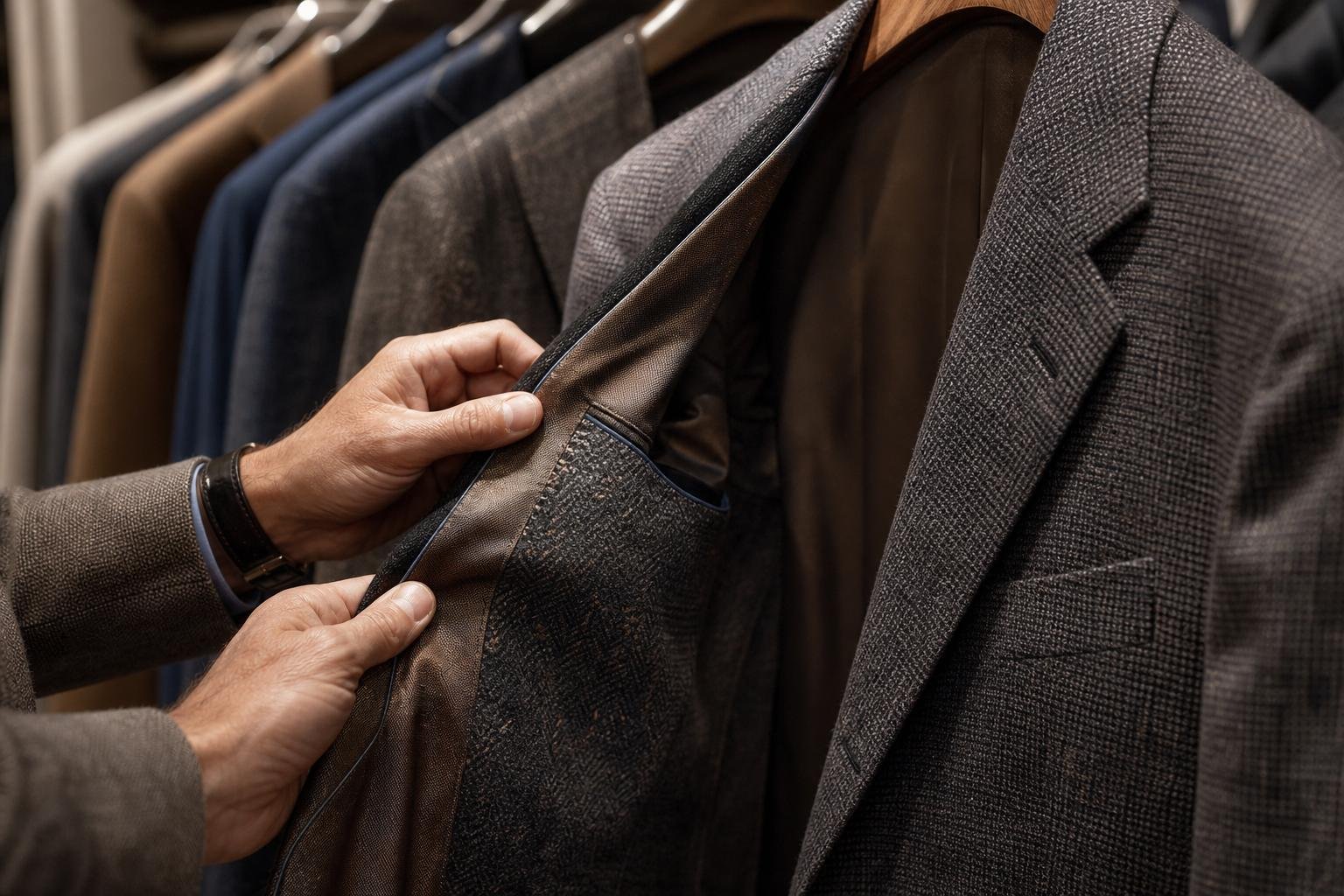
For shoes, inspect the outsole, upper material, lining, and overall flexibility. Try both shoes, walk a short distance, and consider whether the pair works with socks or hosiery you actually wear. For leather goods, look at edge paint, hardware, stitching consistency, strap attachment points, and interior organization.
A useful outlet-shopping question is: Would I still consider this at a smaller discount? If the answer is no, the item may be more of a bargain story than a wardrobe addition.
Many outlets sell a mix of former full-price inventory and products designed expressly for outlet channels. Retailers may identify these items through labels, style codes, packaging, or product descriptions, but practices differ by brand and store.
Outlet-made pieces can still be good purchases. The key is to assess them on their own merits rather than assuming they are equivalent to a full-price collection. Compare fabric weight, finishing, hardware, lining, and construction where possible. A simpler piece at an honest price may be a better choice than one that relies on a dramatic markdown label.
Sizing can be one of the biggest variables when shopping internationally. Korean sizing, European sizing, US sizing, and individual designer sizing do not always align. Treat the number on the label as a starting point, not a verdict.
Try on whenever possible, particularly for blazers, trousers, dresses, and shoes. Bring or wear an outfit that makes fitting easier: a thin top, comfortable shoes, and underlayers similar to what you would normally wear. If you are shopping for outerwear, test the piece over a knit or jacket weight you expect to use underneath.
At a designer outlet seoul destination, stock is often fragmented. You may see one size in a compelling style but not a full run. That can be an opportunity if the item fits beautifully, but it is not a reason to settle for a close-enough fit.
Ask about exchange and return terms before paying, especially if you are buying near the end of your trip. Policies may differ between stores and may be more restrictive for discounted merchandise.
A short list protects both your budget and your luggage allowance. Write down two or three categories you genuinely need, such as a work bag, wool outerwear, everyday sneakers, or a polished evening layer. Add a preferred color range and a realistic spending limit for each category.
Then use a simple three-part filter:
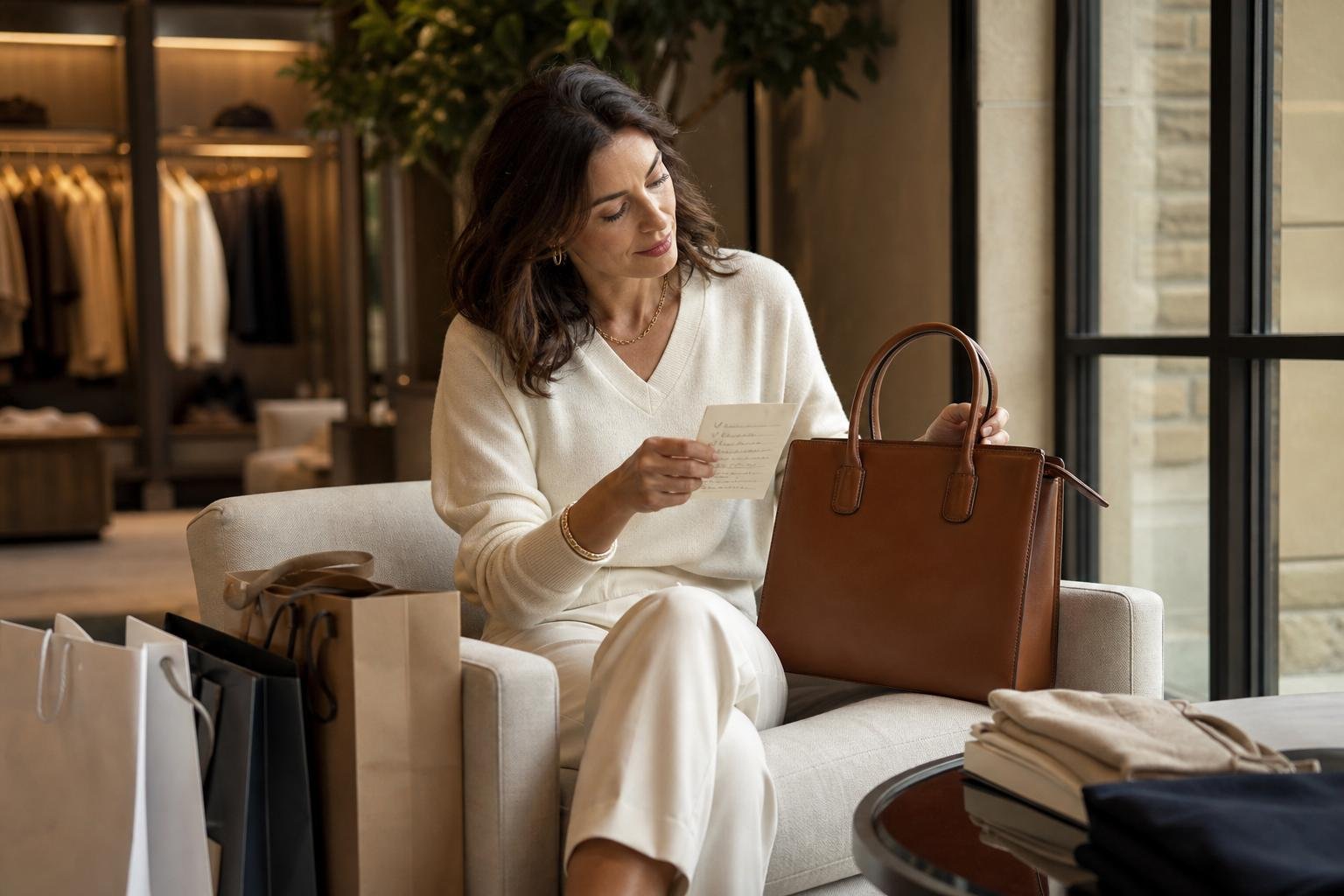
It is also wise to keep receipts, product packaging, and any authenticity documentation provided by the retailer. When purchasing luxury goods abroad, these records can be useful for insurance, repairs, resale, or customs declarations. Travelers should also understand their home country’s customs rules and personal exemption limits before making substantial purchases.
Most outlet stores follow standard retail etiquette: handle delicate merchandise carefully, return unwanted items to the fitting-room attendant or designated rack, and ask before photographing products. Sales associates may be able to check stock, explain promotions, or clarify sizing, but availability and language support vary.
Card payment is common, though carrying a backup payment method is sensible. If you are eligible for a tourist tax-refund process, ask the store about the required paperwork and follow the applicable airport or departure procedures. Requirements can change, so rely on official guidance at the time of travel.
Avoid making a purchase solely because it feels difficult to find elsewhere. Limited inventory is normal at outlets. The right item should be both scarce enough to feel special and versatile enough to earn a place in your regular rotation.
Shopping at an official brand store or established retail center is generally the clearest route to legitimate merchandise. Still, authenticity and product category are separate questions: an authentic item may be former-season inventory, a diffusion line, or made specifically for an outlet channel. Review labels, construction, and store documentation before buying.
They can be, particularly for prior-season merchandise, but savings vary by brand, category, and promotion. Convenience also has value. A city purchase with a smaller reduction may be more worthwhile than spending hours traveling to an outlet for uncertain stock.
Buy it if you like the design, materials, functionality, and price—not only the logo or markdown. Inspect the bag closely, confirm the return policy, and consider how it fits into your existing wardrobe.
A designer outlet seoul shopping day is most successful when it is approached as edited wardrobe building, not a race for the deepest discount. Research the outlet format, allow time for fitting and inspection, and focus on pieces that offer lasting utility. The best purchase is the one that continues to look considered once you are home.