Physical Address
304 North Cardinal St.
Dorchester Center, MA 02124
Physical Address
304 North Cardinal St.
Dorchester Center, MA 02124

A designer purchase should suit more than a moment. Use this guide to compare craftsmanship, fit, versatility, and resale considerations before you buy.
A designer purchase can be rewarding, but a recognizable name alone does not guarantee enduring quality, easy wear, or strong resale. The most useful way to assess designer brands is to start with your own wardrobe: what you wear often, which proportions suit you, and what level of upkeep feels realistic.
Whether you are considering a first luxury handbag, a tailored coat, or a pair of shoes, think beyond the initial impression. A considered purchase balances material, construction, fit, utility, and the likelihood that you will reach for it repeatedly.
Before comparing labels, define the item’s job. A structured work bag, for example, has different requirements from an evening bag. A wool coat intended for daily commuting needs more durability and weather tolerance than a statement piece reserved for special occasions.
Ask a few practical questions before shopping:
This exercise narrows the field quickly. It also prevents a common luxury-shopping mistake: buying an attractive item with no clear place in your real life.
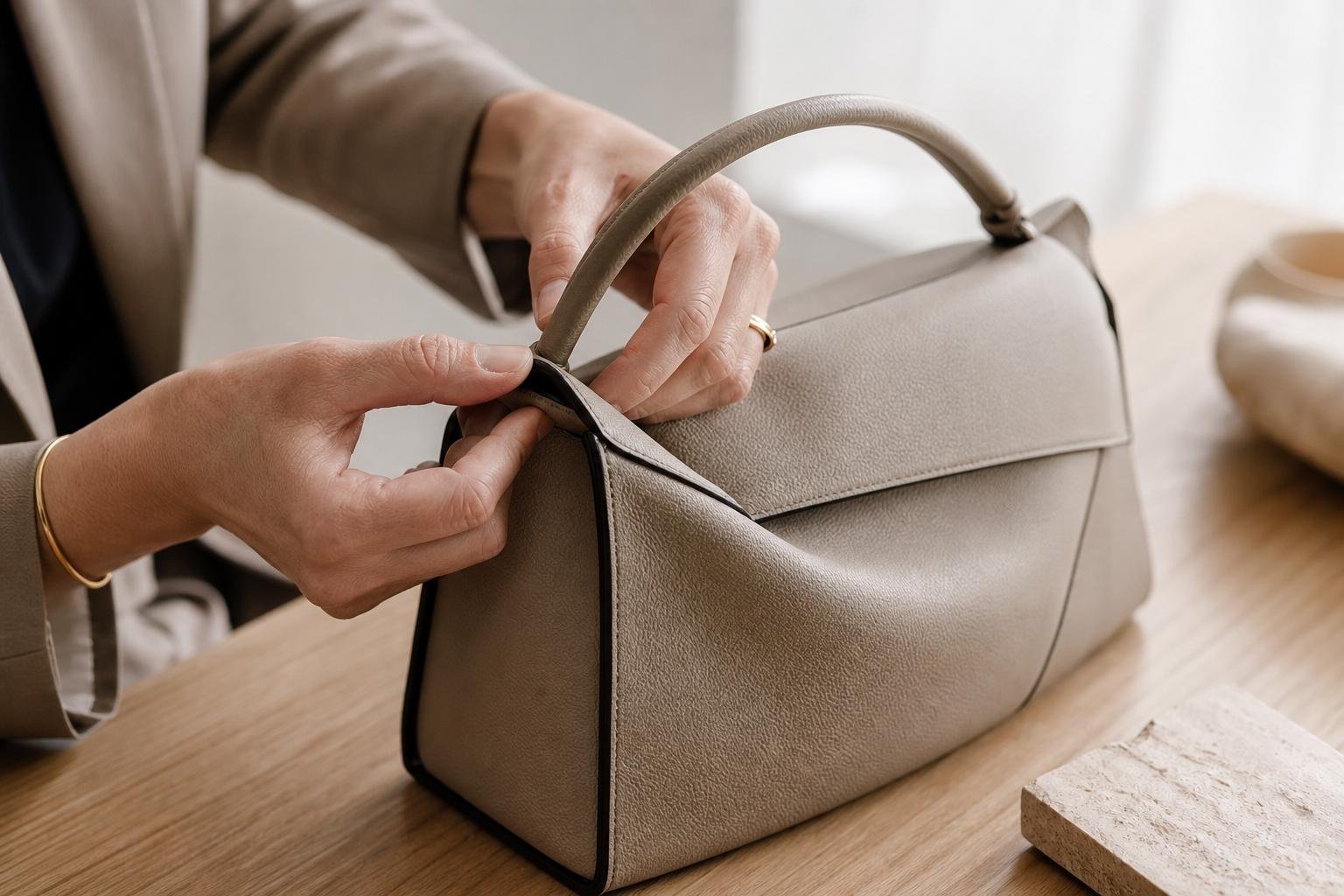
Different houses may be known for different strengths, from tailoring and leather goods to knitwear, outerwear, or footwear. Rather than assuming one label excels across every category, assess the specific product in front of you.
For clothing, examine fabric composition, lining, seams, closures, hem finishes, and the way the garment hangs on the body. Natural fibers are not automatically better, but the fabric should make sense for the design and intended use. A delicate silk blouse may be beautiful but impractical for a low-maintenance work wardrobe, while a thoughtfully constructed wool blend can be highly useful for regular wear.
For bags and accessories, inspect the weight, edge finishing, stitching consistency, hardware function, strap construction, and interior layout. Consider whether the hardware is comfortable to use and whether the bag fits your actual essentials. A beautiful bag that is too heavy when empty or difficult to open may spend more time on a shelf than on your shoulder.
For shoes, prioritize fit and construction over a fashionable shape. Check for sufficient toe room, secure heel placement, stable soles, and materials that will break in reasonably. If a shoe pinches during a short fitting, it is unlikely to become a dependable favorite.
Repairability is an overlooked part of value. Some items can be resoled, re-heeled, reconditioned, or have minor hardware issues addressed. Others are difficult to repair once a component fails. Ask about care recommendations and whether replacement parts or authorized repairs are available before treating an item as a long-term purchase.
A good rule: the more frequently you expect to use an item, the more important durable construction and practical maintenance become.
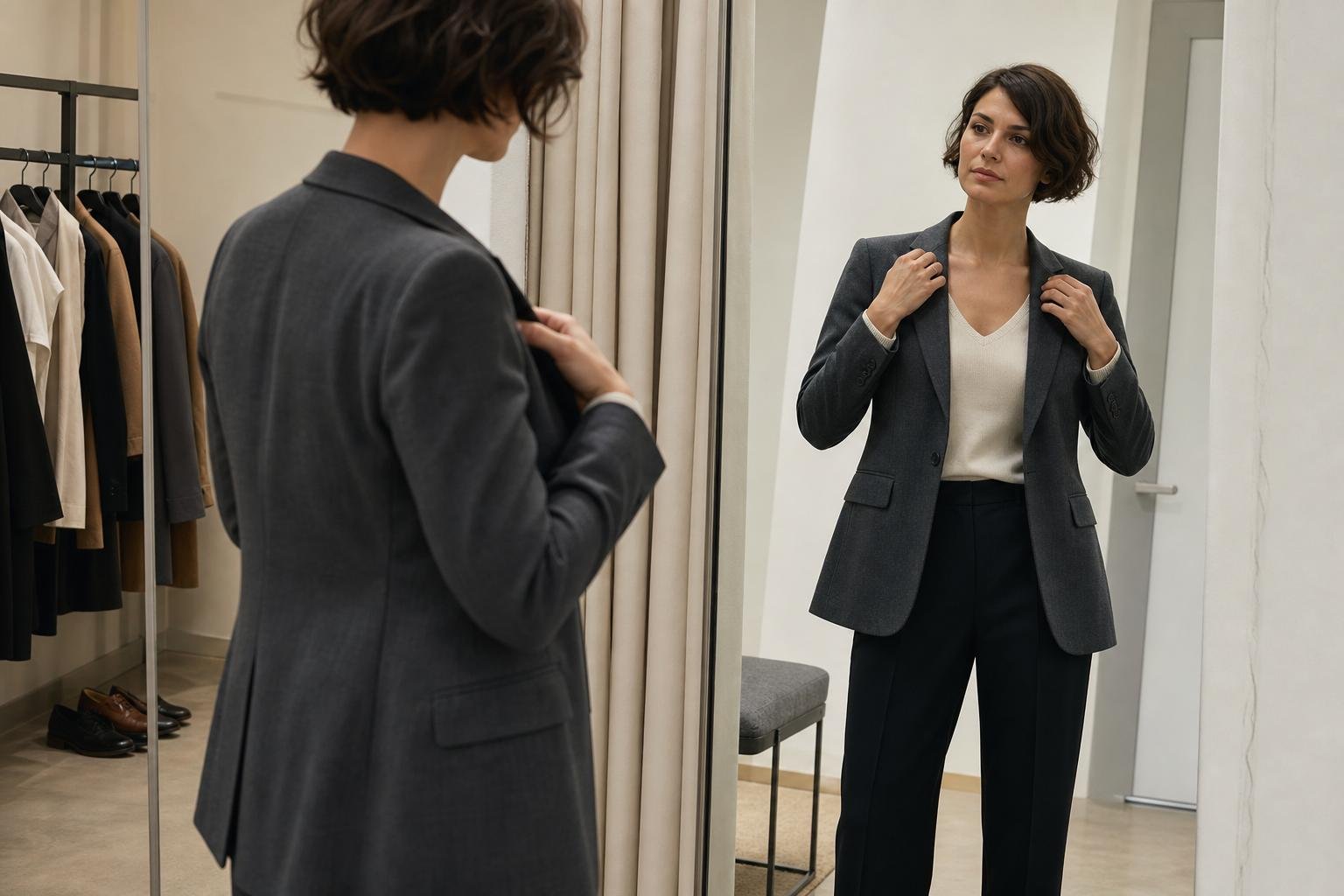
A beautiful garment that does not fit properly is rarely a value. Sizing can vary substantially between labels, product lines, and even cuts within the same collection. Use measurements and fit notes rather than relying only on the size marked on the label.
When trying on tailored clothing, pay attention to the shoulder line first. Shoulder alterations are often more complicated than adjusting a hem or waist. Check whether sleeves allow natural movement, whether buttons lie flat, and whether the garment sits comfortably when you walk and sit.
With trousers and skirts, evaluate rise, hip fit, and stride comfort. A hem can usually be adjusted, but a too-tight seat or an awkward rise may be harder to correct. For coats and jackets, try them over the layers you would realistically wear underneath.
| Item type | Check first | Often alterable |
|---|---|---|
| Blazer or coat | Shoulders and arm movement | Sleeve length, waist, hem |
| Trousers | Rise, hips, and seat | Hem, waist, taper |
| Dress | Bust, waist, and torso length | Hem, straps, minor shaping |
| Shoes | Toe room and heel security | Limited stretching only |
If alterations are needed, factor the cost and complexity into the final decision. The best purchase is not necessarily the one that fits perfectly off the rack; it is the one that can be made to fit well without compromising its original proportions.
A higher price can make sense when an item has a long useful life and integrates naturally into your routine. Cost per wear is a simple way to assess that potential: divide the total purchase and maintenance cost by the number of times you realistically expect to use the item.
This does not mean every purchase must be strictly practical. Occasion pieces and expressive accessories can bring genuine enjoyment. But it helps to distinguish between an aspirational item and an everyday investment.
Consider the full ownership cost, including tailoring, protective storage, cleaning, repairs, and insurance where appropriate. A lower-priced item that requires frequent replacement may cost more over time than a well-made alternative that stays in rotation for years.
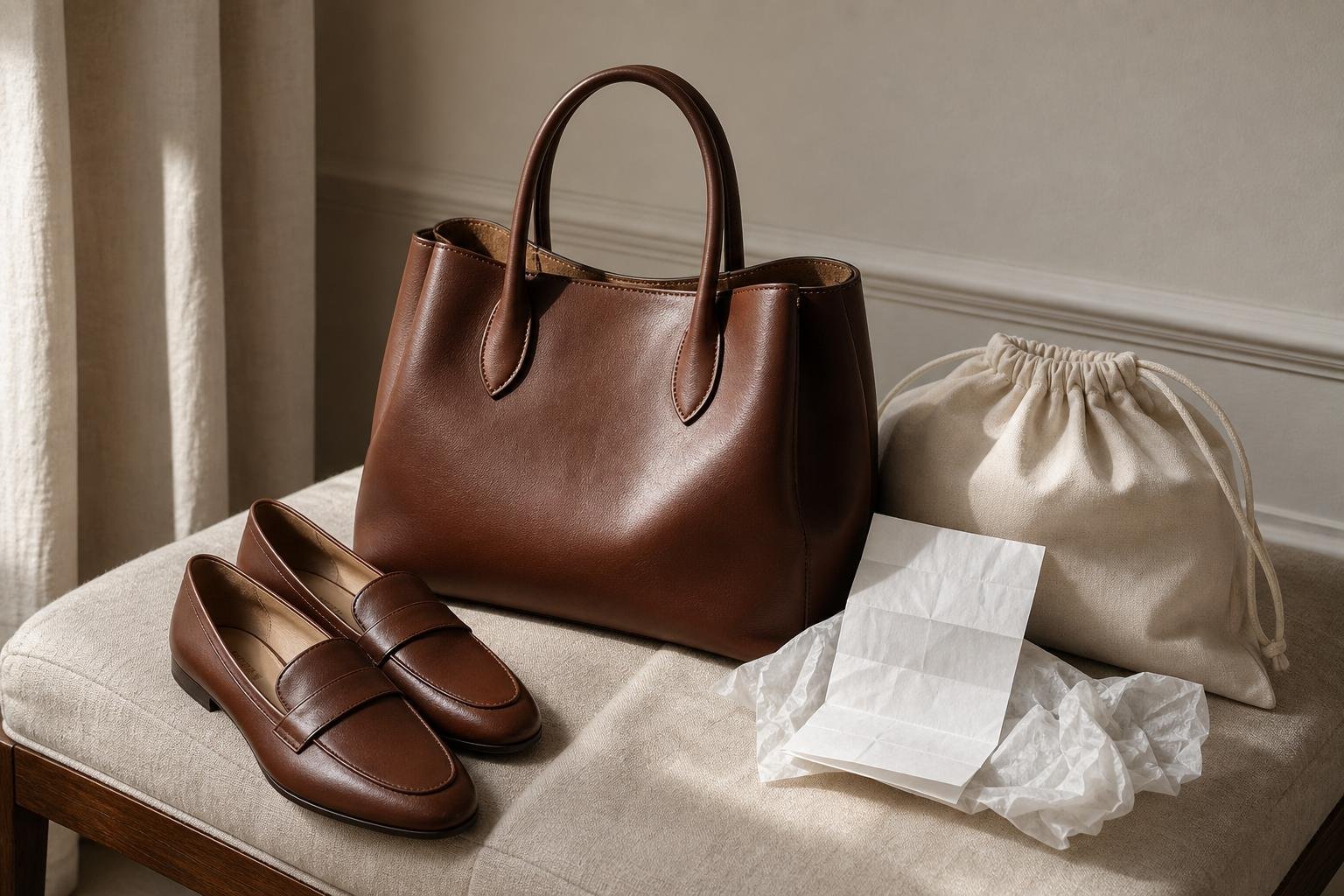
Resale can be a useful consideration, particularly for bags, watches, outerwear, and certain collectible fashion categories. Still, resale value is never assured. Condition, provenance, color, size, demand, original packaging, and market timing can all affect what an item may command later.
When evaluating designer brands with resale in mind, choose classic shapes, versatile colors, and excellent condition over short-lived novelty. Keep receipts, authenticity documentation, dust bags, boxes, detachable straps, and other original components when possible. These details can support a smoother future sale.
That said, resale should be a secondary benefit rather than the sole reason to buy. An item that suits your lifestyle and receives frequent wear can offer better personal value than a theoretically desirable piece that remains unused.
Pre-owned shopping can offer access to discontinued designs, lower entry prices, and a more circular approach to fashion. It also calls for closer inspection. Review photographs carefully, read condition descriptions, ask about odor, stains, alterations, repairs, and missing components, and understand the seller’s authentication and return policies.
Pay particular attention to high-wear areas: bag corners and handles, shoe soles and insoles, coat cuffs, knitwear underarms, and trouser seams. A minor mark may be acceptable at the right price; structural damage or extensive wear may not be.
The strongest wardrobe usually develops over time. Instead of trying to buy from every influential label, identify the categories where a particular design language, fit, or construction genuinely works for you. You may prefer one source for precise tailoring, another for practical leather goods, and a third for distinctive evening accessories.
Keep notes on your best-fitting sizes, preferred materials, and items you wear most. This record makes future purchases more efficient, especially when shopping online or secondhand. It also helps you recognize patterns: perhaps you consistently wear structured bags but avoid delicate ones, or you love designer knitwear but rarely reach for formal jackets.
Choosing designer brands well is less about chasing status and more about making informed decisions. Prioritize fit, construction, maintenance, wardrobe compatibility, and realistic use. When an item meets those tests, it has a better chance of becoming a lasting part of your personal style—and, if you eventually part with it, a stronger candidate for resale.