Physical Address
304 North Cardinal St.
Dorchester Center, MA 02124
Physical Address
304 North Cardinal St.
Dorchester Center, MA 02124
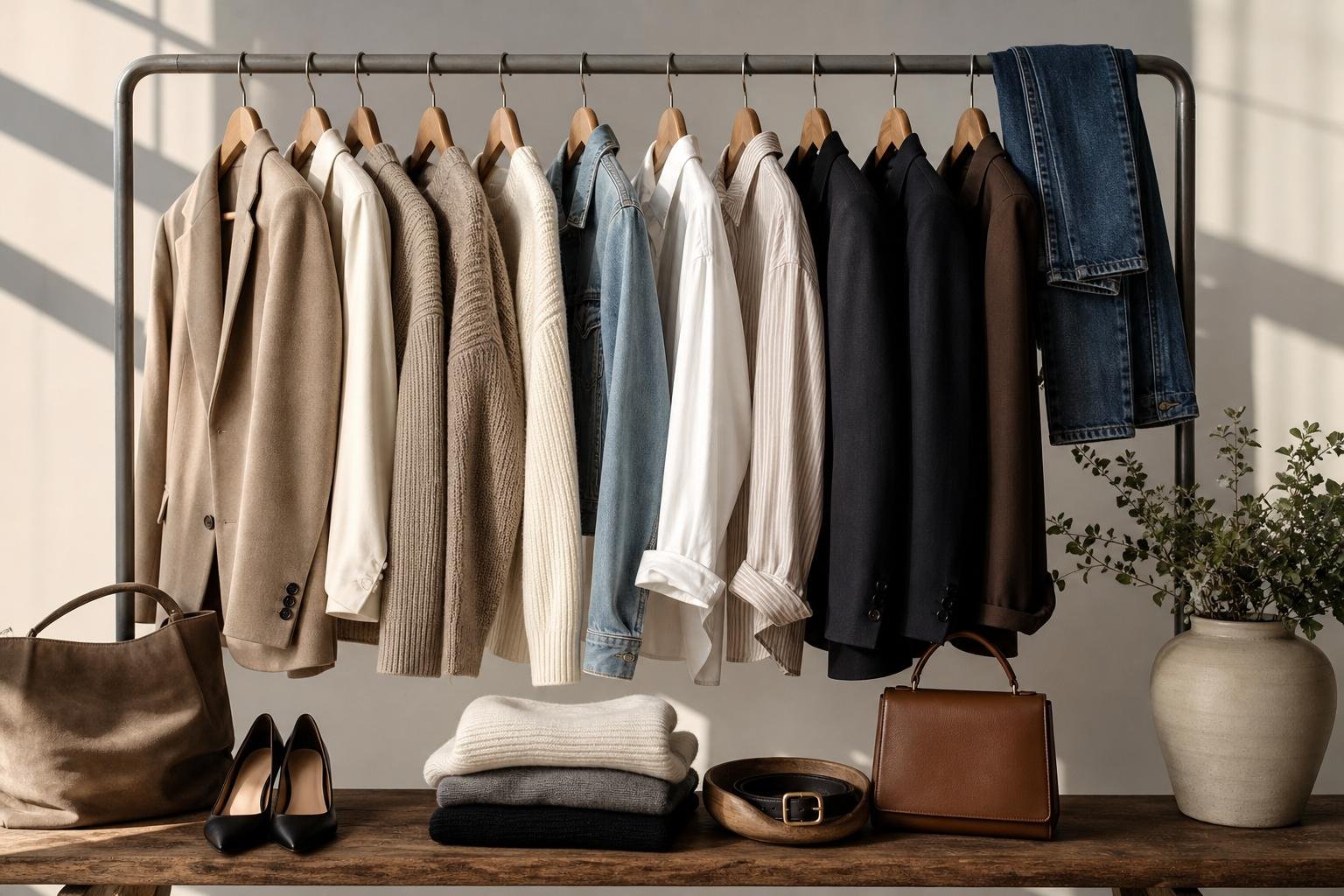
Learn how to assess a fashion label beyond its name, from fabric composition and fit consistency to pricing and care requirements. This guide helps you shop with a clearer sense of quality and long-term value.
Shopping for clothing is rarely just about finding something attractive. The best purchases reflect how a piece feels, fits, wears, and works with the rest of your closet. With so many clothing brands serving different budgets, aesthetics, and lifestyles, a smart comparison process matters more than a recognizable label.
Rather than treating a brand name as a guarantee of quality, look at the practical details behind each garment. Fabric, construction, proportions, care needs, and return terms can tell you far more about whether a piece deserves space in your wardrobe.
Before comparing designers or retailers, define what is actually missing from your closet. A beautiful statement coat may be less useful than trousers that work for the office, weekends, and dinner plans. The goal is not to buy only basics; it is to identify the categories where a better-made item would make the biggest difference.
Consider your daily routine, climate, preferred silhouettes, and tolerance for garment care. Someone who commutes on foot may prioritize substantial outerwear and comfortable shoes, while a frequent traveler may favor wrinkle-resistant separates and lightweight layering pieces. Your habits should guide the kind of label and product you investigate.
A short list can make the process more focused:

A useful way to assess clothing brands is to compare like with like. Evaluate two cotton poplin shirts, two wool coats, or two pairs of straight-leg jeans instead of comparing an entry-level T-shirt with a fully lined tailored jacket. Price alone cannot explain value when the construction, material, and intended use differ.
Begin with the garment’s fiber content. Natural fibers such as cotton, linen, wool, silk, and leather often offer distinct benefits, but the fiber name alone is not a quality ranking. A lightweight cotton shirt may be ideal for summer, while a wool blend can provide welcome resilience in a frequently worn blazer. Synthetics can also serve a purpose, adding stretch, weather resistance, durability, or easy care.
Then consider fabric weight and finish. Is the knit dense enough to hold its shape? Does the lining feel smooth and substantial? Does a pale fabric become overly transparent in normal light? Product images can help establish silhouette and styling, but composition details and close-up views are often more informative when available.
Thoughtful construction tends to reveal itself in areas that take stress: seams, closures, pockets, hems, waistbands, and buttonholes. On tailored pieces, look for clean lapels, balanced shoulders, and linings that allow movement. On jeans and trousers, inspect the rise, pocket placement, stitching, and whether the fabric recovers after wear.
A garment does not need elaborate finishing to be useful. A simple jersey T-shirt has different standards from a wool coat. What matters is whether the construction suits the item’s purpose and price position. A delicate top may reasonably require gentler handling; a daily tote or winter coat should generally be built for more repeated use.
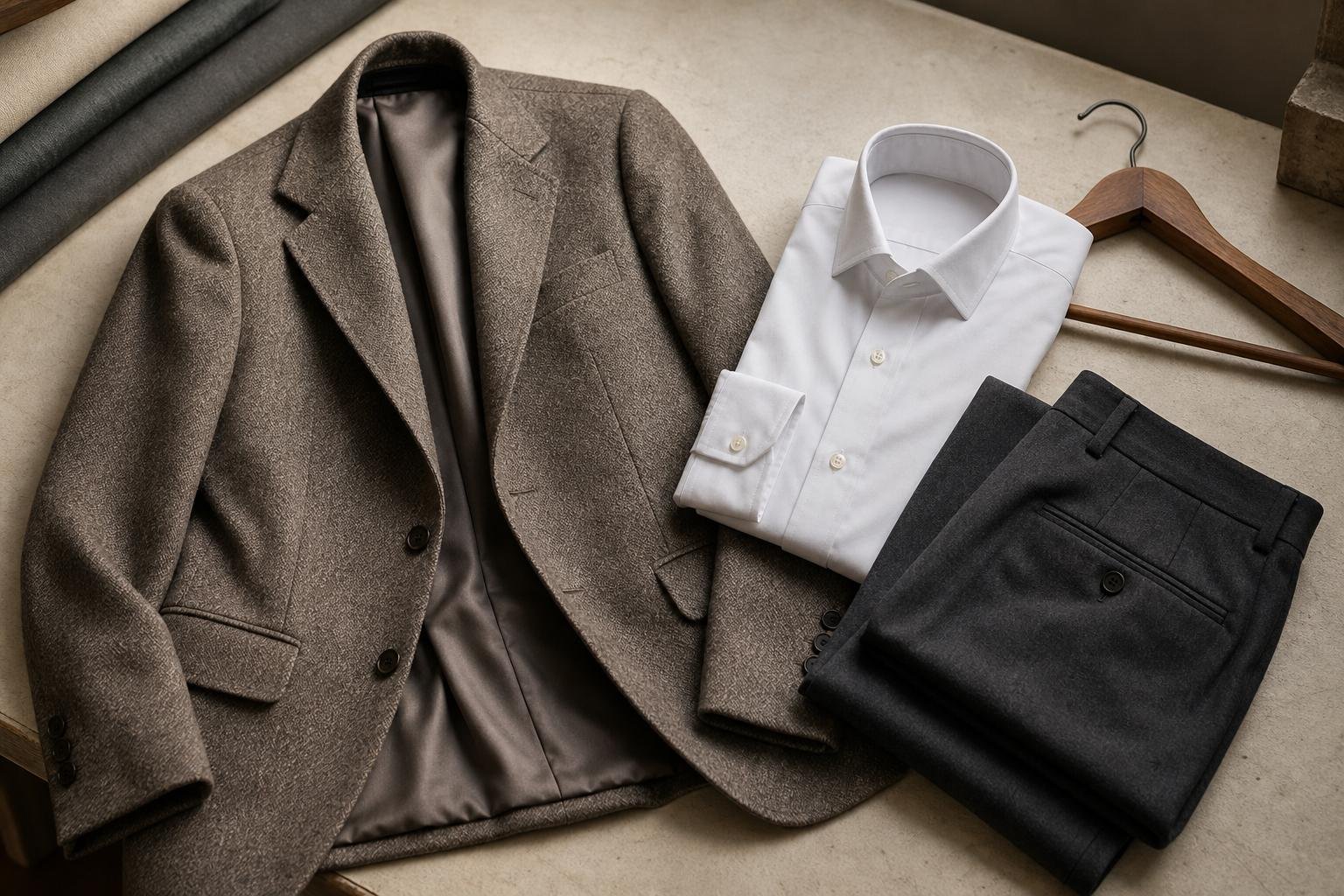
A brand’s size chart is a starting point, not a promise. Sizing can vary between product categories, fabrics, and cuts, even within the same collection. Use your body measurements rather than relying only on the number you typically wear. For trousers, waist, hip, rise, and inseam measurements are especially helpful. For jackets, compare shoulder width, chest, sleeve length, and overall length.
Pay attention to the model information provided with a listing, but keep perspective. A garment’s appearance on a model cannot predict how it will sit on every body. Product reviews may offer useful clues about length, stretch, sheerness, or whether an item runs small, but individual fit preferences differ.
When you are trying an item at home, assess it with the shoes and undergarments you would realistically wear. Sit, reach, walk, and raise your arms. Check whether the waistband digs in, whether a buttoned shirt pulls across the chest, or whether a dress twists when you move. A strong fit makes even a simple piece look more intentional.
The most expensive option is not automatically the most economical, and the lowest-priced option is not always a poor choice. Instead, weigh the likely number of wears against the cost, care requirements, and role the garment will play in your closet.
A special-occasion piece may be worth buying at a lower price if you expect limited use. Conversely, a frequently worn coat, pair of boots, or work bag may justify a more considered budget because it will face regular friction and weather exposure. The same thinking applies to knitwear, denim, and tailored separates that become part of your weekly rotation.
Use this simple framework when comparing options:
| Consideration | Questions to ask | Why it matters |
|---|---|---|
| Cost per wear | How often will I realistically use it? | Frequent use can support a higher investment. |
| Care | Is it machine washable, dry clean only, or hand wash? | Care affects ongoing cost and convenience. |
| Versatility | Can it work with at least three existing items? | Easy pairing increases repeat wear. |
| Alterations | Can a tailor improve the fit? | Small changes can make a piece more useful. |
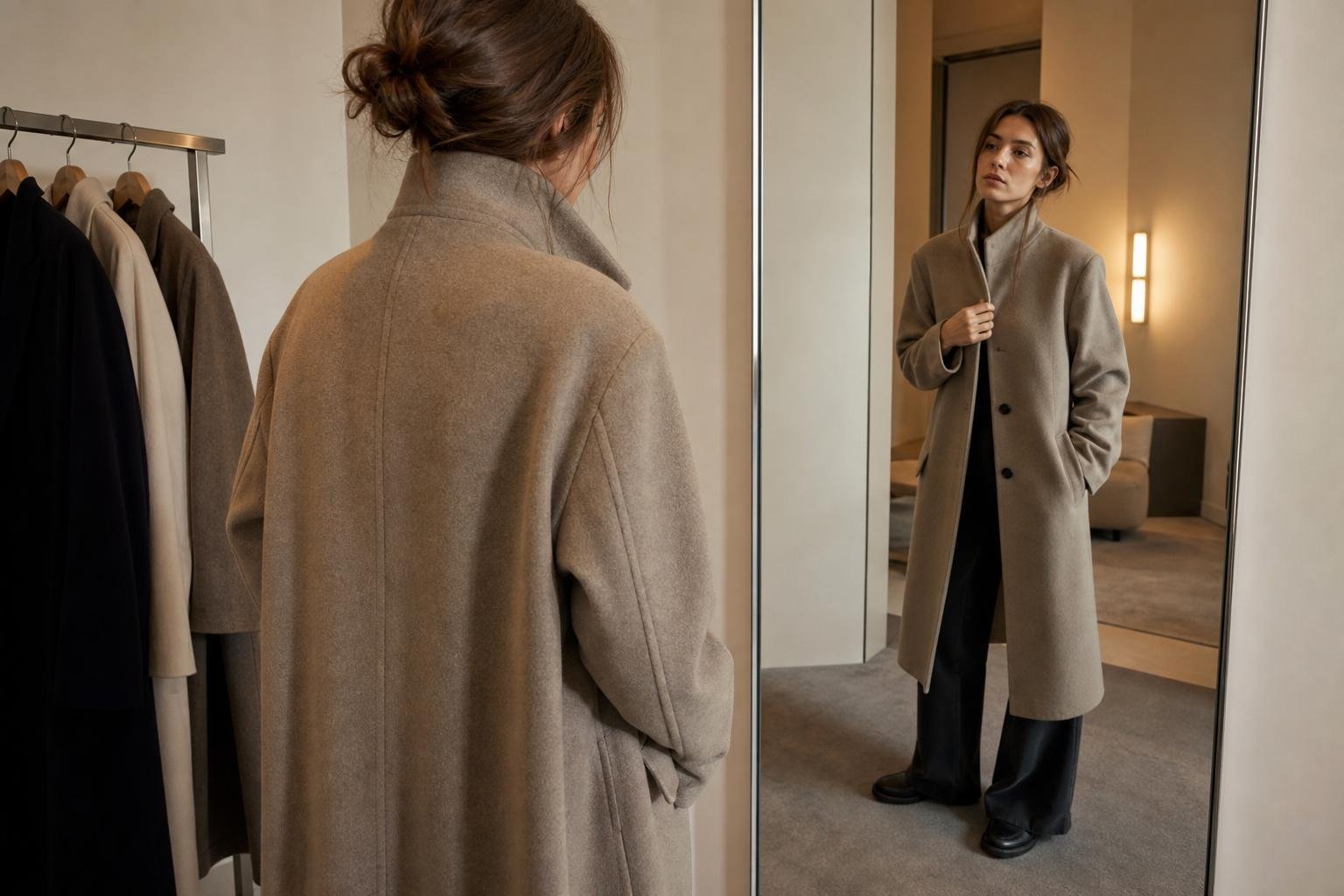
Terms such as “premium,” “luxury,” “conscious,” and “responsible” can describe many different things. Treat them as prompts for further research rather than final proof of a product’s quality or impact. Look for clear information about fiber content, country of manufacture, repair options, resale programs, or material sourcing when those factors matter to you.
Likewise, a designer name can signal a distinct creative point of view, but it does not eliminate the need to inspect each item. Collections often include a mix of investment pieces, trend-driven products, diffusion lines, and seasonal experiments. Evaluate the garment in front of you, not only the reputation attached to it.
If a retailer provides limited product details, vague sizing, or unclear return conditions, consider whether the uncertainty is worth it. Transparent information makes it easier to choose accurately and reduces the chance that an item will become an unworn mistake.
You do not need to be loyal to one label. Many well-functioning wardrobes combine sources based on category: one for dependable denim, another for tailored clothing, another for expressive accessories, and another for occasionwear. This approach lets you prioritize fit and function rather than forcing every purchase into one aesthetic.
Keep notes after successful purchases. Record the size, cut, fabric, and what you liked or disliked after several wears. Over time, you will see patterns in the shapes and materials that serve you best. That information is more useful than a broad claim that a label is universally “good” or “bad.”
The right clothing brands are the ones that align with your style, budget, body, and real-life routine. Compare garments within their category, read the details, check fit carefully, and think about repeat wear before making a decision. A wardrobe built this way will feel more cohesive, useful, and distinctly your own.