Physical Address
304 North Cardinal St.
Dorchester Center, MA 02124
Physical Address
304 North Cardinal St.
Dorchester Center, MA 02124
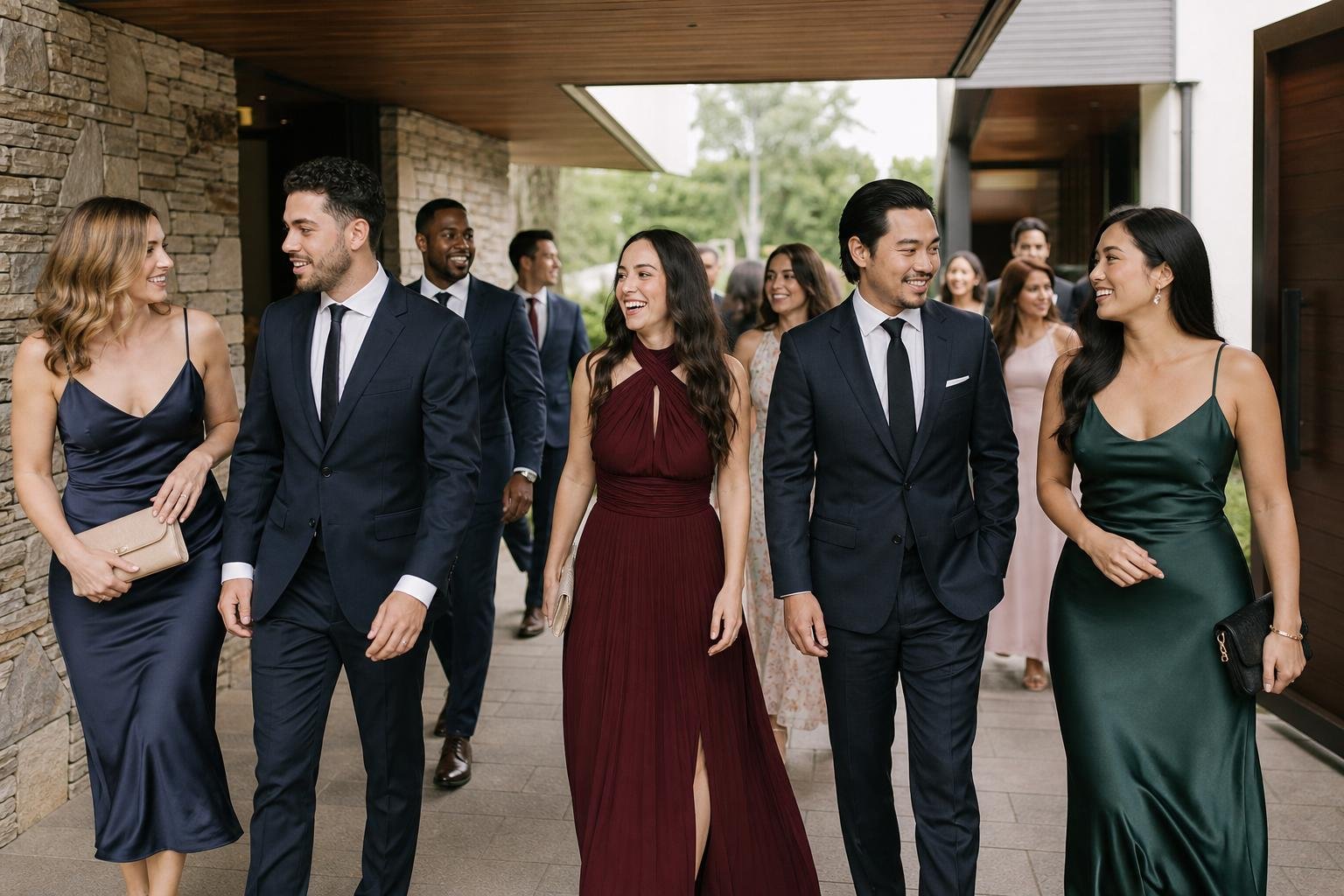
Korean wedding guest style is generally polished, modest, and occasion-aware. Use the invitation, venue, and planned ceremonies to choose an outfit that feels celebratory without competing with the couple.
Wondering what to wear to a Korean wedding? Start with the invitation, venue, time of day, and any dress-code instructions from the couple. The invitation is always your first guide, but the general approach to what to wear to korean wedding events is polished, respectful, and quietly festive.
Choose an outfit that looks intentionally dressed up without trying to outshine the couple. A refined cocktail dress, tailored suit, elegant separates, or a tasteful traditional garment can all work well when they fit the stated dress code and venue.
Read the invitation for a stated dress code, venue details, and any notes about a traditional ceremony or cultural attire. A daytime hotel ceremony may call for cocktail-level dressing, while an evening ballroom reception can support more formal fabrics and darker colors. For a garden, restaurant, or private-home event, polished semi-formal attire is often appropriate unless the hosts specify otherwise.
If the invitation requests formal attire, black tie, traditional dress, or a particular color palette, follow that direction over general rules. Couples may also host a Western-style ceremony and change into Korean formalwear later, so the event may include more than one visual tradition.
When no dress code is listed, err on the side of dressy rather than casual. Clean tailoring, elevated materials, and tidy finishing touches matter more than wearing a dramatic or highly trend-driven look.
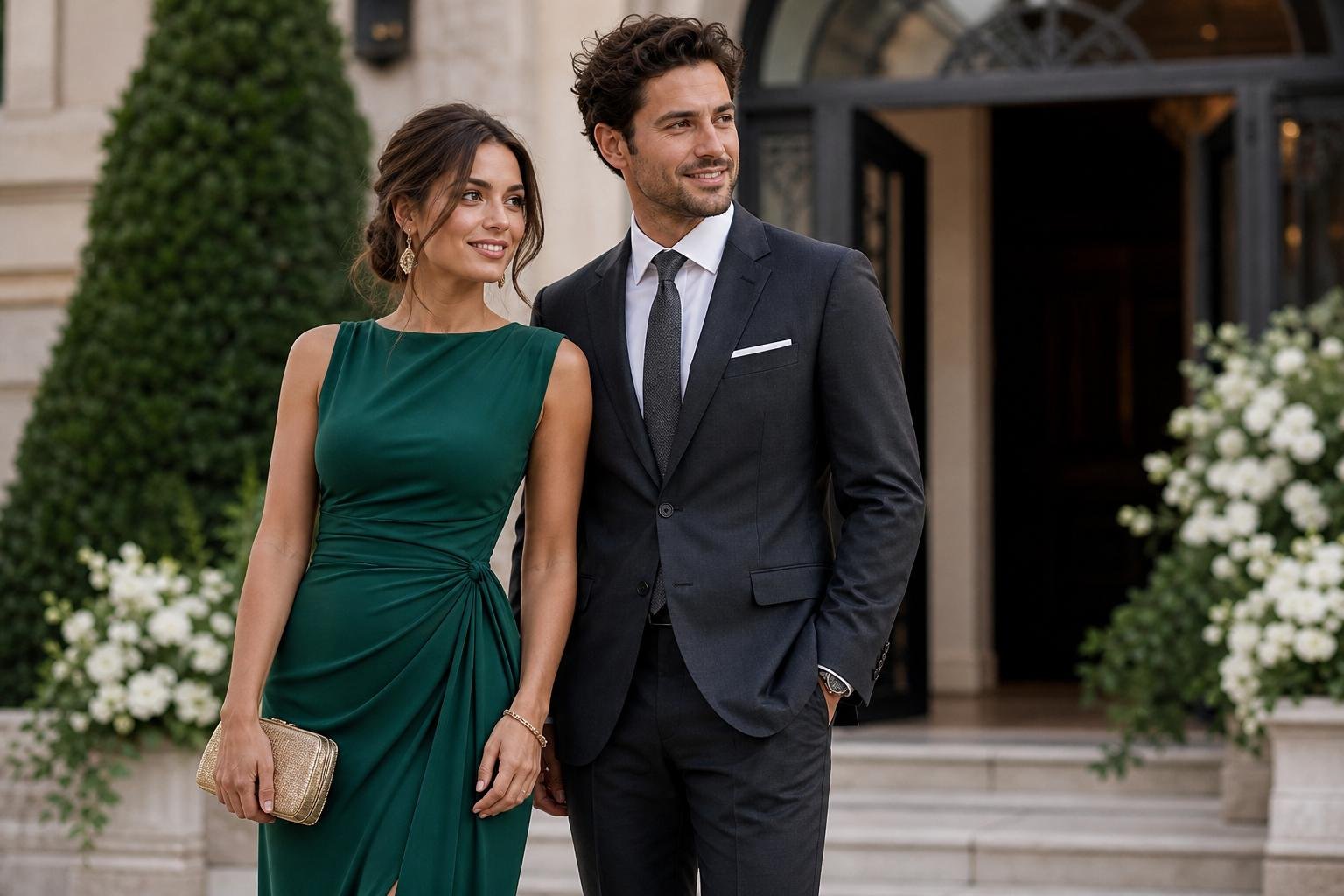
Korean wedding guest attire often has a neat, refined quality. Think tailored lines, elegant hemlines, understated jewelry, and clothes that look appropriate for photographs. You do not need to dress conservatively in a severe way, but it is wise to avoid outfits that are extremely revealing, overly sheer, or visibly casual.
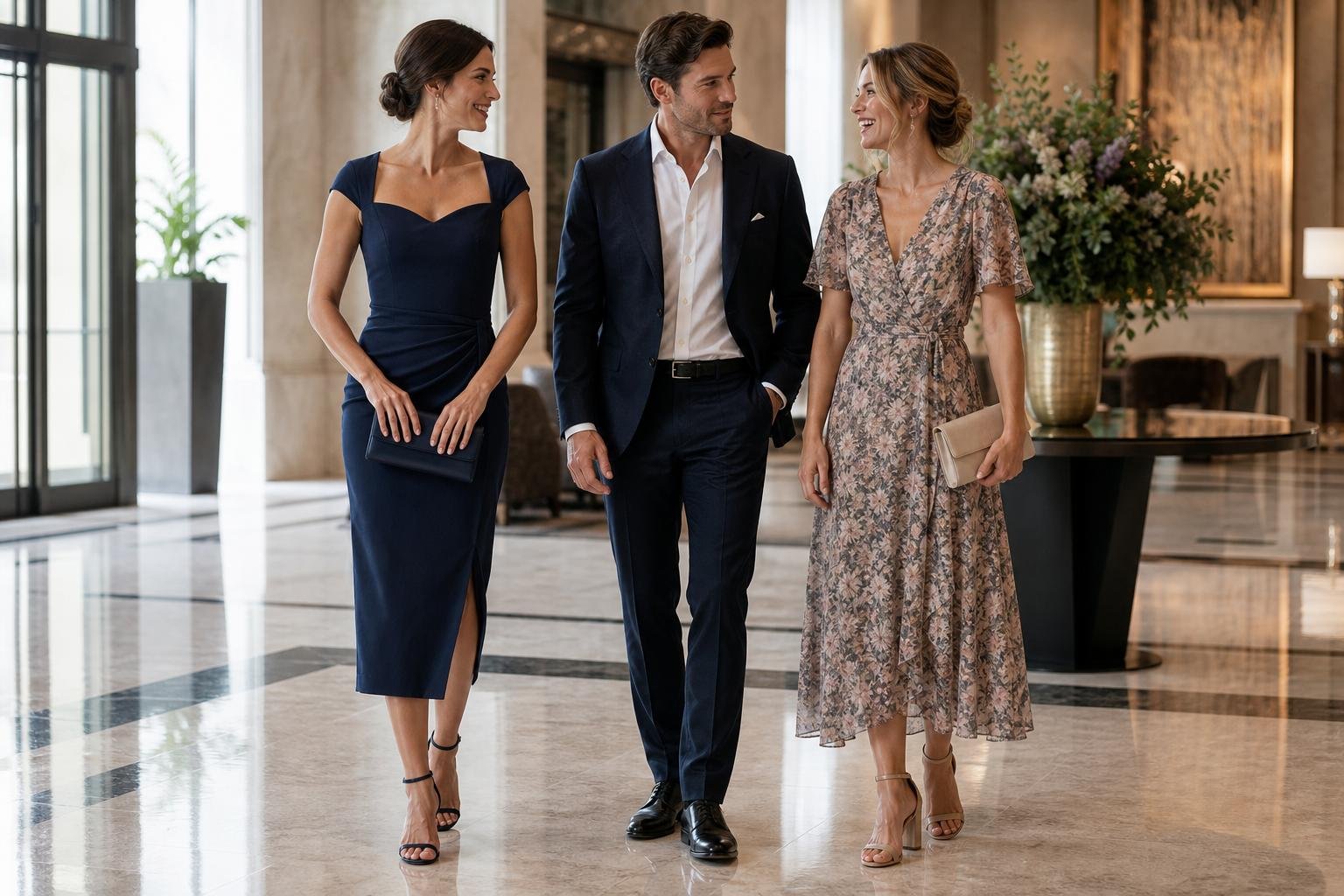
For women and feminine dressers, a midi dress, a tailored jumpsuit, a skirt suit, or dressy trousers with a silk-like blouse are reliable choices. A knee-length or midi hem is especially versatile. Sleeveless dresses can work well; bring a light jacket, wrap, or tailored blazer if you want more coverage or expect air conditioning.
For men and masculine dressers, a dark or medium-toned suit with a pressed shirt is a dependable default. Navy, charcoal, deep brown, and muted blue are versatile options. A tie is usually a smart choice for a formal venue, even if it comes off later. For a clearly semi-formal daytime event, tailored trousers, a blazer, and a collared shirt may be enough.
| Event setting | Reliable guest outfit | Useful finishing touch |
|---|---|---|
| Hotel wedding hall | Cocktail dress or dark suit | Structured bag or tie |
| Restaurant or daytime venue | Midi dress, jumpsuit, or blazer and trousers | Loafers, pumps, or dressy flats |
| Formal evening reception | Long midi or floor-length dress, formal suit | Elegant jewelry or pocket square |
| Traditional ceremony included | Refined formalwear or appropriate hanbok | Comfortable, polished shoes |
White, ivory, cream, and very pale champagne can read as bridal colors, particularly when the bride wears a Western-style white gown. Avoid them for a full outfit unless the invitation specifically requests white or the couple has given guests clear permission. Dresses with a white background can also be risky if they appear mostly white in photos.
Instead, consider jewel tones, soft pastels, navy, dusty rose, forest green, burgundy, slate blue, plum, or a subtle print. Florals and abstract patterns are typically fine when they do not feel overly loud or beachy. Rich color and texture can make a simple silhouette feel celebration-ready.
Black is often a practical and elegant option, especially for an evening event or formal city venue. If you worry that an all-black outfit feels too somber, lighten it with a colorful bag, metallic jewelry, a patterned tie, or a polished shoe. The goal is not to avoid black entirely, but to make your overall look feel appropriate for a happy occasion.
If you are deciding what to wear to korean wedding celebrations held in the United States, remember that the couple’s own preferences may reflect a mix of Korean, American, religious, and family traditions. The invitation and venue provide more useful cues than assumptions about any one color rule.
A hanbok is traditional Korean clothing, often characterized by graceful lines, full skirts, and vibrant or softly toned color combinations. Some couples wear hanbok during a traditional ceremony or change into it after their main wedding ceremony. Guests are not generally expected to wear hanbok unless the invitation asks for traditional attire or the hosts encourage it.
If you own a hanbok, have been invited to wear one, or are obtaining one specifically for the occasion, choose a style that suits the level of formality and allows you to move comfortably. Traditional dress is most respectful when worn thoughtfully rather than treated as a costume. If you are unsure about appropriate styling, ask the couple, a member of the wedding party, or the person who invited you.
You can also honor the formality of the event without wearing traditional clothing. A classic dress or suit is entirely suitable for most guests. For anyone wondering what to wear to korean wedding events with a pyebaek, conventional formalwear is usually the easiest and most versatile choice unless a traditional dress request has been made.
Shoes should be polished and comfortable enough for standing, walking between spaces, and potentially navigating a busy reception. Closed-toe pumps, low block heels, sleek flats, loafers, oxfords, and refined ankle boots can all work depending on the season and venue. Skip casual sneakers, flip-flops, distressed boots, and shoes that look more suited to a night out than a ceremony.
A small shoulder bag, clutch, or structured mini bag keeps the outfit neat while holding essentials. Jewelry should complement rather than dominate your look: pearl studs, a delicate chain, a simple watch, or small gold or silver hoops are easy choices. Men can add personality through a textured tie, pocket square, or classic watch.
Avoid bringing a large tote to the ceremony if possible. If you need one for travel or outerwear, plan to leave it in a coat check, car, or another designated place before the ceremony begins.
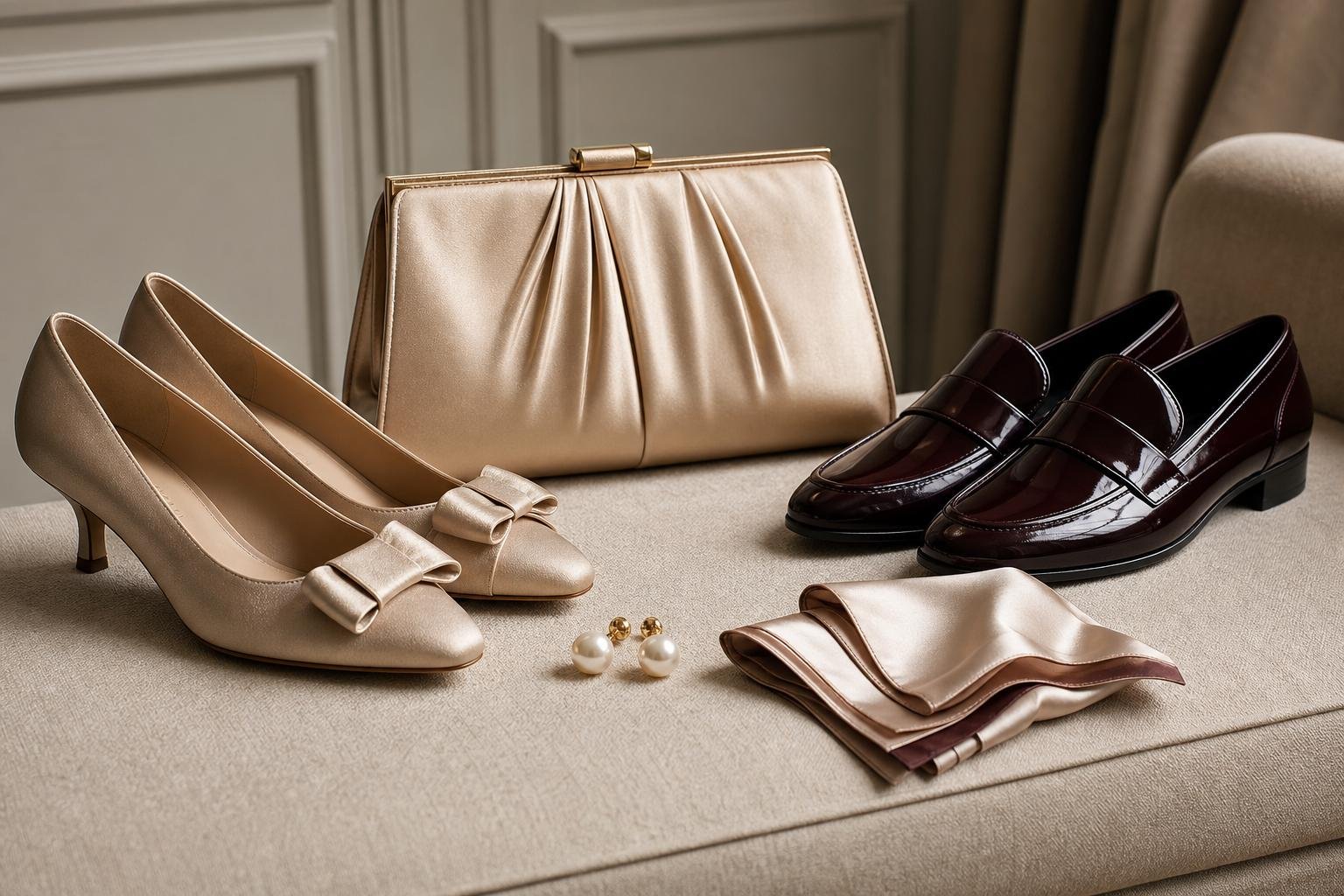
Press or steam your clothing before the event. A crisp finish is especially important for suits, dresses, and traditional garments, and it can make a simple outfit look considerably more formal. Check that straps, necklines, and hems stay in place when you sit and move.
Consider layers. Wedding halls and restaurants can feel cool indoors, while outdoor photos or travel between venues may call for a light coat or wrap. A tailored blazer, elegant cardigan, trench coat, or dressy wool coat is more appropriate than a sporty hoodie or oversized casual jacket.
Be thoughtful about fragrance as well. A light scent—or no scent—is considerate in close seating arrangements and crowded indoor spaces. This is a small detail, but it supports the same polished, guest-conscious approach as your clothing.
Jeans are usually too casual unless the invitation specifically describes the event as casual. Choose tailored trousers, a dress, a skirt, or a suit instead.
A short dress can work if it is polished and not overly revealing, but a knee-length or midi style is often a safer choice. Consider the venue, ceremony setting, and how easily you can sit and move in it.
No. Most guests can comfortably wear conventional cocktail, semi-formal, or formal attire. Wear hanbok only if it is requested, welcomed by the hosts, or appropriate to your relationship with the couple.
The best answer to what to wear to korean wedding celebrations is an outfit that respects the couple’s instructions, suits the venue, and feels polished from head to toe. When in doubt, choose tailored cocktail or formal attire, avoid bridal-looking white, and add personality through color, accessories, and excellent fit rather than attention-grabbing details.