Physical Address
304 North Cardinal St.
Dorchester Center, MA 02124
Physical Address
304 North Cardinal St.
Dorchester Center, MA 02124
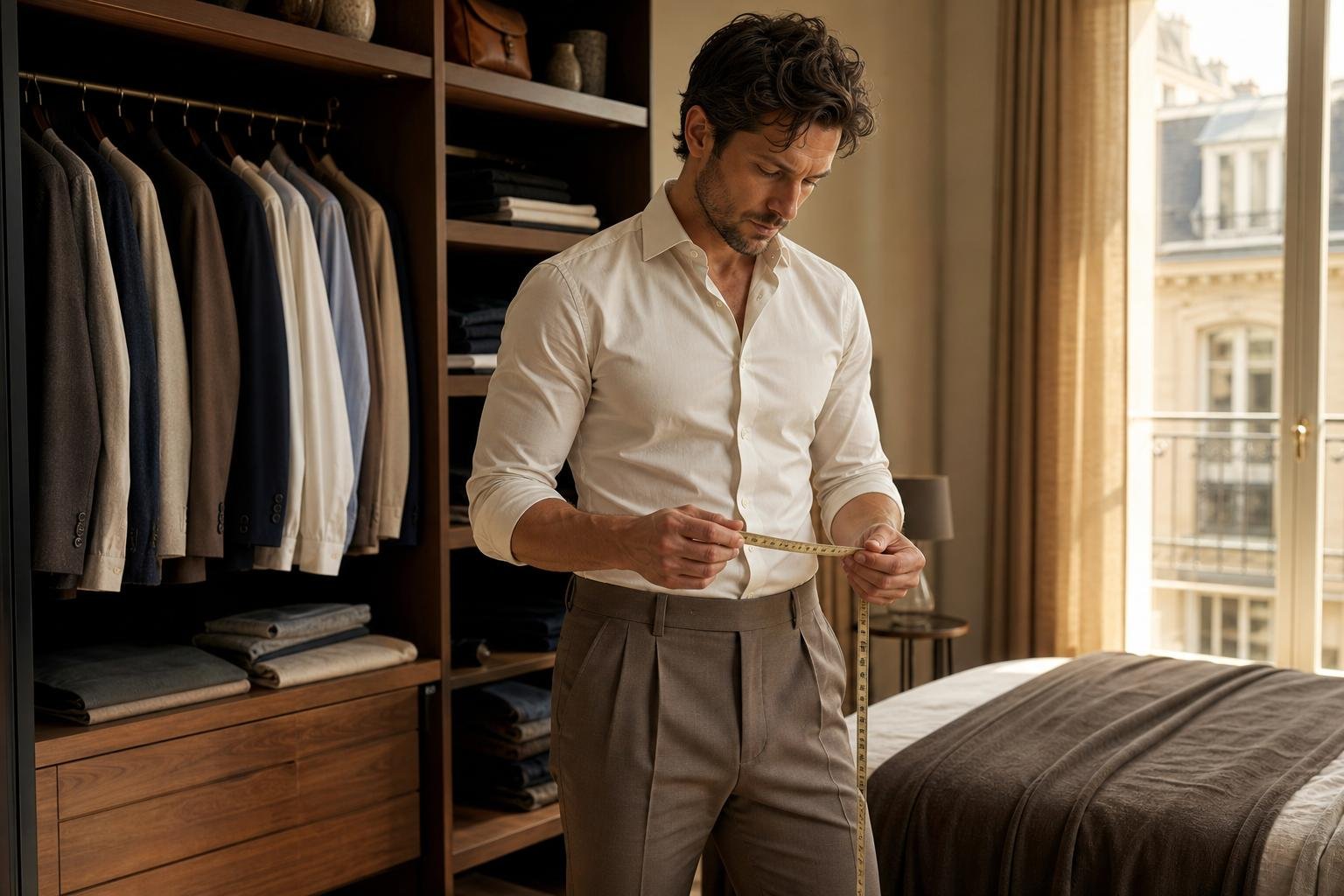
Learn how to take accurate body measurements and translate them into better-fitting menswear. This guide explains what to check before buying shirts, pants, suits, shoes, and more.
Buying clothes by size alone can be frustrating. A medium in one brand may fit like a large in another, while a pair of pants labeled with the same waist measurement can have very different rises, leg shapes, and room through the seat. A dependable size guide for men starts with your body measurements, then uses each brand’s chart as a comparison tool rather than a guarantee.
The goal is not to chase a number on a tag. It is to understand where a garment should sit, how much ease it needs for movement, and which measurements matter most for the item you are buying.
Before measuring, wear lightweight clothing or underwear and stand naturally. Use a flexible tape measure, keep it level with the floor, and avoid pulling it tight. If possible, have someone else take the measurements, especially across the shoulders and back.
Measure twice, and write down the results in inches first. For shopping from international brands, it is useful to note centimeters in parentheses as well. Most size charts list garment or body measurements, so check the chart’s labels carefully before comparing your numbers.
| Measurement | Where to measure | Most useful for |
|---|---|---|
| Chest | Around the fullest part of the chest, under the arms | Shirts, jackets, outerwear |
| Waist | Around your natural waist or where you wear pants | Pants, shorts, underwear |
| Hips/seat | Around the fullest part of the seat | Pants, jeans, tailored trousers |
| Inseam | From the crotch seam to desired hem point | Pants and jeans |
| Neck | Around the base of the neck | Dress shirts |
| Sleeve | From shoulder point to wrist bone | Shirts, jackets, coats |
The most useful size guide for men accounts for the difference between body measurements and garment measurements. A shirt with a 42-inch (107-centimeter) chest measurement, for example, will not necessarily fit someone with a 42-inch chest comfortably. The garment needs extra room—known as ease—to allow for movement, layering, and the intended silhouette.
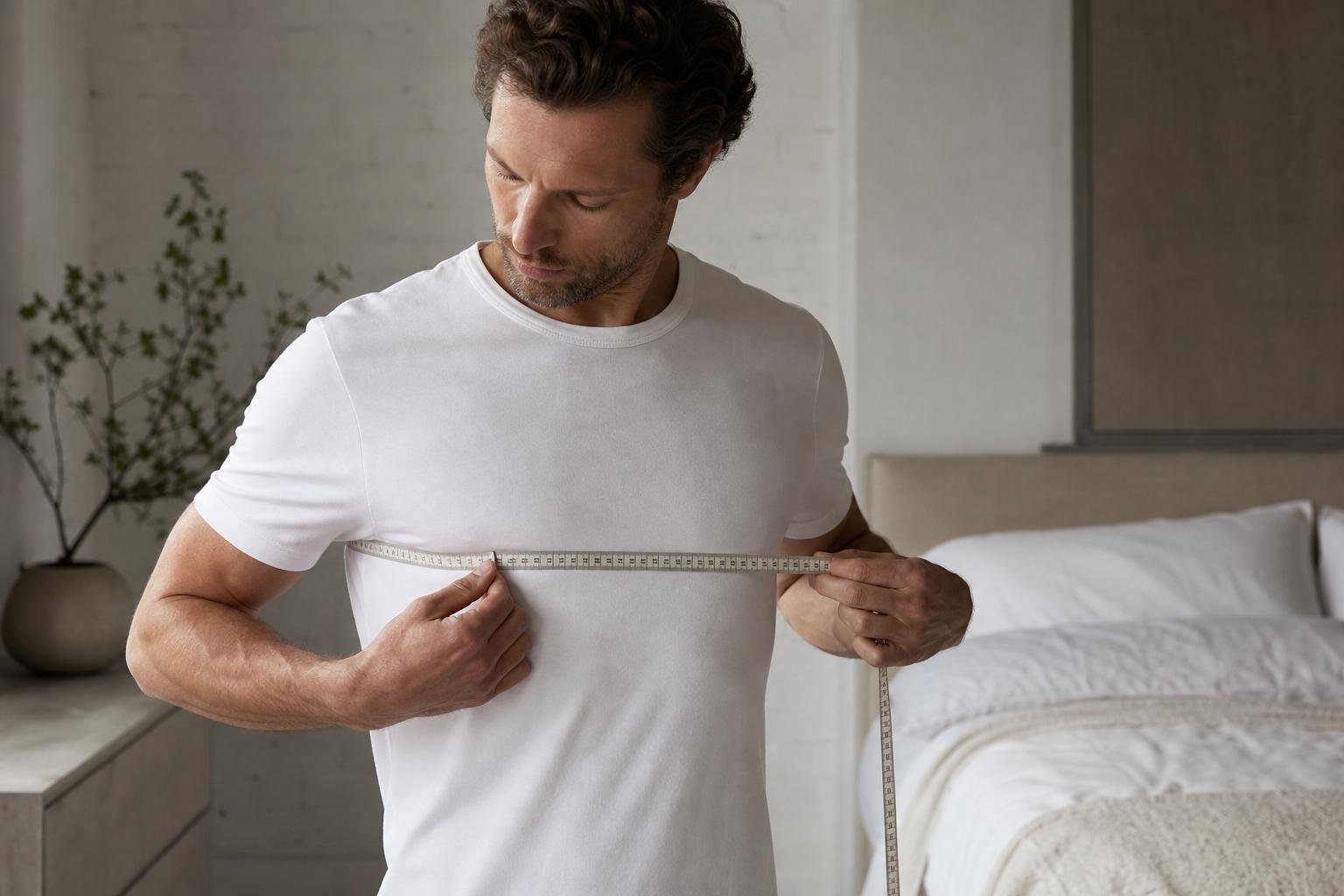
For chest size, wrap the tape around the fullest part of your chest, keeping it flat beneath your arms and across your shoulder blades. Breathe normally; holding your breath or expanding your chest can lead to an overly large result.
Shoulder width is especially important when buying jackets, overshirts, and structured shirts. Measure from the outer edge of one shoulder bone to the other across your back. A shoulder seam that extends too far down the arm can look sloppy, while one that ends before the shoulder bone will restrict movement.
Your natural waist is generally the narrowest point of your torso, often above where you prefer to wear jeans. Many men wear casual pants lower, closer to the hips. For the best result, measure both your natural waist and the point where you usually wear your trousers.
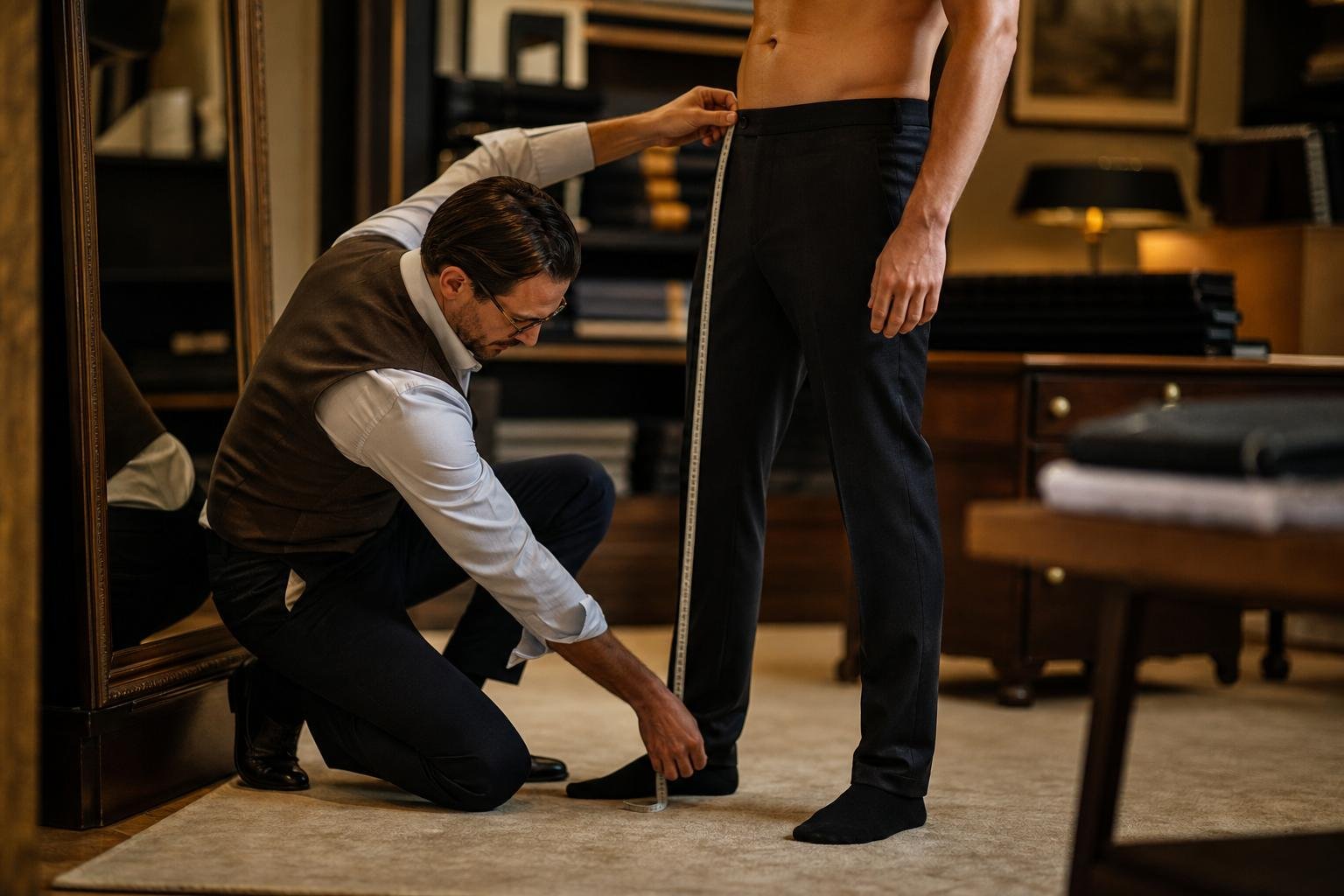
For hips or seat, measure around the fullest part of your rear and upper thighs. This is particularly useful if pants often fit at the waist but pull across the seat. To find inseam, measure from the crotch seam down the inside of the leg to the point where you want the hem to fall. A typical break at the shoe is a personal preference, not a fixed rule.
For casual shirts, the chest and shoulder measurements usually determine the best starting size. The collar should sit comfortably around the neck, and the shoulder seam should land near the edge of your shoulder. The body should have enough room to move without billowing at the sides.
Dress shirts add neck and sleeve measurements to the equation. A buttoned collar should allow enough space for two fingers between the collar and neck. Sleeve cuffs should reach the wrist bone, with a small amount of cuff typically visible below a tailored jacket sleeve.
T-shirts, polos, and sweaters rely more heavily on the brand’s intended cut. Slim fits have less room through the chest and waist, while regular or relaxed fits provide more ease. Compare the stated garment chest width with a shirt you already own and like. Lay that shirt flat, measure from armpit to armpit, then double the result for an approximate chest circumference.
When between sizes, consider the fabric. Cotton jersey may relax slightly with wear, while woven cotton has less give. Wool knitwear can drape differently from cotton, and stretch fibers can make a close fit more forgiving. For a layering piece, leave room for the garments you plan to wear underneath.
A pants label may show waist and inseam measurements, but those numbers are not always exact. The actual waistband can vary by brand, fabric, rise, and cut. Use your measured waist as a starting point, then read product details for information about stretch, rise, and fit through the thigh.
A good size guide for men should also help you distinguish between rise and inseam. Rise is the distance from the crotch seam to the top of the waistband. Low-rise pants sit lower on the body, while mid-rise and high-rise styles sit closer to the natural waist. Two pairs of pants with the same labeled waist can feel completely different because of this placement.
Fit through the thigh and seat matters as much as the waistband. Slim and tapered jeans narrow through the leg, whereas straight and relaxed cuts provide more room. If you have athletic thighs, sizing up solely for leg room may leave a gap at the waist; instead, look for athletic, straight, or relaxed fits with a proportionate waistband.
For hem length, try on pants with the shoes you will wear most often. Denim can stack slightly at the ankle, while tailored trousers generally look cleaner with little to no break. Shorts should sit securely at the waist or hips without pulling across the seat when you sit.
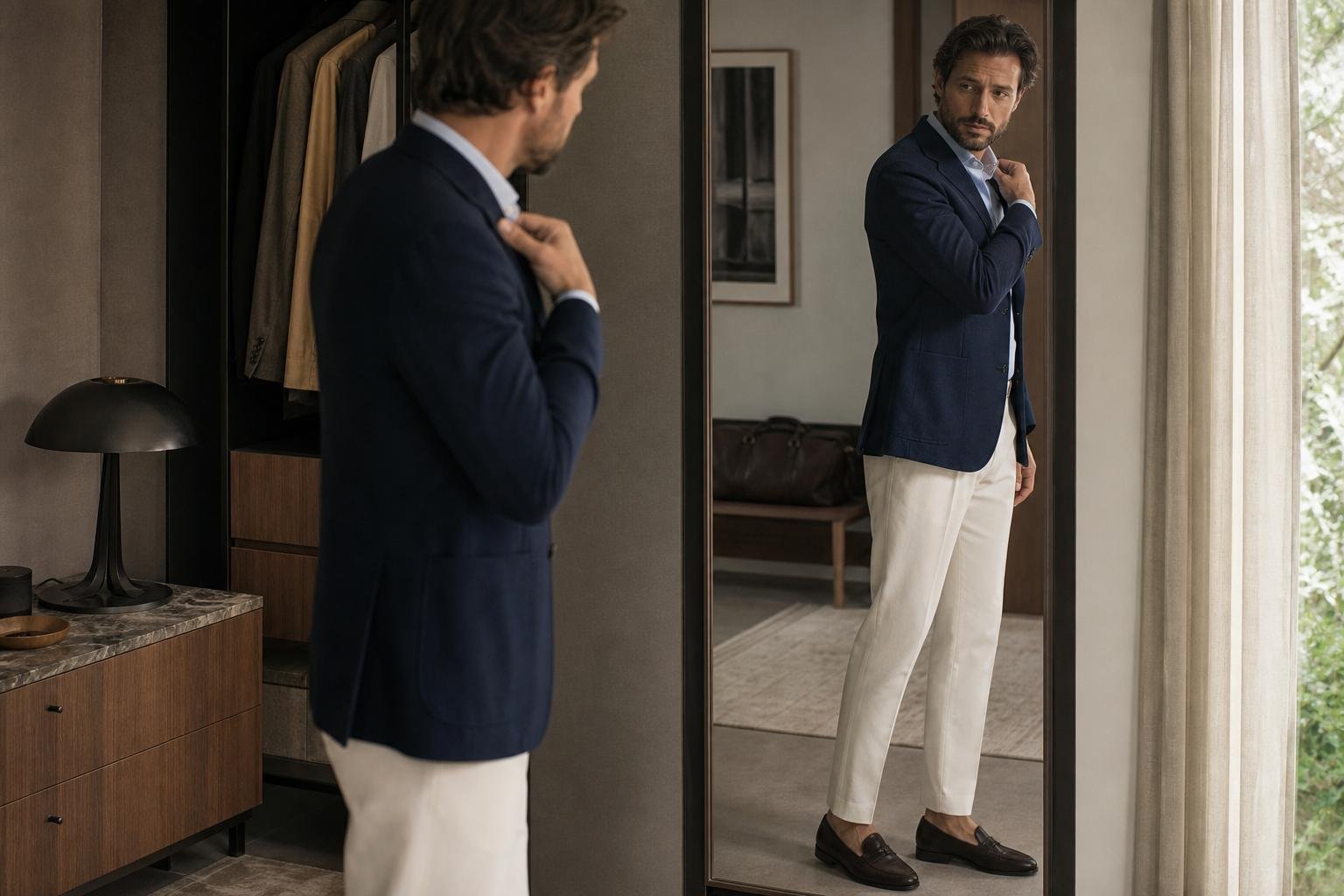
Jacket sizing is commonly based on chest circumference, such as 38, 40, or 42. The shoulder fit is the priority: the jacket’s shoulder ends should align with your natural shoulder line. This area is difficult and costly to alter compared with sleeve length or waist suppression.
Button a suit jacket or blazer and look for a clean front. Minor shaping at the waist is normal, but deep X-shaped pulling indicates that the jacket is too tight. Excess fabric around the torso can signal that it is too large. The jacket should also allow you to reach forward and sit without severe restriction.
Outerwear needs more ease than a blazer because it is designed for layers. Consider what you will wear under a coat. A trim wool overcoat worn over a T-shirt may need a different size than the same coat worn over a sweater and tailored jacket. Check sleeve length as well: coat sleeves should cover the shirt and jacket sleeves without swallowing your hands.
Underwear sizing generally follows waist measurements, but fabric composition makes a difference. Stretch cotton and modal blends may fit close to the body, while woven boxer shorts require more room. Choose a size that stays in place without digging into the waist or constricting the thighs.
For belts, a useful rule is to select a belt approximately 2 inches (5 centimeters) larger than your pants waist size. If you wear a 34-inch waist, a 36-inch belt is often a sensible starting point. The best fit usually fastens near the middle hole rather than at either end.
Shoe sizes are less standardized than many shoppers expect. Measure both feet while standing, ideally later in the day when feet can be slightly larger. Use the longer foot for length and consider width as well as length. A shoe should hold your heel securely while leaving roughly a thumb’s width of space ahead of your longest toe.
A size label is only shorthand. Always open the individual product’s size chart, especially when trying a new brand or buying a fitted item online. Look for details about whether the chart lists body measurements or finished garment measurements. Product descriptions may also indicate whether an item runs slim, relaxed, short, long, or true to size.
Customer reviews can offer context, but they are most helpful when the reviewer shares relevant fit details, such as height, usual size, or build. Use that information alongside your own measurements rather than assuming the same recommendation will apply to you.
If your measurements span two sizes, prioritize the measurement that cannot be easily altered. For jackets, choose based on shoulders and chest. For pants, consider the seat and thighs before relying on waist alone. A tailor can often refine length and waist, but there are limits to altering shoulders, armholes, and overall proportions.
Treat a size guide for men as a practical reference, not a universal conversion chart. Keep a record of your chest, waist, seat, inseam, neck, and sleeve measurements, then compare them with each garment’s specific chart. With a few accurate numbers and a clear sense of your preferred fit, shopping for clothes becomes more consistent—and returns become less likely.