Physical Address
304 North Cardinal St.
Dorchester Center, MA 02124
Physical Address
304 North Cardinal St.
Dorchester Center, MA 02124
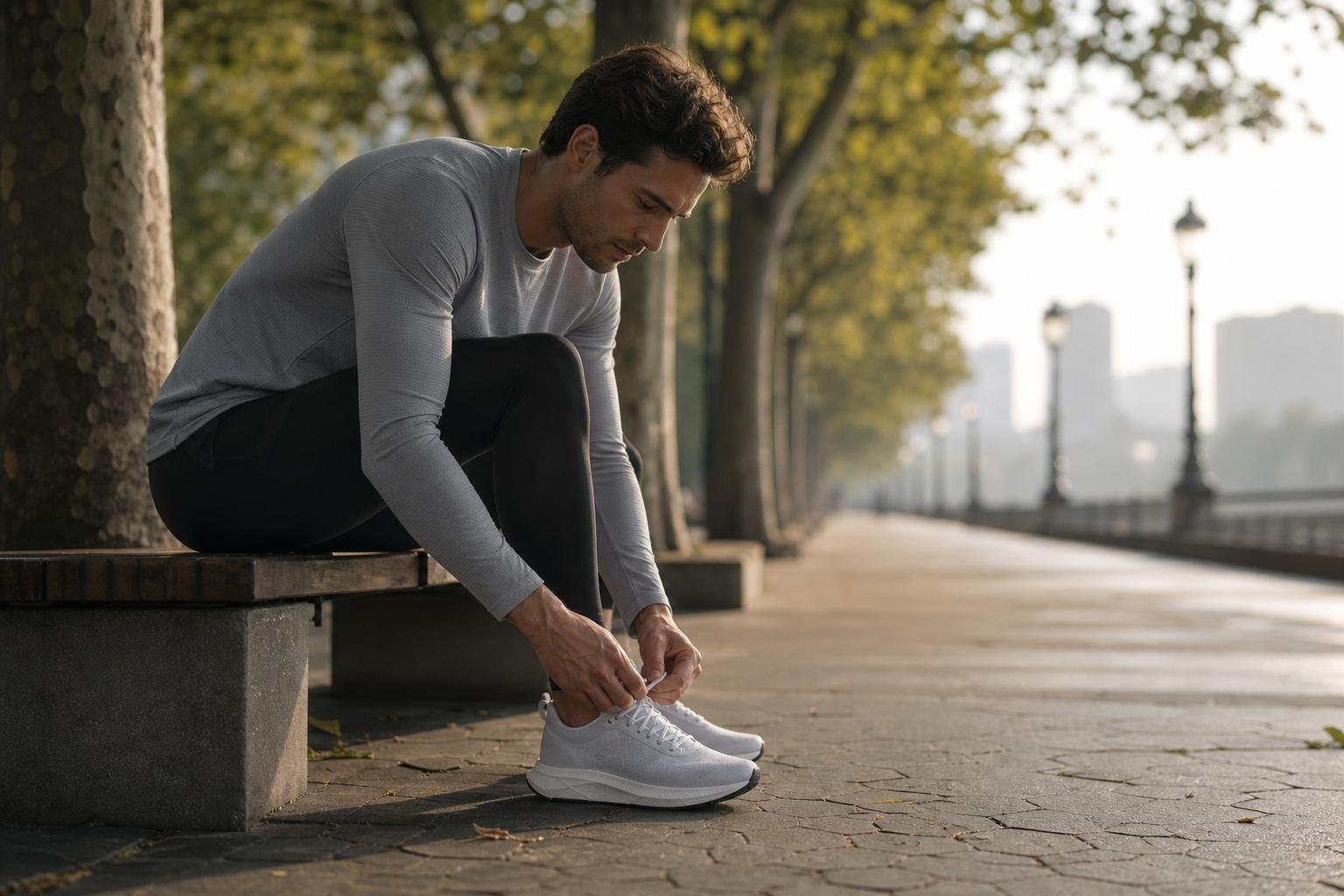
The right running shoe supports your preferred distance, terrain, and comfort needs—not someone else’s mileage goals. Use this guide to compare cushioning, fit, stability, and more.
The best shoes for running are the pair that fit your feet comfortably, suit the surfaces you use, and feel dependable at your typical pace and distance. That sounds simple, but the running-shoe market makes the decision feel more complicated with terms like “neutral,” “stability,” “responsive,” and “max cushion.”
Rather than shopping by trend or color alone, start with how and where you run. A shoe for occasional neighborhood jogs can look very different from one intended for long road miles, technical trails, speed sessions, or walking-heavy routines.
Before comparing shoe categories, consider the habits the pair needs to support. Your ideal choice should match your real routine rather than an aspirational training plan.
Ask yourself:
A running shoe does not need to correct every aspect of your stride. Comfort, secure fit, and a sensible match for your activity are more useful starting points than trying to diagnose your gait from marketing language.
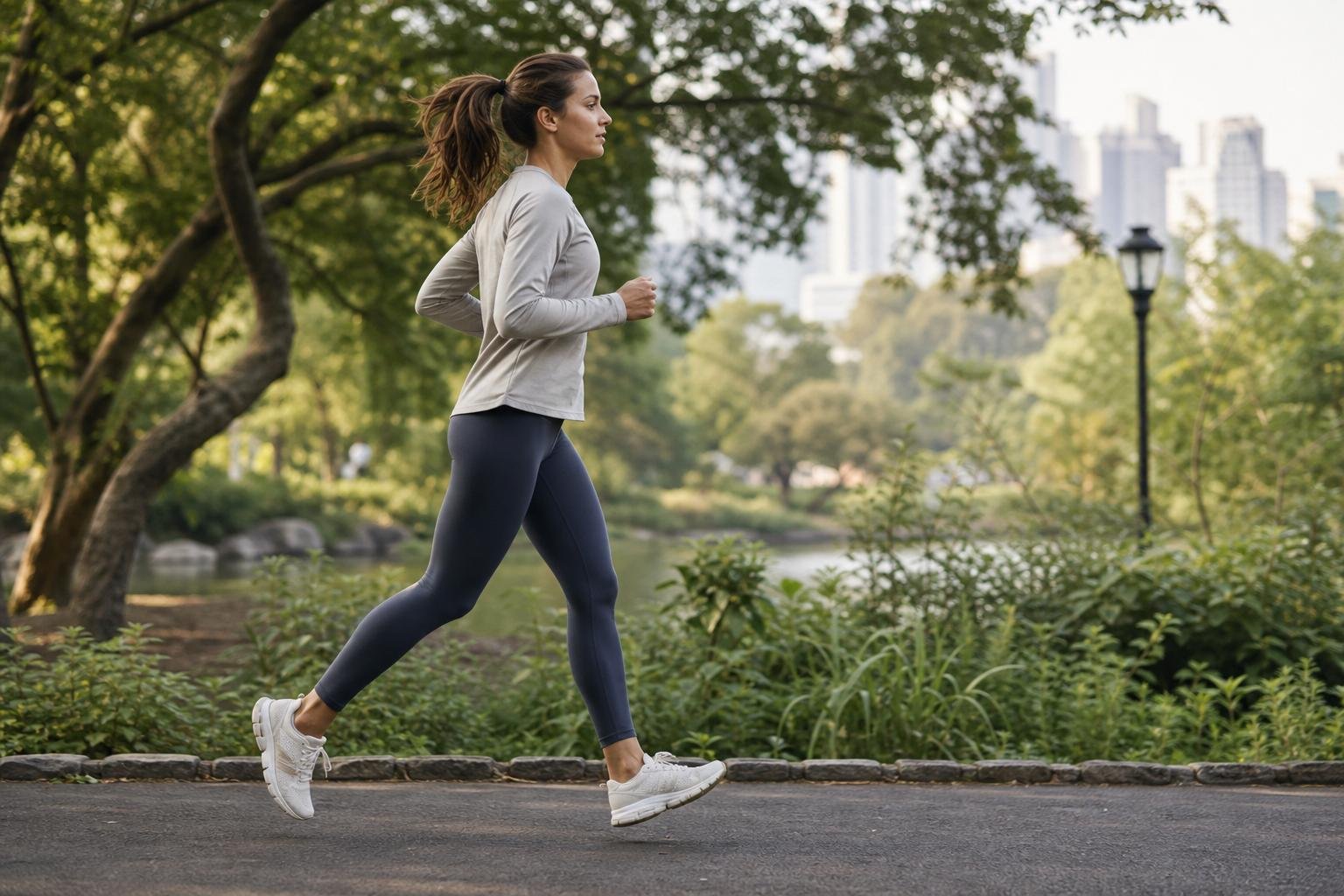
Most running shoes fall into a few broad categories. There is overlap between them, but knowing the distinctions helps narrow a crowded shopping page.
| Shoe type | Best suited to | What to expect |
|---|---|---|
| Daily trainer | Regular road runs and mixed workouts | Balanced cushioning and dependable durability |
| Cushioned shoe | Easy runs, longer distances, walking | Softer, more protective underfoot feel |
| Stability shoe | Runners who prefer added guidance | Structured support through the midsole |
| Lightweight shoe | Faster training and short efforts | Lower weight and a quicker-feeling ride |
| Trail shoe | Dirt, rock, mud, and uneven paths | Grippy outsole and more durable upper |
For many people, a daily trainer is the most useful first purchase. This category generally balances cushioning, flexibility, traction, and durability without being overly specialized. It can handle easy runs, moderate training, treadmill sessions, and everyday walking.
Look for a shoe that feels stable when you stand and jog in place, with enough cushioning to prevent the ground from feeling harsh but not so much bulk that your foot feels disconnected from the surface.
Cushioned running shoes use more foam underfoot to create a softer, more protective sensation. They can be appealing for longer, slower runs, recovery days, or runners who spend substantial time on concrete and pavement.
More cushioning is not automatically better. Very soft foam can feel unstable to some runners, especially when turning corners or moving over uneven ground. The goal is a cushioned shoe that still feels controlled and secure.
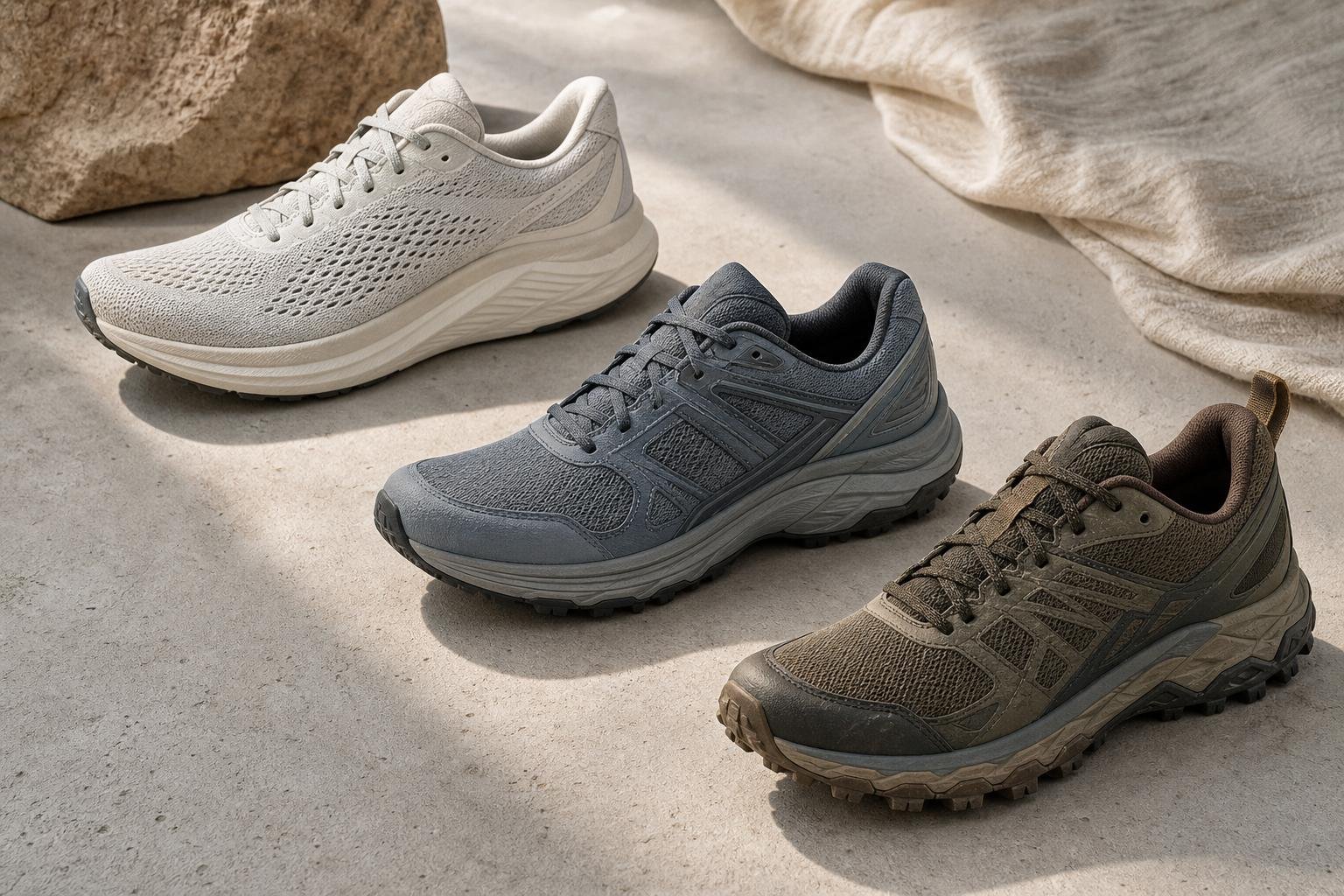
Stability running shoes are designed with features intended to provide more support or guidance than a neutral shoe. Depending on the model, this may come from firmer foam, a wider platform, sidewalls around the foot, or an engineered shape that encourages a steadier transition from landing to toe-off.
They can be worthwhile if you have previously found structured shoes comfortable or if a running specialty retailer or clinician has recommended this type of design. However, do not assume you need a stability shoe because your feet appear flat or because your ankles roll inward slightly. Plenty of runners are comfortable in neutral shoes.
Trail running shoes are for unpaved routes, including packed dirt, loose gravel, rocks, roots, and mud. Their outsoles use deeper lugs for traction, while the uppers may offer more abrasion resistance and protection around the toes.
A trail shoe can feel heavy or overly stiff on pavement, just as a smooth-soled road shoe can feel insecure on wet or loose trails. If you split time evenly between roads and mild paths, a road-to-trail style may offer a practical middle ground.
A shoe can have all the right specifications and still be wrong if it does not fit. Try shoes later in the day, when feet may be slightly fuller, and wear the socks you normally run in.
Your heel should feel held in place without pinching. Across the midfoot, the upper should be snug enough to prevent sliding but not tight enough to cause numbness. The toe box should allow your toes to spread naturally.
As a general rule, leave roughly a thumb’s width—about 0.4 to 0.6 inches (1 to 1.5 centimeters)—between your longest toe and the front of the shoe. Your longest toe is not always your big toe.
Pay attention to width, too. A shoe that feels cramped at the forefoot will not become comfortably wider with a short break-in period. Many running shoes are offered in multiple widths, which can make a dramatic difference for feet that are narrow, wide, or prone to swelling during runs.
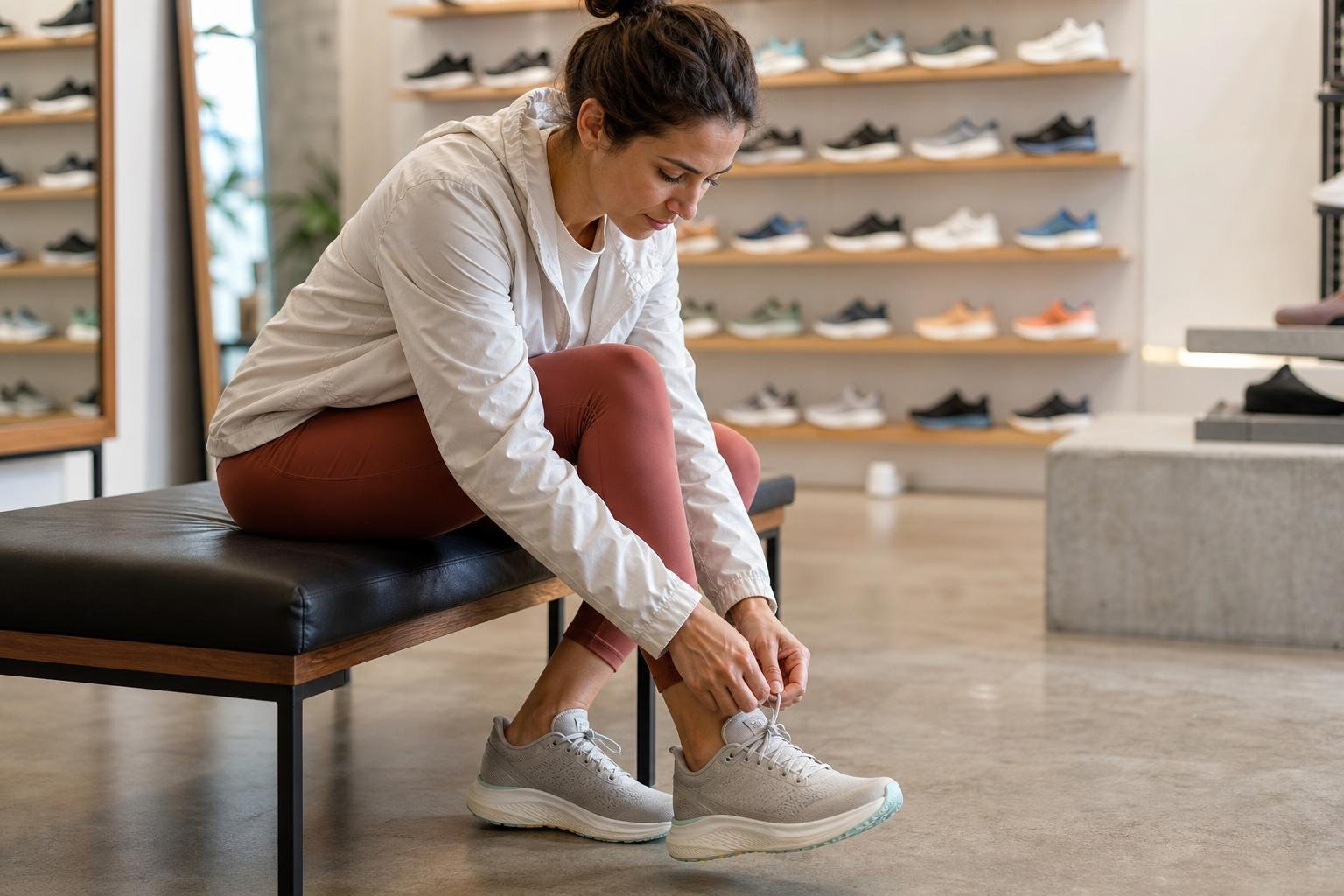
Technical features are useful only when they translate to a sensation you enjoy while moving.
Midsole foam affects how soft, firm, springy, or protective a shoe feels. A thicker sole often provides more cushioning, but the foam formulation and shoe shape matter just as much. Walk and jog in the shoes if possible; your body’s response is more informative than the stack height alone.
Drop is the difference in height between the heel and forefoot. A higher drop places the heel farther above the toes, while a lower drop creates a flatter platform. Neither is universally best.
If you are switching to a noticeably lower-drop shoe, introduce it gradually. A sudden change can alter how your calves and feet are loaded during a run.
Some shoes bend easily at the forefoot, giving them a traditional, flexible feel. Others use a curved, rocker-like sole that rolls the foot forward. Both can work well; the right one is the design that feels natural through your stride rather than forced or unstable.
When comparing the best shoes for running, use product descriptions as a shortlist—not as the final decision. If possible, try more than one pair from different brands because sizing and toe-box shapes vary substantially.
A thoughtful buying process includes:
You also do not need several pairs immediately. One comfortable daily trainer is enough for many runners. A second, more specialized option becomes useful when your routine includes distinctly different conditions, such as road mileage plus muddy trails or easy runs plus track workouts.
Replacement timing varies with mileage, body weight, running surface, shoe construction, and how the midsole feels over time. Look for diminished cushioning, uneven outsole wear, persistent new discomfort, or a noticeably less stable ride rather than relying on appearance alone.
No. A higher price may reflect specialized foams, lightweight materials, or race-oriented construction, but it does not guarantee a better fit. A moderately priced daily trainer that feels comfortable and secure is usually a better choice than a premium shoe that creates pressure points.
They work well for treadmill running and general cardio. For heavy lifting, lateral drills, or court sports, a flatter and more stable training shoe is often a better match because running shoes are designed primarily for forward motion.
The best running shoe is one that supports the run you actually plan to do: a comfortable daily trainer for most routines, more cushioning for easy distance, added structure when it feels helpful, and trail traction for off-road terrain. Prioritize fit, test the feeling underfoot, and give your feet enough room. The right pair should make it easier to focus on your route—not on your shoes.